
Gorongosa Park, Mozambique: Essential Wildlife Resurgence, Untamed Wilderness & Conservation Triumph (2026)
What if one of Africa’s greatest wildlife stories was happening right now, largely off the tourist radar? In the 1960s, Gorongosa National Park was dubbed the “Serengeti of the South,” teeming with over 2,000 lions, 3,500 elephants, and vast herds of buffalo. After a devastating civil war, it was reduced to a silent, empty landscape. Today, thanks to a 20-year restoration project, the park has seen a 700% increase in large mammal populations since 2004. This isn’t just a safari; it’s a front-row seat to one of the planet’s most ambitious ecological recoveries.
Why Gorongosa Park, Mozambique Stands Out
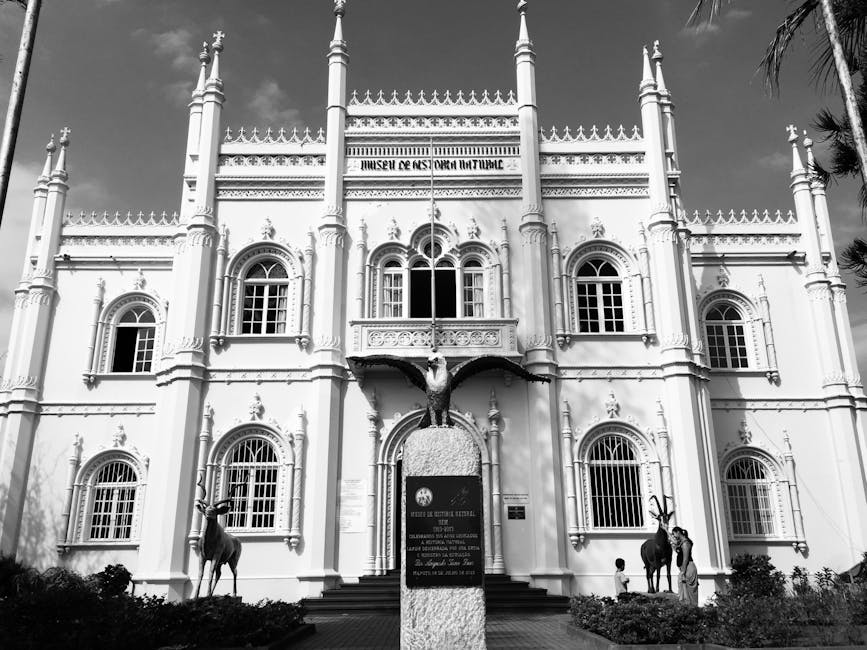
A black and white image of the iconic Museu de Historia Natural in Maputo, Gorongosa Park, Mozambique
- Historic Architecture: The iconic Casa dos Leões (Lion House), built in the 1940s as a hunting lodge, now serves as the park’s museum and a poignant symbol of its journey from colonial playground to conservation beacon.
- Cultural Scene: Witness the annual rainmaking ceremony on Mount Gorongosa, led by the Sanga community, a profound spiritual tradition that underscores the deep connection between the local people and the ecosystem.
- Local Specialties: Don’t miss Matapa, a rich, savory stew of cassava leaves cooked in coconut milk, often served with prawns or peanuts, a staple of the local cuisine.
Pro Tip: For the absolute best wildlife viewing with the fewest visitors, target the very end of the dry season (late September to early November). Animals congregate at permanent water sources like Lake Urema, and the thinning bush makes them easier to spot. Avoid the peak of the rainy season (January-March) when roads become impassable.
Map of Gorongosa Park, Mozambique
Use these interactive maps to explore Gorongosa Park, Mozambique and plan your route:
📍 View Gorongosa Park, Mozambique on OpenStreetMap
🗺️ Open Gorongosa Park, Mozambique in Google Maps
Planning Your Trip: Practical Essentials
Getting There and Around
- By Air: Most travelers fly into Beira International Airport (BEW), a 2-3 hour drive from the park’s main gate. LAM Mozambique Airlines offers connections from Johannesburg and Maputo. Pre-book a private transfer with your lodge. Book flights at Skyscanner for best deals.
- By Train: While not a direct option, adventurous travelers can take the Sena Line from Beira to the town of Inchope, followed by a taxi to the park. It’s more of an experience than efficient transport. Reserve tickets at Trainline or the national railway website.
- By Car: A 4×4 is mandatory for self-driving. From Beira, take the EN1 north to Inchope, then the EN7 west towards Gorongosa Park (approx. 160km). The final park roads are rough sand and require experience. Compare car rentals at RentalCars.com.
- Local Transport: Within the park, transport is exclusively via guided game drive vehicles or walking safaris with armed scouts. There is no public transport. All activities are arranged through your lodge.
Best Time to Visit
Your experience in Gorongosa is dramatically shaped by the seasons. The dry season (May to October) is prime for wildlife viewing, while the wet season (November to April) transforms the park into a lush, green paradise, ideal for birding but challenging for game drives.
| Season | Weather | Highlights |
|---|---|---|
| Dry Season (May–Oct) | Warm, sunny days (25-30°C), cool nights, virtually no rain. | Exceptional game viewing as animals gather at waterholes; best for photography; low malaria risk. |
| Wet Season (Nov–Apr) | Hot (30-35°C) with high humidity; frequent, heavy afternoon thunderstorms. | Landscape is stunningly green; over 400 bird species are active; newborn animals; very few tourists. |
| Shoulder (Apr–May/Oct–Nov) | Transitional; temperatures moderate, rain either beginning or tapering off. | A good mix of scenery and wildlife; potential for lower rates as seasons change. |
Budgeting for Gorongosa Park, Mozambique

A blue pushpin marks Zimbabwe on a colorful close-up map highlighting its g…, Gorongosa Park, Mozambique
| Category | Budget | Mid-range | Luxury |
|---|---|---|---|
| Accommodation | Camping at Chitengo from $25 pp/night | Safari Tents at Montebelo from $200 pp/night | All-inclusive at Muzimu Camp from $600 pp/night |
| Meals | Self-catering or basic restaurant meals ($10-15) | Lodge restaurant set menus ($30-50 per day) | All meals & drinks included in lodge rate |
| Transport | Self-drive park fees ($20/day + vehicle) | Guided game drives ($50-100 per drive) | Private vehicle & guide included |
| Activities | Self-guided birding, museum visit (free) | Standard game drives, guided walks | Night drives, specialist birding safaris, fly-camping |
| Daily Total | $60-100 | $300-500 | $700+ |
Top Attractions and Must-See Sights
| Attraction | Description | Hours | Entry Fee |
|---|---|---|---|
| Lake Urema Floodplain | The park’s beating heart, a vast wetland attracting huge herds of waterbuck, buffalo, and countless birds. | Accessible on game drives (6 AM-6 PM) | Included in park fee |
| Mount Gorongosa | A sacred, biodiverse mountain rainforest with waterfalls, rare birds, and cultural significance. | Guided hikes start at 7 AM | ~$50 for guided hike |
| Gorongosa Project Museum | Housed in the historic Casa dos Leões, it tells the powerful story of war, loss, and rebirth. | 8 AM – 5 PM daily | Small donation |
| Community Tourism Villages | Visit Vinho or Nhanfisse to meet the people integral to the park’s success and see traditional life. | By prior arrangement | ~$20-30 per visit |
3-Day Itinerary: Gorongosa Park, Mozambique’s Highlights & Hidden Gems
Day 1: Arrival & Floodplain Immersion
- Morning: Arrive at Chitengo Camp, check in, and head straight to the Gorongosa Project Museum for essential context. Your guide will explain the “Gorongosa Model” of conservation.
- Afternoon: Your first game drive (3-6 PM) heads to the Lake Urema floodplain. Watch for lions, elephants, and the park’s famous large herds of waterbuck. Dinner at the Chitengo Restaurant, trying the local Matapa stew.
- Evening: Join a night drive (extra cost, ~$50) to spot elusive nocturnal creatures like civets, genets, and bushbabies, their eyes glowing in the spotlight.
Day 2: Mountain Majesty & Cultural Connection
- Morning: Early departure (7 AM) for a guided hike on Mount Gorongosa ($50). Trek through misty rainforest to a waterfall, looking for the endemic Gorongosa Pygmy Chameleon and listening for the call of the Green-headed Oriole.
- Afternoon: Return for a late lunch. Relax during the heat of the day by the pool, then visit the nearby community of Vinho (arranged through the park, ~$25). See traditional farming and crafts, directly supporting local livelihoods.
- Evening: Sundowner drinks at a scenic spot overlooking the floodplain, followed by a storytelling session with your guide about the park’s legendary lions and resilient spirit.
Day 3: Birding Bliss & Departure
- Morning: A dedicated birding walk (6-9 AM) around Chitengo with a specialist guide. Gorongosa boasts over 400 species, from the majestic Fish Eagle to the colorful Lilac-breasted Roller.
- Afternoon: A final game drive focusing on areas you haven’t yet explored, like the woodlands near the Mussicadzi River, looking for sable antelope and nyala. Enjoy a packed lunch in the bush.
- Evening: Transfer back to Beira Airport for your onward flight, or extend your stay with a night of fly-camping under the stars for the ultimate wilderness experience.
Cultural Insights & Etiquette
- Language: Portuguese is the official language. Key phrases: “Bom dia” (Good morning), “Obrigado/a” (Thank you), “Fala Inglês?” (Do you speak English?). Many park staff speak excellent English.
- Customs: Always greet people politely before asking questions. Ask permission before photographing local people. The mountain is sacred; follow your guide’s lead on respectful behavior there.
- Tipping: Tipping is appreciated. For guides, consider $10-$20 per day per guest. For lodge staff, a collective tip box is often available.
- Dress Code: Casual, comfortable safari clothing in neutral colors. For village visits, modest dress (covering shoulders and knees) is respectful.
- Business Hours: Park gates open at 6 AM and close at 6 PM. Lodges operate on a full-day schedule. Most businesses in nearby towns close for a siesta from 12-2 PM.
Where to Eat: Gorongosa Park, Mozambique’s Best Bites
Dining in Gorongosa is almost exclusively lodge-based, focusing on fresh, hearty meals to fuel your safari days. The cuisine is a mix of Portuguese-influenced dishes and local Mozambican staples, with an emphasis on grilled meats, fresh fish from the coast, and locally sourced vegetables.
Must-Try Local Specialties
- Matapa: As mentioned, this is the signature dish. The best versions are found in the lodge kitchens, where it’s often prepared with prawns fresh from the Indian Ocean.
- Piri-Piri Chicken: Succulent grilled chicken marinated in the famous African bird’s eye chili sauce. A staple at most lodge braais (barbecues).
- Prego Roll: A simple but delicious steak sandwich in a fresh bread roll, often served with piri-piri sauce. The perfect post-game drive snack.
Restaurant Recommendations by Budget
| Type | Restaurant | Specialty | Price Range |
|---|---|---|---|
| Budget | Chitengo Camp Restaurant | Buffet-style meals with local and international options | $10-15 per meal |
| Mid-range | Montebelo Gorongosa Lodge Restaurant | À la carte dining with excellent grilled seafood and steaks | $20-40 per meal |
| Fine dining | Muzimu Camp Bush Dinner | Private, multi-course dinners set in a stunning remote location | Included in stay |
Where to Stay
Accommodation ranges from basic camping to ultra-luxurious bush camps. All options are inside or immediately adjacent to the park, ensuring you’re immersed in the wilderness. Compare prices and book at Booking.com or Airbnb for apartments in Beira for pre/post-park stays.
Best Neighborhoods for Accommodation
- Chitengo Area: The park’s hub. Home to the main camp, museum, and budget/mid-range lodges. Perfect for first-time visitors and those wanting easy access to information and activities. It can feel less remote.
- Urema Floodplain Edge: Locations like Muzimu Camp. Offers unparalleled views and direct access to prime wildlife areas. The ultimate in luxury and seclusion, but comes with a higher price tag.
- Mount Gorongosa Foothills: For a completely different ecosystem. Cooler climate and focused on hiking, birding, and cultural experiences. Ideal for an add-on to a classic safari stay.

Dramatic view of a shipwreck on Beira beach with stormy skies and crashing …, Gorongosa Park, Mozambique
FAQs: Your Gorongosa Park, Mozambique Questions Answered
1. Is Gorongosa Park, Mozambique safe at night?
Within the park confines and at the lodges, it is very safe. At night, you must be escorted by staff between facilities due to wildlife. Never walk alone after dark. Crime is not an issue inside the park. Always follow your guide’s instructions explicitly.
2. What currency is used and are credit cards accepted?
The Mozambican Metical (MZN) is the local currency. US Dollars are widely accepted at the main lodges. Credit cards (Visa/Mastercard) are accepted at Chitengo and Montebelo, but connectivity can be unreliable. It’s wise to carry sufficient cash in small denominations for tips and community visits.
3. How do I get from the airport to the park?
Most lodges include or can arrange a private transfer from Beira Airport (BEW), which takes 2-3 hours and costs approximately $150-$250 per vehicle one-way. Self-driving is an option but requires a capable 4×4. Book airport transfers at GetYourGuide for convenience.
4. Do I need to speak the local language?
No. English is spoken by all guides and most lodge staff. Learning a few Portuguese greetings, however, is greatly appreciated by the wider community and enhances your connection with local people.
5. What’s the appropriate dress code?
Neutral-colored, lightweight clothing for game drives (khaki, green, beige). Sturdy, closed-toe shoes are essential. Evenings can be cool, so pack a fleece or jacket. A wide-brimmed hat, sunglasses, and high-SPF sunscreen are non-negotiable. For village visits, dress modestly.
Final Thoughts: Gorongosa Park, Mozambique Awaits
Gorongosa is more than a destination; it’s a testament to hope and resilience. You won’t just see animals here; you’ll witness a landscape and a community healing. The density of wildlife may not yet rival the Serengeti, but the raw, authentic experience and the profound story of rebirth are unmatched. Savvy travelers come for the chance to be part of a living conservation success story, to walk on sacred mountains, and to see Africa not as a static postcard, but as a dynamic, recovering ecosystem. Your visit directly funds this incredible work. So come for the lions, but you’ll leave inspired by the people and the enduring power of nature to reclaim its throne.

