
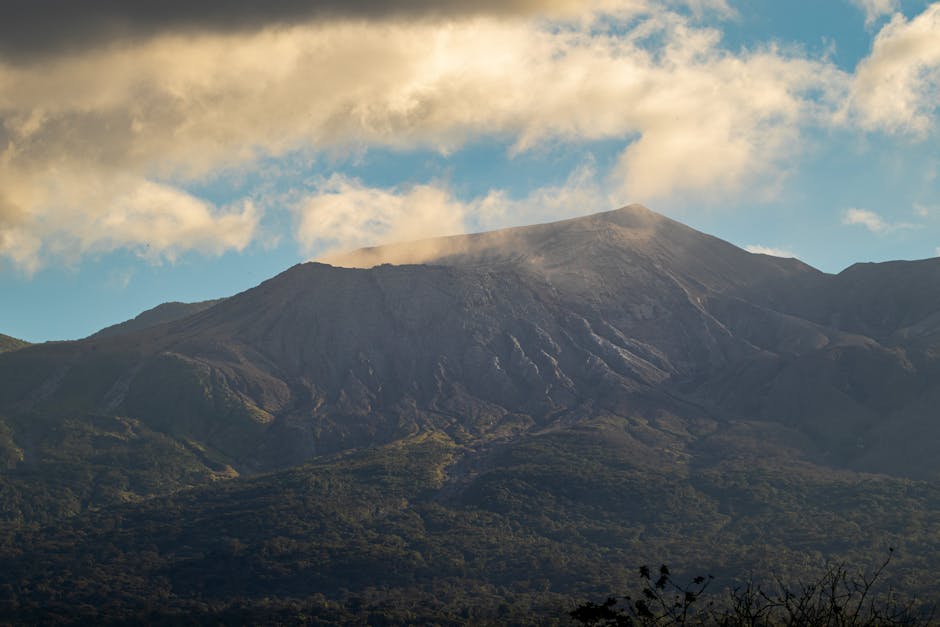
La Amistad International Park, Costa Rica: Epic Wilderness, Waterfalls & World Heritage Wonder (2026)
While crowds flock to the well-trodden paths of Manuel Antonio, La Amistad International Park delivers a raw, unfiltered encounter with one of Central America’s last true wilderness frontiers. Spanning over 401,000 hectares across Costa Rica and Panama, this UNESCO World Heritage site is the largest protected rainforest in the country, yet receives a fraction of the visitors. Here, you won’t find convenience stores or crowds; instead, you’ll discover mist-shrouded cloud forests, ancient indigenous trails, and a biodiversity so rich scientists are still cataloging new species.
Why La Amistad International Park, Costa Rica Stands Out

Airplane preparing for takeoff at Alajuela Airport with a dramatic sunset b…, La Amistad International Park, Costa Rica
- Historic Architecture: The 1982 Friendship Treaty (Tratado de Amistad) between Costa Rica and Panama, which gave the park its name and purpose, is a landmark in international conservation cooperation.
- Cultural Scene: The park is the ancestral home of the Cabécar and Bribri indigenous communities, offering rare, guided cultural immersions into living traditions.
- Local Specialties: You must try a hearty “casado” with locally foraged ingredients, like “palmito” (heart of palm), after a long day on the trails.
Pro Tip: The absolute best time to visit is during the drier window from late January to April. For the most immersive experience, book a multi-day trek with an indigenous guide through the official park stations in late February; you’ll avoid the peak tourist months and have a better chance of clear skies for the epic Cerro Kamuk summit views.
Map of La Amistad International Park, Costa Rica
Use these interactive maps to explore La Amistad International Park, Costa Rica and plan your route:
📍 View La Amistad International Park, Costa Rica on OpenStreetMap
🗺️ Open La Amistad International Park, Costa Rica in Google Maps
Planning Your Trip: Practical Essentials
Getting There and Around
- By Air: Fly into Juan Santamaría International Airport (SJO) in San José. Domestic flights to the regional airstrip in Buenos Aires de Puntarenas are limited; most travelers drive. Book flights at Skyscanner for best deals.
- By Train: No direct train service exists to this remote park. The main access is by road.
- By Car: A 4×4 vehicle is mandatory. From San José, take the Interamericana Sur (Highway 2) towards San Isidro de El General, then head to the Tres Colinas or Altamira entrances. Roads are rough. Compare car rentals at RentalCars.com.
- Local Transport: Public buses run to gateway towns like San Vito or Buenos Aires, but from there, you’ll need to arrange private taxis or tours to reach park entrances. There is no internal public transport within the park itself.
Best Time to Visit
Timing is crucial for enjoying La Amistad. The park experiences a distinct dry season and a very wet rainy season, which dramatically affects accessibility and trail conditions.
| Season | Weather | Highlights |
|---|---|---|
| Dry Season (Jan–Apr) | Sunny mornings, occasional afternoon showers. Temperatures 15-25°C (59-77°F) in highlands. | Optimal trekking conditions, clearer summit views, best wildlife spotting. Moderate crowds at main stations. |
| Rainy Season (May–Dec) | Heavy, persistent rainfall. High humidity. Temperatures consistent but trails muddy. | Lush, vibrant greenery, spectacular waterfalls at full force, few tourists. Many trails may be impassable or closed. |
| Shoulder (Late Dec/ Late Apr) | Transitional weather; less predictable but often manageable. | Good balance of decent weather and thinner crowds. Ideal for experienced, flexible travelers. |
Budgeting for La Amistad International Park, Costa Rica

Tropical beach in Limón, La Amistad International Park, Costa Rica
| Category | Budget | Mid-range | Luxury |
|---|---|---|---|
| Accommodation | $15-30/night (hostels in gateway towns, camping permits) | $70-120/night (eco-lodges, comfortable B&Bs) | $200+/night (all-inclusive biological stations with guided programs) |
| Meals | $10-15/day (sodas, self-catering) | $25-40/day (lodge restaurants, set menus) | $60+/day (curated dining at high-end eco-retreats) |
| Transport | $5-10/day (public bus to gateway town) | $50-80/day (4×4 rental, split cost) | $150+/day (private transfer & guide) |
| Activities | $10-20 (self-guided day hike fee) | $50-100 (guided day tour) | $200+/day (multi-day guided expedition) |
| Daily Total | $40-75 | $195-340 | $610+ |
Top Attractions and Must-See Sights
| Attraction | Description | Hours | Entry Fee |
|---|---|---|---|
| Sendero Gigantes del Bosque | A breathtaking trail through a cloud forest valley dotted with colossal ancient oak trees draped in orchids and moss. | 8:00 AM – 4:00 PM (Must enter with guide) | $15 + Guide Fee (~$50) |
| Cerro Kamuk Summit Trek | A challenging multi-day expedition to one of Costa Rica’s most sacred and remote peaks, offering unparalleled wilderness immersion. | Overnight expedition only | $300+ for multi-day guided trek |
| Altamira Biological Station | The primary research and visitor center, offering accessible trails, birdwatching platforms, and critical conservation insights. | 7:00 AM – 4:00 PM | $12 for foreigners |
| Sabalito Sector & Indigenous Territories | Gateway to cultural tours with Bribri communities, featuring traditional chocolate-making and spiritual plant medicine walks. | By appointment with community tourism groups | $40-80 for half-day cultural experience |
3-Day Itinerary: La Amistad International Park, Costa Rica’s Highlights & Hidden Gems
Day 1: Cloud Forest Immersion & Arrival
- Morning (7-9 AM): Depart San José early in your 4×4. The 4-hour drive to the Altamira region is scenic but winding. Stop for a classic Costa Rican breakfast of “gallo pinto” at Soda La Amistad in San Isidro.
- Afternoon (12-3 PM): Check into your eco-lodge (like the rustic yet comfortable Dantica Cloud Forest Lodge). After settling, take a guided walk on the “Sendero La Cascada” near the station to spot resplendent quetzals and learn about cloud forest ecology.
- Evening (6-8 PM): Enjoy a hearty dinner at your lodge, then join a guided night walk (approx. $35) to discover the park’s nocturnal life—glass frogs, kinkajous, and countless insects.
Day 2: Trekking the Land of Giants
- Morning (5:30 AM): Early start for the full-day “Sendero Gigantes del Bosque” trek ($65 with guide). The cool morning mist reveals spider webs glittering with dew and the haunting calls of bellbirds.
- Afternoon (12-3 PM): Eat a packed lunch amidst the giant oaks. Your guide will point out recent puma tracks or the elusive Baird’s tapir. Return to the station by mid-afternoon, exhausted but exhilarated.
- Evening (6-8 PM): Soak in the views and enjoy a well-earned dinner. Savvy visitors know to ask the lodge staff about stargazing—the lack of light pollution here is phenomenal.
Day 3: Cultural Connection & Departure
- Morning (7 AM): Drive 1.5 hours to the Sabalito sector for a pre-booked cultural tour with a Bribri community guide ($50). You’ll learn about traditional “cacao” preparation, medicinal plants, and the significance of the “jaguar” in their cosmology.
- Afternoon (12-3 PM): Share a traditional lunch with your host family, often featuring river fish, plantains, and root vegetables. Visit a local waterfall considered a sacred site before beginning your journey back to San José.
- Evening (6 PM): If time allows, stop for a final dinner in the charming town of San Vito at Restaurante Saboreo, known for its Italian-Costa Rican fusion, before the final leg of your drive.
Cultural Insights & Etiquette
- Language: Spanish is essential here. In indigenous territories, learn a few words in Bribri or Cabécar as a sign of respect—”Iö” (hello) and “Chjai” (thank you) go a long way.
- Customs: Always ask permission before photographing people, especially indigenous community members. Respect sacred sites and ceremonial spaces; they are not mere photo ops.
- Tipping: Tip knowledgeable guides 10-15% of the tour cost. For community tours, consider purchasing handmade crafts directly from artisans.
- Dress Code: Modest, practical clothing is key. Quick-dry pants, long sleeves, and sturdy hiking boots are mandatory. When visiting communities, avoid overly revealing attire.
- Business Hours: Park stations typically operate from 7 AM to 4 PM. Everything runs on “tico time”—be patient and flexible. Many community experiences are by appointment only.
Where to Eat: La Amistad International Park, Costa Rica’s Best Bites
Dining here is about sustenance and local flavor. You won’t find fine dining, but you’ll discover incredibly fresh, hearty meals often sourced directly from the surrounding land. Most meals are enjoyed at your lodge or in small “sodas” (family-run eateries) in nearby towns.
Must-Try Local Specialties
- Casado con Palmito: The classic plate of rice, beans, plantains, salad, and a protein, but here featuring freshly harvested heart of palm. Best tried at any lodge restaurant within the park’s buffer zone.
- Fresh Trout (Trucha): Often farmed in the clean mountain streams of the region, served grilled or fried with garlic. Look for it at restaurants in the Copey or Santa Elena de General area.
- Traditional Chocolate (Cacao): Not a sweet bar, but a bitter, frothy drink prepared during indigenous cultural tours, often spiced with chili or vanilla—a truly authentic experience.
Restaurant Recommendations by Budget
| Type | Restaurant | Specialty | Price Range |
|---|---|---|---|
| Budget | Soda El Buen Comer, San Isidro | Massive, affordable “casados” and fresh fruit smoothies. | $5-10 per meal |
| Mid-range | Dantica Lodge Restaurant, Altamira | Set-menu dinners with stunning cloud forest views and local ingredients. | $15-25 per meal |
| Fine dining | Restaurante Saboreo, San Vito | Upscale, creative dishes blending Italian techniques with Costa Rican produce. | $30-50 per meal |
Where to Stay
Accommodation is clustered in gateway towns and a few remote eco-lodges. Booking ahead is critical, especially in the dry season. Compare prices and book at Booking.com or Airbnb for apartments in towns like San Vito.
Best Neighborhoods for Accommodation
- Altamira/San Francisco de Altamira Area: The closest you can stay to the park’s core. Characterized by cloud forest lodges and cool temperatures. Perfect for serious hikers, but amenities are basic. Suits adventure-seekers.
- San Vito: A charming Italian-influenced town about an hour from the Sabalito sector. Offers more dining options, B&Bs, and a gentler climate. Ideal for those wanting a cultural mix and day trips into the park.
- San Isidro de El General: A major transport hub with all services, about 1.5-2 hours from park entrances. Has hotels for all budgets. Best for travelers on a tight schedule or budget who don’t mind a longer daily commute.

Drone shot capturing an urban park and church in La Fortuna, Costa Rica., La Amistad International Park, Costa Rica
FAQs: Your La Amistad International Park, Costa Rica Questions Answered
1. Is La Amistad International Park, Costa Rica safe at night?
Within the park itself, your main concerns are wildlife and getting lost—never hike at night without a guide. In the surrounding rural areas, crime is very low, but standard precautions apply. The greatest safety issue is road conditions; never drive the rough access roads after dark due to landslides, poor visibility, and animals on the road.
2. What currency is used and are credit cards accepted?
Costa Rican Colón (CRC) is the currency, but US dollars are widely accepted. In remote lodges and for park fees, cash (in colones) is king. Credit cards may be accepted at larger lodges in San Vito, but don’t rely on them. Your best bet is to withdraw cash in San Isidro before heading into the park region.
3. How do I get from the airport to the park?
There is no direct route. From Juan Santamaría Airport (SJO), you’ll need to rent a 4×4 (a 4-hour drive) or take a bus to San Isidro (approx. $10, 3 hours) and then arrange a local taxi or tour to your specific lodge or park entrance. For seamless (but pricey) travel, book a private transfer through a tour operator. Book airport transfers at GetYourGuide for convenience to San José, but note they rarely go directly to the park.
4. Do I need to speak the local language?
Yes, basic Spanish is highly recommended and, for venturing beyond the main stations, almost essential. While some lodge staff may speak English, park rangers and community guides often do not. Learning key phrases for directions, food, and emergencies will vastly improve your experience and safety.
5. What’s the appropriate dress code?
This is serious wilderness. Dress for trekking: sturdy, broken-in hiking boots, moisture-wicking socks, long pants to protect against insects and brush, and layers (including a waterproof jacket). Avoid cotton jeans. For cultural visits, neat, modest casual wear is appropriate. Always pack a hat, sunglasses, and high-SPF biodegradable sunscreen.
Explore More Destinations
- Jozani, Tanzania on a Budget: an Ancient Forest for $35/Day (2026)
- Nsumbu, Zambia on a Budget: Wild Africa for $40/Day (2026)
- Semporna, Malaysia on a Budget: Paradise for $35/Day (2026)
- Khuzestan, Iran on a Budget: Ancient Empires for $30/Day (2026)
- Ngerulmud, Palau on a Budget: Island Majesty for $45/Day (2026)
Ready to Visit La Amistad International Park?
Start planning your trip today. Compare hotels, find the best tours, and get insider tips.
Your adventure in La Amistad International Park starts here →
{“@context”: “https://schema.org”, “@type”: “FAQPage”, “mainEntity”: [{“@type”: “Question”, “name”: “What is the best time to visit La Amistad International Park?”, “acceptedAnswer”: {“@type”: “Answer”, “text”: “The best time to visit La Amistad International Park depends on your preferences. Generally, the dry season offers the most pleasant weather for sightseeing and outdoor activities. Check local climate patterns for specific months.”}}, {“@type”: “Question”, “name”: “How many days do I need in La Amistad International Park?”, “acceptedAnswer”: {“@type”: “Answer”, “text”: “Most travelers spend 3-5 days in La Amistad International Park to see the main attractions. A week allows for a more relaxed pace and day trips to nearby areas.”}}, {“@type”: “Question”, “name”: “Is La Amistad International Park expensive to visit?”, “acceptedAnswer”: {“@type”: “Answer”, “text”: “La Amistad International Park can be visited on various budgets. Accommodation ranges from hostels to luxury hotels. Street food and local restaurants offer affordable dining options.”}}]}
Related Guides
Explore more destinations similar to La Amistad International Park:
- Covalima, Timor-Leste’s Hidden Coffee, Coastlines & Colonial Echoes (2025)
- Timbavati, South Africa’s Best Wildlife, Wilderness & White Lions (2025)
- Purnululu National Park, Australia’s Essential Bungles, Gorges & Ancient Skies (2026)
- Musandam’s Dibba, Oman’s Essential Fjords, Forts & Underwater Wonders (2025)

