

Corumbá, Brazil: Stunning Pantanal Wildlife, Riverfront History & Frontier Spirit (2026)
Sunrise over the Paraguay River paints the sky in fiery oranges, silhouetting the historic casarões (mansions) that line the shore. This is the daily spectacle in Corumbá, Brazil’s strategic gateway to the Pantanal, the world’s largest tropical wetland. While most international visitors head straight for eco-lodges, savvy travelers know that spending a day or two in this historic port city—where the air hums with riverboat traffic and the scent of grilled pacu fish—unlocks the authentic, rugged soul of the frontier before you plunge into the wild.
Why Corumbá, Brazil Stands Out
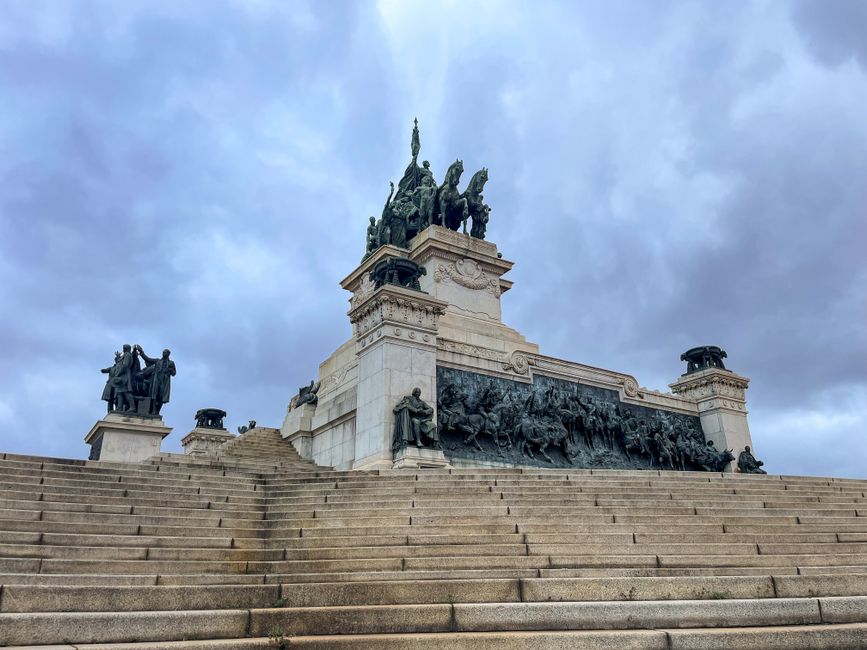
The Monument to Independence in São Paulo under cloudy skies, Corumbá, Brazil
- Historic Architecture: The 1877 Casario do Porto Geral, a row of pastel-colored merchant houses, tells the story of the city’s boom as a river trade hub during the Paraguayan War.
- Cultural Scene: The annual Festival América do Sul, held every May, transforms the city with music, theater, and dance celebrating the cultural fusion of South American border countries.
- Local Specialties: You must try *pescada pantaneira*—a hearty, flavorful fish stew made with local river catch, tomatoes, onions, and peppers, best enjoyed with a cold beer.
Pro Tip: The absolute best time to visit is during the dry season (May to September). Not only is wildlife spotting in the Pantanal at its peak, but the weather is pleasant, and the infamous mosquitoes are far less prevalent. For the city itself, visit during the shoulder months of April or October for fewer tourists and lower hotel rates.
Map of Corumbá, Brazil
Use these interactive maps to explore Corumbá, Brazil and plan your route:
📍 View Corumbá, Brazil on OpenStreetMap
🗺️ Open Corumbá, Brazil in Google Maps
Planning Your Trip: Practical Essentials
Getting There and Around
- By Air: Corumbá International Airport (CMG) receives limited flights from major Brazilian hubs like São Paulo (GRU) and Campo Grande (CGR) via Azul or LATAM. A taxi to the city center costs about R$ 40-50. Book flights at Skyscanner for best deals.
- By Train: There are no direct passenger train services for tourists to Corumbá. The historic railway is primarily for cargo. Your best bet for a scenic land route is by bus or car.
- By Car: The BR-262 from Campo Grande is the main paved route (approx. 420 km, 6-hour drive). Driving offers flexibility, but be prepared for long, straight roads and wildlife crossings near the Pantanal. Compare car rentals at RentalCars.com.
- Local Transport: The city is walkable, especially along the riverfront. For longer distances, use local taxis or ride-hailing apps like 99. A short taxi ride within the city center costs R$ 15-25.
Best Time to Visit
Your experience in Corumbá is dramatically shaped by the Pantanal’s seasons. The dry season is prime for wildlife, while the wet season transforms the landscape into a vast aquatic paradise, though access becomes more challenging.
| Season | Weather | Highlights |
|---|---|---|
| Dry Season (May–Sep) | Warm, sunny days (25-32°C / 77-90°F), low humidity, little to no rain. | Optimal wildlife viewing in Pantanal, best hiking, fewer mosquitoes, and vibrant festivals. Peak tourist season. |
| Wet Season (Dec–Mar) | Hot, humid (30-35°C / 86-95°F), frequent heavy afternoon rains. | Lush, flooded landscapes, excellent birdwatching, boat access deeper into Pantanal, and significantly fewer crowds. |
| Shoulder (Apr & Oct–Nov) | Transitional weather, warm with sporadic rain. | Good balance of wildlife activity, lower accommodation costs, and a more relaxed pace in the city before or after the high season rush. |
Budgeting for Corumbá, Brazil

Low-angle view of Christ the Redeemer statue against clear blue sky in Rio …, Corumbá, Brazil
| Category | Budget | Mid-range | Luxury |
|---|---|---|---|
| Accommodation | Hostel/R$ 80-150 per night | Local hotel/R$ 200-400 per night | Premium hotel/R$ 500+ per night |
| Meals | Lanches & market food/R$ 30-50 per day | Local restaurants/R$ 70-120 per day | Fine dining/R$ 150+ per day |
| Transport | Walking & local bus/R$ 10-20 per day | Taxis/R$ 40-80 per day | Private transfers/R$ 150+ per day |
| Activities | Free museums, walking tours | Half-day Pantanal tour/R$ 200-300 | Multi-day private Pantanal safari/R$ 1000+ per day |
| Daily Total | R$ 120-220 | R$ 350-700 | R$ 1,800+ |
Top Attractions and Must-See Sights
| Attraction | Description | Hours | Entry Fee |
|---|---|---|---|
| Casario do Porto Geral | Stroll this iconic riverfront promenade lined with beautifully preserved 19th-century mansions, the historic heart of Corumbá. | 24/7 (exteriors) | Free |
| Museu de História do Pantanal (MUHPAN) | Housed in a former jail, this excellent museum details the natural and cultural history of the Pantanal region. | Tue-Sun, 1 PM – 5:30 PM | R$ 10 |
| Forte Junqueira / Fort Coimbra | Take a boat trip to this 1775 military fort, a key strategic point on the Paraguay River with sweeping views. | Tours depart mornings, check locally | Boat tour ~R$ 150-200 |
| Christ the King Statue (Cristo Rei) | Hike or drive up for panoramic views of the city, the winding Paraguay River, and the vast Pantanal plains beyond. | 24/7 | Free |
3-Day Itinerary: Corumbá, Brazil’s Highlights & Hidden Gems
Day 1: Historic Heart & Riverfront Rhythms
- Morning (7-9 AM): Start with sunrise views from the **Mirante do Cristo Rei**. The early light over the Pantanal is magical. Taxi up for about R$ 25.
- Afternoon (12-3 PM): Explore the **Casario do Porto Geral** and visit the **MUHPAN museum**. For lunch, head to **Restaurante Peixaria do Lulu** on the riverfront for an incredible *pescada pantaneira* (around R$ 60).
- Evening (6-8 PM): Join locals for the evening stroll, or *passeio*, along the river. Enjoy dinner at **Casa do João**, a simple spot known for its *churrasco* (barbecue) and cold draft beer.
Day 2: Pantanal Immersion
- Morning (5:30 AM): Depart early for a **guided Pantanal safari** (R$ 250-350 per person). Your best bet is booking through a reputable local agency like Pantanal Viagens for a half-day tour to spot caimans, capybaras, and a plethora of birds.
- Afternoon (12-3 PM): Return to the city for a late lunch at **Botequim do Pantaneiro**, a rustic eatery serving regional dishes like *arroz carreteiro* (rice with jerked beef).
- Evening (6-8 PM): Relax and swap wildlife stories. For a casual evening, grab a *chopp* (draft beer) and snacks at **Bar do Gaúcho**, a classic Brazilian boteco.
Day 3: Cultural Depths & Market Finds
- Morning (8 AM): Visit the **Mercado Municipal** to see local produce, handicrafts, and the bustling energy. Then, take a short taxi (R$ 15) to the **Igreja Nossa Senhora da Candelária**, the city’s oldest church.
- Afternoon (12-3 PM): Enjoy a final lunch at **Restaurante e Pizzaria Sabor Pantaneiro** for their excellent pizza with Brazilian twists. Afterwards, browse for souvenirs at **Casa do Artesão**, which sells quality leather goods and local crafts.
- Evening (6-8 PM): Take a final sunset cruise on the Paraguay River (bookable at the port, approx. R$ 80) for a different perspective of the city and the vast wilderness at its doorstep.
Cultural Insights & Etiquette
- Language: Portuguese is essential. Basic phrases like *”Bom dia”* (Good morning), *”Obrigado/a”* (Thank you), and *”Quanto custa?”* (How much?) go a long way. English is not widely spoken.
- Customs: Life here moves at a slower, *”pantaneiro”* pace. Be patient. Greetings are important; a handshake or a nod is standard. The city has a strong sense of pride in its frontier history and Pantanal identity.
- Tipping: Not mandatory, but appreciated. In restaurants, a 10% service charge is often included on the bill (*”serviço incluso”*). For good service, you can round up or leave an extra 5-10%. Tip taxi drivers by rounding up the fare.
- Dress Code: Casual and practical is key due to the heat. Lightweight, breathable clothing, sturdy walking shoes, and a hat are essential. For evenings, smart-casual is fine for nicer restaurants. Always pack a rain jacket, regardless of season.
- Business Hours: Shops typically open 9 AM-6 PM, often closing for a midday break (12-2 PM). Restaurants open for lunch around 11:30 AM and dinner from 7 PM onward. Many businesses close on Sundays.
Where to Eat: Corumbá, Brazil’s Best Bites
Corumbá’s cuisine is a hearty reflection of its Pantaneiro culture and riverfront location. Think robust stews, expertly grilled meats from the surrounding cattle ranches, and incredibly fresh river fish. Dining is a social, relaxed affair, often in simple, family-run establishments where flavor triumphs over fancy decor.
Must-Try Local Specialties
- Pescada Pantaneira: The iconic fish stew, rich with tomatoes and peppers. Find it at any traditional *peixaria* (fish restaurant) along the riverfront.
- Churrasco Pantaneiro: Barbecued beef cuts, often *picanha* (rump cap), cooked over open flames. **Churrascaria e Pizzaria Tia Nena** is a local favorite for this.
- Sopa Paraguaia: Despite the name, this is a savory cornbread cake with cheese and onions, a delicious staple from the border region. Try it at market stalls or as a side dish.
Restaurant Recommendations by Budget
| Type | Restaurant | Specialty | Price Range |
|---|---|---|---|
| Budget | Bar e Restaurante do Porto (Av. General Rondon) | Simple, filling *prato feito* (set meals) and cold beer with river views. | R$ 20-40 per meal |
| Mid-range | Restaurante Peixaria do Lulu (Rua Frei Mariano) | Super-fresh river fish dishes, especially the house *pescada*. | R$ 50-80 per meal |
| Fine dining | Vivenda do Peixe (Estrada Parque, Pantanal) | Upscale Pantanal cuisine in a beautiful lodge setting a short drive from the city. | R$ 120+ per meal |
Where to Stay
Most accommodations are functional city hotels, perfect for a base before or after a Pantanal adventure. For a true wilderness stay, you’ll need to book a lodge (*fazenda* or *pousada*) deeper in the Pantanal. Compare prices and book at Booking.com or Airbnb for apartments.
Best Neighborhoods for Accommodation
- Centro (City Center): The most convenient area, close to the Casario, museums, and main restaurants. It’s bustling and walkable, but can be noisy. Ideal for first-time visitors on a short stay.
- Along Avenida General Rondon: This major avenue has several modern hotels with easy access to the riverfront and taxi stands. It offers a good balance of convenience and slightly quieter nights.
- Pantanal Lodges (Outside City): For the full experience, stay at a lodge like **Pousada Xaraés** or **Fazenda San Francisco**. These require transfer arrangements but offer unparalleled wildlife access and immersion.

Iconic Christ the Redeemer statue overlooking Rio de Janeiro, Corumbá, Brazil
FAQs: Your Corumbá, Brazil Questions Answered
1. Is Corumbá, Brazil safe at night?
Like many cities, it requires common sense. The main riverfront promenade (Porto Geral) is generally safe and lively in the early evening. Stick to well-lit, populated areas, avoid displaying valuables, and take taxis for longer distances after dark. Petty theft can occur, so vigilance is key.
2. What currency is used and are credit cards accepted?
The Brazilian Real (R$) is the currency. Credit cards (Visa, Mastercard) are widely accepted in hotels, larger restaurants, and tour agencies. However, smaller establishments, markets, and taxis often operate on cash only. It’s wise to carry a mix of cash and cards, and use ATMs (*caixas eletrônicos*) during the day in secure locations like shopping centers.
3. How do I get from the airport to the city center?
Corumbá Airport (CMG) is small and close to the city. Your options are pre-booked private transfers (arrange through your hotel), official airport taxis (fixed rate of about R$ 40-50 to most hotels), or ride-hailing apps if you have a local SIM. There is no reliable public bus. Book airport transfers at GetYourGuide for convenience.
4. Do I need to speak the local language?
Yes, basic Portuguese is highly recommended. While staff at major hotels and some tour operators may speak basic English, you
Explore More Destinations
- Jozani, Tanzania on a Budget: an Ancient Forest for $35/Day (2026)
- Nsumbu, Zambia on a Budget: Wild Africa for $40/Day (2026)
- Semporna, Malaysia on a Budget: Paradise for $35/Day (2026)
- Khuzestan, Iran on a Budget: Ancient Empires for $30/Day (2026)
- Ngerulmud, Palau on a Budget: Island Majesty for $45/Day (2026)
Ready to Visit Corumbá?
Start planning your trip today. Compare hotels, find the best tours, and get insider tips.
Your adventure in Corumbá starts here →
Related Guides
Explore more destinations similar to Corumbá:

