
Viti Levu, Fiji’s Best Coral Reefs, Kava Ceremonies & Untamed Highlands (2026)
While crowds flock to the tiny, postcard-perfect islands of the Mamanucas, Viti Levu, Fiji’s main island, delivers the soul of the South Pacific without the single-resort isolation. This is where 70% of Fijians live, where you can dive world-class reefs in the morning, hike through cloud forests in the afternoon, and share a bowl of earthy kava with villagers by sunset. Here, the ‘Bula Spirit’ isn’t a marketing slogan—it’s the rhythm of daily life, felt in bustling markets, along the Coral Coast, and deep within the island’s volcanic heart.
Why Viti Levu, Fiji Stands Out

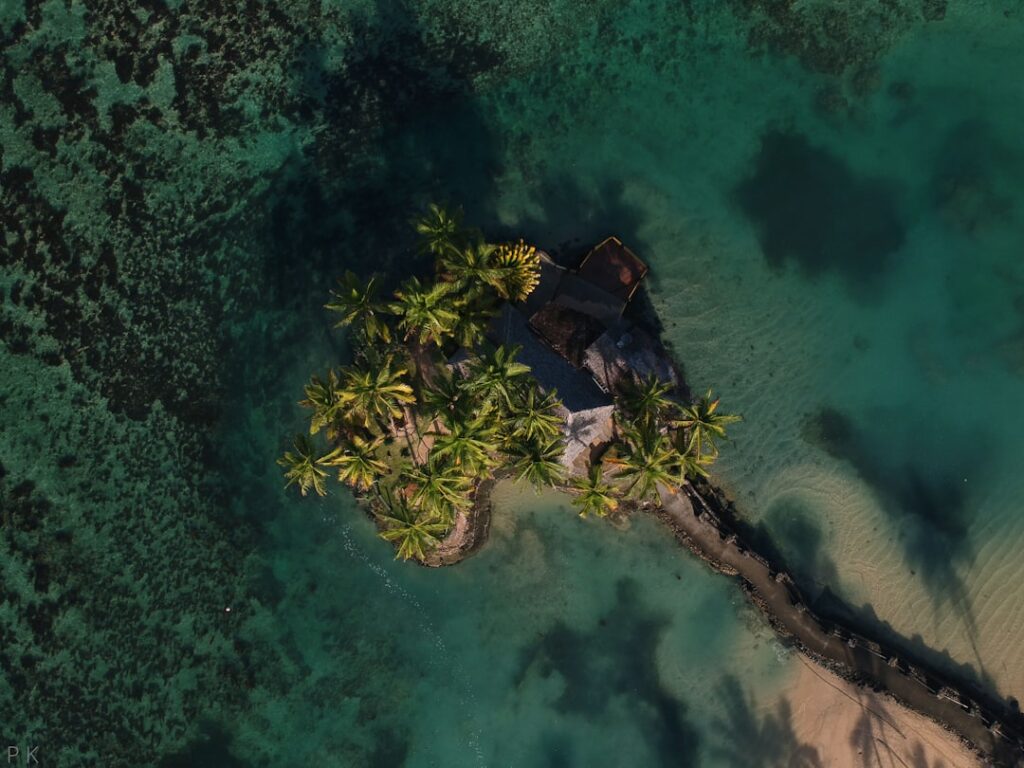
Brown and yellow house photography, Viti Levu, Fiji
- Historic Architecture: The 1929 Parliament of Fiji complex in Suva, with its grand, colonial-era buildings and traditional Fijian *bure* (thatched hut) meeting halls, uniquely symbolizes the nation’s journey from monarchy to modern democracy.
- Cultural Scene: The annual Hibiscus Festival in Suva (August) transforms Albert Park into a vibrant week-long carnival of music, dance, food stalls, and a crowning ceremony, showcasing the joyous, communal heart of modern Fijian culture.
- Local Specialties: You must try *Kokoda*—fresh mahi-mahi or snapper “cooked” in lime juice and coconut cream, a ceviche-like dish that perfectly captures the island’s fresh, zesty, and rich flavors.
Pro Tip: For the best weather and value, target the shoulder months of April-May or October-November. You’ll avoid the peak prices and humidity of the December-March wet season and the crowded July-August school holidays, often finding discounted accommodation and more relaxed tours.
Map of Viti Levu, Fiji
Use these interactive maps to explore Viti Levu, Fiji and plan your route:
📍 View Viti Levu, Fiji on OpenStreetMap
🗺️ Open Viti Levu, Fiji in Google Maps
Planning Your Trip: Practical Essentials
Getting There and Around
- By Air: All international flights land at Nadi International Airport (NAN) on the west coast. Fiji Airways is the national carrier, with connections from Australia, NZ, and the US. Book flights at Skyscanner for best deals.
- By Train: There are no passenger train services in Fiji. Inter-island travel is by ferry, air, or road.
- By Car: Renting a car is the best way to explore independently. The Queens Road (south coast) and Kings Road (north coast) form a loop. Driving is on the left. Compare car rentals at RentalCars.com.
- Local Transport: Affordable, colorful local buses connect towns (e.g., Nadi to Suva costs ~FJD $20). For shorter trips, “carriers” (shared minivans) are common. Taxis are unmetered; agree on a fare before getting in.
Best Time to Visit
Fiji has a tropical climate with a distinct wet and dry season. The dry season offers the most reliable weather for beach and outdoor activities, while the wet season is hotter, more humid, but less crowded and lushly green.
| Season | Weather | Highlights |
|---|---|---|
| Dry Season (May–Oct) | 22°C – 28°C (72°F – 82°F), lower humidity, less rain | Ideal for diving, hiking, and beach time; peak tourist season (especially Jul-Aug). |
| Wet Season (Nov–Apr) | 25°C – 31°C (77°F – 88°F), high humidity, frequent heavy showers | Lush landscapes, fewer crowds, lower prices; risk of cyclones (Jan-Mar). |
| Shoulder (Apr–May/Oct–Nov) | Pleasant transition, warm with sporadic rain | Best balance of good weather, manageable crowds, and reasonable prices. |
Budgeting for Viti Levu, Fiji

Two men in grass skirts jumping in the air, Viti Levu, Fiji
| Category | Budget | Mid-range | Luxury |
|---|---|---|---|
| Accommodation | FJD $60-120 (hostels, basic bure) | FJD $180-350 (resort rooms, nice hotels) | FJD $500+ (5-star resorts, private villas) |
| Meals | FJD $30-50 (market food, food trucks) | FJD $80-120 (resort/restaurant meals) | FJD $200+ (fine dining, private chefs) |
| Transport | FJD $10-20 (local buses) | FJD $80-120 (rental car/day, taxis) | FJD $250+ (private driver, helicopter transfers) |
| Activities | FJD $0-50 (beaches, village visits) | FJD $100-250 (SCUBA diving, guided hikes) | FJD $400+ (private island tours, spa packages) |
| Daily Total | FJD $100-200 | FJD $400-800 | FJD $1,200+ |
Top Attractions and Must-See Sights
| Attraction | Description | Hours | Entry Fee |
|---|---|---|---|
| Garden of the Sleeping Giant | Wander serene pathways through this lush garden, home to over 2,000 varieties of orchids, founded by actor Raymond Burr. | 9am-5pm daily | ~FJD $20 |
| Sigatoka Sand Dunes National Park | Explore dramatic coastal dunes, an important archaeological site with pottery over 2,600 years old, and spot native birds. | 8am-5pm (Park Office) | ~FJD $10 |
| Colo-i-Suva Forest Park | A lush rainforest reserve near Suva with hiking trails, natural swimming holes, and a chorus of native birdlife. | Sunrise to Sunset | ~FJD $10 |
| Fiji Museum (Suva) | Discover Fiji’s rich history, from cannibal forks and war clubs to the rudder of the HMS *Bounty*. | 9:30am-4:30pm (Mon-Thu, Sat), 9:30am-4pm (Fri), closed Sun | ~FJD $10 |
3-Day Itinerary: Viti Levu, Fiji’s Highlights & Hidden Gems
Day 1: Coral Coast Wonders & Cultural Immersion
- Morning (7-9 AM): Start early at the Sigatoka Sand Dunes National Park for a cool hike before the midday heat. The early light over the dunes is spectacular.
- Afternoon (12-3 PM): Drive to Natadola Beach, often voted one of Fiji’s best. Have lunch at the beachfront *Natadola Bay Restaurant* (try the grilled prawns). Swim in the brilliant blue waters or horseback ride along the surf.
- Evening (6-8 PM): Join a *village visit and kava ceremony* near Sigatoka (tours ~FJD $80). Experience the traditional *sevusevu* (gift presentation) and share the communal kava bowl before a lovo (earth oven) feast.
Day 2: Nadi’s Markets & The Inland Road
- Morning (8 AM): Explore Nadi’s vibrant produce and craft market. Then, visit the serene Sri Siva Subramaniya Swami Temple, the largest Hindu temple in the Southern Hemisphere.
- Afternoon (1 PM): Drive inland to the Garden of the Sleeping Giant. Afterward, head to the *Sabeto Valley* for a mud pool and hot spring experience at the Sabeto Hot Springs (~FJD $30).
- Evening (7 PM): Dine at *Nadina Authentic Fijian Restaurant* in Port Denarau for exquisite local cuisine like palusami (taro leaves in coconut cream) in a beautiful setting.
Day 3: Suva’s Urban Pulse & Rainforest Retreat
- Morning (Travel): Take the scenic 3-hour drive from Nadi to Suva along the Queens Road (~FJD $40 in fuel). Stop at Pacific Harbour, known as Fiji’s “Adventure Capital.”
- Afternoon (1 PM): In Suva, visit the Fiji Museum and stroll through Thurston Gardens. For lunch, grab a legendary curry and roti at *Ashiyana Restaurant* on Toorak Road.
- Evening (5 PM): Escape the city bustle at Colo-i-Suva Forest Park for a late afternoon swim in the natural rock pools. Have a final dinner at *Old Mill Cottage* in Suva for colonial charm and great seafood.
Cultural Insights & Etiquette
- Language: English is widely spoken. Learn a few Fijian phrases: “Bula” (hello), “Vinaka” (thank you), and “Moce” (goodbye).
- Customs: Always remove your hat and sunglasses when entering a village. It’s respectful to dress modestly (covered shoulders and knees) in villages. When presenting kava or a gift (*sevusevu*), clap once, say “Bula,” and present it with both hands.
- Tipping: Not expected but appreciated for exceptional service, especially in resorts. 5-10% is generous.
- Dress Code: Resort wear is fine at hotels. Pack a *sulu* (sarong)—it’s versatile for beach cover-ups, village visits, and even semi-formal dinners.
- Business Hours: Shops typically open 8am-5pm Mon-Fri, 8am-1pm Sat. Most are closed Sunday. Banks: 9:30am-4pm Mon-Thu, 9:30am-3pm Fri.
Where to Eat: Viti Levu, Fiji’s Best Bites
Fijian cuisine is a delicious fusion of indigenous Melanesian, Indian, Chinese, and European influences. Your best bets are fresh seafood, root crops like taro and cassava, and the rich, coconut-based curries introduced by Indian indentured laborers.
Must-Try Local Specialties
- Kokoda: The national dish. For the freshest version, try it at a seaside resort like *The Warwick Fiji* or *Outrigger Fiji Beach Resort*.
- Lovo Feast: Food slow-cooked in an earth oven. Many resorts and cultural villages offer this weekly. The smoky flavor is unforgettable.
- Curry & Roti: A legacy of Fiji’s Indian community. Find fantastic, cheap versions at curry houses in Nadi and Suva, like *Singh’s Curry House* in Nadi.
Restaurant Recommendations by Budget
| Type | Restaurant | Specialty | Price Range |
|---|---|---|---|
| Budget | Mama’s Pizza & Pasta (Nadi Town) | Surprisingly great wood-fired pizza and local fish dishes | FJD $15-30 |
| Mid-range | Cardo’s Steakhouse & Cocktail Bar (Suva) | Prime steaks and an extensive wine list in a historic building | FJD $40-80 |
| Fine dining | Nadina Authentic Fijian Restaurant (Port Denarau) | Elegant, modern takes on traditional Fijian cuisine | FJD $70-120 |
Where to Stay
Accommodation ranges from international resorts to family-run hotels (*hotels*) and backpacker hostels. The Coral Coast offers a great mix of resorts and accessibility. Compare prices and book at Booking.com or Airbnb for apartments.
Best Neighborhoods for Accommodation
- Denarau Island/Nadi Area: Concentrated hub of large resorts, golf, and marina. Perfect for convenience, families, and access to outer islands. Can feel less “Fijian.”
- The Coral Coast (Sigatoka to Pacific Harbour): Long stretch of beachfront with resorts of all budgets, more authentic local interaction, and great scenery. Your best bet for a classic Fiji beach holiday.
- Suva: The capital city offers business hotels, guesthouses, and proximity to museums, nightlife, and the rainforest. Ideal for culture and urban exploration, not for beaches.

A beach with a hill in the background, Viti Levu, Fiji
FAQs: Your Viti Levu, Fiji Questions Answered
1. Is Viti Levu, Fiji safe at night?
Generally, yes, especially in resort areas. Exercise normal precautions in cities like Suva and Nadi at night: stick to well-lit areas, avoid displaying valuables, and use registered taxis. Villages are typically very safe.
2. What currency is used and are credit cards accepted?
The Fijian Dollar (FJD). Credit cards (Visa/Mastercard) are widely accepted at resorts, restaurants, and larger shops. However, you’ll need cash for markets, small villages, buses, and taxis. ATMs are readily available in towns.
3. How do I get from the airport to the city center?
Nadi Airport to Nadi Town is a 10-minute taxi (FJD $10-15). To Denarau resorts, it’s 20 minutes (FJD $20-25). Shared shuttle buses are cheaper (~FJD $10 pp). Pre-booking a transfer is wise. Book airport transfers at GetYourGuide for convenience.
4. Do I need to speak the local language?
No. English is an official language and spoken everywhere. Learning a few Fijian words, however, will earn you warm smiles and is a sign of respect.
5. What’s the appropriate dress code?
Resort casual is perfect for hotels—swimwear, shorts, sundresses. Pack a sulu (sarong) to cover up when away from the pool/beach. For village visits, wear modest clothing that covers shoulders and knees. Remove hats in villages.
Final Thoughts: Viti Levu, Fiji Awaits
Viti Levu is Fiji in its most complete form—a vibrant tapestry of reef, rainforest, and rich culture. It offers more than a pristine beach (though it has plenty); it offers a connection to the real rhythm of island life. Savvy travelers discover that by splitting their time between the coast, the highlands, and the capital, they experience the depth of Fijian hospitality and beauty that smaller islands simply can’t provide. Your
Explore More Destinations
- Jozani, Tanzania on a Budget: an Ancient Forest for $35/Day (2026)
- Nsumbu, Zambia on a Budget: Wild Africa for $40/Day (2026)
- Semporna, Malaysia on a Budget: Paradise for $35/Day (2026)
- Khuzestan, Iran on a Budget: Ancient Empires for $30/Day (2026)
- Ngerulmud, Palau on a Budget: Island Majesty for $45/Day (2026)
Ready to Visit Viti Levu?
Start planning your trip today. Compare hotels, find the best tours, and get insider tips.
Your adventure in Viti Levu starts here →
{“@context”: “https://schema.org”, “@type”: “FAQPage”, “mainEntity”: [{“@type”: “Question”, “name”: “What is the best time to visit Viti Levu?”, “acceptedAnswer”: {“@type”: “Answer”, “text”: “The best time to visit Viti Levu depends on your preferences. Generally, the dry season offers the most pleasant weather for sightseeing and outdoor activities.”}}, {“@type”: “Question”, “name”: “How many days do I need in Viti Levu?”, “acceptedAnswer”: {“@type”: “Answer”, “text”: “Most travelers spend 3-5 days in Viti Levu to see the main attractions. A week allows for a more relaxed pace and day trips.”}}, {“@type”: “Question”, “name”: “Is Viti Levu expensive to visit?”, “acceptedAnswer”: {“@type”: “Answer”, “text”: “Viti Levu can be visited on various budgets. Accommodation ranges from hostels to luxury hotels, and local restaurants offer affordable dining.”}}]}
Related Guides
Explore more destinations similar to Viti Levu:

