
Uíge, Angola’s Ultimate Coffee, Colonial Echoes & Rainforest Trails (2026)
While crowds flock to Luanda’s Atlantic coast, Uíge, Angola delivers an authentic, lush highland escape without the capital’s steep prices. Nestled in the heart of the country’s legendary coffee-growing region, this city of rolling hills and colonial-era architecture offers a glimpse into Angola’s agricultural soul. For about $50/day, you can explore vibrant markets, hike to sacred waterfalls, and savor the rich aroma of locally grown beans, a fraction of the cost for a comparable cultural immersion elsewhere.
Why Uíge, Angola Stands Out

Aerial view of Lubango city with a prominent church in Huíla, Uíge, Angola
- Historic Architecture: The Palácio do Governo, built in the 1940s, is a striking example of Portuguese colonial administration architecture, set against the city’s green hills.
- Cultural Scene: The annual Uíge Provincial Festival in July bursts with traditional Bakongo music, dance, and a celebration of the region’s famed coffee harvest.
- Local Specialties: You must try Muamba de Galinha, a rich, slow-cooked chicken stew with palm oil, garlic, and okra, served with funge (cassava porridge).
Pro Tip: The absolute best time to visit is during the dry season from May to September. The weather is cooler and hiking trails to places like the Serra do Pingano are accessible. Avoid the peak of the rainy season (October to April) when roads can become challenging.
Map of Uíge, Angola
Use these interactive maps to explore Uíge, Angola and plan your route:
📍 View Uíge, Angola on OpenStreetMap
🗺️ Open Uíge, Angola in Google Maps
Planning Your Trip: Practical Essentials
Getting There and Around
- By Air: Uíge Airport (UGO) receives domestic flights primarily from TAAG Angola Airlines from Luanda (about a 1.5-hour flight). A taxi from the airport to the city center costs around 5,000-7,000 AOA. Book flights at Skyscanner for best deals.
- By Train: There is currently no direct passenger rail service to Uíge. The national railway is undergoing rehabilitation, so road transport is the primary option. For future updates, check the national railway website.
- By Car: The drive from Luanda takes 6-8 hours via the EN-120 and EN-230. Roads are paved but can be winding. Renting a 4×4 is recommended for exploring the surrounding countryside. Compare car rentals at RentalCars.com.
- Local Transport: Candongueiros (shared minibus taxis) are the most common and affordable way to get around the city (200-500 AOA per ride). Motorcycle taxis are also ubiquitous for shorter trips. For more comfort, negotiate a price with a private taxi driver for the day.
Best Time to Visit
Uíge’s tropical savanna climate means a distinct wet and dry season. The dry season offers the most comfortable and logistically smooth travel experience.
| Season | Weather | Highlights |
|---|---|---|
| Dry Season (May–Sep) | 18°C to 28°C (64°F to 82°F), sunny with low humidity | Ideal for hiking, visiting waterfalls, and attending the July festival; peak travel time. |
| Rainy Season (Oct–Apr) | 20°C to 30°C (68°F to 86°F), heavy, frequent downpours | Lush, vibrant green landscapes; fewer visitors but some rural roads may be impassable. |
| Shoulder (May/Jun & Sep) | Pleasant temperatures, transitioning between seasons | Great balance of good weather and manageable crowds; perfect for photography. |
Budgeting for Uíge, Angola

Businesswoman smiling in front of blue backdrop at trade fair event, Uíge, Angola
| Category | Budget | Mid-range | Luxury |
|---|---|---|---|
| Accommodation | 10,000-15,000 AOA (guesthouse) | 25,000-40,000 AOA (local hotel) | 60,000+ AOA (best hotel in city) |
| Meals | 2,000-4,000 AOA (street food/market) | 5,000-10,000 AOA (local restaurant) | 15,000+ AOA (hotel restaurant) |
| Transport | 1,000-2,000 AOA (candongueiros) | 8,000-15,000 AOA (daily taxi hire) | 30,000+ AOA (private car & driver) |
| Activities | Free (hiking, markets) | 2,000-5,000 AOA (local guide fees) | 10,000+ AOA (private guided tours) |
| Daily Total | 13,000-21,000 AOA (~$25-$40) | 40,000-70,000 AOA (~$75-$130) | 115,000+ AOA (~$215+) |
Top Attractions and Must-See Sights
| Attraction | Description | Hours | Entry Fee |
|---|---|---|---|
| M’Banza Kongo (Day Trip) | A UNESCO World Heritage Site, this ancient capital of the Kongo Kingdom features sacred ruins and the fascinating Museum of the Kings of Kongo. | Museum: 9 AM – 4 PM (Tue-Sun) | ~1,000 AOA |
| Serra do Pingano | A stunning mountain range offering hiking trails through lush rainforest, with opportunities to spot primates and unique birdlife. | Daylight hours; guide recommended | Free (Guide: ~5,000 AOA) |
| Mercado Central do Uíge | The bustling central market is a sensory overload of colors and smells, from fresh produce and coffee beans to traditional crafts and textiles. | 7 AM – 6 PM daily | Free |
| Cascatas do Bombo | A series of beautiful waterfalls located a short drive from the city, perfect for a refreshing swim and a picnic in a scenic setting. | Daylight hours | ~500 AOA |
3-Day Itinerary: Uíge, Angola’s Highlights & Hidden Gems
Day 1: Colonial History & Market Pulse
- Morning (7-9 AM): Start with a walk around the city center to see the Palácio do Governo and the Cathedral of Uíge. The light is perfect for photography, and the streets are quietly coming to life.
- Afternoon (12-3 PM): Dive into the Mercado Central. After exploring, have lunch at a nearby local eatery like Restaurante Sabores do Uíge for an authentic Muamba de Galinha (approx. 4,500 AOA).
- Evening (6-8 PM): Enjoy a relaxed evening at a café, sampling local coffee. For dinner, try Churrascaria Miradouro for grilled meats with a view over the city’s hills.
Day 2: Waterfalls & Highland Landscapes
- Morning (8 AM): Hire a taxi for the day (approx. 15,000 AOA) for the 45-minute drive to the Cascatas do Bombo. Bring swimwear, water, and snacks. The hike down to the main falls is moderate but rewarding.
- Afternoon (1 PM): Enjoy a picnic lunch by the waterfalls. On the return journey, ask your driver to stop at a local coffee plantation (fazenda) if possible—many welcome respectful visitors for informal tours.
- Evening (7 PM): Back in Uíge, savor a well-earned dinner at Pensão de Uíge, known for its hearty, home-style Angolan dishes.
Day 3: Ancient Kingdom Excursion
- Morning (7 AM): Embark on a full-day trip to M’Banza Kongo (2-hour drive each way; taxi ~25,000 AOA round-trip). Your first stop should be the Museum of the Kings of Kongo to contextualize the site.
- Afternoon (12 PM): Explore the sacred sites: the Yala Nkuw (Royal Tree), the Kulumbimbi (cathedral ruins), and the MPinda cemetery. Have lunch at a simple local spot in town.
- Evening (6 PM): Return to Uíge for a final farewell dinner. Seek out a place serving Calulu, a dried fish and vegetable stew, for another classic flavor of the region.
Cultural Insights & Etiquette
- Language: Portuguese is the official language. Learning a few Kikongo phrases like “Moni” (Hello) and “Ntole” (Thank you) will be greatly appreciated.
- Customs: Greetings are important. Always greet people with a handshake and a polite “Bom dia” (Good day). Ask for permission before taking photos of individuals.
- Tipping: Not mandatory but appreciated. In restaurants, rounding up the bill or leaving 5-10% is a kind gesture. Tip guides and drivers directly.
- Dress Code: Dress modestly, especially when visiting rural areas or religious sites. Lightweight, breathable clothing that covers shoulders and knees is advisable.
- Business Hours: Shops generally open from 8 AM to 6 PM, with a break around midday. Government offices and banks typically operate from 8 AM to 3 PM.
Where to Eat: Uíge, Angola’s Best Bites
Uíge’s cuisine is a celebration of Angola’s interior, focusing on stews, grilled meats, and staples like cassava and beans. Dining is often a communal, hearty affair.
Must-Try Local Specialties
- Muamba de Galinha: The iconic chicken and palm oil stew. For a truly local experience, try it at the market food stalls or at family-run Restaurante Kizomba.
- Funge: The ubiquitous side dish made from cassava flour. Its spongy texture is perfect for soaking up sauces. You’ll find it served with almost every main course.
- Ginguba Torrada: Roasted peanuts, often sold in small cones of paper on the street. They’re a delicious, protein-packed snack while exploring.
Restaurant Recommendations by Budget
| Type | Restaurant | Specialty | Price Range |
|---|---|---|---|
| Budget | Mercado Central Food Stalls (Central Market) | Fresh, simple local dishes like beans and rice, grilled fish | 1,500 – 3,000 AOA |
| Mid-range | Restaurante Sabores do Uíge (City Center) | Classic Angolan stews and grilled meats in a casual setting | 4,000 – 8,000 AOA |
| Fine dining | Hotel Uíge Restaurant (within Hotel Uíge) | International and Angolan cuisine in the city’s most formal setting | 10,000 – 20,000 AOA |
Where to Stay
Accommodation in Uíge ranges from basic guesthouses to a few comfortable hotels. Most options are centrally located, making exploration easy. Compare prices and book at Booking.com or Airbnb for apartments.
Best Neighborhoods for Accommodation
- City Center: The most convenient area, close to restaurants, markets, and main landmarks. It’s lively and perfect for first-time visitors who want to be in the heart of the action.
- Alto Uíge: A quieter, more residential area on the city’s hills. Offers better views and a more relaxed atmosphere, though you’ll rely more on taxis to get downtown.
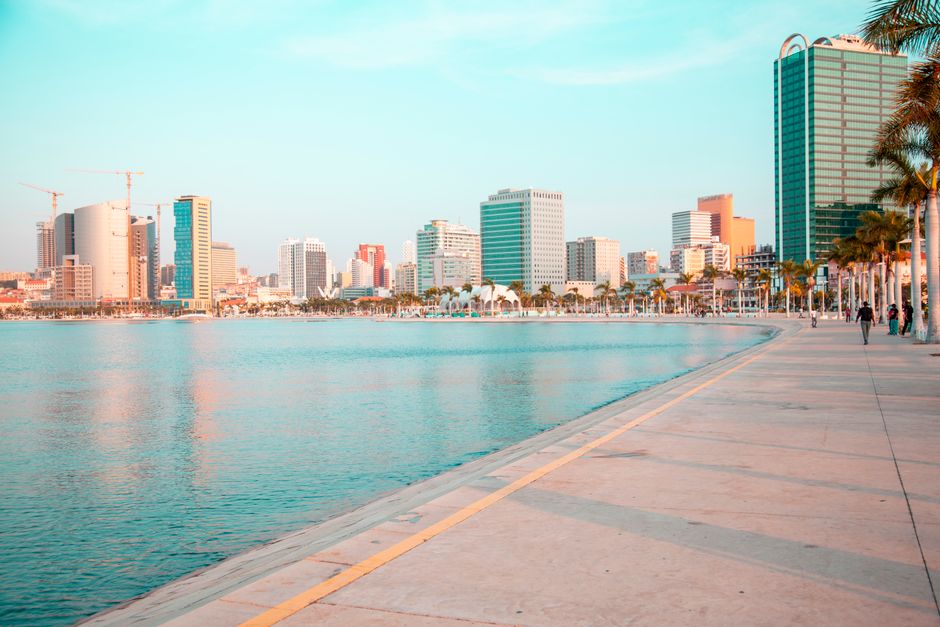
Scenic view of Luanda’s modern skyline along the waterfront promenade in Angola., Uíge, Angola
FAQs: Your Uíge, Angola Questions Answered
1. Is Uíge, Angola safe at night?
Uíge is generally calm. As in any city, exercise common sense: avoid walking alone in poorly lit, unfamiliar areas at night, keep valuables discreet, and use registered taxis for evening transport. The city center is typically safe until late evening.
2. What currency is used and are credit cards accepted?
The Angolan Kwanza (AOA) is the currency. Carry ample cash, as credit cards are rarely accepted outside of the major hotel in town. ATMs are available in the city center, but it’s wise to have cash on hand for markets, transport, and most restaurants.
3. How do I get from the airport to the city center?
Uíge Airport is close to the city. Your best bet is to take a taxi from the rank outside arrivals. The fixed fare is approximately 5,000-7,000 AOA for the 15-minute ride. Pre-booking a transfer isn’t usually necessary. For convenience in other destinations, you can book airport transfers at GetYourGuide.
4. Do I need to speak the local language?
Portuguese is essential. Very little English is spoken. Learning basic Portuguese phrases will transform your experience. A translation app can be helpful for more complex conversations.
5. What’s the appropriate dress code?
Opt for smart-casual and modest clothing. Light, long trousers or skirts and shirts with sleeves are respectful for both the climate and culture. Pack a light jacket for cooler evenings and sturdy shoes for hiking.
Final Thoughts: Uíge, Angola Awaits
Uíge offers a travel experience defined by authenticity and natural beauty, far from the well-trodden tourist circuits. It’s a place where the aroma of coffee hangs in the humid air, where history whispers from ancient ruins and colonial buildings, and where the warmth of its people is as memorable as the lush landscapes. For the savvy traveler seeking to understand the agricultural and cultural heart of Angola, Uíge is an essential destination. Your best final move? Buy a bag of freshly roasted local coffee beans from the market—it’s the perfect aromatic souvenir to take a piece of the highlands home with you.
{“@context”: “https://schema.org”, “@type”: “FAQPage”, “mainEntity”: [{“@type”: “Question”, “name”: “What is the best time to visit Uu00edge?”, “acceptedAnswer”: {“@type”: “Answer”, “text”: “The best time to visit Uu00edge depends on your preferences. Generally, the dry season offers the most pleasant weather for sightseeing and outdoor activities.”}}, {“@type”: “Question”, “name”: “How many days do I need in Uu00edge?”, “acceptedAnswer”: {“@type”: “Answer”, “text”: “Most travelers spend 3-5 days in Uu00edge to see the main attractions. A week allows for a more relaxed pace and day trips.”}}, {“@type”: “Question”, “name”: “Is Uu00edge expensive to visit?”, “acceptedAnswer”: {“@type”: “Answer”, “text”: “Uu00edge can be visited on various budgets. Accommodation ranges from hostels to luxury hotels, and local restaurants offer affordable dining.”}}]}
Related Guides
Explore more destinations similar to Uíge:

