
Moxico, Angola’s Epic Wilderness, Waterways & Authentic Angolan Culture (2026)
Sunrise over the vast, shimmering expanse of the Luena River reveals a world few travelers ever see. The air fills with the calls of fish eagles and the distant hum of a *candongueiro* (shared taxi) heading to market. This is Moxico, Angola’s largest province—a sprawling, sparsely populated frontier of endless savannas, vital rivers, and resilient communities, offering a profound glimpse into a nation rebuilding beyond its cities. For those willing to venture off the Luanda-Lobito corridor, the rewards are immense authenticity and untouched natural beauty.
Why Moxico, Angola Stands Out

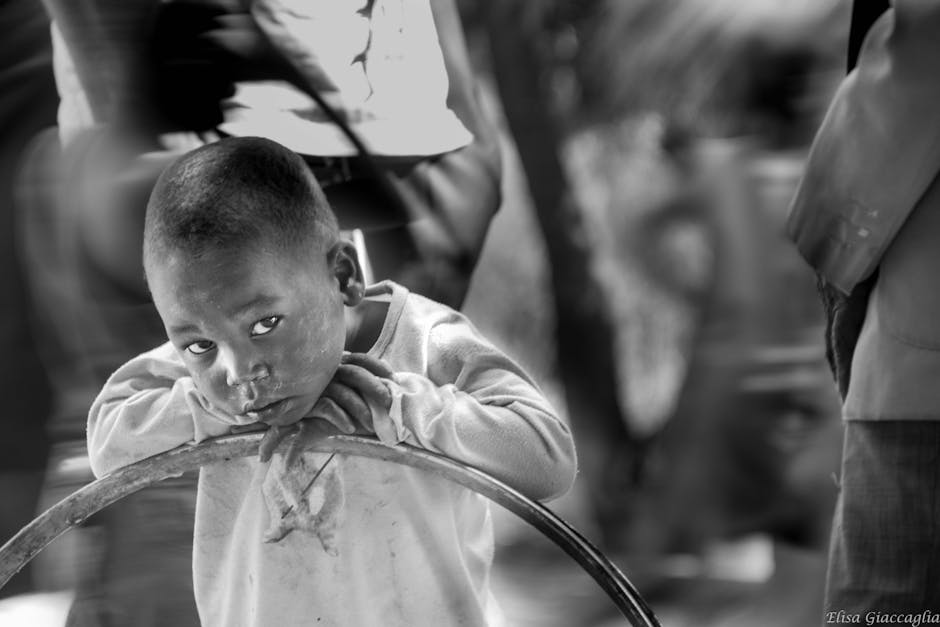
Two siblings in a touching portrait, capturing innocence in Lumeje, Angola., Moxico, Angola
- Historic Architecture: The Luena Cathedral, constructed in the 1960s, stands as a resilient symbol of faith and community in the provincial capital, its simple yet striking facade a landmark of post-colonial Angolan history.
- Cultural Scene: The annual Luena Agricultural Fair, usually held in July, is a vibrant showcase of local Chokwe and Luvale cultures, featuring traditional dance, handicrafts, and the region’s agricultural bounty.
- Local Specialties: You must try *Calulu de Peixe*, a rich, slow-cooked fish stew with dried leaves, okra, and palm oil, best enjoyed with *funge* (cassava porridge).
Pro Tip: Plan your visit for the dry season from May to September. Roads are more passable, mosquito activity is lower, and the weather is pleasantly warm. For the cultural pulse, aim for July to potentially catch the agricultural fair, but confirm dates locally as they can shift.
Map of Moxico, Angola
Use these interactive maps to explore Moxico, Angola and plan your route:
📍 View Moxico, Angola on OpenStreetMap
🗺️ Open Moxico, Angola in Google Maps
Planning Your Trip: Practical Essentials
Getting There and Around
- By Air: The main gateway is Luena Airport (LUO), served by TAAG Angola Airlines with daily flights from Luanda (approx. 1.5 hours). Book flights at Skyscanner for best deals.
- By Train: The Benguela Railway line connects Luena to Huambo and Lobito, but services can be irregular. The journey is scenic but long; always check current schedules. Reserve tickets at Trainline or the national railway website.
- By Car: Driving is for the adventurous. The EN-250 from Saurimo is the main paved route. A 4×4 is essential for exploring beyond Luena. Compare car rentals at RentalCars.com.
- Local Transport: In Luena, *candongueiros* (shared minibuses) are the primary transport. For trips to towns like Lumbala N’guimbo, you’ll need to hire a private driver or use infrequent bush taxis. Negotiate fares upfront.
Best Time to Visit
Timing is crucial in Moxico due to its tropical savanna climate. The dry season offers optimal conditions for travel and wildlife viewing, while the rainy season transforms the landscape but makes many roads impassable.
| Season | Weather | Highlights |
|---|---|---|
| Dry Season (May–Sep) | Warm, sunny days (20-30°C), virtually no rain, cooler nights. | Best for road travel, river visits, and cultural events. Peak wildlife spotting near waterways. Low crowds. |
| Rainy Season (Oct–Apr) | Hot, humid with heavy afternoon showers (25-35°C). | Lush, green landscapes; full rivers. Travel is challenging. Few tourists. A time for immersive local life in town. |
| Shoulder (May/Jun & Sep/Oct) | Transitional; warm with sporadic late/early rains. | Good balance of accessibility and vibrant scenery. A sweet spot before the peak dry heat or after the heaviest rains. |
Budgeting for Moxico, Angola

Delicious homemade Nigerian chin chin with star anise served in a white bow…, Moxico, Angola
| Category | Budget | Mid-range | Luxury |
|---|---|---|---|
| Accommodation | 15,000-25,000 AOA ($30-$50) for basic guesthouses | 40,000-70,000 AOA ($80-$140) for comfortable hotels | 100,000+ AOA ($200+) for top-tier lodges (rare) |
| Meals | 3,000-5,000 AOA ($6-$10) for local eateries | 8,000-15,000 AOA ($16-$30) for restaurant meals | 20,000+ AOA ($40+) for hotel dining |
| Transport | 500 AOA per *candongueiro* ride; shared taxis for longer trips | 15,000-30,000 AOA/day ($30-$60) for a hired car/driver | 50,000+ AOA/day ($100+) for private 4×4 & guide |
| Activities | Free walks, market visits, river views | Guided day trips (10,000-25,000 AOA / $20-$50) | Multi-day guided expeditions to remote areas |
| Daily Total | 25,000-40,000 AOA ($50-$80) | 80,000-150,000 AOA ($160-$300) | 200,000+ AOA ($400+) |
Top Attractions and Must-See Sights
| Attraction | Description | Hours | Entry Fee |
|---|---|---|---|
| Luena River & Marginal | Stroll along the riverbank in Luena for serene views, birdwatching, and a glimpse of local life as people fish and wash. | Daylight hours | Free |
| Moxico Provincial Museum | A small but insightful museum detailing the history, ethnography, and wartime legacy of the province, with Chokwe masks and artifacts. | Mon-Fri, 9 AM – 4 PM (confirm locally) | ~500 AOA ($1) |
| Lumeje Caves (Cavernas do Lumeje) | Ancient caves located near the town of Lumeje, featuring fascinating rock formations and a cool respite from the savanna heat. | Daylight hours; guide recommended | Small community fee (~1,000 AOA) |
| Central Market (Mercado Central) of Luena | The bustling heart of the city, where you can find everything from fresh produce and dried fish to traditional fabrics and handmade crafts. | Daily, 7 AM – 6 PM | Free |
3-Day Itinerary: Moxico, Angola’s Highlights & Hidden Gems
Day 1: Immersion in Luena
- Morning (7-9 AM): Start with a peaceful walk along the **Luena River Marginal**. Watch the morning light on the water and local fishermen in their dugout canoes. Your best bet is to go early to avoid the midday sun.
- Afternoon (12-3 PM): Dive into the sensory overload of **Luena’s Central Market**. Afterwards, have lunch at **Restaurante Palanca**, a local favorite, and order the *Calulu de Peixe* (around 4,500 AOA).
- Evening (6-8 PM): Visit the **Moxico Provincial Museum** before it closes to understand the region’s context. For dinner, head to **Churrascaria Sabor Brasileiro** for well-grilled meats and a lively atmosphere.
Day 2: Culture & Community
- Morning (8 AM): Hire a local driver (approx. 20,000 AOA for half-day) to visit the **Lumeje Caves**, about an hour from Luena. The journey itself through the savanna is a highlight. Explore the caves with a local guide from the community.
- Afternoon (1 PM): Return to Luena for a late lunch at a *quimbote* (street food stall) near the market, trying *ginguba* (peanut) stew with rice. Then, seek out local artisans selling **Chokwe masks and wood carvings**—these are authentic pieces of living culture.
- Evening (7 PM): Enjoy a relaxed dinner at your hotel or at **Pizza House Luena** for a surprising change of pace. Afterwards, take a casual evening drive to see the city’s modest but active nightlife around Avenida 4 de Fevereiro.
Day 3: River Life & Reflection
- Morning (7 AM): Arrange a short boat trip on the Luena River (negotiate with fishermen, ~5,000 AOA per person). This is your chance for birdwatching and seeing riverine villages from the water.
- Afternoon (12 PM): Have a final feast at **Restaurante Miradouro**, enjoying their grilled chicken and views. Spend your last hours shopping for unique souvenirs like **capulana** fabrics at the market.
- Evening (5 PM): Find a quiet spot by the river for sunset—a perfect moment of reflection on your journey. For your farewell dinner, return to a dish you loved, perhaps the *funge* and stew at a simple local *lanchonete*.
Cultural Insights & Etiquette
- Language: Portuguese is official. Learning basic greetings like “Bom dia” (Good morning) and “Obrigado/a” (Thank you) is appreciated. In villages, Chokwe and Luvale languages are predominant.
- Customs: Greetings are important. Always greet people before asking for directions or taking photos. Asking permission to photograph individuals is a must. Respect for elders is paramount.
- Tipping: Not universally expected but greatly appreciated. In restaurants, 5-10% is generous if service isn’t included. For guides and drivers, a tip of 2,000-5,000 AOA is a kind gesture.
- Dress Code: Modest, casual clothing is suitable. Avoid very short shorts or revealing tops, especially when visiting rural communities or religious sites.
- Business Hours: Shops generally open 8 AM – 6 PM, often closing for a long lunch (12-2 PM). Government offices keep shorter hours (8 AM – 3 PM). Sunday is a day of rest for most.
Where to Eat: Moxico, Angola’s Best Bites
Dining in Moxico is about hearty, flavorful Angolan staples. You’ll find exceptional local tavernas serving generous portions. The focus is on fresh fish from the rivers, chicken, goat, and robust stews accompanied by staples like funge, rice, and beans.
Must-Try Local Specialties
- Calulu de Peixe: The regional signature. Dried fish, fresh tomatoes, onions, okra, and *ginguba* (ground peanuts) create a complex, savory stew. Try it at family-run spots near the market.
- Mufete de Cação: A feast of grilled catfish served with beans, sweet potato, plantain, and *pirão* (a thicker, gravy-like porridge). Best enjoyed at weekend gatherings.
- Chikuanga: A dense, fermented cassava bread wrapped in leaves, often eaten as a travel food or with sauces. Find it at market stalls for an authentic taste.
Restaurant Recommendations by Budget
| Type | Restaurant | Specialty | Price Range |
|---|---|---|---|
| Budget | Lanchonete Popular (Market Area) | Daily stews, grilled chicken, and funge | 2,500 – 4,500 AOA |
| Mid-range | Restaurante Palanca (City Center) | Fresh river fish dishes and Calulu | 4,000 – 8,000 AOA |
| Fine dining | Hotel Lwati Restaurant (in Hotel Lwati) | International & Angolan fusion in a formal setting | 10,000 – 20,000 AOA |
Where to Stay
Accommodation in Moxico is functional rather than luxurious, with the best options found in Luena. Savvy visitors know to book ahead, especially during government or festival periods. Compare prices and book at Booking.com or Airbnb for apartments.
Best Neighborhoods for Accommodation
- City Center (Centro): Close to restaurants, the market, and main services. Convenient but can be noisy. Ideal for first-time visitors. (Hotels: Hotel Lwati, Hotel Chik).
- Near the Airport/Luena’s Outskirts: Quieter, with newer developments. Requires transport to get to the center. Good for those with a hired vehicle. (Hotel Mil Cidades).
- Local Guesthouses: For the truly immersive, small family-run guesthouses offer a direct connection to local life. Arrange through local contacts; amenities are basic.

Aerial view of Lubango city with a prominent church in Huíla, Moxico, Angola
FAQs: Your Moxico, Angola Questions Answered
1. Is Moxico, Angola safe at night?
Luena is generally calm. As in any unfamiliar place, exercise common sense: avoid walking alone in poorly lit areas at night, keep valuables discreet, and use registered taxis after dark. Petty crime exists, but violent crime against tourists is rare. In rural areas, communities are typically very welcoming.
2. What currency is used and are credit cards accepted?
The Angolan Kwanza (AOA) is the currency. Carry ample cash, as credit cards are rarely accepted outside major hotels in Luena. ATMs are available in the city center but can be unreliable. Bring USD or EUR to exchange at Banco de Fomento Angola (BFA) or Banco BAI.
3. How do I get from the airport to the city center?
Luena Airport is close to the city. Your best bet is to pre-arrange a pickup with your hotel (often free or low-cost). Otherwise, taxis are available outside arrivals; negotiate the fare (approx. 3,000-5,000 AOA) before getting in. Book airport transfers at GetYourGuide for convenience.
4. Do I need to speak the local language?
You can manage with Portuguese. English is not widely spoken. Learning a few key phrases will greatly enhance your experience. Locals appreciate the effort. In villages, a smile and gestures go a long way, but a local guide is invaluable.
5. What’s the appropriate dress code?
Lightweight, breathable cotton clothing is ideal. Pack long sleeves and trousers for evenings (
Related Guides
Explore more destinations similar to Moxico:
- Katsina, Nigeria’s Stunning History, Handcrafts & The Heart of Hausaland (2026)
- Navotas, Philippines’s Essential Seafood, Sunsets & Saltwater Spirit (2026)
- Kluane National Park, Canada’s Ultimate Icefields, Grizzlies & Northern Lights (2026)
- Cork, Ireland’s Essential Markets, Music & Maritime Magic (2026)
{“@context”: “https://schema.org”, “@type”: “FAQPage”, “mainEntity”: [{“@type”: “Question”, “name”: “What is the best time to visit Moxico?”, “acceptedAnswer”: {“@type”: “Answer”, “text”: “The best time to visit Moxico depends on your preferences. Generally, the dry season offers the most pleasant weather for sightseeing and outdoor activities.”}}, {“@type”: “Question”, “name”: “How many days do I need in Moxico?”, “acceptedAnswer”: {“@type”: “Answer”, “text”: “Most travelers spend 3-5 days in Moxico to see the main attractions. A week allows for a more relaxed pace and day trips.”}}, {“@type”: “Question”, “name”: “Is Moxico expensive to visit?”, “acceptedAnswer”: {“@type”: “Answer”, “text”: “Moxico can be visited on various budgets. Accommodation ranges from hostels to luxury hotels, and local restaurants offer affordable dining.”}}]}

