
Bulacan, Philippines’s Epic History, Heritage & Hearty Flavors (2026)
While crowds flock to the beaches of Boracay or the chaos of Manila, Bulacan delivers a profound sense of Philippine history and culture just 35 kilometers north of the capital. This province was the cradle of the 1896 Philippine Revolution, and its landscape is dotted with centuries-old churches, ancestral homes, and revolutionary markers that most tourists speed past on the highway. Here, you can trace the nation’s fight for independence, savor culinary traditions that date back to Spanish rule, and experience festivals where history is passionately reenacted, not just remembered.
Why Bulacan, Philippines Stands Out

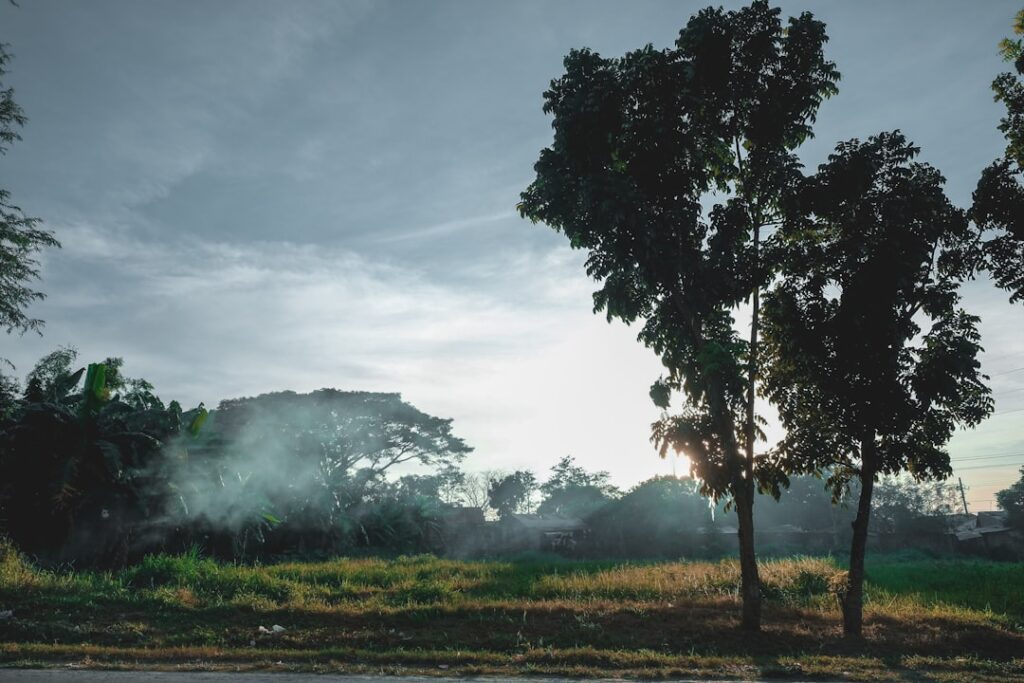
A cat sits still on a dirt path., Bulacan, Philippines
- Historic Architecture: The Barasoain Church in Malolos, built in 1888, is the “Cradle of Democracy” where the First Philippine Republic was inaugurated in 1899.
- Cultural Scene: The Singkaban Festival every September transforms the province into a vibrant gallery of bamboo art, celebrating Bulacan’s title as the “Philippines’ Bamboo Capital.”
- Local Specialties: You must try the authentic, labor-intensive ensaymada de Malolos—a buttery, cheese-topped brioche that’s a legacy of Spanish-era baking.
Pro Tip: Visit during the dry season from November to April, but specifically aim for a Friday. This allows you to explore the historic sites in relative peace and be in Malolos for the weekend pasyal (evening stroll) around the plaza, where the city’s vibrant local life is on full display.
Map of Bulacan, Philippines
Use these interactive maps to explore Bulacan, Philippines and plan your route:
📍 View Bulacan, Philippines on OpenStreetMap
🗺️ Open Bulacan, Philippines in Google Maps
Planning Your Trip: Practical Essentials
Getting There and Around
- By Air: Fly into Ninoy Aquino International Airport (MNL) in Manila. From there, take a taxi or ride-share (Grab) directly to Bulacan (1-2 hours depending on traffic). Book flights at Skyscanner for best deals.
- By Train: The PNR Northrail commuter line has limited service; your best bet is the bus. For inter-province travel within Luzon, check the Philippine National Railways website. Reserve tickets at Trainline or the national railway website.
- By Car: The North Luzon Expressway (NLEX) provides direct access. Driving offers flexibility to visit scattered historical sites. Parking is generally easy in town centers. Compare car rentals at RentalCars.com.
- Local Transport: Use jeepneys and tricycles for short trips within towns (PHP 10-50). For longer trips between municipalities like Malolos and Baliuag, air-conditioned buses and UV Express vans are frequent and affordable (PHP 30-100).
Best Time to Visit
Bulacan has a tropical climate with a distinct dry season (November-April) and wet season (May-October). The ideal time is the cool, dry period from November to February. Avoid the peak of the rainy season in August, as flooding can occur in low-lying areas.
| Season | Weather | Highlights |
|---|---|---|
| Dry (Nov–Apr) | Warm and sunny, 24-32°C, low humidity | Perfect for historical tours and festivals like Holy Week processions; peak local travel season. |
| Wet (May–Oct) | Hot, humid, with frequent heavy rain, 25-34°C | Lush green landscapes, fewer tourists, but some outdoor activities may be disrupted. |
| Shoulder (Nov/Dec, Apr) | Pleasant, transitioning weather | Great balance of good weather and manageable crowds, ideal for food crawls and market visits. |
Budgeting for Bulacan, Philippines
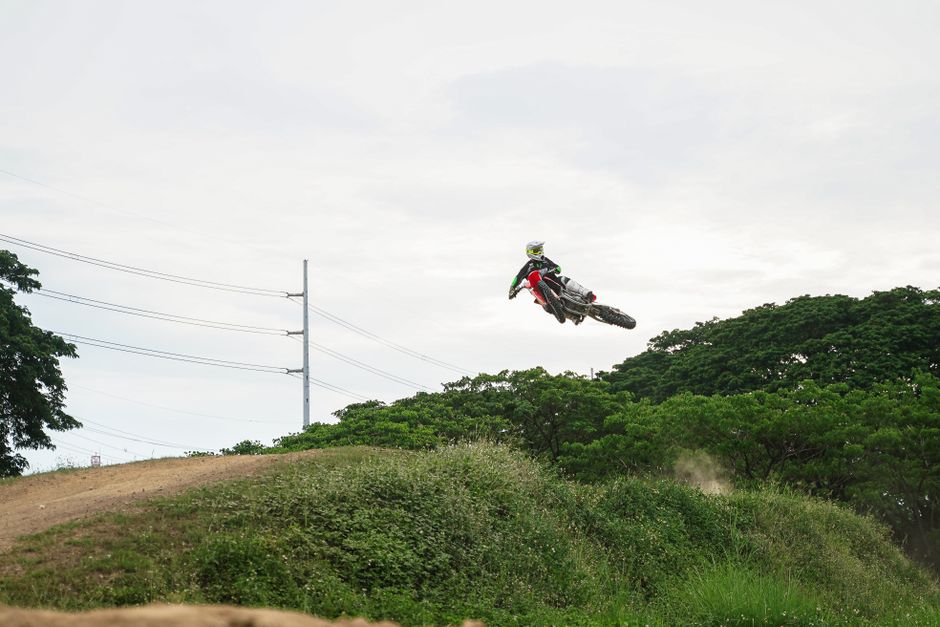
Exciting dirt bike jump captured in the lush landscapes of Bulakan, Philippines, Bulacan, Philippines
| Category | Budget | Mid-range | Luxury |
|---|---|---|---|
| Accommodation | PHP 800-1,500/night (pension houses, basic hotels) | PHP 2,000-4,000/night (boutique hotels, nicer resorts) | PHP 5,000+/night (premium resorts with pools, full service) |
| Meals | PHP 150-300/meal (carinderias, street food) | PHP 300-700/meal (sit-down restaurants, cafes) | PHP 1,000+/meal (fine dining in resort hotels) |
| Transport | PHP 200/day (jeepneys, tricycles) | PHP 800-1,500/day (rental car, Grab taxis) | PHP 2,500+/day (private van with driver) |
| Activities | PHP 0-300 (church visits, plaza walks) | PHP 500-1,000 (museum fees, guided tours) | PHP 1,500+ (private heritage tours, craft workshops) |
| Daily Total | PHP 1,150 – 2,300 | PHP 3,600 – 7,200 | PHP 10,000+ |
Top Attractions and Must-See Sights
| Attraction | Description | Hours | Entry Fee |
|---|---|---|---|
| Barasoain Church & Museum | The most important historical site, where the Malolos Congress convened and the First Philippine Republic was born. | 8:00 AM – 5:00 PM Daily | Church: Free; Museum: PHP 20 |
| Museo ng Republika ng 1899 (Casa Real) | Housed in the old provincial capitol, this museum details the revolutionary period with excellent exhibits. | 8:00 AM – 4:00 PM (Tue-Sun) | PHP 30 |
| Biak-na-Bato National Park | A sprawling eco-historical park featuring caves used as a hideout and headquarters by revolutionary forces in 1897. | 8:00 AM – 4:00 PM Daily | PHP 50 |
| Marcelo H. del Pilar Shrine | Ancestral home of the great propagandist and revolutionary writer, offering insight into ilustrado life. | 8:00 AM – 4:00 PM (Tue-Sun) | PHP 20 |
3-Day Itinerary: Bulacan, Philippines’s Highlights & Hidden Gems
Day 1: The Heart of the Revolution in Malolos
- Morning (7-9 AM): Start at the Malolos Cathedral (Basilica Minore of Our Lady of Immaculate Conception) to appreciate its Baroque architecture and role as the revolutionary government’s palace. Your best bet is to arrive early to avoid the heat.
- Afternoon (12-3 PM): Walk to the Barasoain Church complex. Tour the church and the adjacent museum for at least 90 minutes. For lunch, head to D’Cream along Paseo del Congreso for a hearty bulalo (beef marrow stew) and their famous halo-halo.
- Evening (6-8 PM): Enjoy the local pasyal around the Plaza Rizal. Cap the night with dinner at Kusina Selera for classic Filipino dishes in a cozy, ancestral-house setting.
Day 2: Crafts, Caves & Countryside
- Morning (7 AM): Take a tricycle (PHP 150) to the Barangay Tibaguin in Santa Maria to see local pastillas (milk candy) makers. You can often try a free sample and see the delicate pabalat (wrapping art).
- Afternoon (12 PM): Hire a car or van for the 1-hour trip to Biak-na-Bato National Park in San Miguel (Park entry: PHP 50, Guide: PHP 300). Explore the historical caves like Aguinaldo’s Cave. Have a packed lunch or eat at simple stalls near the park entrance.
- Evening (6 PM): Return to Malolos or stay in San Miguel. For a unique experience, have dinner at Punzalan Restaurant in San Miguel, known for its local dishes like inihaw na tilapia (grilled tilapia).
Day 3: Ancestral Heritage & Artisanal Flavors
- Morning (8 AM): Take a jeepney to Bulacan, Bulacan (the capital town) to visit the Marcelo H. del Pilar Shrine (PHP 20). Then, see the beautiful St. James the Apostle Parish (Ang Simbahan ng Barasoain ng Bulakan).
- Afternoon (1 PM): Travel to Guiguinto to visit nurseries and gardens, as it’s known as the “Cutflower Capital.” For lunch, stop at Lety’s Buko Pie along the highway for their signature pie and savory meals.
- Evening (5 PM): Head back to Malolos for your final mission: buying ensaymada. Go to Ensaymada de Malolos – Original or Dolor’s before they sell out. Enjoy your buttery prize with a cup of coffee at a local cafe like Cafe Tiano to reflect on your journey.
Cultural Insights & Etiquette
- Language: Filipino (Tagalog) is widely spoken. English is commonly understood. Useful phrases: “Magkano po?” (How much?), “Salamat po” (Thank you). Using “po” shows respect.
- Customs: Respect for elders is paramount. Use the “mano po” gesture (taking an elder’s hand to your forehead) when greeting. Always greet shopkeepers when entering small stores.
- Tipping: Not mandatory but appreciated. A 5-10% tip in restaurants is fine if no service charge is added. Tip tour guides (PHP 100-200) and drivers.
- Dress Code: Modest dress is expected when entering churches—cover shoulders and knees. Light, breathable clothing is best for the climate.
- Business Hours: Most shops open 9:00 AM – 7:00 PM. Malls open later. Government museums are often closed on Mondays. Major holidays like Holy Week and town fiestas can mean closures.
Where to Eat: Bulacan, Philippines’s Best Bites
Bulacan’s cuisine is a point of pride, heavily influenced by its agricultural bounty and Spanish colonial past. Meals are often hearty, sweet, and celebratory. Don’t just eat—seek out the stories behind the food, like the ensaymada born from convent kitchens or the pastillas wrapped in intricate lace-like paper.
Must-Try Local Specialties
- Ensaymada de Malolos: This is not your ordinary brioche. It’s richer, denser, and topped with generous amounts of butter, sugar, and queso de bola (Edam cheese). Get it from the original bakers in Malolos like the ones along Calle Enseymada.
- Pastillas de Leche: Sweet milk candies, traditionally made from carabao’s milk. The best are from San Miguel and Santa Maria, often hand-wrapped in beautifully cut Japanese paper (pabalat).
- Chicharon Bulaklak: Crispy, flower-shaped fried pork intestines, a beloved beer match (pulutan). Try it at local inihaw (grill) stalls or restaurants like Mister BBQ in Malolos.
Restaurant Recommendations by Budget
| Type | Restaurant | Specialty | Price Range |
|---|---|---|---|
| Budget | D’Cream (Malolos) | Halo-halo, Bulalo, classic Filipino comfort food | PHP 150-300 per person |
| Mid-range | Cafe Tiano (Malolos) | Fusion Filipino-Spanish in a heritage house, great callos | PHP 300-700 per person |
| Fine dining | Antonio’s Grill at Ciudad de Victoria (Bocaue) | Upscale Filipino and international cuisine near the Philippine Arena | PHP 800+ per person |
Where to Stay
Accommodations range from simple pension houses to modern hotels and a few boutique heritage stays. Malolos City is the most convenient base for history buffs, while resorts near Angat or San Miguel offer a more relaxed, countryside vibe. Compare prices and book at Booking.com or Airbnb for apartments.
Best Neighborhoods for Accommodation
- Malolos City Center: Walking distance to major historical sites, restaurants, and the plaza. You’ll hear the buzz of local life. Best for first-time visitors and history enthusiasts.
- Baliuag: A bustling commercial town with good hotel options, known for its jewelry shops and as a transport hub. Suits travelers looking for modern conveniences.
- San Miguel / Angat Area: Offers countryside resorts, cooler air, and proximity to Biak-na-Bato and nature. Ideal for families or those seeking relaxation after day trips.
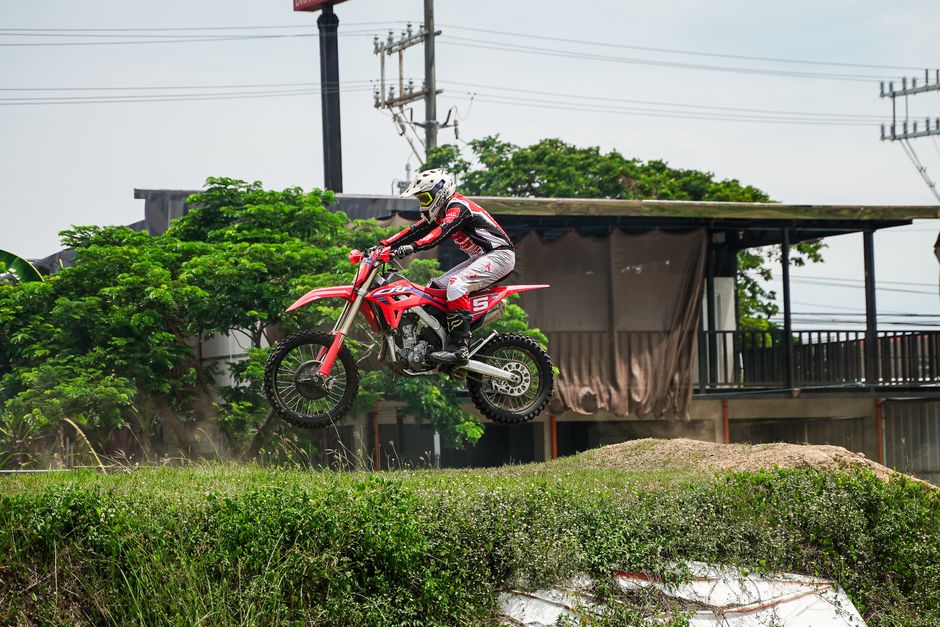
Motocross racer performing a daring jump on a dirt track in Bulakan, Bulacan, Philippines
FAQs: Your Bulacan, Philippines Questions Answered
1. Is Bulacan, Philippines safe at night?
Generally, yes, especially in town centers like Malolos Plaza. As with any destination, exercise common sense: stick to well-lit areas, be aware of your belongings, and avoid isolated places late at night. Tricycles are a safe and cheap way to get around after dark.
2. What currency is used and are credit cards accepted?
The Philippine Peso (PHP) is the currency. Carry cash, especially for markets, street food, tricycle fares, and small bakeries. Credit cards are accepted in malls, larger restaurants, and hotels. ATMs are widely available in town centers.
3. How do I get from the airport to Bulacan?
From NAIA Airport, the most convenient option is to book a Grab taxi or hire a regular taxi for the
{“@context”: “https://schema.org”, “@type”: “FAQPage”, “mainEntity”: [{“@type”: “Question”, “name”: “What is the best time to visit Bulacan?”, “acceptedAnswer”: {“@type”: “Answer”, “text”: “The best time to visit Bulacan depends on your preferences. Generally, the dry season offers the most pleasant weather for sightseeing and outdoor activities.”}}, {“@type”: “Question”, “name”: “How many days do I need in Bulacan?”, “acceptedAnswer”: {“@type”: “Answer”, “text”: “Most travelers spend 3-5 days in Bulacan to see the main attractions. A week allows for a more relaxed pace and day trips.”}}, {“@type”: “Question”, “name”: “Is Bulacan expensive to visit?”, “acceptedAnswer”: {“@type”: “Answer”, “text”: “Bulacan can be visited on various budgets. Accommodation ranges from hostels to luxury hotels, and local restaurants offer affordable dining.”}}]}
Related Guides
Explore more destinations similar to Bulacan:
- Gongju, South Korea: Essential Ancient Capitals, Royal Tombs & Riverside Serenity (2025)
- Kashmar, Iran’s Essential Saffron, Sufi Shrines & Ancient Gardens (2026)
- Amazing Aitutaki Secrets You Will Love to Discover (2025)
- Ivano-Frankivsk, Ukraine: Epic Hutsul Heritage, Art Nouveau Gems & Carpathian Gateways (2025)

