
Maras, Peru’s Hidden Salt Pans, Inca Terraces & Colonial Charm (2026)
While crowds flock to Machu Picchu, Maras, Peru delivers an authentic, layered look at Andean life without the overwhelming queues. Just 40 kilometers northwest of Cusco, this small town sits at a dramatic 3,300 meters above sea level, cradled by a valley that holds two of the Sacred Valley’s most visually arresting sites. Here, savvy travelers choose differently, swapping the well-trodden path for a landscape where pre-Hispanic engineering and colonial history are etched into the very earth.
Why Maras, Peru Stands Out

Aerial photography of rice field, Maras, Peru
- Historic Architecture: The 17th-century San Francisco de Asís Church, with its ornate mestizo-style baroque façade, stands as a testament to the town’s colonial wealth from the salt trade.
- Cultural Scene: The annual Fiesta de la Virgen del Rosario in October transforms the town with vibrant processions, traditional dances, and communal feasts rooted in centuries-old traditions.
- Local Specialties: Travelers must try *cuy chactado* (flattened, fried guinea pig), a ceremonial Andean dish best enjoyed with locally grown, purple *chicha* corn.
Pro Tip: Arrive at the Maras Salt Mines (Salineras) by 7:30 AM. You’ll beat the tour buses from Cusco and witness the stunning interplay of sunrise light on the thousands of white evaporation pools, all in peaceful solitude. The shoulder seasons of April-May and September-October offer the clearest skies and mildest temperatures for exploring.
Map of Maras, Peru
Use these interactive maps to explore Maras, Peru and plan your route:
📍 View Maras, Peru on OpenStreetMap
🗺️ Open Maras, Peru in Google Maps
Planning Your Trip: Practical Essentials
Getting There and Around
- By Air: All international flights arrive at Alejandro Velasco Astete International Airport (CUZ) in Cusco. From there, it’s a 90-minute drive. Book flights at Skyscanner for best deals.
- By Train: There is no direct train to Maras. The scenic train to Machu Picchu departs from nearby Ollantaytambo or Poroy. For regional rail travel in Peru, check schedules at Trainline or the national railway website.
- By Car: The drive from Cusco via the Chinchero road offers spectacular views. Rental cars with insurance are recommended for flexibility. Compare car rentals at RentalCars.com.
- Local Transport: *Colectivos* (shared vans) to Maras depart from Cusco’s Pavitos Street for about 10-15 PEN per person. In town, everything is walkable, but taxis or *mototaxis* are needed for the salt mines and Moray.
Best Time to Visit
The dry season (May-September) is ideal for clear skies and hiking, but nights are cold. The wet season (November-March) brings lush greenery but frequent afternoon showers. Shoulder months offer a perfect balance.
| Season | Weather | Highlights |
|---|---|---|
| Dry Season (May–Sep) | Sunny days, cold nights (5°C-20°C), minimal rain | Ideal for photography at the salt mines, crowded with tourists in peak July-August |
| Wet Season (Nov–Mar) | Warm afternoons, frequent rain (10°C-22°C), lush scenery | Fewer crowds, vibrant green landscapes, but trails can be muddy |
| Shoulder (Apr & Oct) | Mild temperatures, sporadic showers (8°C-21°C) | Best balance of good weather, manageable crowds, and lower prices |
Budgeting for Maras, Peru

Landscaped photography of white and brown field, Maras, Peru
| Category | Budget | Mid-range | Luxury |
|---|---|---|---|
| Accommodation | Hostel: 40-80 PEN/night | Local Guesthouse: 150-250 PEN/night | Boutique Hacienda: 600+ PEN/night |
| Meals | Market & Local Eateries: 15-30 PEN | Restaurant Meal: 35-60 PEN | Fine Dining Experience: 100+ PEN |
| Transport | *Colectivos* & Walking: 10-20 PEN/day | Private Taxi for Sites: 80-120 PEN/day | Private Driver/Guide: 250+ PEN/day |
| Activities | Salt Mines Entry: 10 PEN | Guided Tour from Cusco: 80-150 PEN | Private Cultural & Culinary Tour: 300+ PEN |
| Daily Total | 65-140 PEN | 345-580 PEN | 1250+ PEN |
Top Attractions and Must-See Sights
| Attraction | Description | Hours | Entry Fee |
|---|---|---|---|
| Salineras de Maras (Salt Mines) | A breathtaking cascade of over 3,000 pre-Inca salt pans terraced into a mountainside, still harvested by local families. | 7:00 AM – 5:00 PM | 10 PEN |
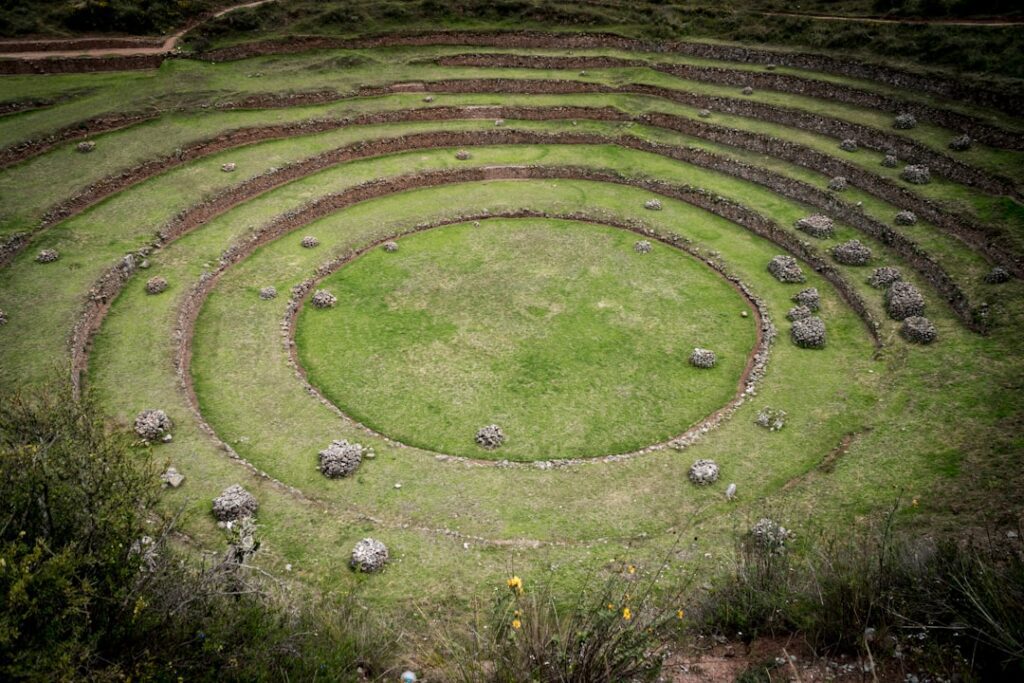
| Moray Archaeological Site | Enigmatic Inca circular terraces believed to be an agricultural laboratory for experimenting with crops at different altitudes. | 7:00 AM – 5:00 PM | 70 PEN (Boleto Turístico Partial) |
| Colonial Town Center | Wander cobblestone streets past adobe homes with ornate wooden balconies and the iconic San Francisco de Asís Church. | Always open | Free |
| Viewpoint (Mirador) of the Salt Mines | The panoramic postcard view of the entire salt pan complex from above, perfect for sunrise or sunset photography. | Always open | Free |
3-Day Itinerary: Maras, Peru’s Highlights & Hidden Gems
Day 1: Salt & Colonial History
- Morning (7:00 AM): Arrive at Salineras de Maras. Walk along the edges of the pans, watch the *salineros* (salt harvesters), and buy pure pink salt from a local vendor. Your best bet is to hire a *mototaxi* from town for about 15 PEN each way.
- Afternoon (12:30 PM): Explore the tranquil colonial center. Have lunch at Restaurant La Plaza, trying the *trucha* (fresh river trout) with a *chicha morada* drink. Visit the church and its small museum.
- Evening (6:00 PM): Enjoy the golden hour from the Mirador. For dinner, head to Kusikuy for a hearty *lomo saltado* (stir-fried beef).
Day 2: Inca Engineering & Local Life
- Morning (8:00 AM): Take a taxi to Moray (approx. 40 PEN roundtrip from Maras). Marvel at the concentric terraces and learn how the Incas created microclimates. Entry requires the partial Boleto Turístico (70 PEN).
- Afternoon (1:00 PM): Return to Maras for lunch at a local *picantería* like Doña Juana, known for its *adobo marqueño* (pork stew). Then, visit a local weaver’s cooperative to see traditional backstrap loom techniques.
- Evening (5:30 PM): Take a short hike to the pre-Inca burial sites (*chullpas*) on the surrounding hills for a quiet sunset with valley views.
Day 3: Scenic Exploration & Culinary Immersion
- Morning (8:00 AM): Hire a driver for a half-day trip to the nearby community of Pichingoto, where you can see ancient cave dwellings and a historic bridge (approx. 120 PEN).
- Afternoon (12:00 PM): Participate in a cooking class in a local home to master dishes like *rocoto relleno* (stuffed spicy pepper). This is often arranged through guesthouses.
- Evening (6:00 PM): Your final dinner should be the adventurous *cuy chactado* at a family-run spot like El Tambo de Maras. It’s a celebratory Andean farewell.
Cultural Insights & Etiquette
- Language: Spanish and Quechua are spoken. Learn basics: “Allillanchu” (Hello in Quechua), “Sulpayki” (Thank you).
- Customs: Always ask permission before photographing people, especially salt harvesters and weavers. A small purchase or tip is appreciated.
- Tipping: 10% is standard in restaurants if service isn’t included. For guides, 15-20 PEN is customary for a half-day.
- Dress Code: Dress in layers for changing weather. Modest dress is respectful when visiting churches.
- Business Hours: Shops open 9 AM-6 PM, often closing for a long lunch (1-3 PM). Many businesses are closed on Sundays.
Where to Eat: Maras, Peru’s Best Bites
Dining in Maras is about authentic, hearty Andean cuisine. You won’t find flashy international menus, but you will discover profound flavors from the earth and traditions passed down for generations.
Must-Try Local Specialties
- Cuy Chactado: A whole guinea pig, flattened and fried until incredibly crispy, often served with potatoes and corn. Try it at family-run eateries for the most authentic experience.
- Chicharrón con Mote: Deep-fried pork served with large-kernel hominy corn. A classic, filling breakfast or lunch found at the local market.
- Queso con Miel: Local fresh cheese drizzled with honey from the valley—a simple, perfect dessert or snack.
Restaurant Recommendations by Budget
| Type | Restaurant | Specialty | Price Range |
|---|---|---|---|
| Budget | Market Stalls (Central Plaza) | Fresh fruit, empanadas, and hearty stews | 5-15 PEN |
| Mid-range | Restaurant La Plaza (Main Square) | Traditional Peruvian plates with trout and alpaca | 25-45 PEN |
| Fine dining | El Tambo de Maras (Town edge) | Elevated Andean cuisine in a rustic-chic setting | 50-80 PEN |
Where to Stay
Accommodation ranges from basic hostels to stunning converted haciendas. Staying in Maras itself offers peace and immersion, while many choose Cusco as a base for day trips. Compare prices and book at Booking.com or Airbnb for apartments.
Best Neighborhoods for Accommodation
- Central Maras: The heart of town, steps from the plaza and church. Perfect for walkability and local atmosphere, though options are simpler. Best for budget travelers and cultural immersion.
- Outskirts & Valley Views: Several boutique hotels and lodges are situated on the hillsides. You’ll enjoy stunning vistas, tranquility, and more amenities, but will need transport to reach the center.
- Cusco (as a base): Not a neighborhood in Maras, but a practical alternative. Offers infinite accommodation choices, nightlife, and dining, but requires a 90-minute commute for each visit.

Landscape photography of mountain under white clouds and blue sky, Maras, Peru
FAQs: Your Maras, Peru Questions Answered
1. Is Maras, Peru safe at night?
Maras is generally very safe. The town is small and quiet. As always, exercise standard precautions: stick to well-lit areas, don’t flash valuables, and be aware of your surroundings. The main risk at night is the cold and uneven cobblestone streets, so a good flashlight is handy.
2. What currency is used and are credit cards accepted?
The Peruvian Sol (PEN) is the currency. Carry plenty of cash, especially small bills. Very few places in Maras accept credit cards—even some guesthouses and most restaurants, taxis, and entry fees are cash-only. There is no ATM in Maras; the nearest are in Urubamba or Cusco.
3. How do I get from the airport to Maras?
From Cusco Airport (CUZ), take a taxi to the center of Cusco (15 PEN), then catch a *colectivo* to Maras from Pavitos Street (10-15 PEN). For direct, hassle-free service, you can pre-book a private transfer. Book airport transfers at GetYourGuide for convenience.
4. Do I need to speak the local language?
Basic Spanish is extremely helpful, as English is not widely spoken outside of some tour guides. In markets and with older residents, you may encounter Quechua. Learning a few phrases in both languages (like “hello” and “thank you”) will be greatly appreciated and enrich your interactions.
5. What’s the appropriate dress code?
Dress for variable mountain weather: layers are essential. Include a warm fleece, waterproof jacket, hat, and sturdy walking shoes. For visiting churches, avoid shorts and sleeveless tops. A sun hat and high-altitude sunscreen are non-negotiable for daytime exploration.
Final Thoughts: Maras, Peru Awaits
Maras offers a profound counterpoint to Peru’s more famous destinations. Here, you won’t just see history—you’ll witness it in action, from the salt harvested by hand using millennia-old methods to the living colonial architecture. It’s a place for travelers who want to understand the rhythm of the Andes, not just pass through it. Your best souvenir won’t be a trinket, but the memory of that first morning light hitting the salt pans, turning the valley into a mosaic of white and earth. To truly connect with this landscape, plan to spend at least one night; that’s when the day-trippers leave, and the authentic, star-filled silence of the Sacred Valley returns. Don’t just visit Peru—experience its enduring heart in Maras.
Related Guides
Explore more destinations similar to Maras:

