
Kobe, Japan’s Best Beef, Ports & Mountain Vistas (2026)
While crowds flock to the neon canyons of Tokyo and the temples of Kyoto, Kobe delivers a sophisticated, cosmopolitan charm without the overwhelming crush. Here, you can savor legendary marbled beef where it was perfected, stroll through a historic foreign settlement that feels like a European film set, and be sipping sake on a mountain overlooking a million-dollar nightscape just 30 minutes after leaving the city center. This is Japan’s elegant port city, where East meets West with delicious and scenic results.
Why Kobe, Japan Stands Out

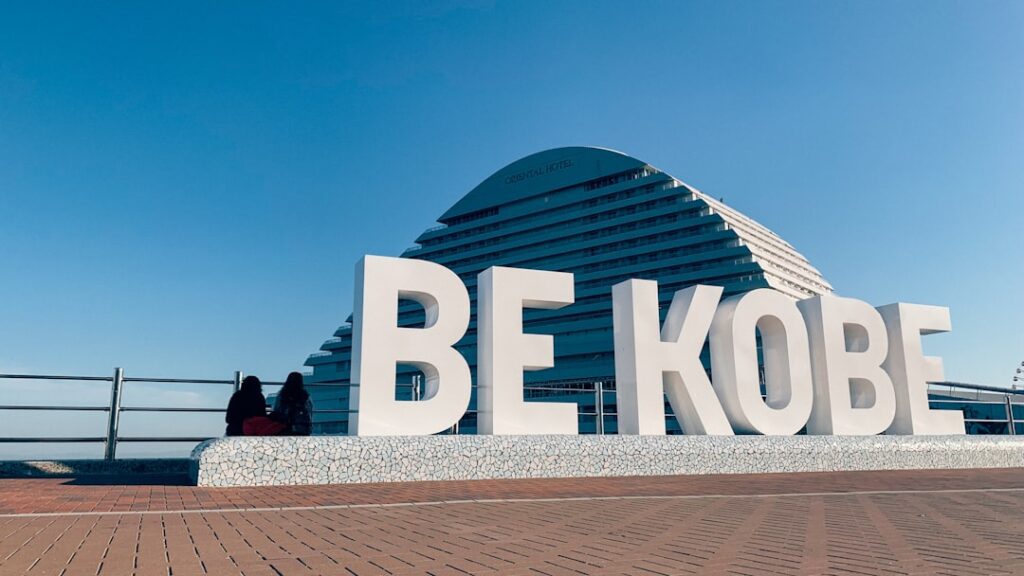
A large sign that says be kobe in front of a building, Kobe, Japan
- Historic Architecture: The Kitano Ijinkan district, with its preserved Western-style merchant homes from the late 1800s, offers a unique glimpse into Japan’s Meiji-era international trade history.
- Cultural Scene: The annual Kobe Luminarie in December transforms the city center into a breathtaking cathedral of light, commemorating the 1995 earthquake and celebrating the city’s rebirth.
- Local Specialties: You must try authentic Kobe beef, a delicacy from Tajima-gyu cattle raised under strict standards, known for its intense marbling and melt-in-your-mouth texture.
Pro Tip: For the best experience with minimal crowds, visit on a weekday in late October or early November. The summer humidity has passed, the autumn leaves on Mount Rokko are stunning, and you’ll avoid the domestic travel rushes of Golden Week and Obon.
Map of Kobe, Japan
Use these interactive maps to explore Kobe, Japan and plan your route:
📍 View Kobe, Japan on OpenStreetMap
🗺️ Open Kobe, Japan in Google Maps
Planning Your Trip: Practical Essentials
Getting There and Around
- By Air: Kobe Airport (UKB) handles domestic flights. Most international travelers fly into Kansai International Airport (KIX) or Osaka’s Itami Airport (ITM). From KIX, the fastest route is the high-speed ferry to Kobe Port (30 mins, ¥1,850). Book flights at Skyscanner for best deals.
- By Train: Kobe is a major stop on the Tokaido-Sanyo Shinkansen line. From Tokyo, take the Nozomi bullet train to Shin-Kobe Station (about 2.5 hours). From Osaka, it’s a quick 20-minute ride on the JR Tokaido Line. Reserve tickets at Trainline or the national railway website.
- By Car: Driving is not recommended for exploring central Kobe due to narrow streets and expensive parking (¥300-¥600/hour). Renting a car is best for day trips to the nearby Arima Onsen or Himeji Castle. Compare car rentals at RentalCars.com.
- Local Transport: The city’s subway, buses, and the charming Portliner automated train are efficient. The Kobe City Loop bus is a tourist-friendly option hitting major sights. Consider a 1-day City Loop pass (¥700) or a Kansai Thru Pass for wider regional travel.
Best Time to Visit
Kobe enjoys a temperate climate, but timing is key for comfort and festivals. Shoulder seasons offer the ideal blend of pleasant weather and vibrant local life.
| Season | Weather | Highlights |
|---|---|---|
| Summer (Jun–Aug) | Warm & humid, 25°C–32°C (77°F–90°F), rainy season in June/July. | Kobe Harborland evening walks, fireworks festivals. Can be crowded and muggy. |
| Winter (Dec–Feb) | Cool & dry, 3°C–10°C (37°F–50°F), rarely snows in the city. | The spectacular Kobe Luminarie (early Dec), cozy onsen visits in Arima. Pack a warm coat. |
| Shoulder (Apr–May/Sep–Oct) | Mild & pleasant, 15°C–25°C (59°F–77°F), low rainfall. | Perfect for strolling, cherry blossoms in April, stunning autumn foliage on Mt. Rokko in late Oct/Nov. |
Budgeting for Kobe, Japan

A tower rises against a beautiful blue sky., Kobe, Japan
| Category | Budget | Mid-range | Luxury |
|---|---|---|---|
| Accommodation | ¥4,000–¥7,000 for hostels/capsule hotels | ¥12,000–¥20,000 for business hotels/ryokan | ¥30,000+ for luxury hotels like the Kobe Portopia |
| Meals | ¥1,000–¥2,000 for ramen, curry, set meals | ¥3,000–¥6,000 for casual sit-down restaurants | ¥15,000+ for a multi-course Kobe beef teppanyaki dinner |
| Transport | ¥800/day for City Loop bus pass | ¥1,500–¥3,000 for taxis/subway combos | ¥8,000+ for private car hire |
| Activities | Free walks in Meriken Park, Kitano | ¥1,000–¥2,500 for museum entries, ropeway rides | ¥10,000+ for private sake brewery tours |
| Daily Total | ¥6,000–¥10,000 | ¥18,000–¥30,000 | ¥50,000+ |
Top Attractions and Must-See Sights
| Attraction | Description | Hours | Entry Fee |
|---|---|---|---|
| Mount Rokko & Nunobiki Herb Garden | Take the ropeway to Japan’s largest herb garden for stunning city/port views and seasonal floral displays. | Ropeway: 10:00-17:00 (varies seasonally) | Ropeway Round-trip + Garden: ¥1,500 |
| Kobe Harborland | A vibrant waterfront district with shopping, dining, and the iconic Kobe Port Tower, offering a 360-degree panorama. | District always open; Tower: 9:00-21:00 | Port Tower: ¥900 |
| Kitano Ijinkan (Foreigners’ Houses) | A hillside neighborhood of beautifully preserved 19th-century Western-style homes, each with a unique history. | Generally 9:00-17:00 (varies by house) | ¥500-¥750 per house; combo tickets available |
| Nunobiki Waterfall | A series of four sacred waterfalls just a 20-minute hike from Shin-Kobe Station, offering a serene natural escape. | Always accessible | Free |
3-Day Itinerary: Kobe, Japan’s Highlights & Hidden Gems
Day 1: Portside Charm & Historic Heights
- Morning (7-9 AM): Start with a peaceful stroll through Meriken Park to see the haunting Kobe Earthquake Memorial and the unique, lattice-like Kobe Port Tower. Your best bet is to go early to have the waterfront to yourself.
- Afternoon (12-3 PM): Explore the chic shops and cafes of Kobe Harborland. For lunch, head to **Nankinmachi (Kobe’s Chinatown)** for a “gurume” tour—sampling multiple small dishes like steamed buns and dumplings from different stalls for under ¥2,000.
- Evening (6-8 PM): Take the City Loop bus to the Kitano Ijinkan district. As dusk falls, the illuminated historic homes are magical. For dinner, savor Kobe beef at **Steak Aoyama**, a respected mid-range teppanyaki restaurant where a lunch set can be a more affordable way to try the legendary beef.
Day 2: Mountain Vistas & Sacred Sips
- Morning (9:00 AM): From Shin-Kobe Station, take the **Nunobiki Ropeway** (¥1,500 round-trip) up to the Nunobiki Herb Garden. The 10-minute ride offers breathtaking views, and the garden itself is a fragrant paradise with over 75,000 herbs and flowers.
- Afternoon (1-3 PM): Hike down the scenic path past the Nunobiki Waterfalls back towards the city. For lunch, stop at **Sawaya Sake Brewery’s tasting room** in the Nada district. For a few hundred yen, you can sample several of Japan’s top-ranked sakes with local snacks.
- Evening (6 PM): Return to the harbor for a sunset cruise (around ¥2,500) from Kobe Port. Afterwards, dine at **Grill Ippei** in Sannomiya, known for its excellent *kobe pork* cutlet—a delicious and more budget-friendly local specialty.
Day 3: Onsen Escape & Artistic Flair
- Morning (9:00 AM): Take a 30-minute train ride on the private Kobe Electric Railway to **Arima Onsen**, one of Japan’s three oldest hot spring towns. The round-trip is about ¥1,200. Explore the quaint streets and the unique “kinsen” (gold) and “ginsen” (silver) springs.
- Afternoon (12-3 PM): Enjoy a traditional *kaiseki* lunch at a ryokan like **Gekkoen** or simply soak your feet in the free public ashiyu foot baths. Don’t miss the local *carbonated* rice crackers.
- Evening (5 PM): Return to Kobe. For your final evening, experience the sophisticated night view from the **Kikuseidai** observatory on Mount Maya (accessible by bus/cable car). It’s officially one of Japan’s “Three Major Night Views,” a sea of glittering lights known as the “Ten Million Dollar Night View.”
Cultural Insights & Etiquette
- Language: Key phrases: “Sumimasen” (Excuse me/Sorry), “Arigatou gozaimasu” (Thank you). While signage is good in tourist areas, learning basics is appreciated. In restaurants, a simple “Osusume wa nan desu ka?” (What do you recommend?) goes a long way.
- Customs: Always remove your shoes when entering a tatami mat room, a ryokan, or some traditional restaurants. Slippers are often provided, but remember to step out of them when walking on tatami.
- Tipping: Tipping is not customary in Japan and can cause confusion. Excellent service is standard. At most, you can leave a small amount of cash in an envelope at a ryokan for exceptional staff, but it’s not expected.
- Dress Code: Smart-casual is perfect. Modest dress is advised for temple visits. For an onsen, be prepared to bathe nude (gender-segregated); tattoos may be restricted, so check policies or cover with patches.
- Business Hours: Department stores typically open 10:00-20:00. Smaller shops may open around 11:00 and close by 19:00. Many museums are closed on Mondays (or Tuesday if Monday is a holiday).
Where to Eat: Kobe, Japan’s Best Bites
Kobe’s dining scene is a reflection of its port history: incredibly diverse, high-quality, and proud of its local ingredients. Beyond the famous beef, you’ll find superb Chinese food in Nankinmachi, European-style bakeries, and fresh seafood from the Seto Inland Sea.
Must-Try Local Specialties
- Kobe Beef: Look for official certification. It’s best enjoyed as teppanyaki (grilled on an iron plate), steak, or shabu-shabu. The marbling (called *shimofuri*) should be fine and even.
- Kobe Pudding: A beloved, rich custard pudding often sold in ceramic cups. **Morozoff**, a long-standing confectionery, is famous for its version.
- Nada Sake: The Nada district, with its “Miyamizu” water, produces about 30% of Japan’s sake. Try a tasting flight at a brewery like **Kiku-Masamune** or **Hakutsuru**.
Restaurant Recommendations by Budget
| Type | Restaurant | Specialty | Price Range |
|---|---|---|---|
| Budget | **Ishida Tatsu** (Sannomiya) | Fast, counter-seat Kobe beef teppanyaki steaks, focused on the meat itself. | Lunch sets from ¥3,500 |
| Mid-range | **Kobe Plaisir** (Harborland) | Classic, high-quality Kobe beef teppanyaki in a stylish setting with harbor views. | Dinner courses from ¥12,000 |
| Fine dining | **Wakkoqu** (Shin-Kobe) | An intimate, award-winning teppanyaki experience where the chef expertly prepares each course before you. | Courses from ¥25,000 |
Where to Stay
Your neighborhood choice defines your Kobe experience. Sannomiya is the bustling transport and shopping heart, Shin-Kobe is quiet and connected to bullet trains, and Harborland offers scenic waterfront views. Compare prices and book at Booking.com or Airbnb for apartments.
Best Neighborhoods for Accommodation
- Sannomiya: The central hub with the best subway, JR, and private rail connections. Packed with restaurants, bars, and department stores. Ideal for first-time visitors who want to be in the middle of everything. Can be noisy at night.
- Shin-Kobe: Home to the Shinkansen station, this area is more modern and subdued. It’s at the foot of Mount Rokko, offering easy access to the ropeway and waterfalls. Best for travelers prioritizing bullet train access and a quieter stay.
- Harborland & Meriken Park: Offers stunning port and bay views, especially beautiful at night. The area is more spread out, so you’ll rely more on the Portliner train or walking. Perfect for a romantic getaway or those who love a maritime atmosphere.

A person feeding sheep in a field of grass, Kobe, Japan
FAQs: Your Kobe, Japan Questions Answered
1. Is Kobe, Japan safe at night?
Kobe is exceptionally safe, even at night. Well-lit streets and low crime rates mean you can comfortably walk in central areas like Sannomiya and Harborland after dark. As always, exercise standard city awareness, but safety is rarely a concern for travelers here.
2. What currency is used and are credit cards accepted?
The currency is the Japanese Yen (¥). Credit cards are widely accepted in hotels, department stores, and mid-to-high-end restaurants. However, savvy travelers know to always carry some cash, as many smaller restaurants, market stalls, temples
Frequently Asked Questions About Kobe
Is Kobe worth visiting?
Yes, Kobe offers unique attractions and experiences for travelers.
How many days do I need in Kobe?
2-4 days is ideal for first-time visitors to Kobe.
What is the best time to visit Kobe?
Spring and fall offer the best weather for visiting Kobe.
{“@context”: “https://schema.org”, “@type”: “FAQPage”, “mainEntity”: [{“@type”: “Question”, “name”: “Is Kobe worth visiting?”, “acceptedAnswer”: {“@type”: “Answer”, “text”: “Yes, Kobe offers unique attractions and experiences for travelers.”}}, {“@type”: “Question”, “name”: “How many days in Kobe?”, “acceptedAnswer”: {“@type”: “Answer”, “text”: “2-4 days is ideal for first-time visitors to Kobe.”}}, {“@type”: “Question”, “name”: “Best time to visit Kobe?”, “acceptedAnswer”: {“@type”: “Answer”, “text”: “Spring and fall offer the best weather for visiting Kobe.”}}]}
Ready to Visit Kobe?
Start planning your trip today. Compare hotels, find the best tours, and get insider tips.
Your adventure in Kobe starts here →
Related Guides
Explore more destinations similar to Kobe:


Pingback: Lake Como, Italy's Best Villas, Vistas & Alpine Serenity (2026) - tangyOcean