
Hakodate, Japan’s Best Nightscapes, History & Seafood Feasts (2026)
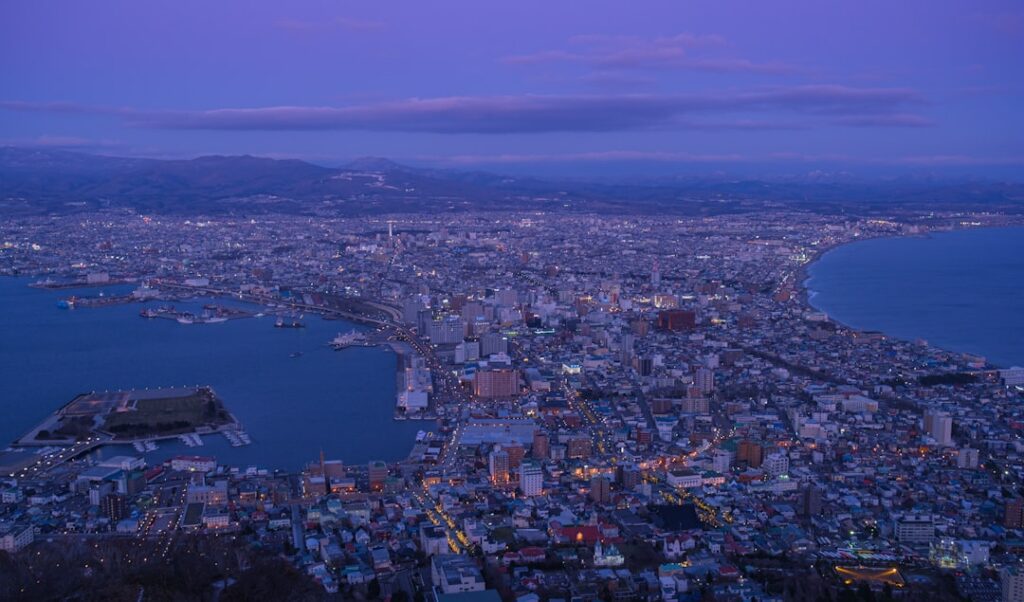
While crowds flock to Tokyo and Kyoto, Hakodate, Japan delivers a stunning blend of East-meets-West history and world-class seafood without the overwhelming crowds or price tags. As the first Japanese port opened to international trade in 1854, the city’s unique DNA is written in its clapboard churches, star-shaped fort, and a night view so famous it’s ranked among the world’s top three. Here’s why savvy travelers choose this northern gem on Hokkaido’s tip.
Why Hakodate, Japan Stands Out

White and yellow tram on road during daytime, Hakodate, Japan
- Historic Architecture: The star-shaped Goryokaku Fort, built in 1864, is Japan’s first Western-style citadel and a breathtaking sight from its observation tower, especially during cherry blossom season.
- Cultural Scene: The Hakodate Port Festival in early August features vibrant parades and a spectacular fireworks display over the historic bay, celebrating the city’s maritime heritage.
- Local Specialties: Hakodate is the birthplace of *shio* (salt) ramen, a lighter, briny broth perfect for slurping, best enjoyed at the legendary ramen shops in the Daimon Yokocho alley.
Pro Tip: For the iconic night view from Mount Hakodate with minimal crowds, take the ropeway up just before sunset in the shoulder seasons (late April-May or September-October). You’ll avoid the summer and winter holiday queues and get to see the city transition from day to its famous “jewelry box” illumination.
Map of Hakodate, Japan
Use these interactive maps to explore Hakodate, Japan and plan your route:
📍 View Hakodate, Japan on OpenStreetMap
🗺️ Open Hakodate, Japan in Google Maps
Planning Your Trip: Practical Essentials
Getting There and Around
- By Air: Hakodate Airport (HKD) connects to Tokyo (Haneda), Osaka, and other major cities via ANA and JAL. A shuttle bus to Hakodate Station takes 20 minutes and costs ¥410. Book flights at Skyscanner for best deals.
- By Train: The Hokkaido Shinkansen from Tokyo (Shin-Hakodate-Hokuto Station) takes about 4 hours. A local shuttle train connects to central Hakodate Station in 20 minutes. Reserve tickets at Trainline or the national railway website.
- By Car: Driving offers flexibility for exploring the surrounding Shimokita Peninsula. The Hokkaido Expressway connects to Sapporo. Parking can be tight in the Motomachi district. Compare car rentals at RentalCars.com.
- Local Transport: The city tram network is efficient and charming, covering most major sights. A 1-Day Tram Pass costs ¥600. Taxis are plentiful for shorter journeys. Check the official city website for passes and schedules.
Best Time to Visit
Hakodate shines in different ways each season. Summer offers lush greenery and festivals, while winter blankets the city in serene snow, perfect for onsen hopping. The sweet spots are the shoulder seasons, when mild weather meets vibrant natural displays.
| Season | Weather | Highlights |
|---|---|---|
| Summer (Jun–Aug) | 15°C to 25°C (59°F to 77°F), pleasant and humid | Lively festivals, full greenery at Goryokaku, perfect for bay cruises. Moderate crowds. |
| Winter (Dec–Feb) | -5°C to 2°C (23°F to 36°F), cold with heavy snowfall | Magical snowscapes, fewer tourists, and the ultimate season for hot springs and steaming ramen. Some attractions have shorter hours. |
| Shoulder (Apr–May/Sep–Oct) | 8°C to 18°C (46°F to 64°F), crisp and clear | Cherry blossoms (late Apr) or autumn colors (Oct), ideal hiking weather, and the best chance for a crowd-free Mount Hakodate view. |
Budgeting for Hakodate, Japan

Brown brick building with snow covered ground, Hakodate, Japan
| Category | Budget | Mid-range | Luxury |
|---|---|---|---|
| Accommodation | ¥4,000-¥7,000 for a capsule hotel or business hotel | ¥10,000-¥18,000 for a comfortable 3-star hotel or ryokan | ¥25,000+ for a luxury ryokan with kaiseki meals & private onsen |
| Meals | ¥1,000-¥2,000 for a bowl of ramen or kaisendon | ¥3,000-¥6,000 for a set meal at a good seafood restaurant | ¥10,000+ for multi-course fine dining or premium sushi omakase |
| Transport | ¥600/day for a tram pass | ¥2,000-¥4,000 for occasional taxis | ¥15,000+ for a private car & driver for the day |
| Activities | Free walks, temple visits, morning market browsing | ¥1,800 for the Mount Hakodate ropeway, ¥900 for Goryokaku Tower | ¥8,000+ for private guided history tours or a sunset bay cruise with dinner |
| Daily Total | ¥6,000-¥10,000 | ¥16,000-¥30,000 | ¥50,000+ |
Top Attractions and Must-See Sights
| Attraction | Description | Hours | Entry Fee |
|---|---|---|---|
| Mount Hakodate Ropeway | Take the cable car up for the world-famous “10 million dollar” night view, where the city lights form a glittering, narrow peninsula. | 10:00-22:00 (varies seasonally) | Round trip: ¥1,800 |
| Goryokaku Fort & Tower | Explore Japan’s first Western-style fort, a stunning star shape best viewed from the 107m observation tower for context. | Tower: 9:00-18:00; Park: 24/7 | Tower: ¥900; Park: Free |
| Hakodate Morning Market | A bustling, sensory-overload market where you can haggle for fresh seafood and try the “ikura-don” (salmon roe bowl) challenge. | 5:00-14:00 (earlier is better) | Free to enter |
| Motomachi Historic District | A hillside area of well-preserved Western consulates, churches, and homes telling the story of Hakodate’s international past. | Exteriors always viewable; building hours vary | Free to walk; individual building fees ¥100-¥300 |
3-Day Itinerary: Hakodate, Japan’s Highlights & Hidden Gems
Day 1: Historic Ports & Panoramic Nights
- Morning (7-9 AM): Dive into the sensory feast of the **Hakodate Morning Market**. Your best bet is to try a customizable *kaisendon* (seafood bowl) at **Kikuyo Shokudo** for around ¥2,000. Watch auctioneers and fishermen in their element.
- Afternoon (12-3 PM): Stroll through the **Motomachi District**. Start at the **Old Public Hall** (¥300), then walk the cobblestone slopes past the Russian Orthodox Church. For lunch, grab a historic curry at **Yoshimi Shokudo**, serving sailors since 1907.
- Evening (6-8 PM): Take the **Mount Hakodate Ropeway** (¥1,800) just before sunset. After soaking in the view, head down to the bay area for dinner at **Ajidokoro Mura**, a food hall packed with small stalls specializing in Hakodate’s famous squid and shio ramen.
Day 2: Star Forts & Seafood Alleys
- Morning (9 AM): Visit **Goryokaku Tower** (¥900) for the breathtaking aerial view of the star-shaped fort. Then, walk through the fort’s park itself—a stunning cherry blossom spot in late April.
- Afternoon (1 PM): Hop on a tram to the **Former British Consulate** (¥300) for a cup of tea and a glimpse into the 19th-century diplomatic life. For lunch, seek out **Shio Ramen Ryu** for a definitive bowl of the local specialty.
- Evening (7 PM): Explore the narrow, lantern-lit lanes of **Daimon Yokocho**. This warren of tiny bars and eateries is where locals go. Pick a spot for grilled *ika* (squid) and a local beer. End the night with a stroll along the red brick warehouses (**Kanemori Red Brick Warehouse**) by the water.
Day 3: Trappist Serenity & Onsen Relaxation
- Morning (10 AM): Take a 30-minute bus ride (¥360) to the **Hakodate Trappistine Monastery**. The serene grounds and famous butter cookies (sold at the gift shop) make for a peaceful escape. Buy a box (¥800) for the journey home.
- Afternoon (1 PM): Return to the city and visit the **Hakodate Museum of Northern Peoples** (¥300) to understand the indigenous Ainu culture of Hokkaido. For a late lunch, try the exceptional sushi at **Sushi Zen** near the station.
- Evening (5 PM): Soak away your travels at **Yunokawa Onsen**, a hot spring district a short tram ride from the center. Many day-visit baths are available for ¥800-¥1,500. Have a final, luxurious kaiseki dinner at your ryokan or at a restaurant like **Sawawa** in the onsen town.
Cultural Insights & Etiquette
- Language: Basic greetings go a long way. Say “*Konnichiwa*” (Hello), “*Arigatou gozaimasu*” (Thank you). While signage is often in English, learning these shows respect.
- Customs: Remove your shoes when entering a ryokan, temple, or some traditional restaurants. Slurping noodles is not just acceptable, it’s a compliment to the chef.
- Tipping: Tipping is not customary in Japan and can cause confusion. Excellent service is standard and included.
- Dress Code: Casual but neat attire is fine. Have modest clothing for temple visits (cover shoulders/knees). For upscale ryokan, they often provide yukata robes.
- Business Hours: Major attractions open 9:00-18:00. Many museums close on Mondays. Restaurants often have a last order around 20:30-21:00. Convenience stores (7-Eleven, Lawson) are open 24/7.
Where to Eat: Hakodate, Japan’s Best Bites
Hakodate’s cuisine is defined by the sea. The cold, nutrient-rich waters of the Tsugaru Strait yield sublime squid, crab, sea urchin, and salmon roe. Dining here is an exercise in fresh, simple flavors that highlight the ingredients, from briny ramen to rice bowls piled high with glistening seafood.
Must-Try Local Specialties
- Shio Ramen: Hakodate’s signature ramen features a clear, delicate chicken-and-seafood based salt broth. For the classic experience, join the queue at **Hakodate Shio Ramen Ryu** in the station area.
- Ika (Squid): Prepared every way imaginable—raw (*ika sashimi*), dried, grilled, or even as *ika somen* (sliced into noodle-like strips). The Morning Market is ground zero for squid tasting.
- Kaisendon: A bowl of rice topped with a dazzling array of the day’s freshest catches. At the Morning Market, you can often pick your own seafood from tanks. **Kikuyo Shokudo** is a legendary spot for this.
Restaurant Recommendations by Budget
| Type | Restaurant | Specialty | Price Range |
|---|---|---|---|
| Budget | Daimon Yokocho (various stalls) | Grilled skewers, cheap ramen, and local bar snacks in a historic alley. | ¥500-¥1,500 per dish |
| Mid-range | Uni Murakami (Morning Market) | Incredibly fresh sea urchin bowls and other premium seafood donburi. | ¥2,500-¥4,000 per bowl |
| Fine dining | Sushi Zen (Near Hakodate Station) | An intimate, counter-style sushi experience with fish sourced directly from the morning auction. | ¥8,000-¥15,000 for omakase |
Where to Stay
Your choice of neighborhood defines your Hakodate experience. The area around JR Hakodate Station is most convenient for transport, while Motomachi offers historic charm, and Yunokawa provides serene hot spring relaxation. Compare prices and book at Booking.com or Airbnb for apartments.
Best Neighborhoods for Accommodation
- Hakodate Station Area: The most practical base, packed with business hotels, restaurants, and the main transport hub. Perfect for first-time visitors and those with tight schedules. It lacks the historic atmosphere of other districts.
- Motomachi/Western District: The heart of Hakodate’s history, with charming B&Bs, guesthouses, and boutique hotels in converted buildings. You’re surrounded by photogenic slopes and historic sites, but it’s a hilly walk to the station.
- Yunokawa Onsen: A resort area on the city outskirts with traditional ryokans featuring seaside hot spring baths. Ideal for a relaxing, luxurious stay focused on wellness. You’ll need to take the tram (15 mins) to reach central sights.

Golden fireworks explode against a dark night sky., Hakodate, Japan
FAQs: Your Hakodate, Japan Questions Answered
1. Is Hakodate, Japan safe at night?
Extremely safe. Japan has one of the world’s lowest crime rates, and Hakodate is a particularly peaceful city. You can comfortably walk alone at night in well-lit areas. As always, exercise standard precautions with your belongings.
2. What currency is used and are credit cards accepted?
Explore More Destinations
- Jozani, Tanzania on a Budget: an Ancient Forest for $35/Day (2026)
- Nsumbu, Zambia on a Budget: Wild Africa for $40/Day (2026)
- Semporna, Malaysia on a Budget: Paradise for $35/Day (2026)
- Khuzestan, Iran on a Budget: Ancient Empires for $30/Day (2026)
- Ngerulmud, Palau on a Budget: Island Majesty for $45/Day (2026)
Ready to Visit Hakodate?
Start planning your trip today. Compare hotels, find the best tours, and get insider tips.
Your adventure in Hakodate starts here →
{“@context”: “https://schema.org”, “@type”: “FAQPage”, “mainEntity”: [{“@type”: “Question”, “name”: “What is the best time to visit Hakodate?”, “acceptedAnswer”: {“@type”: “Answer”, “text”: “The best time to visit Hakodate depends on your preferences. Generally, the dry season offers the most pleasant weather for sightseeing and outdoor activities.”}}, {“@type”: “Question”, “name”: “How many days do I need in Hakodate?”, “acceptedAnswer”: {“@type”: “Answer”, “text”: “Most travelers spend 3-5 days in Hakodate to see the main attractions. A week allows for a more relaxed pace and day trips.”}}, {“@type”: “Question”, “name”: “Is Hakodate expensive to visit?”, “acceptedAnswer”: {“@type”: “Answer”, “text”: “Hakodate can be visited on various budgets. Accommodation ranges from hostels to luxury hotels, and local restaurants offer affordable dining.”}}]}
Related Guides
Explore more destinations similar to Hakodate:

