
Sawakin, Sudan’s Best Coral Architecture, Pilgrim History & Red Sea Serenity (2026)
While crowds flock to Egypt’s Sharm El-Sheikh for predictable Red Sea resorts, Sawakin, Sudan delivers a raw, unfiltered encounter with history and culture without the tourist traps. Here, you don’t just see a port; you walk through the skeletal remains of a 12th-century trading empire, where the silence of crumbling coral buildings tells louder stories than any museum plaque. This is where pilgrims have gathered for centuries, and where the sea meets a past that time, for now, has left beautifully untouched.
Why Sawakin, Sudan Stands Out
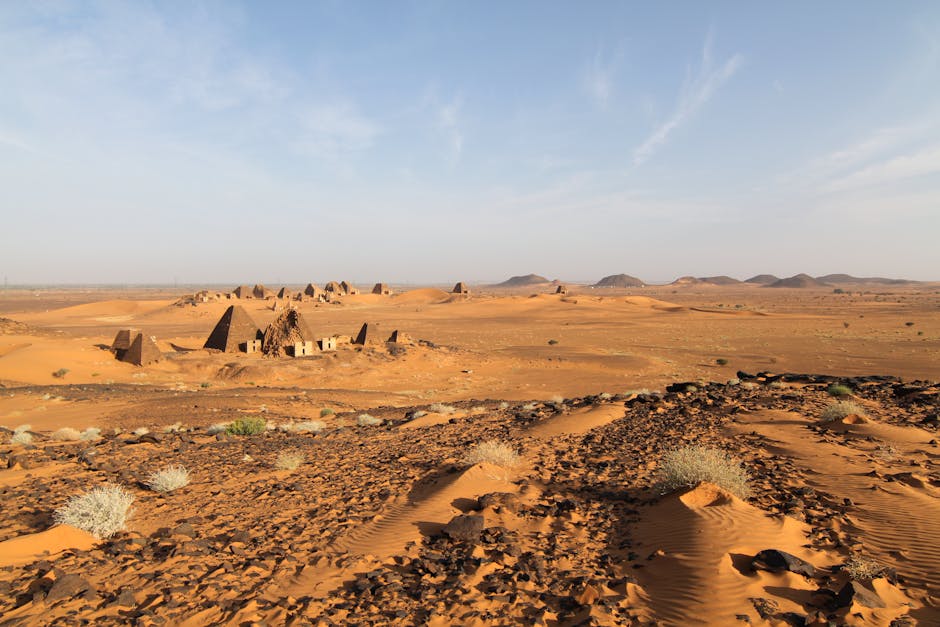
Explore the ancient pyramids of Meroë against the vast desert landscape in Sudan, Sawakin, Sudan
- Historic Architecture: The Ottoman-era buildings of the Old Town, constructed entirely from porous coral blocks in the 16th-19th centuries, create a hauntingly beautiful labyrinth of arches and ruins unlike any other.
- Cultural Scene: Witness the annual convergence of thousands of pilgrims at the port, preparing for the journey to Jeddah en route to Mecca, a living tradition that has defined the city for over 700 years.
- Local Specialties: You must try *Sayadia*, a fragrant dish of spiced fish served over rice, best enjoyed fresh from the Red Sea at a local *lokanda* (simple eatery).
Pro Tip: Visit between November and February for bearable heat (averaging 28°C/82°F). To experience the port at its most atmospheric, go at dawn (around 5:30 AM) before the day’s heat sets in; you’ll have the ghostly Old Town to yourself and can watch the fishing boats return.
Map of Sawakin, Sudan
Use these interactive maps to explore Sawakin, Sudan and plan your route:
📍 View Sawakin, Sudan on OpenStreetMap
🗺️ Open Sawakin, Sudan in Google Maps
Planning Your Trip: Practical Essentials
Getting There and Around
- By Air: The nearest major airport is Port Sudan International Airport (PZU), about 60km north. Badr Airlines and other regional carriers connect from Khartoum. From the airport, your only reliable option is a pre-arranged taxi (approx. 3,000 SDG / $5 USD). Book flights at Skyscanner for best deals.
- By Train: The historic railway from Khartoum to Port Sudan sometimes has service, but it’s notoriously unreliable and slow (can take 24+ hours). It’s an adventure for the extremely patient. Reserve tickets at Trainline or the national railway website.
- By Car: Driving from Khartoum is a long desert journey (approx. 850km). Most visitors hire a car with a driver in Port Sudan. Roads are basic. Parking in Sawakin is informal and easy. Compare car rentals at RentalCars.com.
- Local Transport: Within Sawakin, you’ll walk everywhere in the Old Town. For longer distances (e.g., to the ferry terminal or new town), use shared minibuses (50-100 SDG) or negotiate a price with one of the ubiquitous *rickshaws* (tuk-tuks).
Best Time to Visit
Sawakin’s desert climate means scorching summers and mild, pleasant winters. The key is avoiding the extreme heat while timing your visit with cultural activity.
| Season | Weather | Highlights |
|---|---|---|
| Summer (Jun–Aug) | Extremely hot & humid (35-42°C / 95-107°F) | Fewest visitors, low prices, but outdoor exploration is challenging, especially midday. |
| Winter (Dec–Feb) | Warm & dry, ideal (24-30°C / 75-86°F) | Perfect weather for exploring ruins; peak season for pilgrim traffic, adding cultural vibrancy. |
| Shoulder (Mar–May/Oct–Nov) | Warm to hot (28-35°C / 82-95°F) | Good balance of manageable weather and smaller crowds; sea is warm for swimming. |
Budgeting for Sawakin, Sudan

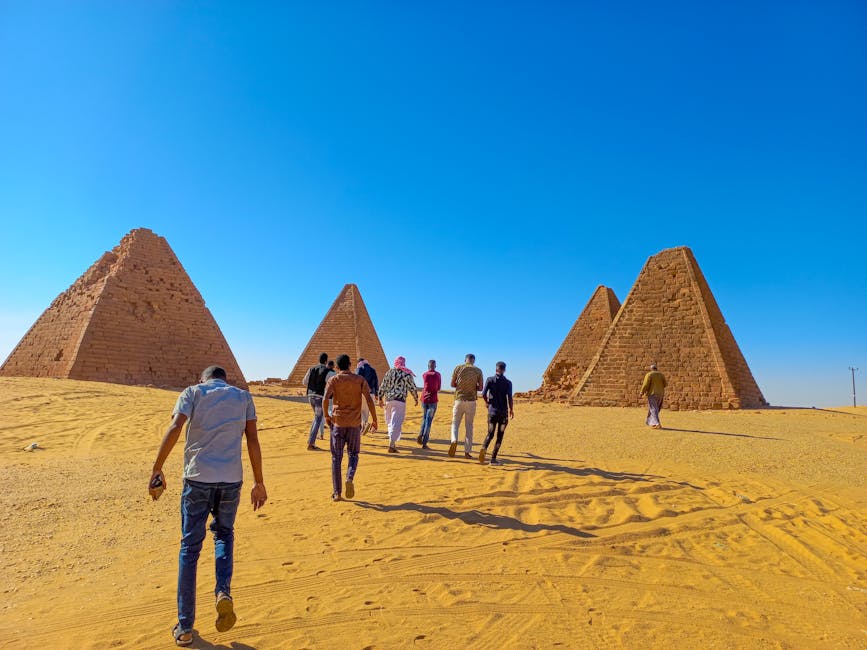
Adventurers walking through sand dunes to ancient Nubian pyramid in a vast …, Sawakin, Sudan
| Category | Budget | Mid-range | Luxury |
|---|---|---|---|
| Accommodation | Basic lokanda guesthouse: 15,000-25,000 SDG ($25-$40) | Clean hotel in New Sawakin: 40,000-60,000 SDG ($65-$100) | International chain in Port Sudan only. |
| Meals | Street food & lokanda meals: 3,000-6,000 SDG ($5-$10) per meal | Restaurant meals: 8,000-15,000 SDG ($13-$25) per meal | Fine dining is not available in Sawakin. |
| Transport | Shared minibus/rickshaw: 500-2,000 SDG ($1-$3) per trip | Private taxi for day trips: 30,000-50,000 SDG ($50-$80) | Private car with driver from Port Sudan. |
| Activities | Exploring Old Town (free), local markets | Boat trip to nearby islands: 20,000 SDG ($35) | Guided historical tour from Port Sudan. |
| Daily Total | 25,000-40,000 SDG ($40-$65) | 80,000-130,000 SDG ($130-$210) | 150,000+ SDG ($250+) |
Note: Sudan uses the Sudanese Pound (SDG). USD estimates are approximate due to fluctuating black-market rates. Cash is KING.
Top Attractions and Must-See Sights
| Attraction | Description | Hours | Entry Fee |
|---|---|---|---|
| The Old Town (Geyf) | A UNESCO-tentative ghost city of ornate coral buildings, including merchant houses, mosques, and the former slave market. | Sunrise to Sunset | Free (Tip for caretaker: 2,000-5,000 SDG) |
| Sawakin Port & Harbor | The beating heart of the city, where pilgrims gather, wooden *sambuks* (boats) are built, and daily life unfolds against a historic backdrop. | 24/7, most active at dawn | Free |
| Khashm el-Girba Dam | A significant irrigation project about 2 hours drive away, offering a stark contrast to the coastal landscape and insight into Sudan’s development. | Daylight Hours | Free |
| Local Markets (Souq) | The New Town market is a sensory overload of spices, fabrics, and everyday goods, providing a genuine slice of local life. | 8 AM – 2 PM & 5 PM – 8 PM (Closed Fridays PM) | Free |
3-Day Itinerary: Sawakin, Sudan’s Highlights & Hidden Gems
Day 1: Immersion in History & The Harbor
- Morning (7-9 AM): Start at the **Sawakin Port** as the fishing boats unload their catch. The light is perfect for photos. Then, enter the **Old Town** with its silent, winding streets. Find the caretaker, who might share stories for a small tip.
- Afternoon (12-3 PM): Have lunch at **Al Kabashi Restaurant** in New Sawakin for a hearty plate of *Ful Medames* (stewed fava beans). Afterwards, visit the **New Town Market** to browse spices and Sudanese cotton.
- Evening (6-8 PM): Return to the harbor for sunset, watching the *sambuks* silhouette against the orange sky. For dinner, try **Abu Ahmed Lokanda** near the market for simple, delicious grilled fish and rice.
Day 2: Island Escape & Cultural Depths
- Morning (8 AM): Negotiate a boat trip (approx. 20,000 SDG for 2-3 hours) from the harbor to one of the **nearby coral islands** like Tuwal Karduk for snorkeling in pristine Red Sea waters.
- Afternoon (1 PM): Back on land, have a late lunch at **Hafza Restaurant**, known for its *Shakshouka* (eggs poached in tomato sauce). Then, visit the small **Heritage Museum** in New Sawakin (if open) to contextualize what you’ve seen.
- Evening (6 PM): Take a rickshaw to a local tea lady (*shay lady*)—ask your hotel to point you to one—and spend an hour sipping sweet ginger tea and engaging in simple, friendly conversation.
Day 3: Pilgrimage Paths & Farewell Views
- Morning (7 AM): If it’s pilgrimage season, observe the quiet intensity at the **Passenger Terminal** as travelers prepare. Then, take a shared minibus (1,500 SDG) to the **Cemetery** on the city’s outskirts, where intricate coral tombstones tell more family histories.
- Afternoon (12 PM): Enjoy a final *Sayadia* lunch at **Sea Port Restaurant**. Afterwards, do a last walk through the Old Town, finding a quiet spot in the shade of a coral arch to simply absorb the atmosphere.
- Evening (5 PM): For your final memory, climb to the high point near the old Turkish fortifications for a panoramic 360-degree view of the ruined city, the active port, and the Red Sea as the sun descends.
Cultural Insights & Etiquette
- Language: Arabic is essential. Learn: *As-salamu alaykum* (Hello), *Shukran* (Thank you), *Kam al-thaman?* (How much?). English is limited to a few hotel staff.
- Customs: Always use your right hand for eating, greeting, and giving/receiving items. Public displays of affection are frowned upon. Be respectful when photographing people, especially pilgrims—always ask permission.
- Tipping: Not systematically expected but deeply appreciated for guides, caretakers, and boatmen. A tip of 2,000-10,000 SDG for a service is generous.
- Dress Code: Modesty is key. Wear loose-fitting clothing that covers shoulders and knees. For women, a headscarf is respectful, especially in the Old Town and market.
- Business Hours: Government hours: 8 AM – 2 PM. Shops often close for a long break (2 PM – 5 PM) and reopen until 8 or 9 PM. Friday is the day of rest; most everything is closed in the afternoon.
Where to Eat: Sawakin, Sudan’s Best Bites
Dining in Sawakin is about substance over style. You’ll eat incredibly fresh seafood, hearty stews, and staples like *ful* and *kisra* (sorghum flatbread) in simple, often open-air settings. The connection between the port and your plate is direct.
Must-Try Local Specialties
- Sayadia: The iconic dish of Sawakin—white fish marinated in spices, then cooked with caramelized onions and served over yellow rice. The best versions are at simple port-side *lokandas*.
- Ful Medames: A national breakfast staple of stewed fava beans, often served with sesame oil, chili, and eggs. Perfect fuel for a day of exploration.
- Shorba Adas: A hearty, spiced red lentil soup, commonly eaten during Ramadan but available year-round. It’s comfort food that showcases Sudanese spice blends.
Restaurant Recommendations by Budget
| Type | Restaurant | Specialty | Price Range |
|---|---|---|---|
| Budget | Abu Ahmed Lokanda (Market Area) | Fresh grilled fish with rice and salad | 5,000-10,000 SDG ($8-$16) |
| Mid-range | Sea Port Restaurant (Port Road) | Excellent *Sayadia* and mixed seafood platters | 12,000-20,000 SDG ($20-$33) |
| Simple Dining | Al Kabashi Restaurant (New Town) | Authentic Sudanese breakfasts and stews | 4,000-8,000 SDG ($7-$13) |
Where to Stay
Accommodation in Sawakin itself is basic. Most options are simple guesthouses (*lokandas*) or modest hotels. For more comfort, savvy travelers often stay in Port Sudan and make day trips. Compare prices and book at Booking.com or Airbnb for apartments.
Best Neighborhoods for Accommodation
- New Sawakin Town: The practical choice. You’ll find the main hotels, restaurants, and markets here. It’s functional and puts you within walking distance of the Old Town. Best for first-time visitors wanting convenience.
- Port Sudan (for day-tripping): If you require more reliable electricity, AC, and WiFi, staying in Port Sudan (60km north) is your best bet. You’ll sacrifice atmosphere for comfort and commute daily.
- Old Town Vicinity: A handful of very basic guesthouses exist on the edges. This is for the true adventurer who wants to wake up inside the historical atmosphere, accepting minimal amenities.

Three smiling women posing together in Juba, South Sudan. Indoor setting., Sawakin, Sudan
FAQs: Your Sawakin, Sudan Questions Answered
1. Is Sawakin, Sudan safe at night?
Sawakin is generally considered safe, with low crime against tourists. However, the ruins of the Old Town are completely unlit and have uneven terrain, making them hazardous to explore after dark. Your main concern will be tripping, not crime. Stick to the lit areas of the New Town at night and always use common sense.
2. What currency is used and are credit cards accepted?
The currency is the Sudanese Pound (SDG). Credit cards are virtually **useless** in Sawakin. You must bring enough **US Dollars in cash** (clean, unmarked bills post-2006) to exchange on the local market for Sudanese Pounds. ATMs are unreliable and often empty. Plan your entire budget in cash.
3. How do I get from the airport to the city center?
Port Sudan International Airport (PZU) is your gateway. There is no public transport. You must pre-arrange a pickup with your hotel or negotiate with a taxi driver outside arrivals. The journey to Sawakin takes about 1 hour and costs approximately 30,000-40,000 SDG ($50-$65). Book airport transfers at GetYourGuide for convenience.
4. Do I need to speak the local language?
Yes, basic Arabic is extremely helpful. English is not widely spoken outside of a few contacts in the tourism chain
Explore More Destinations
- Jozani, Tanzania on a Budget: an Ancient Forest for $35/Day (2026)
- Nsumbu, Zambia on a Budget: Wild Africa for $40/Day (2026)
- Semporna, Malaysia on a Budget: Paradise for $35/Day (2026)
- Khuzestan, Iran on a Budget: Ancient Empires for $30/Day (2026)
- Ngerulmud, Palau on a Budget: Island Majesty for $45/Day (2026)
Ready to Visit Sawakin?
Start planning your trip today. Compare hotels, find the best tours, and get insider tips.
Your adventure in Sawakin starts here →
{“@context”: “https://schema.org”, “@type”: “FAQPage”, “mainEntity”: [{“@type”: “Question”, “name”: “What is the best time to visit Sawakin?”, “acceptedAnswer”: {“@type”: “Answer”, “text”: “The best time to visit Sawakin depends on your preferences. Generally, the dry season offers the most pleasant weather for sightseeing and outdoor activities.”}}, {“@type”: “Question”, “name”: “How many days do I need in Sawakin?”, “acceptedAnswer”: {“@type”: “Answer”, “text”: “Most travelers spend 3-5 days in Sawakin to see the main attractions. A week allows for a more relaxed pace and day trips.”}}, {“@type”: “Question”, “name”: “Is Sawakin expensive to visit?”, “acceptedAnswer”: {“@type”: “Answer”, “text”: “Sawakin can be visited on various budgets. Accommodation ranges from hostels to luxury hotels, and local restaurants offer affordable dining.”}}]}
Related Guides
Explore more destinations similar to Sawakin:

