
Morretes, Brazil’s Best Colonial Charm, Mountain Trains & Culinary Legends (2026)
While crowds flock to the beaches of Florianópolis, Morretes, Brazil delivers a profound sense of history and a legendary culinary experience without the tourist throngs. Nestled in the verdant Serra do Mar mountains, this 18th-century colonial town is where you trade flip-flops for cobblestones and discover a slower, more authentic Brazil. Here’s why savvy travelers choose the scenic train ride and the promise of a steaming, banana-leaf-wrapped feast over another day in the sand.
Why Morretes, Brazil Stands Out

A bridge crosses a river with lush green trees., Morretes, Brazil
- Historic Architecture: The iconic Nossa Senhora do Porto Church, built in 1769, anchors the town with its simple Baroque style and commanding view over the Nhundiaquara River.
- Cultural Scene: The annual Festa do Barreado in February celebrates the town’s signature dish with parades, music, and the ceremonial “breaking” of the stew pots.
- Local Specialties: You absolutely must try Barreado, a slow-cooked beef stew sealed with manioc flour, traditionally served with bananas and rice—it’s a UNESCO-listed cultural heritage dish.
Pro Tip: Visit on a weekday (Tuesday-Thursday) to have the charming historic center almost to yourself. Weekends, especially Sundays, see an influx of visitors from Curitiba. For the best weather and lush green scenery, aim for the shoulder seasons of April-May or September-October.
Map of Morretes, Brazil
Use these interactive maps to explore Morretes, Brazil and plan your route:
📍 View Morretes, Brazil on OpenStreetMap
🗺️ Open Morretes, Brazil in Google Maps
Planning Your Trip: Practical Essentials
Getting There and Around
- By Air: Fly into Afonso Pena International Airport (CWB) in Curitiba, 70km away. Azul, LATAM, and Gol offer domestic connections. From the airport, your best bet is a pre-booked transfer or rental car. Book flights at Skyscanner for best deals.
- By Train: The legendary Serra Verde Express is the most scenic way to arrive. The 3.5-hour journey from Curitiba winds through the Atlantic Forest with breathtaking canyon views. Reserve tickets at Trainline or the national railway website.
- By Car: The BR-277 highway from Curitiba is a well-maintained mountain road with stunning lookouts like the Véu da Noiva waterfall. Parking is easy and free in the town’s periphery. Compare car rentals at RentalCars.com.
- Local Transport: Morretes is wonderfully walkable. For attractions outside the center, like the Marumbi State Park trailheads, local taxis are affordable and reliable (approx. R$20-30 per short trip).
Best Time to Visit
Morretes enjoys a subtropical climate, meaning it can be warm and humid in summer and pleasantly mild in winter. The mountain setting means weather can change quickly, so packing a light rain jacket is always wise.
| Season | Weather | Highlights |
|---|---|---|
| Summer (Dec–Feb) | Warm & humid, 22°C to 30°C (72°F-86°F), frequent afternoon showers. | Lush green landscapes, the vibrant Festa do Barreado in February, but also the busiest and most humid time. |
| Winter (Jun–Aug) | Mild & dry, 10°C to 22°C (50°F-72°F), crisp and clear days. | Perfect hiking weather in Marumbi Park, fewer crowds, and cozy evenings ideal for enjoying hot Barreado stew. |
| Shoulder (Apr–May/Sep–Oct) | Pleasant, 15°C to 25°C (59°F-77°F), lower chance of rain. | The sweet spot: comfortable temperatures, manageable tourist numbers, and ideal conditions for all activities. |
Budgeting for Morretes, Brazil

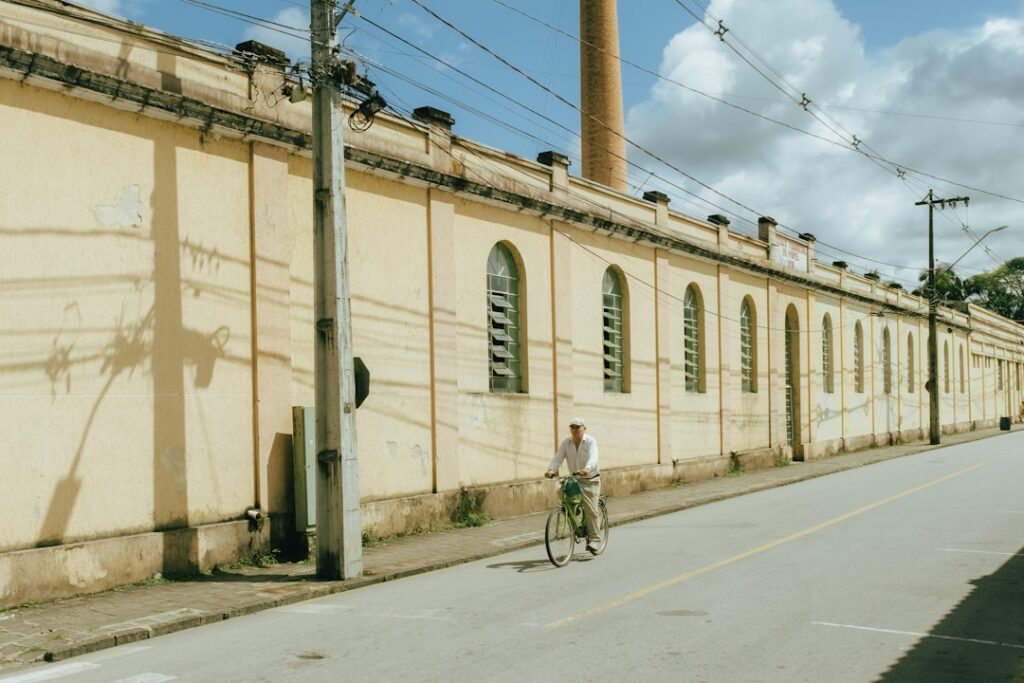
White and gray building, Morretes, Brazil
| Category | Budget | Mid-range | Luxury |
|---|---|---|---|
| Accommodation | R$150-250/night (hostel or simple pousada) | R$300-500/night (charming historic inn) | R$600+/night (boutique hotel with spa/river view) |
| Meals | R$40-60/day (street food, simple lunches) | R$80-120/day (restaurant meals with Barreado) | R$150+/day (multi-course meals with wine) |
| Transport | R$20/day (walking/local bus) | R$50-80/day (taxis, train ticket one-way) | R$150+/day (private driver, round-trip scenic train) |
| Activities | R$0-30 (hiking, church visits) | R$50-100 (guided walks, museum entry) | R$150+ (private guided tours, adventure sports) |
| Daily Total | R$210-360 | R$480-800 | R$1,000+ |
Top Attractions and Must-See Sights
| Attraction | Description | Hours | Entry Fee |
|---|---|---|---|
| Serra Verde Express Train | A breathtaking 3.5-hour rail journey from Curitiba through tunnels, over bridges, and past waterfalls in the Atlantic Forest. | Departs Curitiba 8:30 AM (check schedule) | From R$140 one-way |
| Historic Center (Centro Histórico) | A postcard-perfect collection of colorful 18th-century Portuguese colonial buildings lining the Nhundiaquara River. | Always open | Free |
| Nossa Senhora do Porto Church | The town’s spiritual and architectural heart from 1769, offering a peaceful retreat and views from its square. | 9:00 AM – 5:00 PM daily | Free (donations welcome) |
| Marumbi State Park (Pico Marumbi) | A paradise for hikers with trails leading to panoramic peaks, part of the Atlantic Forest Biosphere Reserve. | Sunrise to Sunset | Free |
3-Day Itinerary: Morretes, Brazil’s Highlights & Hidden Gems
Day 1: Colonial Immersion & Culinary Initiation
- Morning (9:00 AM): Arrive via the spectacular Serra Verde Express train. Walk from the station across the iron bridge into the historic center, your first iconic photo op.
- Afternoon (1:00 PM): Have your first Barreado feast at Restaurante Casarão (Av. Eng. Antônio Rebouças, 78). Order the traditional set meal with a side of fried banana. After, wander the Rua das Palmeiras, popping into the small artisan shops.
- Evening (6:30 PM): Enjoy the golden hour light on the colorful buildings from the riverbank. For a lighter dinner, try the excellent pastels (fried pastries) and draft beer at Boteco do Parque.
Day 2: Nature, History & Local Life
- Morning (8:00 AM): Take a taxi (R$25) to the base of Marumbi State Park. Hike the moderate Trilha do Itupava to see ancient stone paving from the 17th century. Pack water and snacks.
- Afternoon (1:30 PM): Return to town for lunch at Restaurante Morretes (Largo Dr. José Pereira, 119), trying their river fish moqueca. Visit the Museu do Barreado to understand the dish’s history.
- Evening (7:00 PM): Experience a different take on Barreado at Armazém Romanus, a historic grocery-turned-restaurant. Afterwards, join locals for a casual drink in Largo da Matriz, the main square.
Day 3: Riverside Relaxation & Artisan Discoveries
- Morning (9:00 AM): Rent a simple bike or stroll the peaceful Caminho de Itupava path along the river. Look for capybaras grazing near the water.
- Afternoon (12:30 PM): Enjoy a final lunch at Restaurante Ponte Velha, sitting on their terrace over the river. Sample the cachaça (sugarcane spirit) infused with local fruits.
- Evening (4:00 PM): Pick up souvenirs: cachaça, handmade lace, or banana sweets. If departing by road, ask your driver to stop at the Véu da Noiva lookout on the BR-277 for a final mountain vista.
Cultural Insights & Etiquette
- Language: Portuguese is key. Learn “Um Barreado, por favor” (One Barreado, please), “Obrigado/a” (Thank you), and “Quanto custa?” (How much?). Locals appreciate the effort immensely.
- Customs: Meals, especially lunch, are leisurely social affairs. Rushing is frowned upon. Always greet shopkeepers with a “Bom dia” (Good day) or “Boa tarde” (Good afternoon).
- Tipping: A 10% service charge is often included on bills (“serviço incluso”). If service was exceptional, leaving a few extra reais on the table is a nice gesture. For taxis, round up the fare.
- Dress Code: Casual and comfortable is perfect. Bring sturdy shoes for cobblestones and hiking. When visiting churches, modest attire covering shoulders and knees is respectful.
- Business Hours: Shops typically open 9 AM-6 PM, often closing for a siesta from 12 PM-2 PM. Restaurants serve lunch from 11:30 AM-3 PM and dinner from 7 PM-10:30 PM.
Where to Eat: Morretes, Brazil’s Best Bites
Dining in Morretes revolves around tradition and conviviality. The town’s identity is inextricably linked to Barreado, but you’ll also find excellent river fish, rustic Brazilian barbecue (churrasco), and homey pasta dishes reflecting Italian immigration. Meals are hearty, designed to fuel a day in the mountain air.
Must-Try Local Specialties
- Barreado: The legendary stew of beef, bacon, and spices, cooked for up to 20 hours in a sealed clay pot. It’s served with manioc flour, rice, bananas, and orange slices. Find it everywhere, but the historic spots like Casarão are iconic.
- Pirão de Peixe: A thick, flavorful fish porridge made from broth and manioc flour, often served as a side with grilled or stewed river fish like robalo or pintado.
- Cachaça Artesanal: The region produces excellent small-batch cachaça. Try it straight or in a caipirinha, and look for artisanal bottles infused with local ginger, cinnamon, or fruits like cambuci.
Restaurant Recommendations by Budget
| Type | Restaurant | Specialty | Price Range |
|---|---|---|---|
| Budget | Boteco do Parque (Largo Dr. José Pereira) | Hearty pastels, affordable beer, and simple daily plates in a lively setting. | R$20-40 per person |
| Mid-range | Restaurante Morretes (Largo Dr. José Pereira, 119) | Classic Barreado and excellent moqueca (seafood stew) in a charming colonial house. | R$50-80 per person |
| Fine dining | Armazém Romanus (Rua General Carneiro, 13) | An elevated, historic setting for Barreado and traditional dishes with curated cachaça selections. | R$90-150+ per person |
Where to Stay
Accommodation in Morretes is mostly comprised of charming pousadas (inns) and guesthouses, often in historic buildings. Staying in the Centro Histórico means you’re steps from everything, while properties on the outskirts offer more tranquility and mountain views. Compare prices and book at Booking.com or Airbnb for apartments.
Best Neighborhoods for Accommodation
- Centro Histórico: The heart of the action. You’ll be surrounded by colonial architecture, restaurants, and the river. Perfect for first-time visitors who want to immerse themselves and walk everywhere. Can be livelier on weekends.
- Along Estrada da Graciosa (BR-277 approach): Offers stunning mountain views, larger properties, and more seclusion. Ideal for those with a car seeking peace, nature, and proximity to hiking trails. A short taxi ride to the center.
- Riverside areas near the old bridge: A quiet compromise with lovely water views and a pleasant 5-10 minute stroll to the main square. You’ll find several converted historic homes offering a serene stay.

A view of a lush green mountain side, Morretes, Brazil
FAQs: Your Morretes, Brazil Questions Answered
1. Is Morretes, Brazil safe at night?
Morretes is generally very safe. The historic center is well-lit and frequented by locals and visitors into the evening. As in any town, practice basic caution: stick to main streets, don’t flash valuables, and be aware of your surroundings when walking in quieter, darker peripheral areas late at night.
2. What currency is used and are credit cards accepted?
The Brazilian Real (R$) is the currency. Credit and debit cards (Visa, Mastercard) are widely accepted in hotels, restaurants, and larger shops. However, it’s wise to carry some cash (R$100-200) for small purchases at artisan stalls, taxi fares, or at smaller family-run establishments that may not accept cards.
3. How do I get from the airport to Morretes?
From Curitiba’s Afonso Pena Airport (CWB), the most convenient options are a pre-booked private transfer (approx. R$250-300) or renting a car for the scenic 1.5-hour drive. There is no direct public bus. The scenic train departs from Curitiba’s city center, not the airport. Book airport transfers at GetYourGuide for convenience.
4. Do I need to speak the local
Explore More Destinations
- Jozani, Tanzania on a Budget: an Ancient Forest for $35/Day (2026)
- Nsumbu, Zambia on a Budget: Wild Africa for $40/Day (2026)
- Semporna, Malaysia on a Budget: Paradise for $35/Day (2026)
- Khuzestan, Iran on a Budget: Ancient Empires for $30/Day (2026)
- Ngerulmud, Palau on a Budget: Island Majesty for $45/Day (2026)
Ready to Visit Morretes?
Start planning your trip today. Compare hotels, find the best tours, and get insider tips.
Your adventure in Morretes starts here →
Related Guides
Explore more destinations similar to Morretes:

