
Campo Grande, Brazil’s Stunning Cowboys, Culture & Cerrado Sunsets (2026)
While crowds flock to Rio’s beaches or São Paulo’s skyscrapers, Campo Grande delivers the authentic, unhurried soul of Brazil’s interior without the tourist premiums. Known as the “Cidade Morena” (Brown City) for its rich, reddish soil, this is the gateway to the Pantanal, where the urban rhythm syncs with the cowboy culture of the *fazendas*. Here, you can sip *tereré* with locals in a shaded plaza for the price of a coffee, then embark on a world-class wildlife safari for a fraction of the cost of an African tour. This is where Brazil breathes.
Why Campo Grande, Brazil Stands Out

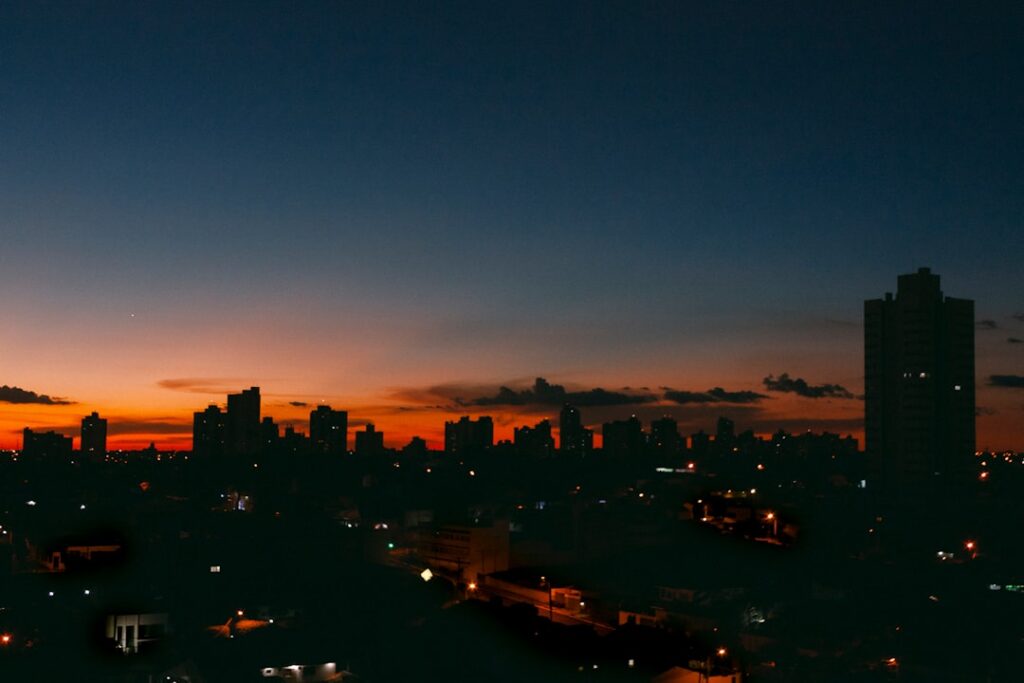
A view of a city at night from a window, Campo Grande, Brazil
- Historic Architecture: The Art Deco **Mercado Municipal Antônio Valente**, built in the 1950s, is a vibrant hub where the city’s commercial past meets its culinary present.
- Cultural Scene: The annual **Festa Junina** in June transforms the city with traditional *quadrilha* dances, bonfires, and *quentão*, celebrating rural Brazilian heritage with genuine local fervor.
- Local Specialties: You must try **sobá**, a unique Campo Grande noodle soup of Okinawan origin, served cold or hot and found at dedicated *sobarias* across the city.
Pro Tip: For the best wildlife viewing in the nearby Pantanal, plan your visit during the dry season from May to September. Animals congregate around shrinking water sources, making sightings of jaguars, capybaras, and caimans dramatically more frequent. Book Pantanal tours at least 2-3 months in advance for this peak period.
Map of Campo Grande, Brazil
Use these interactive maps to explore Campo Grande, Brazil and plan your route:
📍 View Campo Grande, Brazil on OpenStreetMap
🗺️ Open Campo Grande, Brazil in Google Maps
Planning Your Trip: Practical Essentials
Getting There and Around
- By Air: **Campo Grande International Airport (CGR)** receives direct flights from São Paulo, Rio, Brasília, and other major hubs via LATAM, GOL, and Azul. A taxi to the city center takes 20 minutes and costs around R$40-50. Book flights at Skyscanner for best deals.
- By Train: There are no major passenger rail services for tourists into Campo Grande. Long-distance travel is best done by bus or plane.
- By Car: The city is a major crossroads, connected by BR-163 and BR-060. Driving from Bonito takes about 4 hours. Downtown parking can be tricky; opt for hotel parking. Compare car rentals at RentalCars.com.
- Local Transport: The city bus system is extensive and cheap (R$4.50 per ride). Taxis and ride-sharing apps like Uber are affordable and efficient for getting around neighborhoods. There’s no tourist transport pass; pay per ride.
Best Time to Visit
Campo Grande has a tropical savanna climate with two distinct seasons: a rainy, hot summer and a dry, mild winter. The best time to visit balances pleasant weather with optimal conditions for exploring the Pantanal.
| Season | Weather | Highlights |
|---|---|---|
| Dry Season (May–Sep) | Sunny, low humidity, 15°C to 30°C (59°F to 86°F). Nights can be cool. | Prime Pantanal wildlife viewing, comfortable city exploration, major festivals like Festa Junina. Peak tourist season. |
| Wet Season (Oct–Apr) | Hot, humid, frequent heavy rains, 22°C to 35°C (72°F to 95°F). | Lush green landscapes, fewer tourists, lower prices. Some rural roads may be impassable, and mosquitoes are prolific. |
| Shoulder (Apr/Oct) | Transitional; warm with sporadic rain, 20°C to 32°C (68°F to 90°F). | Good balance of decent weather, manageable crowds, and fair prices for tours and accommodation. |
Budgeting for Campo Grande, Brazil

A couple of trees sitting in the middle of a field, Campo Grande, Brazil
| Category | Budget | Mid-range | Luxury |
|---|---|---|---|
| Accommodation | Hostel dorm: R$70-100/night | 3-star hotel/private Airbnb: R$200-350/night | 5-star resort or luxury lodge: R$500+/night |
| Meals | Street food/ *sobária*: R$20-40/meal | Restaurant with drink: R$50-80/meal | Fine dining churrascaria: R$120+/meal |
| Transport | Local bus: R$4.50/ride | Uber/Taxi within city: R$15-30/ride | Private driver/tour transport: R$200+/day |
| Activities | Free parks, museums: R$0-20 | City museum entry: R$10-30, Half-day tour: R$150-250 | Multi-day Pantanal safari: R$1000+/day |
| Daily Total | R$150-250 | R$400-700 | R$1200+ |
Top Attractions and Must-See Sights
| Attraction | Description | Hours | Entry Fee |
|---|---|---|---|
| Parque das Nações Indígenas | A massive urban park with lakes, bike paths, and the iconic **Morada dos Baís** cultural center, perfect for a sunset stroll. | 24/7 for park; Cultural Center: Tue-Sun, 9am-5pm | Park: Free; Cultural Center: R$10 |
| Museu das Culturas Dom Bosco | An exceptional museum showcasing indigenous cultures of the Pantanal and Amazon, with stunning ethnographic collections and natural history displays. | Tue-Sun, 8am-5:30pm | R$12 |
| Mercado Municipal | The bustling heart of local life, where you can sample regional fruits, cheeses, and crafts, and enjoy a casual *sobá* lunch. | Mon-Sat, 7am-6pm; Sun, 7am-1pm | Free |
| Memorial da Cultura Indígena | Dedicated to the Terena, Kadiwéu, and other native peoples of Mato Grosso do Sul, offering profound insight into local heritage. | Tue-Fri, 8am-5pm; Sat, 8am-12pm | Free |
3-Day Itinerary: Campo Grande, Brazil’s Highlights & Hidden Gems
Day 1: Urban Culture & Culinary Introduction
- Morning (7-9 AM): Start with a walk or bike ride around the lagoon at **Parque das Nações Indígenas**. Rent a bike (R$20/hour) near the entrance. The morning light is perfect for photos.
- Afternoon (12-3 PM): Head to the **Mercado Municipal** for your first taste of **sobá** at **Sobária Coreana** (R$25-35). Then, explore the market stalls selling local *doce de leite* and handicrafts.
- Evening (6-8 PM): Visit the **Museu das Culturas Dom Bosco** during its cooler evening hours (open until 5:30pm). For dinner, savor authentic Pantanal-style fish at **Restaurante Peixaria** (R$60-80 per person).
Day 2: History, Art & Local Flavors
- Morning (8 AM): Explore the **Memorial da Cultura Indígena** (free) to understand the region’s first peoples. Then, admire the architecture at the **Igreja São José**.
- Afternoon (1 PM): Enjoy a late lunch at **Casa do Peixe**, known for its *pintado* (catfish) dishes. Afterwards, visit the **MARCO (Museum of Contemporary Art)** (R$5) to see works by regional artists.
- Evening (6 PM): Join locals in **Praça do Rádio** or **Praça dos Imigrantes** for the daily ritual of sharing *tereré* (iced herbal tea). For dinner, try a classic Brazilian *prato feito* (set meal) at **Boteco do Gaúcho**.
Day 3: Gateway to the Pantanal (Day Trip)
- Morning (6 AM): Depart early on a pre-booked day tour to the **Southern Pantanal** (R$350-500 per person including transport, guide, and lunch). Your best bet is booking through a reputable operator like **Pantanal Viagens** or **Bonito Express**.
- Afternoon (12 PM): Your tour will include a boat safari or guided walk along the **Estrada Parque**, spotting caimans, capybaras, and hundreds of bird species. A typical lunch is served at a rustic *fazenda* lodge.
- Evening (7 PM): Return to Campo Grande. For a final feast, indulge in an all-you-can-eat *churrascaria* experience at **Buffet do Gaúcho** (R$70 per person), a carnivore’s paradise.
Cultural Insights & Etiquette
- Language: Portuguese is essential. Learn basics: *Bom dia* (Good morning), *Obrigado/a* (Thank you), *Quanto custa?* (How much?). English is not widely spoken outside tourist offices.
- Customs: The sharing of *tereré* or *chimarrão* (hot herbal tea) is a profound social ritual. If offered, it’s polite to accept. Always receive the cup with your right hand.
- Tipping: Not mandatory but appreciated. In restaurants, a 10% service charge is often included on the bill (*serviço incluso*). For good service, you can round up or leave an extra 5-10% in cash.
- Dress Code: Casual and practical is fine. For upscale restaurants, smart casual (collared shirts, nice jeans) is appropriate. Pack sturdy shoes, a hat, and light layers for the Pantanal.
- Business Hours: Shops generally open 9am-6pm weekdays, closing for a lunch break. Malls are open later. Most museums are closed on Mondays.
Where to Eat: Campo Grande, Brazil’s Best Bites
Campo Grande’s cuisine is a delicious fusion of Brazilian ranch food, indigenous ingredients, and unique immigrant influences, most notably from Japan and the Middle East. Dining is a social, relaxed affair.
Must-Try Local Specialties
- Sobá: The city’s signature dish: wheat noodles in a flavorful broth (often pork-based), topped with omelet strips, green onions, and *kamaboko* (fish cake). Find the best at **Sobária Coreana** in the Mercado Municipal or **Sobária Nipo** in the Centro.
- Carne Seca com Abóbora: Sun-dried beef served with stewed pumpkin, a staple of *fazenda* cuisine. For a hearty portion, head to **Cozinha Pantaneira**.
- Pintado à Urutau: A local catfish fillet, often grilled or cooked in a savory sauce. **Restaurante Peixaria** and **Casa do Peixe** are renowned for their freshwater fish preparations.
Restaurant Recommendations by Budget
| Type | Restaurant | Specialty | Price Range |
|---|---|---|---|
| Budget | Sobária Coreana (Mercado Municipal) | Authentic, filling bowls of *sobá* | R$20-35 |
| Mid-range | Casa do Peixe (Jardim dos Estados) | Freshwater fish dishes and regional plates | R$50-90 per person |
| Fine dining | Buffet do Gaúcho (Multiple locations) | Top-tier *churrascaria* (Brazilian barbecue) rodízio | R$70-120 per person |
Where to Stay
Accommodation in Campo Grande ranges from functional business hotels to charming guesthouses. The city is spread out, so choosing a neighborhood near your points of interest is key. Compare prices and book at Booking.com or Airbnb for apartments.
Best Neighborhoods for Accommodation
- Centro: The historic downtown. You’ll find older hotels, the main market, and easy access to buses. It’s bustling by day but quieter at night. Best for budget travelers and those wanting to be in the middle of the action.
- Jardim dos Estados: A modern, upscale commercial district with shopping malls, better restaurants, and many 3-4 star hotels. It’s safe, convenient, and well-connected by taxi. Ideal for mid-range and business travelers.
- Vila Planalto / Tiradentes: Quieter, more residential areas with a mix of guesthouses and smaller hotels. Offers a more local feel and is generally close to parks and some museums. Good for travelers seeking a calmer base.

Detailed close-up of a Seriema bird, Campo Grande, Brazil
FAQs: Your Campo Grande, Brazil Questions Answered
1. Is Campo Grande, Brazil safe at night?
Like any city, caution is advised. The central Centro area can feel deserted after business hours. Your best bet is to stick to well-lit, populated areas like Jardim dos Estados at night and use Uber or taxis for transportation instead of walking long distances. Petty theft can occur, so keep valuables discreet.
2. What currency is used and are credit cards accepted?
The Brazilian Real (R$) is the currency. Credit and debit cards (Visa, Mastercard) are widely accepted in hotels, restaurants, and larger stores. However, it’s wise to carry some cash (R$50-100 in small notes) for markets, street vendors, taxis, and smaller *sobárias*. ATMs (*caixas eletrônicos*) are readily available.
3. How do I get from the airport to the city center?
The airport (CGR) is only 7km from downtown. A pre-paid taxi from the official desk costs around R$40-50 for a 20-minute ride. Uber operates reliably and is often 20-30% cheaper. There is no direct public bus that is convenient with luggage. Book airport transfers at GetYourGuide for convenience.
4. Do I need to speak the local language?
Related Guides
Explore more destinations similar to Campo Grande:
- Vavaʻu, Tonga’s Best Whale Encounters, Sailing & Island Paradise (2025)
- Amazing Mount Gambier Secrets You Will Love to Discover (2025)
- Guayaquil, Ecuador: Ultimate Riverfront Charm, Tropical Wildlife & Coastal Cuisine (2025)
- Pukapuka, Cook Islands’s Essential Atolls, Ancient Culture & Unspoiled Beaches (2025)

