
Chiquitanía, Bolivia: Best Baroque Missions, Vast Savannahs & Living Traditions (2026)
While crowds flock to the Salar de Uyuni, only a handful of travelers venture east to the six UNESCO-listed Jesuit Missions of Chiquitanía each year. Here, in the vast tropical savannahs of eastern Bolivia, you’ll find a world where 18th-century European baroque architecture is intricately carved from local cedar by indigenous hands, creating a cultural fusion found nowhere else on Earth. This is a living museum, not a relic, where music from hand-crafted violins still echoes through ornate churches.
Why Chiquitanía, Bolivia Stands Out
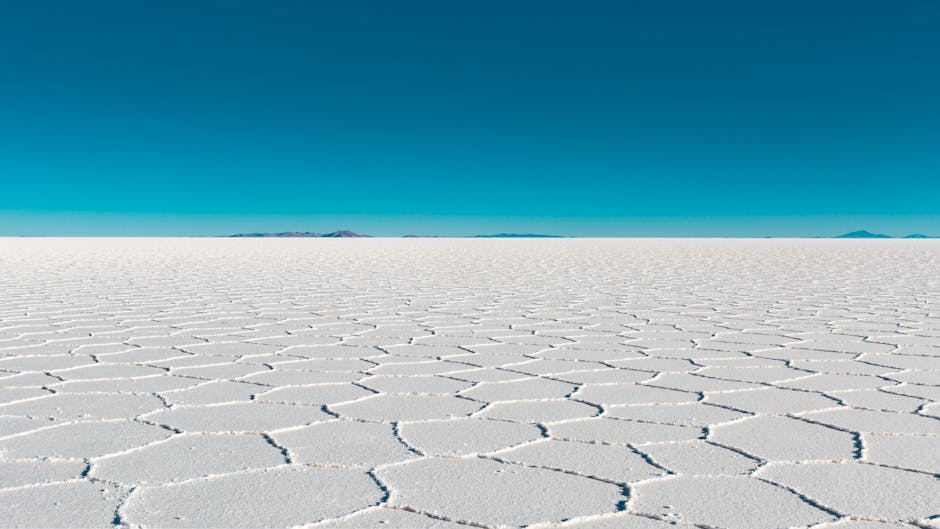
Vast salar with geometric patterns under a clear blue sky in Bolivia’s Uyuni., Chiquitanía, Bolivia
- Historic Architecture: The Mission of San José de Chiquitos, founded in 1698, is the only one of the six built entirely of stone, a monumental testament to the fusion of Catholic and indigenous Chiquitano artistry.
- Cultural Scene: The biennial International Baroque Music Festival, held in even-numbered years, transforms the mission towns into a vibrant stage for orchestras playing on period instruments within the historic churches.
- Local Specialties: Savor *Majao*, a hearty dish of shredded charque (dried beef), rice, fried plantains, and a fried egg, a staple born from the region’s cattle-ranching culture.
Pro Tip: Plan your visit for April to October, the dry season, when roads are passable. For the ultimate experience, time your trip with the Baroque Music Festival (held every other April, e.g., 2024, 2026), but book accommodations in San José de Chiquitos or Concepción at least six months in advance.
Map of Chiquitanía, Bolivia
Use these interactive maps to explore Chiquitanía, Bolivia and plan your route:
📍 View Chiquitanía, Bolivia on OpenStreetMap
🗺️ Open Chiquitanía, Bolivia in Google Maps
Planning Your Trip: Practical Essentials
Getting There and Around
- By Air: Fly into Viru Viru International Airport (VVI) in Santa Cruz de la Sierra. From there, take a bus or rent a car for the 3-4 hour journey east to the first mission towns. Book flights at Skyscanner for best deals.
- By Train: The *Ferrobus* (a bus on train tracks) runs from Santa Cruz to San José de Chiquitos, a unique 5-hour journey through the wilderness. It’s more an experience than efficient transport. Check schedules with Ferroviaria Oriental.
- By Car: Renting a 4×4 in Santa Cruz is your best bet for flexibility on unpaved roads between towns. The Ruta de las Misiones is a loop. Compare car rentals at RentalCars.com.
- Local Transport: *Micros* (minibuses) and shared taxis connect the main towns like San José, Concepción, and San Ignacio, but schedules are infrequent. Hiring a local taxi for a day-trip between two missions is a common and affordable strategy.
Best Time to Visit
The climate dictates travel here. The dry winter months offer comfortable exploration, while the wet summer can make roads impassable and travel challenging.
| Season | Weather | Highlights |
|---|---|---|
| Dry Season (May–Sep) | Sunny days, cool nights (15°C-30°C). Low humidity. | Ideal for road travel and church visits. Peak season for tourism. Perfect for photography. |
| Wet Season (Nov–Mar) | Hot, humid (25°C-35°C) with heavy afternoon rains. | Landscape is lush and green. Very few tourists. Some rural roads may be closed. |
| Shoulder (Apr & Oct) | Transitional; warm with sporadic rain. | Good balance. April hosts the Baroque Festival every other year. Lower prices and smaller crowds. |
Budgeting for Chiquitanía, Bolivia

A Bolivian woman in traditional attire sitting near Lake Titicaca under a b…, Chiquitanía, Bolivia
| Category | Budget | Mid-range | Luxury |
|---|---|---|---|
| Accommodation | Hostel/Basic Hospedaje: 80-150 BOB/night | Comfortable Hotel: 250-400 BOB/night | Historic Mission Hotel: 500+ BOB/night |
| Meals | Market/Comedor: 20-40 BOB | Local Restaurant: 50-80 BOB | Best in Town: 100+ BOB |
| Transport | Local Micros: 10-30 BOB per leg | Shared Taxi/Day Rental: 150-300 BOB/day | Private Driver/4×4: 500+ BOB/day |
| Activities | Church donations: 10-20 BOB | Guided Town Tour: 50-100 BOB | Multi-day Guided Circuit: 1000+ BOB |
| Daily Total | 120-240 BOB (~$17-$35) | 400-700 BOB (~$58-$100) | 1200+ BOB (~$175+) |
Top Attractions and Must-See Sights
| Attraction | Description | Hours | Entry Fee |
|---|---|---|---|
| Mission of San José de Chiquitos | The grand stone complex with a church, bell tower, and workshops, offering the most complete mission experience. | 9am-12pm, 2pm-6pm | Donation (10 BOB suggested) |
| Mission of Concepción | Home to the magnificent Museo Misional with over 500 restored baroque paintings and sculptures from the mission era. | 8:30am-12pm, 2:30pm-6:30pm (Museum) | Museum: 15 BOB |
| Mission of San Ignacio de Velasco | Features a stunning 20th-century replica of the original wooden church, built using the same techniques and housing priceless original altarpieces. | Church: 8am-7pm | Free (donation welcome) |
| Santuario Chochis | A breathtaking modern sanctuary built into red rock cliffs near San José, commemorating a tragic flood and blending faith with dramatic natural beauty. | Daylight hours | Free |
3-Day Itinerary: Chiquitanía, Bolivia’s Highlights & Hidden Gems
Day 1: Baroque Beginnings in San José
- Morning (7-9 AM): Start at the Plaza Principal for a quiet moment before the heat. Grab a fresh *empanada de queso* from a street vendor. Then, enter the San José Mission complex (opens at 9 AM). Climb the bell tower first for a panoramic view over the red-tiled roofs.
- Afternoon (12-3 PM): Have lunch at **Restaurant La Casona** on the plaza, ordering the *Sopa de Maní* (peanut soup) and *Asado de Tira* (grilled ribs). After, visit the on-site workshops to see artisans carving wood and weaving in traditional styles.
- Evening (6-8 PM): Take a short taxi (about 30 BOB) to **Santuario Chochis** for sunset—the light on the red rocks and the monumental sculpture is unforgettable. Return to San José for dinner at **Pizzería El Trigal** for a surprising taste of excellent wood-fired pizza.
Day 2: Cultural Heart in Concepción
- Morning (8 AM): Take an early shared taxi from San José to Concepción (approx. 2 hours, 40 BOB per person). Head straight to the **Museo Misional** (opens 8:30 AM, 15 BOB). Spend two hours marveling at the “Misiones Baroque” art collection, a true hidden treasure.
- Afternoon (12 PM): Enjoy lunch at **Restaurant El Patio** near the church, trying the *Locro Carretero* (a hearty beef and vegetable stew). Then, tour the beautiful Concepción church and its adjacent music school, where you might hear students practicing.
- Evening (6 PM): Wander the tranquil, garden-like plaza. For dinner, find a small *comedor* serving *Sonso* (a cheesy yuca dish cooked in banana leaves). Retire early at a hotel like **Hotel Chiquitos**, a charming converted mission-era house.
Day 3: Wooden Wonders in San Ignacio
- Morning (7 AM): Catch a *micro* from Concepción to San Ignacio de Velasco (approx. 3 hours, 50 BOB). Upon arrival, visit the magnificent wooden church of **San Ignacio**. Look closely at the altarpieces—they are the originals saved from the 18th-century structure.
- Afternoon (1 PM): Have lunch at **Restaurant La Misión** on the main square. Order the *Charquecán Chiquitano* (a stew with dried beef). Then, visit the **Taller de Instrumentos Musicales** to see how violins and harps are crafted for the festival orchestras.
- Evening (5 PM): For your final evening, take a moto-taxi (10 BOB) to **Lago San Ignacio** to relax by the water. Enjoy a farewell dinner back in town, perhaps trying *Masaco* (mashed plantains or yuca with charque) before your journey back to Santa Cruz the next day.
Cultural Insights & Etiquette
- Language: Spanish is essential. Very little English is spoken. Learn key phrases: “Buenos días” (Good morning), “¿Cuánto cuesta?” (How much?), “Gracias” (Thank you). The indigenous Chiquitano language is also widely spoken.
- Customs: Life moves slowly (*poco a poco*). Be patient. Always greet people before asking questions. When visiting churches, dress modestly and maintain a respectful silence, as they are active places of worship.
- Tipping: Not widely expected but appreciated for good service. In restaurants, rounding up the bill or leaving 5-10% is a kind gesture. For guides, 10-15% is appropriate.
- Dress Code: Light, breathable cotton clothing for the day, with a light jacket for cool evenings. For churches, cover shoulders and knees. Sturdy, comfortable shoes are a must for uneven streets.
- Business Hours: Expect a long midday siesta from about 12pm to 2:30pm or 3pm, when most shops and even some museums close. Plan activities and meals around this.
Where to Eat: Chiquitanía, Bolivia’s Best Bites
Chiquitano cuisine is hearty, meat-centric ranch food, reflecting the region’s cattle culture. Meals are substantial, often featuring charque (dried beef), rice, beans, yuca, and plantains. Don’t expect fancy presentation; expect authentic, filling flavors.
Must-Try Local Specialties
- Majao: The regional flagship dish. Shredded dried beef sautéed with rice, served with fried plantains, a fried egg, and often *yuca* on the side. Find it at most local *comedores*.
- Sonso: A delicious, simple snack of grated yuca mixed with cheese, wrapped in a banana leaf, and grilled. Often sold by street vendors in the plazas in the late afternoon.
- Cuñapé: Ubiquitous cheese bread rolls made from yuca flour and cheese, baked until puffy and golden. The perfect on-the-go breakfast or snack, available from any bakery (*panadería*).
Restaurant Recommendations by Budget
| Type | Restaurant | Specialty | Price Range |
|---|---|---|---|
| Budget | Comedor Popular (Market, San José) | Home-cooked *Almuerzo Completo* (set lunch) | 15-25 BOB |
| Mid-range | Restaurant La Casona (San José Plaza) | Traditional Chiquitano Asados & Stews | 40-70 BOB |
| Fine dining | Restaurant El Patio (Concepción) | Upscale regional cuisine in a lovely courtyard | 80-120 BOB |
Where to Stay
Accommodation ranges from basic family-run *hospedajes* to charming hotels in restored colonial buildings. Staying on or near the main plaza in any town is your best bet for atmosphere and convenience. Compare prices and book at Booking.com or Airbnb for apartments (though options are limited).
Best Neighborhoods for Accommodation
- San José de Chiquitos (Plaza Area): The main tourist hub. You’ll be steps from the main mission, restaurants, and transport links. Best for first-time visitors and those relying on public transport.
- Concepción (Central): Offers a more tranquil, garden-like atmosphere. Ideal for travelers seeking a quieter, more immersive cultural experience centered around the superb museum.
- San Ignacio de Velasco (Near Plaza): The largest town, acting as a commercial center. Has the most services and is a good base for exploring the northern missions like Santa Ana and San Rafael.

Panoramic view of La Paz, Bolivia with city buildings and dramatic skies., Chiquitanía, Bolivia
FAQs: Your Chiquitanía, Bolivia Questions Answered
1. Is Chiquitanía, Bolivia safe at night?
The mission towns are generally very safe and peaceful. Standard precautions apply: stick to well-lit central areas like the plazas at night, don’t flash valuables, and be aware of your surroundings. Violent crime is rare, but petty theft can occur in crowded markets or bus stations.
2. What currency is used and are credit cards accepted?
The Bolivian Boliviano (BOB) is the currency. **Cash is king in Chiquitanía.** Bring enough bolivianos from Santa Cruz, as ATMs are scarce and unreliable outside San Ignacio. Credit cards are only accepted at a handful of upscale hotels in San José or Concepción.
3. How do I get from the airport to the city center?
From Viru Viru Airport (VVI) in Santa Cruz, take an official taxi to the main bus terminal (Terminal Bimodal). The fare should be around 80-100 BOB. From there, catch a bus to San José de Chiquitos (3-4 hours). For convenience, you can pre-book a private transfer from the airport directly to your first mission town at GetYourGuide.
4. Do I need to speak the local language?
Yes, basic Spanish is highly recommended and will
Explore More Destinations
- Jozani, Tanzania on a Budget: an Ancient Forest for $35/Day (2026)
- Nsumbu, Zambia on a Budget: Wild Africa for $40/Day (2026)
- Semporna, Malaysia on a Budget: Paradise for $35/Day (2026)
- Khuzestan, Iran on a Budget: Ancient Empires for $30/Day (2026)
- Ngerulmud, Palau on a Budget: Island Majesty for $45/Day (2026)
Ready to Visit Chiquitanía?
Start planning your trip today. Compare hotels, find the best tours, and get insider tips.
Your adventure in Chiquitanía starts here →
{“@context”: “https://schema.org”, “@type”: “FAQPage”, “mainEntity”: [{“@type”: “Question”, “name”: “What is the best time to visit Chiquitanu00eda?”, “acceptedAnswer”: {“@type”: “Answer”, “text”: “The best time to visit Chiquitanu00eda depends on your preferences. Generally, the dry season offers the most pleasant weather for sightseeing and outdoor activities.”}}, {“@type”: “Question”, “name”: “How many days do I need in Chiquitanu00eda?”, “acceptedAnswer”: {“@type”: “Answer”, “text”: “Most travelers spend 3-5 days in Chiquitanu00eda to see the main attractions. A week allows for a more relaxed pace and day trips.”}}, {“@type”: “Question”, “name”: “Is Chiquitanu00eda expensive to visit?”, “acceptedAnswer”: {“@type”: “Answer”, “text”: “Chiquitanu00eda can be visited on various budgets. Accommodation ranges from hostels to luxury hotels, and local restaurants offer affordable dining.”}}]}
Related Guides
Explore more destinations similar to Chiquitanía:
- Catamarca, Argentina: Best High-Altitude Vineyards, Ancient Ruins & Star-Filled Skies (2026)
- Terrebonne, Canada: Heritage, Islands & Artisanal Flavors (2026)
- Jauja, Peru’s Best Colonial Charm, Andean Landscapes & Living Traditions (2026)
- Alaska Range, USA’s Best Glaciers, Grizzlies & Grandeur (2025)

