
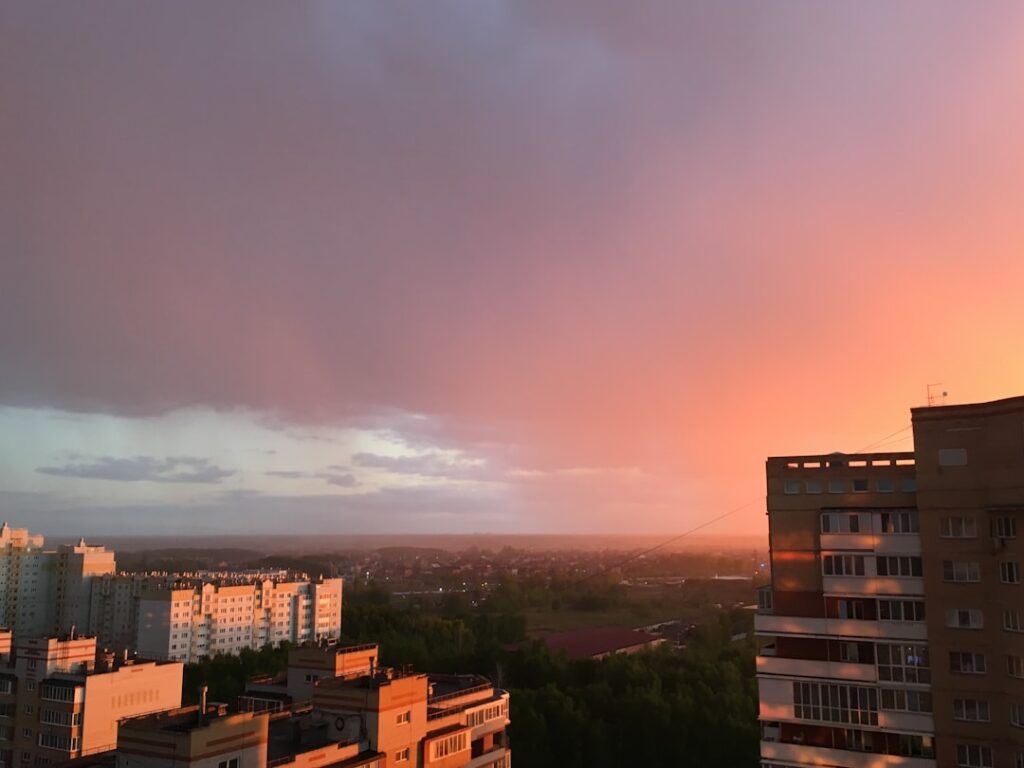
Omsk, Russia: Best Siberian History, Architectural Grandeur & Riverfront Serenity (2026)
While crowds flock to the Trans-Siberian Railway’s terminus in Vladivostok, Omsk, Russia delivers a profound sense of imperial and Soviet history without the tourist throngs. Founded as a fortress in 1716, this city on the Irtysh River was once the glittering capital of White Russia during the Civil War and a pivotal hub for Siberian exploration. Today, savvy travelers choose differently, discovering a city where ornate 19th-century cathedrals stand alongside monumental Soviet architecture, all framed by the vast, whispering Siberian taiga just beyond the city limits.
Why Omsk, Russia Stands Out

A view of a church through a window, Omsk, Russia
- Historic Architecture: The Assumption Cathedral, rebuilt and reconsecrated in 2007, is a stunning recreation of the 1891 original, its golden domes a symbol of the city’s resilience and spiritual revival.
- Cultural Scene: The annual Siberian International Marathon in August transforms the city into a celebration of athleticism, drawing runners to race along the scenic Irtysh River embankments.
- Local Specialties: You must try *pelmeni*, Siberian dumplings, but seek out the local variation often filled with a mix of three meats and served with a dollop of sour cream and a sprinkle of black pepper.
Pro Tip: For the best experience, visit during the shoulder seasons of late May-June or September. You’ll avoid the intense summer heat and mosquitoes, as well as the deep freeze of winter, while enjoying the “Golden Autumn” or the fresh “Green Spring” with far fewer visitors.
Map of Omsk, Russia
Use these interactive maps to explore Omsk, Russia and plan your route:
📍 View Omsk, Russia on OpenStreetMap
🗺️ Open Omsk, Russia in Google Maps
Planning Your Trip: Practical Essentials
Getting There and Around
- By Air: Omsk Tsentralny Airport (OMS) connects to Moscow, St. Petersburg, and regional hubs via Aeroflot, S7, and Ural Airlines. A taxi to the center takes 30 minutes and costs around 600-800 RUB. Book flights at Skyscanner for best deals.
- By Train: The city is a major stop on the Trans-Siberian Railway. The journey from Moscow takes about 38 hours. The grand Omsk-Passazhirsky railway station is an attraction in itself. Reserve tickets at Trainline or the national railway website.
- By Car: Omsk lies on the M51 Baikal highway. Driving offers freedom but requires preparation for long distances. Parking in the center is metered. Compare car rentals at RentalCars.com.
- Local Transport: An efficient network of trams, trolleybuses, and marshrutkas (fixed-route minibuses) covers the city. A single tram ride costs ~30 RUB. Taxis via Yandex.Taxi are affordable and reliable for cross-town trips.
Best Time to Visit
Omsk experiences a classic continental climate with stark seasonal contrasts. Your ideal time depends on your tolerance for temperature extremes and desired activities.
| Season | Weather | Highlights |
|---|---|---|
| Summer (Jun–Aug) | Warm, 18°C to 25°C (64°F-77°F), long daylight hours, occasional rain and mosquitoes. | Perfect for river walks, park visits, and outdoor festivals; the liveliest and most crowded season. |
| Winter (Dec–Feb) | Very cold, -15°C to -25°C (5°F to -13°F), heavy snowfall, short days. | A true Siberian winter experience with ice sculptures, frozen Irtysh River views, and cozy cafes; for cold-weather enthusiasts. |
| Shoulder (Apr–May/Sep–Oct) | Spring: 5°C to 15°C (41°F-59°F), thawing. Autumn: 5°C to 15°C, crisp and colorful. | Best balance: fewer crowds, pleasant walking weather, and beautiful autumn foliage or spring blossoms. |
Budgeting for Omsk, Russia

A man riding skis down a snow covered slope, Omsk, Russia
| Category | Budget | Mid-range | Luxury |
|---|---|---|---|
| Accommodation | Hostel dorm: 800-1200 RUB/night | 3-star hotel: 2500-4000 RUB/night | 4/5-star hotel: 5000-8000+ RUB/night |
| Meals | Stolovaya (cafeteria): 300-500 RUB | Local restaurant: 800-1500 RUB | Fine dining: 2500+ RUB |
| Transport | Public transport: 150 RUB/day | Taxi trips: 400-600 RUB/day | Private driver: 3000+ RUB/day |
| Activities | Free parks, cathedrals | Museum entries: 200-400 RUB each | Private guided tours |
| Daily Total | 1500-2500 RUB | 4500-7000 RUB | 10,000+ RUB |
Top Attractions and Must-See Sights
| Attraction | Description | Hours | Entry Fee |
|---|---|---|---|
| Assumption Cathedral | A breathtaking symbol of rebirth, climb the bell tower for panoramic city views. | 7:00 AM – 7:00 PM daily | Free (donation welcome) |
| Vrubel Museum of Fine Arts | Houses an impressive collection of Russian art, including works by the namesake Mikhail Vrubel. | 10:00 AM – 7:00 PM (Closed Mon) | ~300 RUB |
| Omsk Fortress Historical Complex | 10:00 AM – 6:00 PM | ~200 RUB for exhibitions | |
| Lyubinsky Prospect (Street) | The city’s elegant main artery, lined with historic merchant buildings, perfect for a stroll. | 24/7 | Free |
3-Day Itinerary: Omsk, Russia’s Highlights & Hidden Gems
Day 1: Imperial Foundations & Riverfront Ambiance
- Morning (9:00 AM): Start at the **Omsk Fortress** historical complex. Explore the Tobolsk Gate and the interactive exhibits in the restored barracks to understand the city’s 1716 origins.
- Afternoon (1:00 PM): Walk to **Lyubinsky Prospect**. Have lunch at **Sibirskaya Korona** (Lyubinsky Prospect, 18) for excellent Russian cuisine—try the *solyanka* soup. Stroll the avenue, admiring the 19th-century architecture.
- Evening (6:00 PM): Head to the **Irtysh River Embankment**. Watch the sunset behind the Assumption Cathedral. For dinner, enjoy pelmeni at the cozy **Pelmeni na Lenina** (ul. Lenina, 6).
Day 2: Art, Faith & Soviet Legacy
- Morning (10:00 AM): Visit the **Vrubel Museum of Fine Arts** (300 RUB). Don’t miss the hall dedicated to Siberian native artists and the unique collection of antique samovars.
- Afternoon (1:30 PM): A short walk leads to the magnificent **Assumption Cathedral**. After exploring, grab a quick, hearty lunch at the **Stolovaya No. 1** on Krasny Put street.
- Evening (5:00 PM): Explore the monumental Soviet architecture around **Ploshchad Lenina**. For a memorable dinner, book a table at **Gogol** (ul. Lermontova, 60), known for its creative takes on classic dishes in a stylish setting.
Day 3: Local Life & Cultural Depths
- Morning (9:00 AM): Take tram #4 to the **Omsk State History Museum** (250 RUB). Its exhibits on the indigenous Siberian cultures and the city’s role in the Russian Civil War are fascinating.
- Afternoon (1:00 PM): Have lunch at **Chaynaya Lozhka** (ul. Internacionalnaya, 4) for blini and tea. Then, visit the lesser-known **Dostoevsky Literary Museum**. Fyodor Dostoevsky was imprisoned here for four years in the 1850s.
- Evening (6:00 PM): For your final evening, experience local theater at the **Omsk Academic Drama Theater** or simply enjoy a relaxed farewell drink at a pub like **Pivofabrika** on the riverfront.
Cultural Insights & Etiquette
- Language: Russian is essential. Learn Cyrillic basics and key phrases: “Spasibo” (Thank you), “Zdravstvuyte” (Hello), “Gde…?” (Where is…?). Younger people may know basic English, but don’t rely on it.
- Customs: When invited to a home, always bring a small gift. It’s polite to remove your shoes at the entrance. Toasts are common at meals—wait for the host and maintain eye contact.
- Tipping: Not mandatory but appreciated. In sit-down restaurants, rounding up the bill or leaving 5-10% is becoming common, especially in tourist-facing places.
- Dress Code: Smart-casual is fine. For visiting Orthodox churches, women should cover their heads and shoulders, and men should avoid shorts. Dress warmly in layers during winter.
- Business Hours: Shops typically open 9:00 AM-7:00 PM. Museums often have a day off, usually Monday. Banks and offices close by 6:00 PM.
Where to Eat: Omsk, Russia’s Best Bites
Omsk’s dining scene is a hearty reflection of Siberia. You’ll find a mix of traditional *stolovayas* (canteens) for a quick, authentic meal, cozy cafes, and upscale restaurants putting modern twists on classics. The focus is on satisfying, warming food perfect for the climate.
Must-Try Local Specialties
- Siberian Pelmeni: Small dumplings typically filled with beef, pork, and lamb mix, served with sour cream, vinegar, or butter. Try them at **Pelmeni na Lenina** or **Sibirskaya Korona**.
- Stroganina: A Far North delicacy of thinly sliced frozen raw fish (like nelma), often enjoyed with salt and pepper. It’s a seasonal treat in finer restaurants.
- Pirozhki: Baked or fried buns with savory fillings like cabbage, meat, or potato. The best are found at bakery kiosks or as a snack in cafes like **Chaynaya Lozhka**.
Restaurant Recommendations by Budget
| Type | Restaurant | Specialty | Price Range |
|---|---|---|---|
| Budget | Stolovaya No. 1 (Krasny Put) | Authentic Russian canteen classics like kotleti and borscht | 300-500 RUB |
| Mid-range | Gogol (ul. Lermontova, 60) | Creative Russian-European fusion in a literary-themed space | 1000-2000 RUB |
| Fine dining | Marusya (ul. Lermontova, 81) | Elegant multi-course Russian cuisine with impeccable service | 2500+ RUB |
Where to Stay
Accommodation in Omsk is centered around the historical downtown and along the Irtysh River, offering good access to major sights. For a more local feel, consider apartments in the quieter Tsentralny District. Compare prices and book at Booking.com or Airbnb for apartments.
Best Neighborhoods for Accommodation
- Tsentralny (Central) District: The heart of the city. You’ll be within walking distance of Lyubinsky Prospect, the fortress, and major museums. Best for first-time visitors who want to be in the middle of it all.
- Near the Irtysh River Embankment: Offers scenic views and pleasant walks. Slightly quieter than the immediate center but still convenient. Ideal for travelers seeking a more relaxed pace.
- Kirovsky District: A more residential area with good transport links to the center. Offers better value for money and a glimpse into everyday Omsk life, suitable for longer stays or budget travelers.

Building photography, Omsk, Russia
FAQs: Your Omsk, Russia Questions Answered
1. Is Omsk, Russia safe at night?
Omsk is generally a safe city. As in any urban area, exercise standard precautions: stick to well-lit main streets like Lyubinsky Prospect at night, be aware of your surroundings, and use registered taxi apps like Yandex.Taxi rather than unmarked cars. The central areas are quite safe in the evenings.
2. What currency is used and are credit cards accepted?
The Russian Ruble (RUB) is the currency. Credit cards (Visa, Mastercard) are widely accepted in hotels, larger restaurants, and supermarkets. However, you should always carry some cash for smaller cafes, markets, street vendors, and public transport. ATMs are readily available.
3. How do I get from the airport to the city center?
The most convenient option is a taxi. Use the Yandex.Taxi app for fixed fares (approx. 600-800 RUB, 30 min). Marshrutka (minibus) #79 also runs to the city center for about 50 RUB but can be crowded with luggage. Book airport transfers at GetYourGuide for convenience.
4. Do I need to speak the local language?
While you can manage in hotels and some restaurants with minimal Russian, knowing basic phrases and the Cyrillic alphabet will vastly improve your experience. English is not widely spoken outside the tourism and hospitality sectors. A translation app like Yandex.Translate is highly recommended.
5. What’s the appropriate dress code?
Dress is generally smart-casual. For sightseeing, comfortable walking shoes are essential. In winter, this is critical: you’ll need a high-quality thermal coat, hat, gloves, scarf, and insulated waterproof boots to comfortably explore. Always dress modestly for church visits.
Final Thoughts: Omsk, Russia
Explore More Destinations
- Jozani, Tanzania on a Budget: an Ancient Forest for $35/Day (2026)
- Nsumbu, Zambia on a Budget: Wild Africa for $40/Day (2026)
- Semporna, Malaysia on a Budget: Paradise for $35/Day (2026)
- Khuzestan, Iran on a Budget: Ancient Empires for $30/Day (2026)
- Ngerulmud, Palau on a Budget: Island Majesty for $45/Day (2026)
Ready to Visit Omsk?
Start planning your trip today. Compare hotels, find the best tours, and get insider tips.
Your adventure in Omsk starts here →
Related Guides
Explore more destinations similar to Omsk:

