
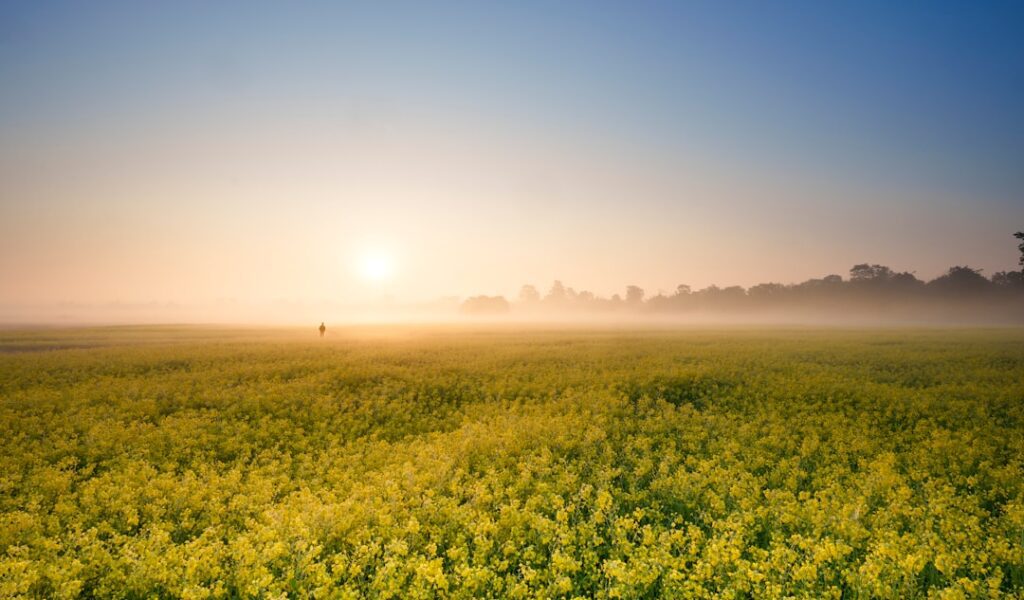
Majuli, India’s Hidden Riverine Serenity, Living Culture & Spiritual Heritage (2026)
Sunrise on the Brahmaputra reveals a world apart. As mist lifts from the vast, tea-colored river, you hear the rhythmic chanting from a *satra* (monastery) and see fishermen casting their nets from slender wooden boats. This is Majuli, the world’s largest river island, a 352 sq km haven of Vaishnavite culture that has withstood the river’s relentless erosion for centuries. While most travelers head to Assam’s tea gardens, savvy ones find a deeper, slower India here, where time is measured by prayer and the harvest.
Why Majuli, India Stands Out

Three huts illuminated at dusk in a wooded area., Majuli, India
- Historic Architecture: The Auniati Satra, established in 1653 AD, houses a remarkable collection of ancient artifacts, including royal robes and weaponry, in its museum.
- Cultural Scene: The three-day Raas Leela festival each November transforms the island with elaborate theatrical performances depicting Lord Krishna’s life, drawing devotees and artists from across India.
- Local Specialties: You must try *Apong*, a traditional, mildly alcoholic rice beer brewed by the Mising tribe, often served in bamboo containers.
Pro Tip: Visit between late October and March. The post-monsoon period (Oct-Nov) is lush and vibrant, perfect for photography, while the cool, dry winter (Dec-Feb) is ideal for cycling and exploration. Avoid the monsoon (June-September) when ferry services are unreliable and flooding is common.
Map of Majuli, India
Use these interactive maps to explore Majuli, India and plan your route:
📍 View Majuli, India on OpenStreetMap
🗺️ Open Majuli, India in Google Maps
Planning Your Trip: Practical Essentials
Getting There and Around
- By Air: The nearest airport is Jorhat (Rowriah Airport), about 20 km from the Nimati Ghat ferry point. Alliance Air and IndiGo connect Jorhat to Kolkata and Guwahati. From the airport, a pre-paid taxi (₹600-800) will take you to the ghat. Book flights at Skyscanner for best deals.
- By Train: The major railhead is at Jorhat Town. From there, an auto-rickshaw (₹200) can take you to Nimati Ghat. For a more scenic route, some travelers arrive via Mariani Junction. Reserve tickets at Trainline or the national railway website.
- By Car: You can drive to Nimati Ghat from Jorhat or Guwahati (approx. 6-7 hours). Parking is available at the ghat for a small fee. Compare car rentals at RentalCars.com.
- Local Transport: The island is best explored by rented bicycle (₹150-200/day) or scooter (₹300-400/day). Shared auto-rickshaws and tempo travelers ply fixed routes between villages for ₹20-50 per ride. For flexibility, hire a private car with a driver for the day (₹1500-2000).
Best Time to Visit
Majuli’s rhythm is dictated by the Brahmaputra River. Your experience will vary dramatically by season, from the flooded, verdant greens of autumn to the crisp, festival-filled days of winter.
| Season | Weather | Highlights |
|---|---|---|
| Summer (Jun–Aug) | Hot (28°C-35°C), extremely humid, heavy monsoon rains. | Not recommended. Frequent ferry cancellations, high humidity, and mosquitoes. The island can be partially submerged. |
| Winter (Dec–Feb) | Pleasant and dry (10°C-25°C), with cool nights. | Perfect for outdoor exploration and cycling. Clear skies, major festivals like Raas Leela (Nov) and Ali-Aye-Ligang (Feb). Peak tourist season. |
| Shoulder (Apr–May/Sep–Oct) | Warm to hot (Apr-May: 22°C-32°C), (Sep-Oct: 20°C-30°C) with post-monsoon lushness. | Best for nature lovers. Lush landscapes, fewer crowds than winter, and good birdwatching, especially in October. |
Budgeting for Majuli, India

Tranquil lake reflecting trees and huts on an island., Majuli, India
| Category | Budget | Mid-range | Luxury |
|---|---|---|---|
| Accommodation | ₹500-800 (Basic homestay/Guesthouse) | ₹1,200-2,500 (Comfortable cottage/Eco-lodge) | ₹3,500+ (Premium riverfront resort) |
| Meals | ₹200-300/day (Local eateries, thalis) | ₹500-800/day (Lodge restaurants, varied menus) | ₹1,200+/day (Multi-course curated meals) |
| Transport | ₹150/day (Bicycle rental) | ₹400/day (Scooter) + ₹100 (Ferry) | ₹2,000/day (Private car & driver) |
| Activities | Free (Village walks, Satra visits) | ₹500 (Guided cultural tour) | ₹1,500 (Private pottery/weaving workshop) |
| Daily Total | ₹850-1,250 | ₹2,200-3,800 | ₹7,000+ |
Top Attractions and Must-See Sights
| Attraction | Description | Hours | Entry Fee |
|---|---|---|---|
| Kamalabari Satra | The center for classical Satriya dance, music, and mask-making; attend a mesmerizing evening prayer session. | Dawn to Dusk (Prayer: 4-5 PM) | Free (Donation appreciated) |
| Auniati Satra | The most influential Satra with a priceless museum of Assamese art, royal artifacts, and ancient scriptures. | 9 AM – 5 PM | ₹20 |
| Dakhinpat Satra | Famous for its annual Raas Leela festival; a sprawling complex showcasing traditional architecture and crafts. | 8 AM – 6 PM | Free |
| Mising Tribal Village | Experience the vibrant culture of the indigenous Mising people, known for their handloom weaving and bamboo houses. | Daylight Hours | Free (Tip for guided tour) |
3-Day Itinerary: Majuli, India’s Highlights & Hidden Gems
Day 1: Spiritual Heart & Artistic Soul
- Morning (7-9 AM): Catch the first public ferry (₹20 per person, ₹150 for a bike) from Nimati Ghat to Majuli. The one-hour crossing is magical at dawn. Check into your homestay, like Ygdrasill Bamboo Cottage.
- Afternoon (12-3 PM): Cycle to Kamalabari Satra. Observe mask-making artisans at work. For lunch, stop at a simple local eatery for a hearty Assamese thali with fish curry and khar (alkali dish) for ₹150.
- Evening (6-8 PM): Return to Kamalabari Satra for the soul-stirring evening prayer (Nam Prasad). Afterwards, have dinner at your homestay, where you’ll likely be served home-cooked local fare.
Day 2: Culture, Craft & Community
- Morning (8 AM): Visit Auniati Satra (₹20 entry) to see its remarkable museum. Then, cycle to a Mising Village like Salmora, famous for pottery made without a wheel.
- Afternoon (1 PM): Enjoy a traditional Mising lunch in the village—try poita bhat (fermented rice) with fish, often for a small donation. Visit a handloom hut to see women weaving exquisite Gamosa and Mekhela Chador.
- Evening (5 PM): Head to Dakhinpat Satra to explore its vast grounds. For dinner, try La Maison de Ananda for a fusion of local and continental dishes (meal for ₹400-600).
Day 3: Nature’s Bounty & Sunset Serenity
- Morning (7 AM): Rent a scooter (₹300) and ride to the island’s northern edge for birdwatching. The wetlands are home to migratory birds like pelicans and adjutant storks.
- Afternoon (12 PM): Have a picnic lunch by the river. Then, visit the Samaguri Satra, the epicenter of traditional Mukha (mask) craft, and see artists create elaborate pieces.
- Evening (4 PM): Find a quiet spot on the banks of the Brahmaputra to witness a breathtaking sunset. Your final dinner should feature Apong (rice beer). Catch the last ferry back to Nimati Ghat around 5 PM if departing.
Cultural Insights & Etiquette
- Language: Assamese is primary, but Mising is also spoken. Hindi is understood in tourist areas. Learn: “Nomoskar” (Hello), “Dhonnobad” (Thank you).
- Customs: Always remove your shoes before entering a Satra or a Mising bamboo house. Seek permission before photographing people, especially during religious ceremonies. Dress modestly.
- Tipping: Not mandatory but appreciated. Round up taxi fares, leave ₹50-100 for a good homestay host, and ₹100-200 for a dedicated guide.
- Dress Code: Modest clothing is essential. Cover shoulders and knees when visiting Satras. Comfortable, breathable cotton is best for the climate.
- Business Hours: Shops open 9 AM-7 PM. Satras are open from dawn until early evening. Government offices observe a 10 AM-5 PM schedule. Many places close on Sundays.
Where to Eat: Majuli, India’s Best Bites
Dining in Majuli is a humble, homely affair. You won’t find flashy restaurants, but rather authentic, farm-to-river cuisine centered on rice, freshwater fish, local greens, and simple, flavorful preparations. Most meals are enjoyed at your guesthouse or in small village eateries.
Must-Try Local Specialties
- Assamese Thali: A complete platter with rice, dal (lentils), a tart tenga (fish stew), khar (a signature alkaline dish made with raw papaya or pulses), and various boiled greens. Best tried at any local homestay.
- Pitha: Rice cakes, often stuffed with coconut or sesame, especially popular during the Bihu festivals. Look for them in local markets or ask your host.
- Apong: The traditional rice beer of the Mising tribe. It’s mildly alcoholic, slightly sour, and served in bamboo mugs. The best way to try it is by visiting a Mising village home.
Restaurant Recommendations by Budget
| Type | Restaurant | Specialty | Price Range |
|---|---|---|---|
| Budget | Local Dhabas near Kamalabari Market | Fresh, daily Assamese thali with fish | ₹120-200 |
| Mid-range | La Maison de Ananda (Near Kamalabari) | Fusion cuisine, good coffee, and pasta | ₹300-600 |
| Fine dining | Your Premium Resort (e.g., Dekasang Resort) | Curated multi-course Assamese feasts | ₹800-1,500 |
Where to Stay
Accommodation ranges from basic bamboo huts in Mising villages to comfortable eco-cottages and a few upscale resorts. Staying with a local family in a homestay is highly recommended for an authentic cultural immersion. Compare prices and book at Booking.com or Airbnb for apartments.
Best Neighborhoods for Accommodation
- Kamalabari Area: The most convenient base, close to major Satras, the main market, and ferry points. Offers a mix of homestays and lodges. Ideal for first-time visitors.
- Upper Majuli (Near Garamur): Quieter, more rural setting closer to nature and birding areas. You’ll find secluded eco-cottages here. Best for travelers seeking peace.
- Mising Village Stays (e.g., Salmora): For deep cultural immersion. Accommodation is very basic (shared facilities) but offers unparalleled insight into tribal life. Perfect for adventurous, respectful travelers.

Three children gathered near a traditional weaving loom., Majuli, India
FAQs: Your Majuli, India Questions Answered
1. Is Majuli, India safe at night?
Majuli is exceptionally safe. The crime rate is very low. However, roads are poorly lit after dark. It’s advisable to finish your travels by sunset and use a torch or bicycle light if moving around. Women travelers generally report feeling safe, but standard precautions apply.
2. What currency is used and are credit cards accepted?
The Indian Rupee (₹) is the currency. Cash is king in Majuli. Very few homestays or eateries accept credit/debit cards. There are only a couple of ATMs on the island (in Kamalabari and Garamur), and they can run out of cash. Your best bet is to withdraw sufficient cash in Jorhat before crossing over.
3. How do I get from the airport to the island?
From Jorhat Airport, take a pre-paid taxi (₹600-800) to Nimati Ghat (45 mins). From there, take a public ferry (₹20, 1 hour) or a private motorboat (₹1500-2000 for the boat, 30 mins) to Majuli. Book airport transfers at GetYourGuide for convenience.
4. Do I need to speak the local language?
Not necessarily. While Assamese is primary, most people involved in tourism (homestay hosts, Satra guides, boat operators) speak basic Hindi. English is understood at established guesthouses and resorts. Learning a few Assamese greetings will be warmly appreciated.
5. What’s the appropriate dress code?
Modest, comfortable clothing is non-negotiable. For visiting Satras, ensure shoulders and knees are covered. Light,
Related Guides
Explore more destinations similar to Majuli:


Pingback: Andijan, Uzbekistan's Epic Silk Road Legacy, Bazaars & Babur's Birthplace (2026) - tangyOcean