
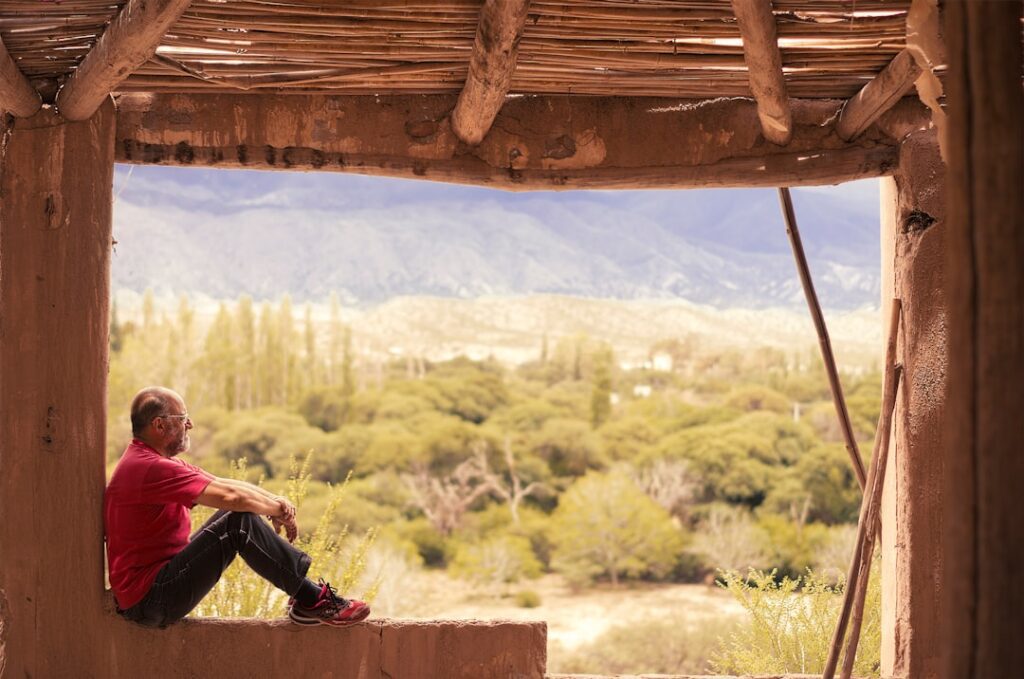
Amaicha del Valle, Argentina: Epic Indigenous Culture, High Desert Vistas & Ancient Wines (2026)
While crowds flock to the postcard-perfect Salta city, just 160 kilometers southwest, Amaicha del Valle offers a profound cultural immersion at 2,000 meters above sea level. Here, in the heart of the Valles Calchaquíes, the Diaguita-Calchaquí community has preserved its ancestral governance for over 400 years, a living history you can witness firsthand. This isn’t a museum town; it’s a vibrant, sun-baked settlement where ancient traditions shape daily life, from the adobe architecture to the cultivation of some of the world’s highest-altitude vineyards.
Why Amaicha del Valle, Argentina Stands Out
Monochrome image of Mar del Plata’s urban beach featuring empty structures …, Amaicha del Valle, Argentina
- Historic Architecture: The Pachamama Museum (1998), designed by local artist Héctor Cruz, is a stunning adobe structure dedicated to the Earth Mother, blending indigenous cosmology with architectural genius.
- Cultural Scene: The Fiesta Nacional de la Pachamama in February, a vibrant, multi-day celebration of gratitude to Mother Earth, is one of Argentina’s most authentic and spiritually significant festivals.
- Local Specialties: You must try vino patero, a unique, artisanal wine still made by foot-treading grapes in traditional leather vats, a method unchanged for centuries.
Pro Tip: Plan your visit for late February to experience the Fiesta de la Pachamama, but book accommodation at least six months in advance. For a quieter, equally stunning experience, the shoulder months of April or September offer perfect hiking weather and zero crowds.
Map of Amaicha del Valle, Argentina
Use these interactive maps to explore Amaicha del Valle, Argentina and plan your route:
📍 View Amaicha del Valle, Argentina on OpenStreetMap
🗺️ Open Amaicha del Valle, Argentina in Google Maps
Planning Your Trip: Practical Essentials
Getting There and Around
- By Air: The nearest major airport is Martín Miguel de Güemes International Airport (SLA) in Salta, 180km away. Aerolíneas Argentinas and LATAM offer daily flights from Buenos Aires. From the airport, your best bet is a pre-booked shuttle or rental car for the scenic 3-hour drive. Book flights at Skyscanner for best deals.
- By Train: There are no direct passenger train services to Amaicha. The famous Tren a las Nubes passes through the broader region, but the most practical access is by road. For other Argentine rail journeys, you can research options at Trainline or the national railway website.
- By Car: Driving is the most flexible way to explore. Take Ruta Nacional 40 and Ruta Provincial 307 from Salta. The roads are paved but winding through mountain passes—allow 3 hours. Rental cars are available in Salta; a 4×4 is not necessary for Amaicha itself but is recommended for exploring deeper into the *quebradas*. Compare car rentals at RentalCars.com.
- Local Transport: Within Amaicha, everything is walkable. To visit nearby sites like the Ruinas de Quilmes, local *remise* (taxi) services or guided tours from your hotel are the only options, as there is no formal public bus system within the valley.
Best Time to Visit
The climate is dry and sunny year-round, with dramatic temperature swings between day and night due to the high desert altitude. The key is avoiding the summer rain season and planning around major festivals.
| Season | Weather | Highlights |
|---|---|---|
| Summer (Dec–Feb) | Warm days (20-28°C), frequent afternoon thunderstorms, cool nights. Peak of rainy season in Jan. | The vibrant Fiesta de la Pachamama in Feb. Lush, green landscapes. Higher chance of road delays. |
| Winter (Jun–Aug) | Crisp, sunny days (15-20°C), very cold nights often below freezing. Zero rain. | Incredibly clear skies, perfect for stargazing. Ideal for hiking during the day. Fewest tourists. |
| Shoulder (Apr–May/Sep–Oct) | The sweet spot: Mild days (18-25°C), pleasant nights, minimal rain, and abundant sunshine. | Perfect weather for all activities. Vineyard visits during harvest (March-April). Optimal conditions for photography. |
Budgeting for Amaicha del Valle, Argentina

Stone lion statue in Mar del Plata, Amaicha del Valle, Argentina
| Category | Budget | Mid-range | Luxury |
|---|---|---|---|
| Accommodation | Hostel or basic *hospedaje*: AR$ 15,000-20,000/night | Charming posada or boutique hotel: AR$ 30,000-45,000/night | Full-service hotel or exclusive estancia: AR$ 60,000+/night |
| Meals | Market empanadas & local bakery: AR$ 5,000-8,000 | Set-menu *almuerzo* at a family restaurant: AR$ 10,000-15,000 | Gourmet dinner with local wine pairing: AR$ 25,000+ |
| Transport | Local walking only; remise for essentials | Hired remise for half-day excursions (~AR$ 20,000) | Private driver & guide for multi-day touring |
| Activities | Free hikes, plaza wandering, museum (~AR$ 2,000) | Guided tour to Ruinas de Quilmes (~AR$ 15,000) | Private vineyard tour & tasting, weaving workshop |
| Daily Total | AR$ 25,000-35,000 | AR$ 60,000-85,000 | AR$ 100,000+ |
Top Attractions and Must-See Sights
| Attraction | Description | Hours | Entry Fee |
|---|---|---|---|
| Museo de la Pachamama | A breathtaking architectural homage to Mother Earth, with monumental sculptures, gemstone mosaics, and exhibits on Diaguita culture. | 9 AM – 1 PM, 3 PM – 7 PM Daily | AR$ 2,000 (Free for children) |
| Ruinas de Quilmes | The sprawling, awe-inspiring archaeological site of a pre-Hispanic city that resisted the Inca and Spanish for over 130 years. | 8 AM – 6 PM Daily | AR$ 4,000 (Includes small museum) |
| Bodega Comunitaria Amaicha | The community winery where you can taste the legendary vino patero and learn about high-altitude viticulture. | 10 AM – 6 PM (Tours at 11 AM & 4 PM) | AR$ 5,000 (Tour & tasting) |
| El Pichao | A smaller, incredibly authentic satellite community known for its artisan weavers and even more traditional way of life. | Visit during daylight hours | Free (Purchases support artisans) |
3-Day Itinerary: Amaicha del Valle, Argentina’s Highlights & Hidden Gems
Day 1: Immersion in Culture & Craft
- Morning (7-9 AM): Start with a walk to the Mirador del Valle for sunrise over the cactus-studded landscape. The light on the red mountains is magical. Then, visit the central plaza to see the Cabildo Indígena, the seat of the centuries-old indigenous council.
- Afternoon (12-3 PM): Explore the magnificent Museo de la Pachamama. Allow at least two hours. For lunch, head to El Rancho de Félix on the main road for a massive *locro* (hearty stew) or tamales.
- Evening (6-8 PM): Join the 4 PM tour at the Bodega Comunitaria. After your tasting, enjoy a simple, delicious dinner at El Algarrobo, a family-run spot known for its grilled kid goat (*chivito*).
Day 2: Ancient History & Starlit Skies
- Morning (8 AM): Hire a remise (approx. AR$ 20,000 roundtrip) for the 30-minute drive to the Ruinas de Quilmes. Arrive early to beat the heat and have the vast city complex largely to yourself. Climb to the fortress at the top for panoramic views.
- Afternoon (1 PM): Return to Amaicha for a late lunch at Kusily, near the museum, which offers creative twists on traditional dishes. Then, visit the small artisan market by the plaza to shop for hand-woven textiles and ceramics.
- Evening: With virtually no light pollution, stargazing is a must. Simply step outside your lodging after dinner. For a guided experience, ask your hotel to arrange an informal talk with a local knowledgeable about the southern hemisphere constellations.
Day 3: Community Life & Scenic Farewells
- Morning (9 AM): Take a remise to the community of El Pichao (15 mins, ~AR$ 8,000). Knock on doors of workshops marked “Tejidos” to meet weavers like Doña Susana, who will demonstrate backstrap loom techniques. Purchases here directly support families.
- Afternoon (12 PM): Enjoy a picnic lunch with supplies from the Amaicha panadería. Then, take one of the marked hiking trails behind town, like the short walk to ancient petroglyph sites—ask a local for directions.
- Evening (6 PM): For your final meal, savor wood-fired pizzas at La Casona del Valle, a popular gathering spot. Sit outside, watch the sunset paint the mountains purple, and reflect on the profound peace of the valley.
Cultural Insights & Etiquette
- Language: Spanish is essential; very little English is spoken. Learn key phrases: “Jallalla Pachamama” (a greeting/thanks to Mother Earth), “¿Puedo pasar?” (May I enter?) before entering artisan courtyards.
- Customs: Always ask permission before photographing people, especially elders. The community is welcoming but values respect. Participating in or observing a *copa* (shared drink) offering is a sign of respect and connection.
- Tipping: Not widely expected in small family restaurants, but 10% is appreciated for good service. Always tip guides and drivers directly (10-15%).
- Dress Code: Modest, practical clothing is best. Days are sunny—hats and sunscreen are mandatory. Evenings are cold; pack layers. For visiting the Cabildo or community leaders, avoid shorts and tank tops.
- Business Hours: Expect a long siesta from about 1 PM to 5 PM, when most shops and some museums close. Dinner starts late, around 8:30 or 9 PM. Many places close on Sundays.
Where to Eat: Amaicha del Valle, Argentina’s Best Bites
Dining in Amaicha is about hearty, earthy flavors that have sustained life in this arid climate for millennia. Don’t expect flashy service; expect generous portions, family recipes, and ingredients like corn, squash, goat, and llama.
Must-Try Local Specialties
- Humita en Chala: A savory steamed corn paste wrapped in corn husks. The ultimate comfort food, found at every market stall and often served as a starter.
- Chivito a la Cruz: Whole kid goat slow-roasted over an open fire. This is festival food, but some restaurants like El Algarrobo prepare it on weekends. It’s tender, smoky, and unforgettable.
- Quesillo con Miel de Caña: A simple dessert of local goat’s milk cheese drizzled with *arrope* (a thick, sweet syrup made from grape must). Try it at the end of a meal at any traditional *comedor*.
Restaurant Recommendations by Budget
| Type | Restaurant | Specialty | Price Range |
|---|---|---|---|
| Budget | Comedor Doña ass (Main Plaza) | Heavy, set-menu *almuerzos* with soup, main, and dessert. | AR$ 8,000-12,000 |
| Mid-range | Kusily (Av. Principal near museum) | Innovative regional cuisine like llama steak with quinoa. | AR$ 15,000-25,000 |
| Fine dining | Restaurant of Hostal de la Luz | Multi-course tasting menus with wine pairings in an elegant adobe setting. | AR$ 30,000+ |
Where to Stay
Accommodation ranges from basic family hospedajes to beautiful, design-conscious posadas built from adobe and stone. Staying within the town center is best for easy access to everything. Compare prices and book at Booking.com or Airbnb for apartments.
Best Neighborhoods for Accommodation
- Centro (Town Center): The most convenient area, clustered around the plaza and main avenue. You’ll be steps from restaurants, the museum, and transport. Can be slightly noisier during the day but utterly quiet at night. Ideal for first-time visitors.
- Along Ruta 307 (Outskirts): Several beautiful posadas are located just outside town on the road to Quilmes. These offer stunning, unobstructed mountain views, total silence, and more garden space. You’ll need to walk 10-15 minutes into town or rely on remises.
- El Pichao: For the ultimate immersive experience, a few families offer very basic rooms. This is for the adventurous traveler seeking deep cultural exchange. Amenities are minimal, but the connection is real.

Stunning view of Les Eclaireurs Lighthouse with snow-capped mountains in Ushuaia, Amaicha del Valle, Argentina
FAQs: Your Amaicha del Valle, Argentina Questions Answered
1. Is Amaicha del Valle, Argentina safe at night?
Yes, it is exceptionally safe. The community is small, close-knit, and crime is extremely rare. You can walk around the center at night without concern. Standard precautions like being aware of your surroundings still apply, but the overall atmosphere is one of profound tranquility and security.
2. What currency is used and are credit cards accepted?
The Argentine Peso (ARS) is the currency. Cash is king in Amaicha. While some higher-end hotels and a couple of restaurants may accept credit cards (Visa/Mastercard), you must assume you’ll need cash for everything else—markets, remises, artisan purchases, museum entries, and most meals. Bring sufficient pesos from Salta, as there
Related Guides
Explore more destinations similar to Amaicha del Valle:
- Gorham’s Cave, Gibraltar: Best Neanderthal Secrets, Mediterranean Views & UNESCO Heritage (2025)
- Ultimate Cairns Travel Guide: Best Attractions, Itinerary & Tips
- Tlemcen, Algeria: Essential Andalusian Architecture, Sacred Forests & Living History (2026)
- Majuro, Marshall Islands: Ultimate Atolls, WWII History & Traditional Navigation (2025)

