
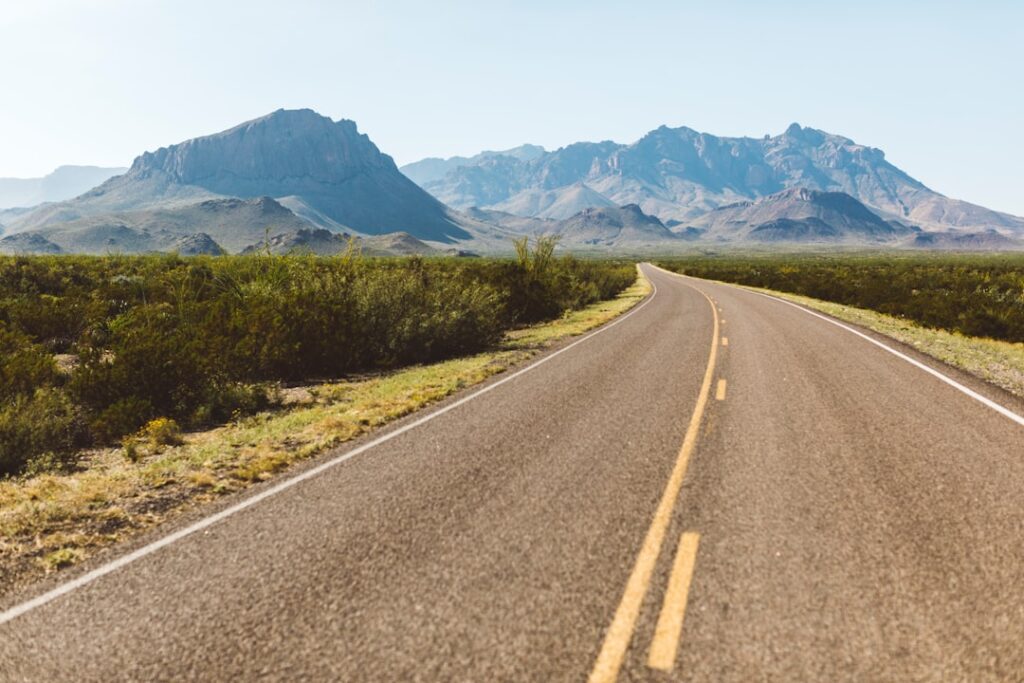
Big Bend National Park, USA: Hidden Stargazing, Solitude & Southwestern Grandeur (2026)
Sunset in Big Bend National Park reveals a silence so profound you can hear the Rio Grande flowing 800 feet below the South Rim. The air smells of creosote after a rare desert rain, and as the last light fades from the Chisos Mountains, a celestial dome emerges with a clarity found in fewer than 10 places worldwide. This is the least visited of America’s major national parks, a sprawling 801,163-acre testament to raw, untamed beauty where Mexico is your southern neighbor.
Why Big Bend National Park, USA Stands Out

A big bend national park sign in the middle of a road, Big Bend National Park, USA
- Historic Architecture: The 1937 Fossil Bone Exhibit building, a classic CCC-built adobe structure, houses a stunning collection of prehistoric creatures from when this desert was an inland sea.
- Cultural Scene: The annual Big Bend Balloon Bash in nearby Alpine transforms the desert sky with a kaleidoscope of hot air balloons against the rugged landscape.
- Local Specialties: A plate of authentic, smoky carne guisada with fresh flour tortillas, a Tex-Mex staple perfected in the borderland kitchens of Terlingua.
Pro Tip: Your best bet for perfect weather and manageable crowds is the shoulder seasons: aim for late October through November, or February through early April. Avoid the scorching summer heat (often 100°F+) and visit mid-week when you might have iconic trails like Santa Elena Canyon virtually to yourself.
Map of Big Bend National Park, USA
Use these interactive maps to explore Big Bend National Park, USA and plan your route:
📍 View Big Bend National Park, USA on OpenStreetMap
🗺️ Open Big Bend National Park, USA in Google Maps
Planning Your Trip: Practical Essentials
Getting There and Around
- By Air: The closest major airports are Midland/Odessa (MAF), a 3-hour drive north, or El Paso (ELP), a 4.5-hour drive west. You’ll find connecting flights on American, United, and Southwest. Book flights at Skyscanner for best deals.
- By Train: Amtrak’s Sunset Limited line stops in Alpine, TX, about 80 miles north of the park. From there, you’ll need a rental car. Reserve tickets at Trainline or the national railway website.
- By Car: A vehicle is non-negotiable. You’ll approach via TX-118 from Alpine or US-385 from Marathon. Roads are well-maintained but remote; fill your tank before entering. Compare car rentals at RentalCars.com.
- Local Transport: There is no public transportation within the park. Your own car or a rented 4×4 for backcountry roads is essential. Rangers recommend high-clearance vehicles for exploring areas like Old Maverick Road.
Best Time to Visit
Seasonal shifts in Big Bend are dramatic, dictating what you can do and where you can go. Savvy travelers plan their activities around the temperature extremes.
| Season | Weather | Highlights |
|---|---|---|
| Summer (Jun–Aug) | Extremely hot, 95-105°F+ in desert, cooler in Chisos. Afternoon thunderstorms possible. | River activities are prime; low crowds but intense heat limits hiking. Best for early morning and late evening outings. |
| Winter (Dec–Feb) | Desert: 30-60°F. Chisos Mountains can see freezing temps and occasional snow. | Excellent for strenuous desert hiking like the Lost Mine Trail; crisp, clear days. Popular season, so book lodging early. |
| Shoulder (Apr–May/Sep–Oct) | Ideal, 50-85°F. Warm days, cool nights. Minimal rain. | Perfect for all activities—hiking, river trips, and scenic drives. Wildflowers bloom in spring; autumn offers brilliant light. |
Budgeting for Big Bend National Park, USA

Person standing on brown rock formation during daytime, Big Bend National Park, USA
| Category | Budget | Mid-range | Luxury |
|---|---|---|---|
| Accommodation | $20/night (campground) or $100/night (basic motel in Study Butte) | $150-$250/night (Chisos Mountains Lodge or upgraded cabin) | $300+/night (private Terlingua ranch house or luxury glamping) |
| Meals | $30/day (camp cooking & picnic lunches) | $60/day (casual restaurants like Starlight Theatre) | $100+/day (multi-course meals at upscale lodges) |
| Transport | $40/day (fuel for park driving) | $70/day (fuel + guided shuttle to trailhead) | $150+/day (private 4×4 tour) |
| Activities | $0 (hiking & scenic drives) | $75 (half-day canoe rental) | $200 (full-day guided river trip) |
| Daily Total | $90-$150 | $200-$350 | $500+ |
Top Attractions and Must-See Sights
| Attraction | Description | Hours | Entry Fee |
|---|---|---|---|
| Santa Elena Canyon | Where the Rio Grande cuts a breathtaking 1,500-foot-deep slash through limestone cliffs; a short trail leads to the majestic mouth. | Sunrise to Sunset | Included in Park Fee |
| The South Rim | The park’s crown jewel hike, offering a staggering, 360-degree panorama of the Chisos and the desert floor stretching to Mexico. | 24/7 (hike in daylight) | Included in Park Fee |
| Ross Maxwell Scenic Drive | A 30-mile paved road showcasing the park’s geological diversity, ending at Santa Elena with stops at Sotol Vista and Mule Ears. | Sunrise to Sunset | Included in Park Fee |
| Hot Springs Historic District | Soak in 105°F natural springs right on the Rio Grande, amidst the ruins of an early 1900s resort and pictographs. | Sunrise to Sunset | Included in Park Fee |
3-Day Itinerary: Big Bend National Park, USA’s Highlights & Hidden Gems
Day 1: Desert Icons & Canyon Majesty
- Morning (7-9 AM): Enter via Panther Junction, pay the $30 vehicle fee (valid 7 days), and drive directly to the Ross Maxwell Scenic Drive. Stop at Sotol Vista for your first epic overlook. Your best bet is to beat the heat and crowds to the trailhead.
- Afternoon (12-3 PM): Hike the 1.7-mile round-trip Santa Elena Canyon Trail. Afterwards, drive back to the Terlingua Ghost Town for a late lunch at the Starlight Theatre (try the famous chili or a prickly pear margarita).
- Evening (6-8 PM): Check into your lodging. As dusk falls, join the crowd on the porch of the Terlingua Trading Company to witness an unforgettable sunset over the Chihuahuan Desert.
Day 2: Mountain Highs & Desert Vistas
- Morning (6:30 AM start): Drive into the Chisos Basin. Hike the Lost Mine Trail (4.8 miles round-trip, moderate, $0 fee). The early start rewards you with cool temperatures and likely sightings of mountain lions or black bears in the distance.
- Afternoon (12-3 PM): Enjoy a packed lunch at the Chisos Basin Lodge patio. Then, take the scenic Window View Trail (an easy 0.3 miles) for a different perspective. Drive the bumpy but rewarding Grapevine Hills Road to hike to the Balanced Rock (2.2 miles round-trip).
- Evening (6-8 PM): For dinner, head to DB’s Rustic Iron BBQ in Study Butte for brisket. Then, drive to any pullout away from lights for some of the darkest night skies in North America—the Milky Way is often visible to the naked eye.
Day 3: History, Hot Springs & The River Road
- Morning (8 AM): Drive to the Hot Springs Historic District (approx 1 hour from Basin). Hike the short trail, soak in the riverside springs, and explore the old post office and pictographs.
- Afternoon (12-3 PM): Have a picnic at the Hot Springs. Then, if you have a high-clearance vehicle, venture onto the legendary River Road East (Old Ore Road) for a taste of rugged backcountry (check road conditions first!). Otherwise, visit the Fossil Discovery Exhibit to see 130-million-year-old dinosaur bones.
- Evening (6-8 PM): Your final dinner calls for authentic flavors at Taqueria el Milagro in Terlingua. End your trip back under the stars, perhaps at the Big Bend Observatory for a guided stargazing session (book ahead, ~$25).
Cultural Insights & Etiquette
- Language: English is primary, but Spanish is widely spoken in gateway communities. A friendly “Buenos días” or “Gracias” is appreciated.
- Customs: This is a slow-paced, respectful border region. Acknowledge the deep history of Native peoples, Mexican settlers, and ranchers. Always ask permission before photographing people in small communities.
- Tipping: Standard US 15-20% for sit-down meals. Tip river guides and tour operators 10-15% of the tour cost for good service.
- Dress Code: Utterly practical: sturdy hiking boots, wide-brimmed hats, layers for temperature swings, and swimwear for the hot springs. Dress is casual everywhere.
- Business Hours: Park is open 24/7. Visitor centers typically operate 9 AM-5 PM. Restaurants in Terlingua may keep irregular hours, especially off-season; it’s wise to call ahead.
Where to Eat: Big Bend National Park, USA’s Best Bites
Dining here is less about white tablecloths and more about hearty, satisfying food with character. You’ll find a mix of classic Texas fare, authentic Mexican, and quirky spots with live music and stunning views.
Must-Try Local Specialties
- Carne Guisada: A tender, slow-cooked beef stew in a rich, savory gravy, best served with homemade flour tortillas. Find it at any no-frills Mexican cafe like Espresso y Poco Más in Terlingua.
- Chili (Bowl o’ Red): Texas-style, meaning no beans, just slow-simmered beef, chili peppers, and spices. The Starlight Theatre’s version is legendary.
- Prickly Pear Margarita: A vibrant, sweet-tart cocktail made from the fruit of the native prickly pear cactus. A perfect sunset accompaniment.
Restaurant Recommendations by Budget
| Type | Restaurant | Specialty | Price Range |
|---|---|---|---|
| Budget | Long Draw Pizza (Terlingua) | Giant, delicious NY-style slices and cold beer | $5-$15 |
| Mid-range | The Starlight Theatre (Terlingua Ghost Town) | Chili, steaks, and live music in a historic building | $15-$35 |
| Fine dining | Chisos Mountains Lodge Dining Room (Chisos Basin) | Southwestern-inspired dishes with the best mountain views in the park | $25-$50 |
Where to Stay
Accommodations range from rustic park lodges to historic desert hideouts. There are no chain hotels inside the park. Booking 6-12 months in advance for the Chisos Mountains Lodge or popular spring/fall dates is a must. Compare prices and book at Booking.com or Airbnb for apartments and ranch houses.
Best Neighborhoods for Accommodation
- Chisos Basin: The only lodging inside the park, offering motel rooms and stone cabins with stunning views. It puts you at the trailhead for major hikes but books up incredibly fast.
- Terlingua Ghost Town/Study Butte: The main gateway, 5-10 minutes from the west entrance. Full of funky charm, historic ruins, restaurants, and a variety of rentals, from basic motels to unique adobe houses.
- Lajitas/Marathon: For those seeking more resort-style amenities (golf, spa). Lajitas is west of the park; Marathon is to the north. Both involve longer drives to park attractions but offer upgraded comfort.

A mountain with a very tall rock on top of it, Big Bend National Park, USA
FAQs: Your Big Bend National Park, USA Questions Answered
1. Is Big Bend National Park, USA safe at night?
Yes, the park is very safe in terms of personal security. The primary concerns are environmental: always carry ample water, a flashlight, and be aware of wildlife (javelina, snakes, mountain lions). When driving at night, be extremely cautious for animals on the road. Crime is exceptionally low.
2. What currency is used and are credit cards accepted?
US Dollars ($) are the currency. Major credit cards are accepted at park entrance stations, the Chisos Lodge, and most restaurants in Terlingua. However, cash is king at smaller food stands, some tour operators, and for tipping. There are limited ATMs, so bring cash with you.
3. How do I get from the airport to the park?
You must rent a car. There are no shuttles or taxis from Midland/Odessa or El Paso airports to the park (a 3-4.5 hour drive). Your journey is part of the adventure through vast West Texas landscapes. Book your rental car in advance, especially during peak seasons. For pre-booked tours that include transport, check options at GetYourGuide for convenience.
4. Do I need to speak the local language?
No, English is perfectly fine. However, you’ll hear Spanish spoken frequently in local communities. Learning a few basic phrases (“Hola,” “Por favor,” “Gracias”) is a sign of respect and often met with a smile.
5. What’s the appropriate dress code?
Functional and weather-appropriate. Think sun protection: a wide
{“@context”: “https://schema.org”, “@type”: “FAQPage”, “mainEntity”: [{“@type”: “Question”, “name”: “What is the best time to visit Big Bend National Park?”, “acceptedAnswer”: {“@type”: “Answer”, “text”: “The best time to visit Big Bend National Park depends on your preferences. Generally, the dry season offers the most pleasant weather for sightseeing and outdoor activities.”}}, {“@type”: “Question”, “name”: “How many days do I need in Big Bend National Park?”, “acceptedAnswer”: {“@type”: “Answer”, “text”: “Most travelers spend 3-5 days in Big Bend National Park to see the main attractions. A week allows for a more relaxed pace and day trips.”}}, {“@type”: “Question”, “name”: “Is Big Bend National Park expensive to visit?”, “acceptedAnswer”: {“@type”: “Answer”, “text”: “Big Bend National Park can be visited on various budgets. Accommodation ranges from hostels to luxury hotels, and local restaurants offer affordable dining.”}}]}
Related Guides
Explore more destinations similar to Big Bend National Park:
- Teyuna, Colombia: Essential Ancient Trails, Indigenous Wisdom & Cloud Forest Mysteries (2025)
- Stunning troyes Secrets’s Stunning Best Places to Visit (2025)
- Tanna Island, Vanuatu: Essential Volcanoes, Kastom Culture & Untouched Paradise (2025)
- Tula, Russia’s Best Samovars, Gingerbread & Heroic History (2026)

