
Sarek National Park, Sweden’s Amazing Wilderness, Solitude & Arctic Majesty (2026)
While crowds flock to the marked trails of Abisko National Park, Sarek National Park, Sweden delivers a true, untamed Arctic wilderness without a single maintained trail, hotel, or marked campsite. Here’s why savvy travelers choose differently: Sarek is Europe’s last great wilderness, a 1,970-square-kilometer expanse of 100 glaciers, six of Sweden’s highest peaks, and deep valleys where you’re more likely to encounter a reindeer herd than another human. This is not a curated park experience; it’s a raw, personal dialogue with nature.
Why Sarek National Park, Sweden Stands Out

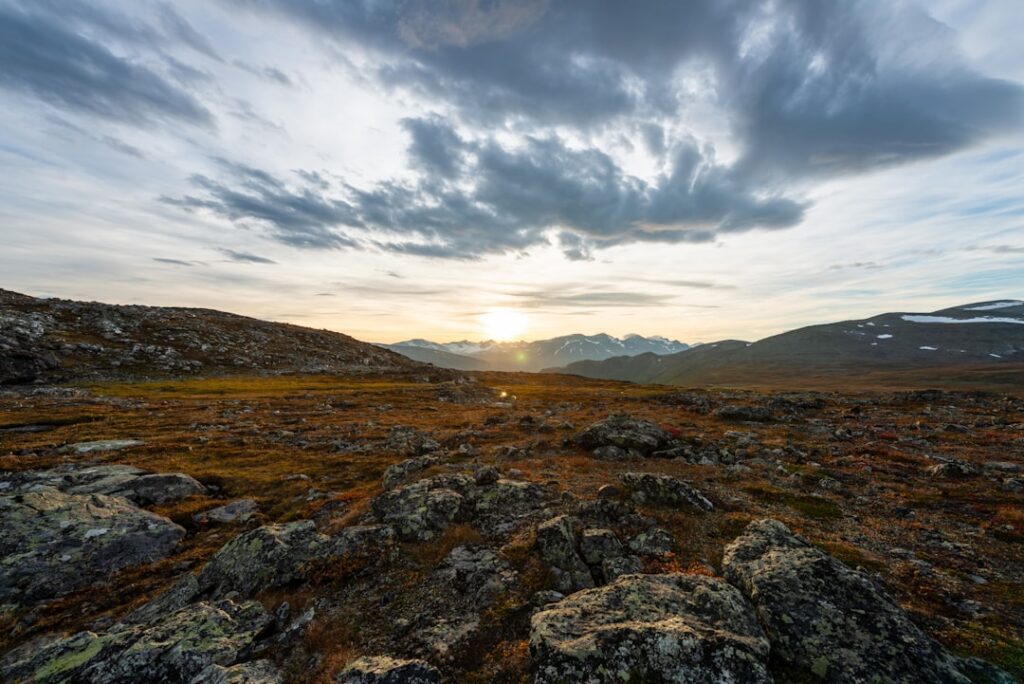
Scenry of mountain, Sarek National Park, Sweden
- Historic Architecture: The traditional Sámi *kåta* (tipi-like hut) is the only human structure, a testament to the enduring, sustainable lifestyle of the indigenous Sámi people who have herded reindeer here for millennia.
- Cultural Scene: The annual reindeer migration, a centuries-old tradition where Sámi herders guide thousands of reindeer through the park’s valleys, is a profound, non-touristic cultural event you might witness in spring or autumn.
- Local Specialties: Suovas, lightly smoked and salted reindeer meat, is the ultimate high-energy trail food, traditionally prepared by the Sámi and essential for long treks.
Pro Tip: Your best bet for manageable conditions and the iconic midnight sun is late June to early August. For autumn colors and fewer insects, aim for late August to early September. Avoid May and early June due to treacherous, high-water river crossings from snowmelt.
Map of Sarek National Park, Sweden
Use these interactive maps to explore Sarek National Park, Sweden and plan your route:
📍 View Sarek National Park, Sweden on OpenStreetMap
🗺️ Open Sarek National Park, Sweden in Google Maps
Planning Your Trip: Practical Essentials
Getting There and Around
- By Air: Fly into Kiruna Airport (KRN), served by SAS and Norwegian. From there, you’ll need a 1.5-hour bus or taxi transfer to the gateway town of Jokkmokk or Kvikkjokk. Book flights at Skyscanner for best deals.
- By Train: Overnight trains from Stockholm to Murjek or Gällivare connect to bus services to Kvikkjokk. The scenic journey takes 14+ hours. Reserve tickets at Trainline or the national railway website.
- By Car: Driving to trailheads like Kvikkjokk or Saltoluokta offers flexibility. The E45 highway is the main artery. Parking is available at mountain stations. Compare car rentals at RentalCars.com.
- Local Transport: “Local transport” here means pre-booked shuttle buses or boats to park entrances. From Kvikkjokk, a bus runs to the trailhead. From Saltoluokta, a boat crosses Lake Langas. Check with STF (Swedish Tourist Association) for schedules.
Best Time to Visit
Sarek is a seasonal destination, with the short summer window being the only viable time for most hikers. Winter is for expert ski expeditioners only.
| Season | Weather | Highlights |
|---|---|---|
| Summer (Jun–Aug) | 5°C to 15°C (41°F to 59°F). Long days, midnight sun in June/July. Unpredictable: sun, rain, wind, and even snow possible. | Hiking, wildflowers, birdlife, manageable river levels. Peak mosquito season (July). Few crowds but most visitors. |
| Winter (Dec–Feb) | -15°C to -30°C (5°F to -22°F). Polar night in December. Extreme conditions. | Experienced ski touring, Northern Lights, profound silence. Requires expert knowledge and survival skills. Virtually no tourists. |
| Shoulder (Sep–Oct) | 0°C to 10°C (32°F to 50°F). Rapidly cooling, shorter days. First snows in October. | Stunning autumn colors (September), no mosquitoes, true solitude. River levels lower. For experienced hikers comfortable with cold. |
Budgeting for Sarek National Park, Sweden
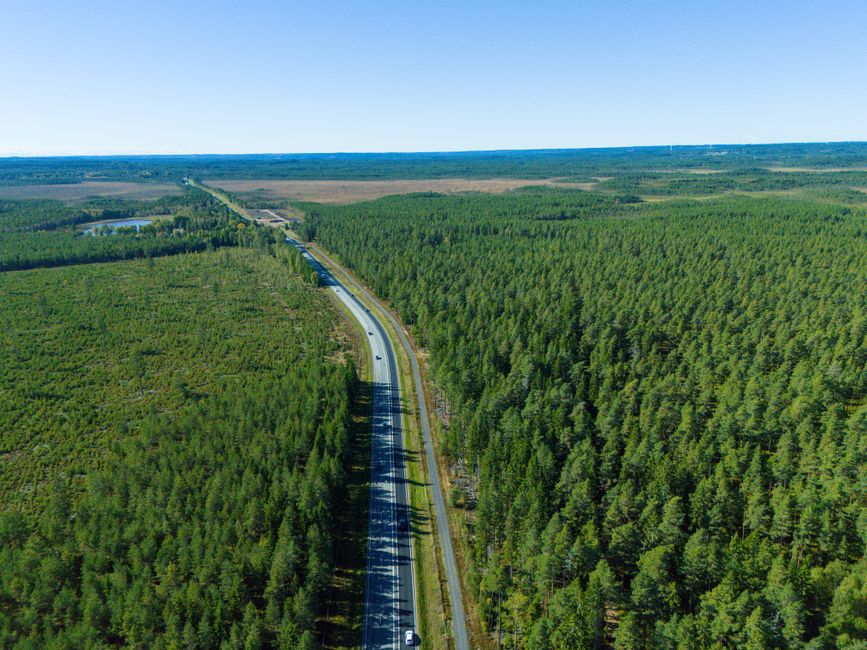
Aerial view of a highway cutting through a lush forest in Axamo, Sarek National Park, Sweden
| Category | Budget | Mid-range | Luxury |
|---|---|---|---|
| Accommodation | Wild camping (free), hostel in Kvikkjokk (~500 SEK/night) | STF Mountain Station dorm (~700 SEK/night) | Guided tour with tented camp support (2,500+ SEK/day) |
| Meals | Self-cooked dehydrated meals (~150 SEK/day) | Meals at mountain stations (~300 SEK/meal) | Full-board on guided expedition |
| Transport | Bus transfers (~200 SEK/trip) | Taxi to trailhead, boat fares (~500 SEK total) | Helicopter drop-in/out (5,000+ SEK) |
| Activities | Independent hiking (free) | Day guide for route planning (~1,500 SEK/day) | Multi-day guided wilderness expedition (8,000+ SEK/day) |
| Daily Total | ~350-500 SEK/day | ~1,500-2,000 SEK/day | 10,000+ SEK/day |
Top Attractions and Must-See Sights
| Attraction | Description | Hours | Entry Fee |
|---|---|---|---|
| The Rapa Valley (Rapadalen) | Sarek’s beating heart, a vast, delta-shaped valley carved by the Rapaätno River, often called “Sweden’s most beautiful valley.” | Always open | Free |
| Mount Skierfe | A dramatic 1,179-meter plateau offering the park’s most iconic and dizzying view straight down into the Rapa Valley. | Always open | Free |
| Pårtejekna Glacier | One of Sarek’s most accessible glaciers, offering a stark, powerful lesson in the Arctic’s ancient ice and current fragility. | Always open | Free |
| Alamvággi & Niják Valley | Parallel valleys offering classic Sarek hiking with high chances of spotting reindeer herds and Arctic foxes. | Always open | Free |
3-Day Itinerary: Sarek National Park, Sweden’s Highlights & Hidden Gems
Note: This is a sample short itinerary for strong hikers. Most Sarek treks last 7-10 days. This loop starts/finishes at Kvikkjokk.
Day 1: Into the Alpine Realm
- Morning (7-9 AM): Take the morning shuttle from Kvikkjokk Mountain Station to the Sarek boundary at Sjnjultje. Begin hiking north into the Niják Valley. Your first task is fording the Darfaljåhkå river—check levels carefully.
- Afternoon (12-3 PM): Ascend out of the forest into open alpine terrain. Look for reindeer on the slopes. Lunch on trail food like knäckebröd and suovas at a scenic overlook.
- Evening (6-8 PM): Set up camp near a stream in the upper Niják Valley. Enjoy the endless evening light and absolute silence, broken only by the call of a golden plover.
Day 2: The High Pass & Glacial Views
- Morning (8 AM): Break camp and tackle the climb to the Niják Pass (~900m). The view back down the valley is breathtaking. Weather changes rapidly here.
- Afternoon (1 PM): Descend into the Alamvággi Valley, a wider, U-shaped glacial valley. This is prime reindeer territory. Find a sheltered spot for lunch by a crystal-clear stream.
- Evening (7 PM): Camp in Alamvággi. If conditions are clear, take an evening stroll up a nearby slope to view the Pårtejekna Glacier glowing in the midnight sun.
Day 3: Forest Return & Mountain Station Comfort
- Morning (9 AM): Hike down the length of Alamvággi, fording several smaller streams. The landscape gradually shifts back to birch forest.
- Afternoon (1 PM): Reach the trail junction at Sjnjultje. It’s a final 5km forest walk back to the road at Kvikkjokk. The shuttle will return you to the mountain station.
- Evening (6 PM): Celebrate your return with a well-earned sauna and a hearty dinner at Kvikkjokk Mountain Station’s restaurant—try the Arctic char.
Cultural Insights & Etiquette
- Language: Swedish is official, but Northern Sámi is the historical language of the region. Key phrases: “Tack” (Thank you), “Hej” (Hello), “Ursäkta” (Excuse me). English is widely spoken at stations.
- Customs: The most important rule is Allemansrätten (The Right of Public Access). It allows freedom to roam and camp anywhere, but comes with the responsibility to not disturb, not destroy, and to leave no trace whatsoever. Never disturb reindeer or Sámi settlements.
- Tipping: Not expected in Sweden. For exceptional guided tour service, a small tip of 5-10% is appreciated but not mandatory.
- Dress Code: Utilitarian and weather-appropriate. Functional layers (wool, fleece, Gore-Tex), sturdy hiking boots. There is no “dress code” beyond preparedness.
- Business Hours: Mountain stations (STF) have reception hours, often 8 AM-8 PM in summer. Shops in gateway towns keep standard Swedish hours (9 AM-6 PM). Everything is closed on major holidays.
Where to Eat: Sarek National Park, Sweden’s Best Bites
Dining in Sarek means self-sufficiency. Your “restaurant” is your camp stove. Gateway towns and mountain stations offer the last and first taste of cooked meals.
Must-Try Local Specialties
- Suovas: Smoked reindeer meat. The ultimate high-protein, lightweight trail food. Buy it vacuum-packed in Jokkmokk or Kvikkjokk before you enter the park.
- Arctic Char (Röding): A delicious freshwater fish. If you’re skilled (and licensed), you might catch one in a park lake. Otherwise, enjoy it smoked or grilled at a mountain station.
- Cloudberries (Hjortron): The gold of the marsh. These rare, tart berries ripen in late summer. Foraging a handful is a special treat—eat them fresh or with a little sugar.
Restaurant Recommendations by Budget
| Type | Restaurant | Specialty | Price Range |
|---|---|---|---|
| Budget | Kvikkjokk Mountain Station Cafeteria | Hearty stews, pasta dishes, and packed lunches for the trail. | 100-200 SEK |
| Mid-range | Saltoluokta Mountain Station Restaurant | Excellent buffet with local fish, meats, and vegetarian options. Stunning lake views. | 250-350 SEK |
| Fine dining | Ájtte Museum Restaurant (Jokkmokk) | Modern takes on Sámi cuisine, like reindeer fillet with juniper berries, in a cultural setting. | 400-600 SEK |
Where to Stay
Inside the park, you camp wild. Accommodation bookings are for the gateway mountain stations, which are vital hubs for information, supplies, and a warm bed before/after your trek. Compare prices and book at Booking.com or Airbnb for apartments in towns like Jokkmokk.
Best Neighborhoods for Accommodation
- Kvikkjokk Mountain Station: The southern gateway. Offers hostel rooms, cabins, sauna, shop, and expert advice. Perfect for starting/finishing hikes into the western parts of Sarek. Book months ahead.
- Saltoluokta Mountain Station: The eastern gateway, reached by boat. Larger facilities, great restaurant, and access to the Kungsleden trail which leads into Sarek. A classic starting point.
- Jokkmokk Town: The cultural capital of Swedish Lapland, 1.5 hours from Kvikkjokk. Stay here for its excellent Ájtte Museum, supermarkets for final supplies, and hotels if you arrive late.

Explore serene camping amidst stunning Swedish mountains and lush wilderness., Sarek National Park, Sweden
FAQs: Your Sarek National Park, Sweden Questions Answered
1. Is Sarek National Park, Sweden safe at night?
From a human perspective, it is exceptionally safe. The primary risks are environmental: sudden weather changes, difficult river crossings, and terrain. There are no dangerous mammals (bears are extremely rare and shy). Your safety depends entirely on your preparation, equipment, and respect for nature. Always leave your detailed route plan with the mountain station.
2. What currency is used and are credit cards accepted?
Swedish Krona (SEK) is the currency. Credit/debit cards (especially Visa/Mastercard) are accepted universally at mountain stations, shops, and for transport. However, you must carry enough cash as a backup in case of technical issues in remote areas. There are no ATMs inside the park.
3. How do I get from the airport to the park gateway?
From Kiruna Airport, take a taxi or pre-booked bus to either Jokkmokk (for Kvikkjokk) or Gällivare (for Saltoluokta). The journey takes 1.5-2 hours and costs 400-800 SEK by taxi (shared is cheaper). From there, local buses or boats complete the journey. Book airport transfers at GetYourGuide for convenience.
4. Do I need to speak the local language?
No. English proficiency is very high among staff at mountain stations and in outdoor shops. Learning a few basic Swedish phrases is polite. For navigating, your most important “language” will be map-reading and GPS skills.
5. What’s the appropriate dress code?
The code is “functional layers.” You need a moisture-wicking base layer (wool), insulating mid-layers (fleece/down), and a waterproof/windproof outer shell (Gore-Tex). Sturdy, broken-in hiking boots are non-negotiable. Pack warm hat and gloves even in summer. There is no formal attire—only what keeps you safe and dry.
Final Thoughts: Sarek National Park, Sweden Awaits
Sarek
{“@context”: “https://schema.org”, “@type”: “FAQPage”, “mainEntity”: [{“@type”: “Question”, “name”: “What is the best time to visit Sarek National Park?”, “acceptedAnswer”: {“@type”: “Answer”, “text”: “The best time to visit Sarek National Park depends on your preferences. Generally, the dry season offers the most pleasant weather for sightseeing and outdoor activities.”}}, {“@type”: “Question”, “name”: “How many days do I need in Sarek National Park?”, “acceptedAnswer”: {“@type”: “Answer”, “text”: “Most travelers spend 3-5 days in Sarek National Park to see the main attractions. A week allows for a more relaxed pace and day trips.”}}, {“@type”: “Question”, “name”: “Is Sarek National Park expensive to visit?”, “acceptedAnswer”: {“@type”: “Answer”, “text”: “Sarek National Park can be visited on various budgets. Accommodation ranges from hostels to luxury hotels, and local restaurants offer affordable dining.”}}]}
Related Guides
Explore more destinations similar to Sarek National Park:
- Galápagos (Isabela Island), Ecuador: Essential Penguins, Volcanoes & Untamed Wildlife (2025)
- Nessebar’s Best Ancient Churches, Black Sea Charm & Seaside Dining (2025)
- Pristina, Kosovo’s Best Coffee, Contrasts & Youthful Energy (2025)
- Saint-Malo, France Weekend: Crêpes, Corsairs & The Best Oysters North of Cancale (2026)

