
Luxembourg City, Luxembourg: Essential Fortresses, Finance & Fairytale Valleys (2026)
Sunrise from the Chemin de la Corniche reveals a secret: this entire capital is built on a fortress. The morning mist clings to the 17th-century ramparts that snake through the Grund valley 70 meters below, a UNESCO-listed labyrinth of stone that earned Luxembourg the nickname “Gibraltar of the North.” You hear the quiet hum of trams in the modern plateau above, a stark contrast to the silence of the ancient casemates beneath your feet. This is a city where history isn’t just visited; it’s the very ground you walk on.
Why Luxembourg City, Luxembourg Stands Out

Person taking picture on black car wing mirror, Luxembourg City, Luxembourg
- Historic Architecture: The Bock Casemates, a 23-kilometer network of underground tunnels and galleries carved in 1644, are a breathtaking testament to the city’s military past.
- Cultural Scene: The Schueberfouer, a massive funfair dating back to 1340, transforms the city every August with rides, games, and the scent of *Gromperekichelcher* (potato pancakes).
- Local Specialties: You must try *Judd mat Gaardebounen*, smoked pork collar served with broad beans in a creamy sauce, the country’s national dish.
Pro Tip: Visit in late September or early October. The summer crowds have dissipated, the weather is still pleasant, and you’ll catch the vibrant autumn colors in the Petrusse and Alzette valleys. For the best photos of the Grund, go just before 9 AM when the morning light perfectly illuminates the valley and the tourist buses haven’t yet arrived.
Map of Luxembourg City, Luxembourg
Use these interactive maps to explore Luxembourg City, Luxembourg and plan your route:
📍 View Luxembourg City, Luxembourg on OpenStreetMap
🗺️ Open Luxembourg City, Luxembourg in Google Maps
Planning Your Trip: Practical Essentials
Getting There and Around
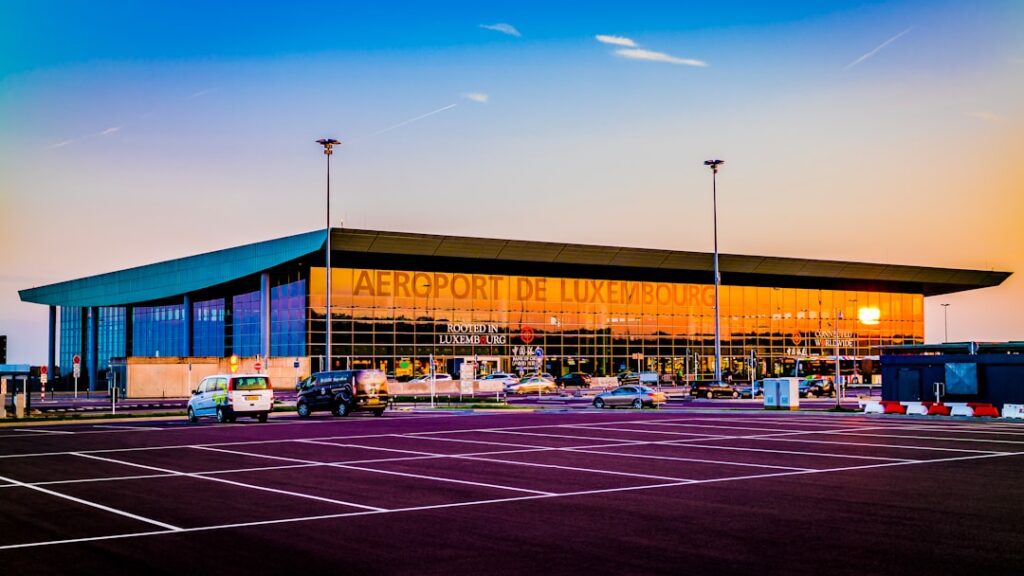
- By Air: Luxembourg Airport (LUX) is a 15-minute drive from the center. It’s a major hub for Luxair and is served by airlines like Lufthansa and KLM. A direct bus (Line 16) takes 20 minutes to the central station for €2. Book flights at Skyscanner for best deals.
- By Train: Excellent connections from Paris (2h 10m on TGV), Brussels (3h), and Frankfurt (4h). The central station (Gare de Luxembourg) is a key hub. Reserve tickets at Trainline or the national railway website.
- By Car: Well-connected via European motorways, but parking in the city center is expensive and limited. The “P+R Bouillon” park-and-ride is a savvy choice. Compare car rentals at RentalCars.com.
- Local Transport: The entire public transport network—buses and trams—is completely free nationwide. Simply hop on and off. The “Pfaffenthal-Kirchberg” elevator and the “Pétrusse Express” tourist train are also free and scenic ways to navigate the city’s levels.
Best Time to Visit
Luxembourg City shines in the shoulder seasons when mild weather meets thinner crowds. Summers are lively but busier, while winter offers a magical, festive atmosphere in the markets.
| Season | Weather | Highlights |
|---|---|---|
| Summer (Jun–Aug) | 18–25°C (64–77°F), sunny with occasional rain | Open-air cafes, the Schueberfouer fair, walking tours; peak tourist season. |
| Winter (Dec–Feb) | 0–5°C (32–41°F), cold and often damp | The enchanting Christmas Market on Place d’Armes, cozy *crémant* tastings; some attractions have reduced hours. |
| Shoulder (Apr–May/Sep–Oct) | 10–18°C (50–64°F), pleasant and crisp | Ideal for hiking the Wenzel Circular Walk, fewer crowds, perfect photography light in the valleys. |
Budgeting for Luxembourg City, Luxembourg

Gray star illustration, Luxembourg City, Luxembourg
| Category | Budget | Mid-range | Luxury |
|---|---|---|---|
| Accommodation | €70–€100/night (hostel/budget hotel) | €120–€200/night (3-4 star central hotel) | €250+/night (5-star like Le Royal or historic luxury) |
| Meals | €15–€25 (lunch menu, food truck, bakery) | €40–€70 (dinner at a good bistro with wine) | €100+ (Michelin-starred dining at Mosconi or Ma Langue Sourit) |
| Transport | €0 (free public transport) | €10–€20 (occasional taxi ride) | €80+ (private driver for a day) |
| Activities | €0–€20 (free walking tours, some museums free) | €30–€50 (combined museum passes, guided casemate tours) | €100+ (private guided historical tours, wine tasting tours) |
| Daily Total | €85–€145 | €200–€340 | €430+ |
Top Attractions and Must-See Sights
| Attraction | Description | Hours | Entry Fee |
|---|---|---|---|
| Bock Casemates | Explore the dramatic underground defense tunnels carved into the city’s cliff face, offering stunning valley views from gun emplacements. | 10 AM–5:30 PM (Mar–Oct) | €8 |
| Grand Ducal Palace | The official residence of the Grand Duke, a magnificent Renaissance building where you can see the ceremonial changing of the guard. | Tours: July–Aug only, 10 AM–6 PM | €15 (guided tour only) |
| Chemin de la Corniche | Hailed as “Europe’s most beautiful balcony,” this promenade along the old ramparts provides breathtaking panoramic views of the Grund quarter. | Always open | Free |
| MUDAM (Modern Art Museum) | Stunning museum of modern art designed by I.M. Pei, perched on the historic Fort Thüngen in the Kirchberg district. | 10 AM–6 PM (Wed–Mon) | €8 |
3-Day Itinerary: Luxembourg City, Luxembourg’s Highlights & Hidden Gems
Day 1: Ancient Fortress & The Historic Core
- Morning (7-9 AM): Start at the “Three Towers” on the Chemin de la Corniche for crowd-free photos. Walk to the Bock Promontory to see the archaeological crypt and the outside of the casemates.
- Afternoon (12-3 PM): Tour the Bock Casemates (€8). For lunch, head to Chiggeri in the Grund for their famous *Judd mat Gaardebounen* (€22) in a quirky, eclectic setting.
- Evening (6-8 PM): Wander the lantern-lit streets of the Grund valley. Have dinner at Mousel’s Cantine, a legendary brewery-tavern for hearty local fare and their own beer.
Day 2: Culture, Castles & Kirchberg
- Morning (9 AM): Visit the Grand Ducal Palace (if in season, €15) or the National Museum of History and Art (€7). Then, take the free Pfaffenthal elevator up to Kirchberg.
- Afternoon (1 PM): Explore MUDAM (€8) and the adjacent Fort Thüngen. Grab a modern lunch at the museum’s café. Walk past the EU institutions’ glass towers.
- Evening (7 PM): Return to the old town for an aperitif on Place d’Armes. Dine at Restaurant de l’Ancien Théâtre, set in a former theatre, for refined Luxembourgish cuisine.
Day 3: Valleys, Villages & Farewells
- Morning (9 AM): Take the free bus to the nearby village of Hollerich for the weekly market (Wed & Sat). Or, hike part of the Wenzel Circular Walk from the Grund to the Neumünster Abbey.
- Afternoon (12 PM): Enjoy a final lunch at Bourgmestre, known for its excellent *Friture de la Moselle* (small fried fish from the Moselle river).
- Evening (5 PM): Pick up souvenirs of local *crémant* (sparkling wine) or pottery. For a final memorable meal, savor Michelin-starred Italian at Mosconi in the Grund (book weeks ahead).
Cultural Insights & Etiquette
- Language: Luxembourgish is the national language, but French and German are official. English is widely spoken. A polite “Moien” (Hello) or “Merci” (Thank you) is appreciated.
- Customs: Greetings are formal; use titles (Mr., Mrs.) until invited to use first names. Punctuality is highly valued for any appointment.
- Tipping: Service is included in bills. It’s customary to round up the bill or leave 5-10% for exceptional service in restaurants. For taxis, round up to the nearest euro.
- Dress Code: Smart-casual is the norm. Dress more formally for fine dining and business settings. Comfortable walking shoes are non-negotiable for the city’s hills.
- Business Hours: Shops typically open 9 AM–6 PM (Mon–Sat), with some closing for lunch. Most are closed on Sunday. Banks close at 4:30 PM. Museums often close on Mondays.
Where to Eat: Luxembourg City, Luxembourg’s Best Bites
Luxembourgish cuisine is a hearty blend of German, French, and Belgian influences. Dining is a serious affair, with a strong café culture on squares like Place d’Armes. Don’t miss the local *crémant* or beers from Diekirch or Mousel.
Must-Try Local Specialties
- Judd mat Gaardebounen: The national dish of smoked pork collar with broad beans. Find an authentic version at Chiggeri or Mousel’s Cantine.
- Gromperekichelcher: Crispy, seasoned potato fritters often eaten at fairs. Best enjoyed fresh from a stall at the Schueberfouer or the Christmas Market.
- Friture de la Moselle: Small, lightly fried fish from the Moselle River region, typically eaten whole. Served at traditional restaurants like Bourgmestre.
Restaurant Recommendations by Budget
| Type | Restaurant | Specialty | Price Range |
|---|---|---|---|
| Budget | Chocolate House (by the Palace) | Over 80 varieties of hot chocolate and light lunches | €5–€15 |
| Mid-range | Um Dierfgen (Center) | Classic Luxembourgish dishes in a cozy, rustic setting | €25–€45 |
| Fine dining | La Cristallerie (Le Royal Hotel) | French haute cuisine in a breathtaking, opulent dining room | €120+ (tasting menu) |
Where to Stay
Accommodation ranges from historic hotels in the old town to modern business hotels in Kirchberg. Staying in or near the Ville Haute (High City) puts you within walking distance of most historic sights. Compare prices and book at Booking.com or Airbnb for apartments.
Best Neighborhoods for Accommodation
- Ville Haute (Old Town): The historic heart, close to palaces, shops, and restaurants. Can be noisy at night on main squares. Ideal for first-time visitors and history lovers.
- Grund (Valley): Picturesque and quiet, nestled along the Alzette River. Connected by elevator to the high city. Perfect for a romantic, scenic stay, but requires more uphill walking.
- Kirchberg: Modern district home to EU institutions, MUDAM, and the Philharmonic. Very quiet at night. Best for business travelers or those seeking contemporary design.

A train travels down the tracks, Luxembourg City, Luxembourg
FAQs: Your Luxembourg City, Luxembourg Questions Answered
1. Is Luxembourg City, Luxembourg safe at night?
Yes, it is consistently ranked as one of the safest capitals in the world. Standard precautions apply, but the old town, Grund, and main areas are well-lit and patrolled. The area around the central train station (Gare) can feel a bit rougher late at night, but violent crime is extremely rare.
2. What currency is used and are credit cards accepted?
The Euro (€) is the currency. Credit and debit cards (Visa, MasterCard) are accepted almost universally, including for small purchases. It’s still wise to carry some cash (€20-€50) for small markets, some taxis, or tips. ATMs are widely available.
3. How do I get from the airport to the city center?
The easiest and cheapest way is the public bus Line 16 or 29. They depart every 10-20 minutes, take about 20 minutes to the central station (Gare Centrale), and are completely free. A taxi costs approximately €25-€35 for the same journey. Book airport transfers at GetYourGuide for convenience.
4. Do I need to speak the local language?
Not at all. While Luxembourgish, French, and German are official, English is spoken fluently by most people in the tourism, service, and business sectors. Menus and signs are often multilingual. Locals are polite and will happily switch to English.
5. What’s the appropriate dress code?
Smart-casual is the standard. For daytime sightseeing, comfortable clothing and sturdy walking shoes are essential due to the hills and cobblestones. For nicer restaurants, men might wear trousers and a collared shirt, and women a dress or smart separates. Pack a light rain jacket regardless of season.
Final Thoughts: Luxembourg City, Luxembourg Awaits
Luxembourg City defies easy categorization. It’s where ancient fortress walls encircle sleek EU headquarters, where a hearty plate of Judd mat Gaardebounen is
{“@context”: “https://schema.org”, “@type”: “FAQPage”, “mainEntity”: [{“@type”: “Question”, “name”: “What is the best time to visit Luxembourg City?”, “acceptedAnswer”: {“@type”: “Answer”, “text”: “The best time to visit Luxembourg City depends on your preferences. Generally, the dry season offers the most pleasant weather for sightseeing and outdoor activities.”}}, {“@type”: “Question”, “name”: “How many days do I need in Luxembourg City?”, “acceptedAnswer”: {“@type”: “Answer”, “text”: “Most travelers spend 3-5 days in Luxembourg City to see the main attractions. A week allows for a more relaxed pace and day trips.”}}, {“@type”: “Question”, “name”: “Is Luxembourg City expensive to visit?”, “acceptedAnswer”: {“@type”: “Answer”, “text”: “Luxembourg City can be visited on various budgets. Accommodation ranges from hostels to luxury hotels, and local restaurants offer affordable dining.”}}]}
Related Guides
Explore more destinations similar to Luxembourg City:
- Puno, Peru’s Best Floating Islands, Andean Culture & Lake Titicaca Mysteries (2025)
- Kabale, Uganda’s Ultimate Highlands, Hikes & Heartfelt Hospitality (2025)
- Wae Rebo, Indonesia: Hidden Ancient Architecture, Mountain Spirituality & Living Culture (2025)
- Bandar-e Gaz, Iran’s Best Caspian Charm, Ancient Forests & Rustic Hospitality (2026)

