
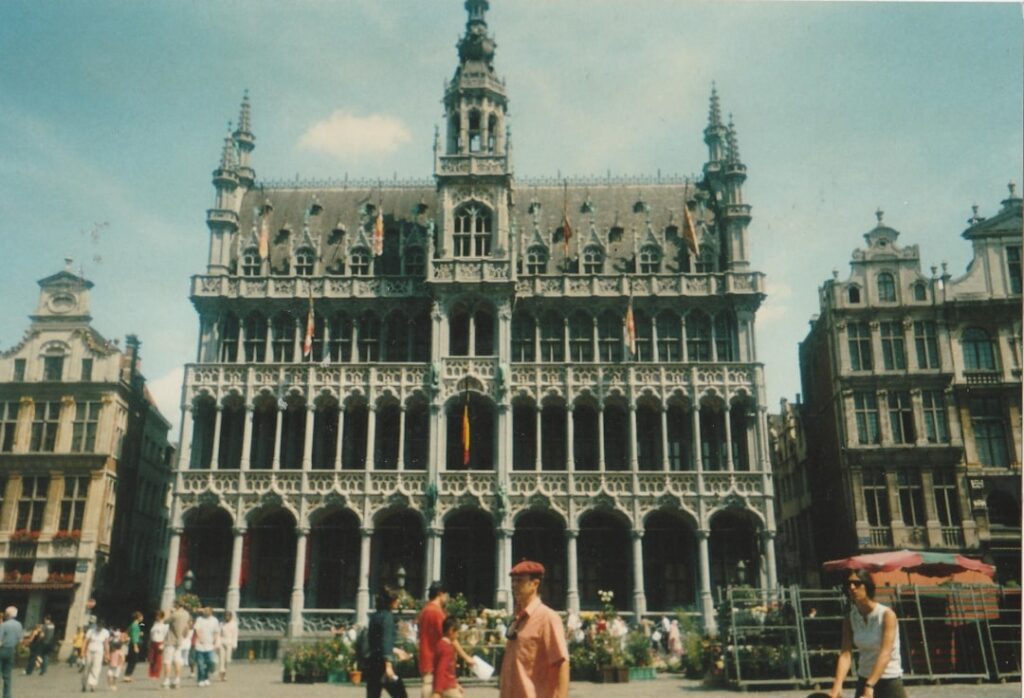
Brussels, Belgium’s Best Grand Squares, Comic Art & Chocolate Mastery (2026)
While crowds flock to Paris or Amsterdam, Brussels delivers a uniquely layered European capital experience without the overwhelming queues and price tags. For roughly €70/day, you can savor world-class chocolate, explore Art Nouveau masterpieces, and stand beneath the gilded opulence of the Grand-Place—a square Victor Hugo called “the most beautiful in the world.” This is a city where political gravitas meets whimsical street art, all within a wonderfully walkable center.
Why Brussels, Belgium Stands Out

White and gray concrete buildings, Brussels, Belgium
- Historic Architecture: The Grand-Place, rebuilt after the 1695 French bombardment, is a breathtaking UNESCO site showcasing Baroque guildhalls and the 15th-century Town Hall.
- Cultural Scene: The city is the global capital of comic strip art, with over 50 large-scale murals celebrating characters like Tintin and the Smurfs scattered across its streets.
- Local Specialties: You must try authentic *moules-frites* (mussels and fries), a national dish best enjoyed at a traditional *estaminet* (tavern) with a local beer.
Pro Tip: Visit the Grand-Place at dawn (around 6:30 AM in summer) to have its stunning architecture all to yourself, or on a Monday evening in July or August for the free, spectacular “Sound and Light” show projected onto the buildings.
Map of Brussels, Belgium
Use these interactive maps to explore Brussels, Belgium and plan your route:
📍 View Brussels, Belgium on OpenStreetMap
🗺️ Open Brussels, Belgium in Google Maps
Planning Your Trip: Practical Essentials
Getting There and Around
- By Air: Brussels Airport (BRU) is served by major airlines like Brussels Airlines, Lufthansa, and Ryanair. The train to Central Station takes 17 minutes and costs €9.30. Book flights at Skyscanner for best deals.
- By Train: Eurostar connects London to Brussels-Midi in just 2 hours. High-speed Thalys trains link Paris (1h22m) and Amsterdam (1h50m). Reserve tickets at Trainline or the national railway website.
- By Car: Driving is not recommended in the compact center due to complex one-way systems and expensive parking (€30+/day). For day trips, compare car rentals at RentalCars.com.
- Local Transport: The STIB/MIVB network of metros, trams, and buses is efficient. A single jump ticket is €2.50, but a 24-hour pass for €8.00 offers much better value. Check official city transport websites for passes and schedules.
Best Time to Visit
Brussels shines in the shoulder seasons when the weather is mild, crowds are thinner, and outdoor café life is in full swing. Summer brings festivals but also higher prices, while winter offers magical Christmas markets.
| Season | Weather | Highlights |
|---|---|---|
| Summer (Jun–Aug) | 15–23°C (59–73°F), occasional rain | Brussels Summer Festival, open-air events, vibrant terraces; peak crowds and hotel rates. |
| Winter (Dec–Feb) | 1–6°C (34–43°F), cold and damp | The spectacular Winter Wonders Christmas market (late Nov–early Jan), cozy beer halls; shorter daylight hours. |
| Shoulder (Apr–May/Sep–Oct) | 8–18°C (46–64°F), pleasant and mild | Ideal for walking tours, fewer tourists, lower accommodation costs, and beautiful spring blooms or autumn colors. |
Budgeting for Brussels, Belgium

Gray concrete building under white clouds during daytime, Brussels, Belgium
| Category | Budget | Mid-range | Luxury |
|---|---|---|---|
| Accommodation | Hostel: €25-€45/night | 3-4* hotel: €90-€160/night | 5* hotel (The Hotel): €250+/night |
| Meals | Street food/frites: €5-€10 | Tavern meal with beer: €25-€40 | Fine dining (Comme Chez Soi): €100+/person |
| Transport | 24-hour STIB pass: €8.00 | Taxis: €15-€25 for cross-town trips | Private driver/tours: €50+/hour |
| Activities | Free comics walk, park visits | Museum entry (€10-€15 each) | Private chocolate-making workshop (€75+) |
| Daily Total | €60-€80 | €130-€200 | €350+ |
Top Attractions and Must-See Sights
| Attraction | Description | Hours | Entry Fee |
|---|---|---|---|
| Grand-Place | The breathtaking central square, a UNESCO World Heritage site and the heart of the city since the 11th century. | 24/7 (buildings vary) | Free |
| Atomium | The iconic 102m-tall structure built for the 1958 World’s Fair, offering panoramic views and a unique retro-futuristic museum. | 10 AM–6 PM daily | €16 (adult) |
| Magritte Museum | Home to the world’s largest collection of works by the surrealist master René Magritte, housed in a elegant neoclassical building. | 10 AM–6 PM (closed Mon) | €10 (adult) |
| Manneken Pis | The famous, cheeky 61cm bronze statue of a urinating boy, often dressed in elaborate costumes from a wardrobe of 1000 outfits. | 24/7 | Free |
3-Day Itinerary: Brussels, Belgium’s Highlights & Hidden Gems
Day 1: Grand Squares & Guildhall Grandeur
- Morning (7-9 AM): Beat the crowds with a sunrise visit to the Grand-Place. Notice the distinctive spire of the Town Hall (built 1402-1455) and the ornate guildhalls representing different medieval trades.
- Afternoon (12-3 PM): Explore the Royal Gallery of Saint Hubert, Europe’s oldest shopping arcade (1847), then head to Chez Léon at Rue des Bouchers 18 for their legendary *moules-frites* (€25-€30).
- Evening (6-8 PM): Visit the illuminated Manneken Pis, then enjoy a traditional dinner at Fin de Siècle (Rue des Chartreux 9) for hearty Belgian stews and an extensive beer list.
Day 2: Comics, Chocolate & Art Nouveau
- Morning (9:30 AM): Start at the Belgian Comic Strip Center (€12 entry) to dive into the history of Tintin, then hunt for the comic strip murals in the Marolles district.
- Afternoon (1 PM): Take a chocolate workshop at Mary (Rue Royale 73) or sample pralines at Neuhaus (Galeries Royales Saint-Hubert). For lunch, grab a savory waffle at Maison Dandoy.
- Evening (7 PM): Admire Victor Horta’s Art Nouveau architecture on a self-guided walk past his former home (now the Horta Museum) before a beer tasting at Delirium Café, which holds the world record for most beers offered (over 2000).
Day 3: EU Heart & Panoramic Views
- Morning (10 AM): Take tram 81 to the European Parliament quarter. Join a free 90-minute tour (bookable online) of the Parlamentarium visitor center to understand the EU’s workings.
- Afternoon (1:30 PM): Travel by metro (line 6) to Heysel to visit the Atomium (€16). Have lunch in its panoramic restaurant, then explore the adjacent Mini-Europe park if time allows.
- Evening (7 PM): Return to the center for a final dinner at Nüetnigenough (Rue du Lombard 25), a beloved local bistro, and a stroll through the lit Galeries Royales Saint-Hubert.
Cultural Insights & Etiquette
- Language: Brussels is officially bilingual (French and Dutch). French is more common in the center. A simple “Bonjour” (hello) and “Merci” (thank you) go a long way. English is widely spoken in tourist areas.
- Customs: Greetings often involve a light handshake or, among friends, a single cheek kiss. Be punctual for appointments. When dining, keep your hands on the table, not in your lap.
- Tipping: Service is usually included in bills. It’s customary to round up the bill or leave small change (€1-€2) in cafes, and 5-10% for exceptional restaurant service.
- Dress Code: Smart-casual is standard. Belgians dress neatly. Avoid sportswear in nicer restaurants. Pack a rain jacket and comfortable walking shoes regardless of season.
- Business Hours: Shops typically open 10 AM–6 PM, closed Sundays. Many museums close on Mondays. Banks and offices operate 9 AM–5 PM. National holidays like July 21st (National Day) see closures.
Where to Eat: Brussels, Belgium’s Best Bites
Brussels’ cuisine is hearty and celebratory, centered around mussels, fries, waffles, and chocolate, all washed down with world-renowned beers. Dining is a social affair, with meals often stretching over hours.
Must-Try Local Specialties
- Moules-Frites: Steamed mussels in white wine or cream, served with a mountain of double-fried crispy fries. Try them at the historic Chez Léon or Aux Armes de Bruxelles.
- Belgian Waffles: The Brussels waffle is rectangular, light, and crispy, best eaten plain or with a dusting of powdered sugar from vendors like Maison Dandoy.
- Carbonade Flamande: A rich, sweet-sour beef and onion stew slow-cooked with Belgian dark beer. Find an authentic version at traditional estaminets like Le Bier Circus.
Restaurant Recommendations by Budget
| Type | Restaurant | Specialty | Price Range |
|---|---|---|---|
| Budget | Friterie Tabora (Rue de Tabora 2) | Classic Belgian fries with a vast array of sauces | €4-€8 |
| Mid-range | Nüetnigenough (Rue du Lombard 25) | Seasonal Belgian classics and an outstanding beer menu | €30-€45 per person |
| Fine dining | Comme Chez Soi (Place Rouppe 23) | Haute French-Belgian cuisine in a celebrated Art Nouveau setting | €150+ per person |
Where to Stay
Staying within the Pentagon (the city’s historic core) puts you within walking distance of major sights. The EU district is more modern but quieter in the evenings. Compare prices and book at Booking.com or Airbnb for apartments.
Best Neighborhoods for Accommodation
- Lower Town (Grand-Place/Ixelles): The historic heart, buzzing with tourists, restaurants, and nightlife. Perfect for first-time visitors who want to be in the center of the action, but can be noisy.
- Sablon: An upscale area known for antique shops, chic chocolate boutiques, and the beautiful Place du Grand Sablon. Ideal for travelers seeking a more refined, quieter atmosphere.
- Saint-Gilles: A vibrant, artistic commune south of the center, packed with Art Nouveau architecture, trendy cafes, and a local feel. Great for those wanting an authentic neighborhood experience with good tram links.

White and black concrete building under white clouds during daytime, Brussels, Belgium
FAQs: Your Brussels, Belgium Questions Answered
1. Is Brussels, Belgium safe at night?
The central tourist areas like the Grand-Place and Sablon are generally safe at night with a visible police presence. As in any major city, exercise standard caution: be aware of your surroundings in crowded areas like the Gare du Midi station or less-lit side streets, and avoid the parks after dark.
2. What currency is used and are credit cards accepted?
Belgium uses the Euro (€). Credit and debit cards (Visa, MasterCard) are widely accepted in hotels, restaurants, and shops. American Express is less common. It’s wise to carry some cash (€20-€50) for smaller vendors, markets, and public toilets.
3. How do I get from the airport to the city center?
The fastest option is the direct train from Brussels Airport to Brussels Central Station (17 mins, €9.30). Taxis are available outside arrivals for a fixed fare of around €45 to the center. Book airport transfers at GetYourGuide for convenience.
4. Do I need to speak the local language?
No. While French and Dutch are the official languages, English is commonly spoken in tourism, hospitality, and within the EU institutions. Learning a few basic French phrases like “s’il vous plaît” (please) is appreciated and considered polite.
5. What’s the appropriate dress code?
Smart-casual is the norm. For most sightseeing, comfortable shoes and layered clothing are essential. For upscale restaurants or the opera, men may wear a jacket, and women a dress or smart trousers. Always have a waterproof layer handy.
Final Thoughts: Brussels, Belgium Awaits
Brussels is a city of delightful contrasts, where global politics and medieval history intersect with surreal art and culinary indulgence. You’ll discover that its true magic lies not just in its grand squares, but in the quiet cobbled lanes, the aroma of warm waffles and chocolate, and the proud local tradition of crafting perfect beers. Savvy travelers know to look beyond the EU headquarters to find the soul of a creative, resilient, and deeply welcoming capital. Before you leave, make sure to find your favorite comic strip mural—a unique signature that captures the city’s playful heart.
Explore More Destinations
- Jozani, Tanzania on a Budget: an Ancient Forest for $35/Day (2026)
- Nsumbu, Zambia on a Budget: Wild Africa for $40/Day (2026)
- Semporna, Malaysia on a Budget: Paradise for $35/Day (2026)
- Khuzestan, Iran on a Budget: Ancient Empires for $30/Day (2026)
- Ngerulmud, Palau on a Budget: Island Majesty for $45/Day (2026)
Ready to Visit Brussels?
Start planning your trip today. Compare hotels, find the best tours, and get insider tips.
Your adventure in Brussels starts here →
{“@context”: “https://schema.org”, “@type”: “FAQPage”, “mainEntity”: [{“@type”: “Question”, “name”: “What is the best time to visit Brussels?”, “acceptedAnswer”: {“@type”: “Answer”, “text”: “The best time to visit Brussels depends on your preferences. Generally, the dry season offers the most pleasant weather for sightseeing and outdoor activities.”}}, {“@type”: “Question”, “name”: “How many days do I need in Brussels?”, “acceptedAnswer”: {“@type”: “Answer”, “text”: “Most travelers spend 3-5 days in Brussels to see the main attractions. A week allows for a more relaxed pace and day trips.”}}, {“@type”: “Question”, “name”: “Is Brussels expensive to visit?”, “acceptedAnswer”: {“@type”: “Answer”, “text”: “Brussels can be visited on various budgets. Accommodation ranges from hostels to luxury hotels, and local restaurants offer affordable dining.”}}]}
Related Guides
Explore more destinations similar to Brussels:

