
Sibiloi National Park, Kenya: Epic Fossils, Wilderness & The Cradle of Humankind (2026)
Sunrise over Lake Turkana reveals a landscape of petrified forests and fossil-strewn badlands, where the wind carries whispers of a world two million years gone. This is Sibiloi National Park, a UNESCO World Heritage Site and the literal “Cradle of Mankind.” While thousands visit the Maasai Mara annually, fewer than 500 intrepid travelers make the journey here each year to walk the same shores where our earliest ancestors left their mark. Here’s what they discover.
Why Sibiloi National Park, Kenya Stands Out
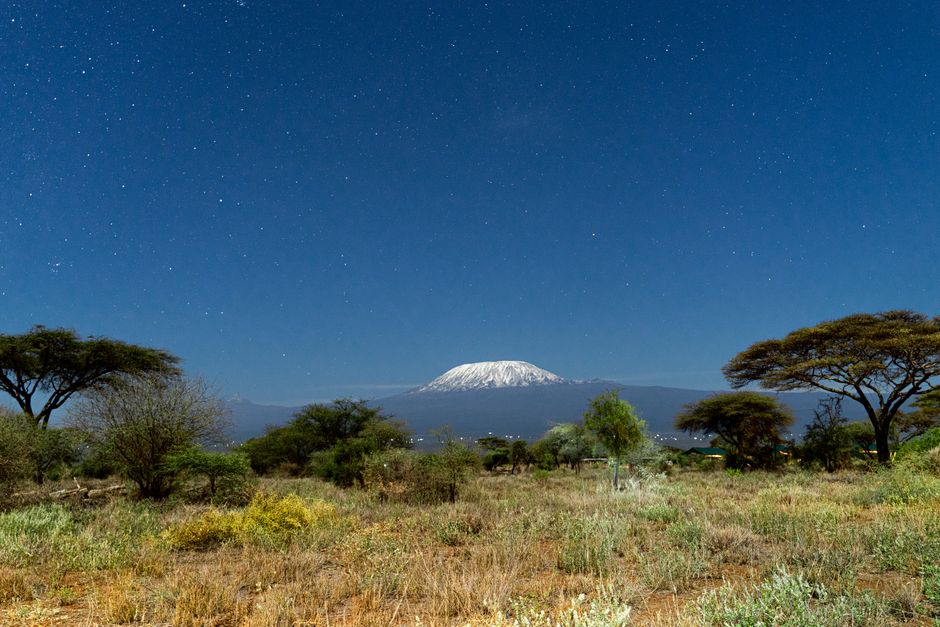
A breathtaking view of Mount Kilimanjaro framed by a clear starry night sky…, Sibiloi National Park, Kenya
- Historic Architecture: The Koobi Fora Museum & Research Station, established in 1968, houses the fossilized remains of *Homo habilis* and *Australopithecus*, offering a tangible connection to our evolutionary past.
- Cultural Scene: Engaging with the semi-nomadic Gabbra and Dassanach communities, whose camel caravans and intricate beadwork traditions have endured for centuries in this harsh environment.
- Local Specialties: Freshly caught Nile perch from Lake Turkana, often grilled over an open fire—a simple, unforgettable meal under a blanket of stars.
Pro Tip: The absolute best time to visit is during the dry seasons from June to October and December to March. Not only are roads more passable, but wildlife concentrates near the lake, and the scorching heat is slightly more manageable. Avoid the long rains (April-May) when the park becomes virtually inaccessible.
Map of Sibiloi National Park, Kenya
Use these interactive maps to explore Sibiloi National Park, Kenya and plan your route:
📍 View Sibiloi National Park, Kenya on OpenStreetMap
🗺️ Open Sibiloi National Park, Kenya in Google Maps
Planning Your Trip: Practical Essentials
Getting There and Around
- By Air: The most practical way is by chartered light aircraft from Nairobi Wilson Airport (WIL) to a designated airstrip near the park headquarters at Alia Bay. Scheduled flights are non-existent. Book charters through specialized safari operators. For flights to Nairobi, search Skyscanner for best deals.
- By Train: There are no train services to this remote region of northern Kenya. All access is by air or rugged road.
- By Car: A demanding 2-3 day drive from Nairobi via Marsabit and North Horr, requiring a robust 4×4 vehicle, convoy travel for safety, and expert local drivers. Self-driving is strongly discouraged. Compare 4×4 rentals at RentalCars.com, but arrange through a tour operator.
- Local Transport: Within the park, transport is exclusively via the 4×4 safari vehicle you arrive in. There is no public transport.
Best Time to Visit
Timing is everything in Sibiloi. Your experience is dictated by the climate, with the dry seasons offering the only viable window for exploration.
| Season | Weather | Highlights |
|---|---|---|
| Dry Season (Jun–Oct) | Hot & dry, 30-38°C (86-100°F). Cooler nights. | Optimal wildlife viewing near the lake; passable roads; clear skies for photography. Peak season for the few visitors it gets. |
| Hot Season (Dec–Mar) | Extremely hot, 35-40°C (95-104°F). Intense sun. | Good wildlife spotting; excellent fossil site accessibility. Bring serious sun protection and prepare for heat. |
| Rainy Seasons (Apr–May & Nov) | Torrential rains, high humidity. Roads become impassable. | The park is generally closed to visitors. Travel is not recommended due to flash floods and logistical nightmares. |
Budgeting for Sibiloi National Park, Kenya
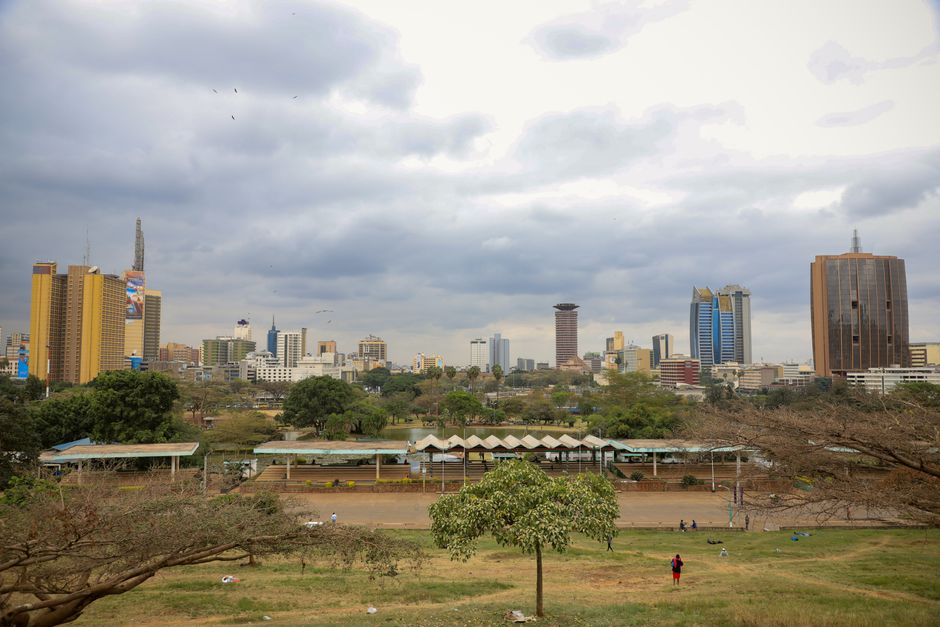
A vibrant shot of Nairobi’s skyline featuring skyscrapers like KICC and loc…, Sibiloi National Park, Kenya
Visiting Sibiloi is not a budget destination; it’s an expedition. Costs are high due to extreme remoteness and the need for full logistical support. All visits are typically part of a pre-arranged, all-inclusive safari package.
| Category | Budget | Mid-range | Luxury |
|---|---|---|---|
| Accommodation | Camping with own gear (permit required) ~$30-50 pp/night | Basic bandas or fixed camps ~$150-250 pp/night | Fully serviced expedition camps ~$400-700 pp/night |
| Meals | Self-catered (must bring all supplies) | Included in camp/lodge package | Gourmet bush cuisine, included |
| Transport | 4×4 rental + fuel + guide (~$400/day split) | Included in safari package | Private charter flights, included |
| Activities | Park fees ($52 pp/day) | Guided fossil tours, lake trips (~$100/activity) | Private archaeologist guides, exclusive access |
| Daily Total | $250-400+ pp/day | $400-600 pp/day (all-inclusive) | $800-1200+ pp/day (all-inclusive) |
Top Attractions and Must-See Sights
| Attraction | Description | Hours | Entry Fee |
|---|---|---|---|
| Koobi Fora Fossil Beds | The park’s crown jewel, where over 200 hominid fossils have been found, including the famous “1470” *Homo habilis* skull. | Daylight hours, guide mandatory | Included in park fee + guide tip |
| Lake Turkana Shoreline | Explore the “Jade Sea’s” stark beaches, watch for crocodiles and waterbirds, and visit Central Island’s volcanic craters. | Daylight hours | Park fee; boat hire extra (~$150) |
| Petrified Forest at Loiyangalani | A surreal landscape of ancient, mineralized tree trunks dating back 7 million years, near the park’s southern edge. | Daylight hours | Small community fee (~$10) |
| Sibiloi National Park Museum | A small but impactful museum at Alia Bay displaying casts of major fossils found in the area, providing essential context. | 8:00 AM – 5:00 PM | Included in park fee |
3-Day Itinerary: Sibiloi National Park, Kenya’s Highlights & Hidden Gems
Day 1: Arrival & The Jade Sea
- Morning (7-9 AM): Arrive via charter flight to Alia Bay airstrip. After a briefing at the park headquarters, check into your camp. Your first game drive along the lakeshore might reveal Grevy’s zebra, beisa oryx, and the ubiquitous topi.
- Afternoon (12-3 PM): Visit the Sibiloi Museum for a primer on human evolution. Enjoy a packed lunch at a scenic spot overlooking the lake. Later, take a guided walk to spot some of the park’s 350 bird species, including the magnificent goliath heron.
- Evening (6-8 PM): Sundowner drinks on the lakeshore as the sun sets over the water, followed by a bush dinner prepared by your camp crew, listening to the sounds of the African night.
Day 2: The Cradle of Humankind
- Morning (7 AM): A full-day expedition to the Koobi Fora fossil beds (~$100-150 for a specialist guide). With your guide, you’ll walk the same sedimentary layers where Richard Leakey’s team made history. See fossil sites marked with simple stakes—a humbling experience.
- Afternoon (1 PM): Picnic lunch in the shade of an acacia tree. Visit the actual Koobi Fora research station (access permitted with guide) to see where paleoanthropologists work.
- Evening (6 PM): Return to camp. After dinner, an informal talk from your guide about the ongoing scientific work and what the fossils tell us about our past.
Day 3: Volcanic Landscapes & Departure
- Morning (7 AM): Game drive towards the petrified forest. The journey itself is the attraction, traversing vast lava flows and stark plains. You’ll stop to marvel at the giant stone logs, a relic of a wetter, greener age.
- Afternoon (12 PM): Final lunch at camp, followed by a visit to a local Gabbra or Dassanach manyatta (homestead) near Loiyangalani (arranged in advance, ~$20 community fee). Learn about their resilient culture.
- Evening (4 PM): Transfer to the airstrip for your charter flight back to Nairobi, carrying memories of a truly primordial landscape.
Cultural Insights & Etiquette
- Language: Swahili is the national language; English is widely spoken by guides. In local communities, Gabbra and Dassanach languages prevail. A simple “Jambo” (Hello) or “Asante” (Thank you) is appreciated.
- Customs: Always ask permission before photographing people. When visiting a manyatta, a small gift (like sugar or tea leaves) offered through your guide is a respectful gesture. These are proud, resilient communities—approach with humility and curiosity.
- Tipping: Tipping your guide ($20-30/day), camp staff ($10-15/day pooled), and driver is expected. Carry small US dollar bills or Kenyan shillings for this purpose.
- Dress Code: Modest, lightweight, breathable clothing is key. For community visits, covering shoulders and knees is respectful. Neutral colors (khaki, green, brown) are best for wildlife viewing.
- Business Hours: The park is open from 6:00 AM to 6:00 PM. Everything runs on “safari time”—flexible and dependent on the day’s activities and weather.
Where to Eat: Sibiloi National Park, Kenya’s Best Bites
Dining in Sibiloi is all about bush cuisine. There are no standalone restaurants. All meals are provided by your safari camp or lodge as part of your package. The focus is on hearty, well-prepared meals using fresh ingredients flown in or sourced locally, like the superb Nile perch.
Must-Try Local Specialties
- Grilled Nile Perch: A firm, white fish from Lake Turkana, often simply seasoned and grilled over charcoal. Your camp chef will prepare this if available.
- Nyama Choma: Swahili for “grilled meat,” typically goat or beef, a Kenyan classic you’ll likely have at a bush barbecue.
- Ugali with Sukuma Wiki: The staple combo of maize porridge and sautéed kale. It’s the fuel of Kenya and a taste of everyday life.
Restaurant Recommendations by Budget
| Type | Restaurant | Specialty | Price Range |
|---|---|---|---|
| Camp Dining | Your Safari Camp Mess | Full-board bush breakfasts, picnic lunches, 3-course dinners | Included in package |
| Community Experience | Local Manyatta Visit | Possibility of tasting traditional stews or milk (arranged) | Small community fee |
Where to Stay
Accommodation is limited and expedition-focused. You’re choosing between basic park bandas, mobile tented camps, or fixed luxury camps. All bookings are made through safari operators months in advance. Compare general Kenya lodge options at Booking.com, but for Sibiloi, specialist operators are essential.
Best Areas for Accommodation
- Alia Bay (Park HQ): Home to the basic park bandas and some fixed camps. Pros: Central location, near the museum and airstrip. Cons: Most basic amenities. Best for budget-conscious expeditions.
- Along the Lake Shore: Where the better tented camps are situated. Pros: Stunning views, cooler breezes, wildlife comes to you. Cons: Further from the airstrip. Best for classic safari atmosphere.
- Loiyangalani (Outside Park): A small town with simple lodges like Oasis Lodge. Pros: Access to cultural visits, slightly more infrastructure. Cons: Requires daily drive into the park. Best for combining culture with paleontology.

A flock of lesser flamingos feeding in Kajiado County, Kenya., Sibiloi National Park, Kenya
FAQs: Your Sibiloi National Park, Kenya Questions Answered
1. Is Sibiloi National Park, Kenya safe at night?
Within the confines of a properly set-up safari camp or lodge, yes. You will be escorted to your tent after dark, and camps have watchmen. The primary safety considerations are environmental (extreme heat, wildlife) and logistical (remote location, lack of medical facilities). Always follow your guide’s instructions explicitly.
2. What currency is used and are credit cards accepted?
The Kenyan Shilling (KES) is the local currency, but US Dollars are widely accepted for park fees and tipping. Credit cards are absolutely useless within the park. You must bring all the cash you will need for your entire trip in small denomination US bills (post-2006 series) and some Kenyan shillings for tips.
3. How do I get from the airport to the park?
There is no commercial airport. You will take a pre-arranged charter flight from Nairobi Wilson Airport directly to an airstrip inside the park (like Alia Bay). Your safari operator will handle all transfers from the airstrip to your camp via 4×4. For general Kenya airport transfers, you can book at GetYourGuide, but Sibiloi transfers are part of your package.
4. Do I need to speak the local language?
No. Your guides will be fluent in English. However, learning a few Swahili greetings (Jambo, Habari, Asante) will enrich your interactions with camp staff and local communities, showing respect and goodwill.
5. What’s the appropriate dress code?
Practical and modest. Think lightweight, long-sleeved shirts and trousers for sun and insect protection. A wide-brimmed hat, sturdy closed-toe shoes, and a warm layer for cool mornings are essential. For evenings in camp, smart-casual safari wear is fine. Neutral colors are recommended.
Final Thoughts: Sibiloi National Park, Kenya Awaits
Sibiloi is not a conventional safari destination. It is a pilgrimage for the curious, a journey back through deep time. You won’t find crowded game-viewing vehicles here, but you will find a profound sense of solitude and connection to the very origins of humanity. The logistical challenges are part of its story, ensuring that this “Cradle of Mankind” remains pristine and contemplative. For the traveler seeking raw wilderness, unparalleled paleontological significance, and the haunting beauty of Lake Turkana, Sibiloi offers an experience that is, quite literally, foundational. Your best bet is to plan well over a year in advance with a reputable specialist operator—
Related Guides
Explore more destinations similar to Sibiloi National Park:
- Guyane, French Guiana’s Best Spaceports, Rainforests & Creole Culture (2026)
- Copacabana, Bolivia’s Essential Pilgrimage, Panoramas & Lake Titicaca Magic (2025)
- Đà Lạt, Vietnam’s Best French Architecture, Flower Fields & Mountain Coffee (2025)
- Doi Inthanon National Park, Thailand: Essential Peaks, Pagodas & Highland Culture (2026)
{“@context”: “https://schema.org”, “@type”: “FAQPage”, “mainEntity”: [{“@type”: “Question”, “name”: “What is the best time to visit Sibiloi National Park?”, “acceptedAnswer”: {“@type”: “Answer”, “text”: “The best time to visit Sibiloi National Park depends on your preferences. Generally, the dry season offers the most pleasant weather for sightseeing and outdoor activities.”}}, {“@type”: “Question”, “name”: “How many days do I need in Sibiloi National Park?”, “acceptedAnswer”: {“@type”: “Answer”, “text”: “Most travelers spend 3-5 days in Sibiloi National Park to see the main attractions. A week allows for a more relaxed pace and day trips.”}}, {“@type”: “Question”, “name”: “Is Sibiloi National Park expensive to visit?”, “acceptedAnswer”: {“@type”: “Answer”, “text”: “Sibiloi National Park can be visited on various budgets. Accommodation ranges from hostels to luxury hotels, and local restaurants offer affordable dining.”}}]}

