
Pang Mapha, Thailand’s Essential Caves, Culture & Mountain Serenity (2026)
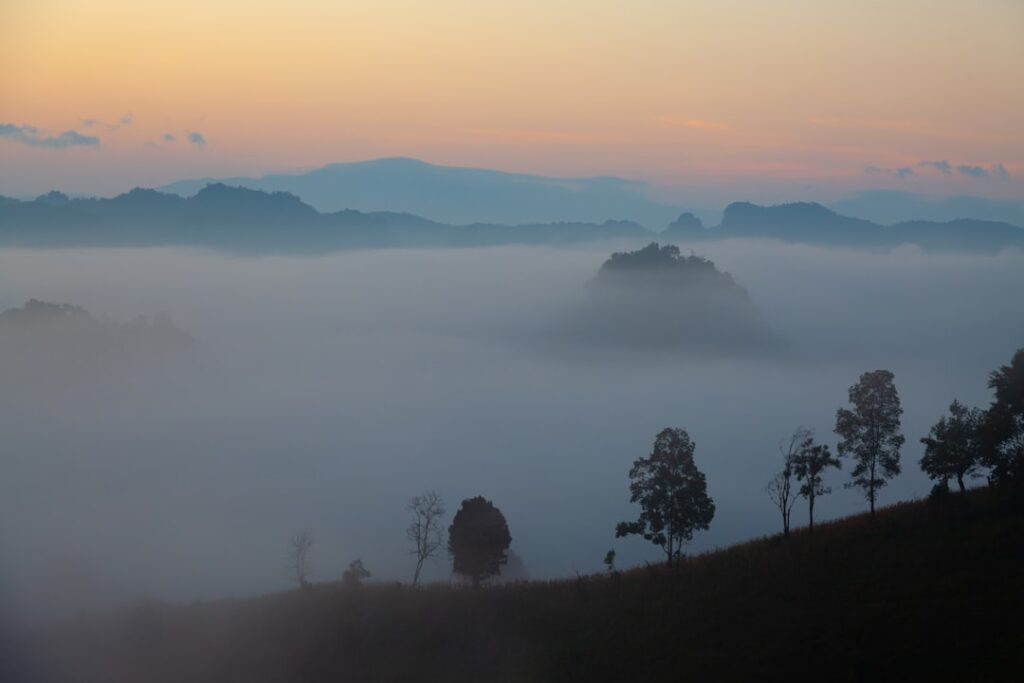
While thousands queue for the tourist circuit in Chiang Mai, just 160 kilometers north, Pang Mapha offers a different Thailand. Here, dawn breaks not over traffic but over a sea of mist blanketing limestone karsts, pierced only by the calls of gibbons. This is the heart of the Mae Hong Son Loop, where you’re more likely to share a trail with a Lahu hill tribe hunter than another traveler. Your journey here is defined not by sights you check off, but by landscapes you step into.
Why Pang Mapha, Thailand Stands Out

Misty mountains at sunrise with orange sky, Pang Mapha, Thailand
- Historic Architecture: The 5,000-year-old Log Coffin culture, with its mysterious, boat-shaped coffins perched high in cave walls, offers a silent, profound history lesson found in sites like Tham Lod.
- Cultural Scene: The annual Bua Tong (Wild Sunflower) Blossom Festival in November transforms the hillsides into a brilliant yellow canvas, celebrated with local Lahu and Shan music and food.
- Local Specialties: You must try *Khao Soi Mae Hong Son*—a richer, earthier cousin of the Chiang Mai version, often featuring free-range chicken and hand-cut noodles.
Pro Tip: The absolute best time to visit is between November and early February. The weather is cool and dry, the skies are crystal clear, and the mountain flowers are in bloom. To avoid the handful of tour vans at major sites like Tham Lod, plan to arrive right at opening time (8:30 AM) or after 3:00 PM.
Map of Pang Mapha, Thailand
Use these interactive maps to explore Pang Mapha, Thailand and plan your route:
📍 View Pang Mapha, Thailand on OpenStreetMap
🗺️ Open Pang Mapha, Thailand in Google Maps
Planning Your Trip: Practical Essentials
Getting There and Around
- By Air: Fly into Chiang Mai International Airport (CNX). From there, it’s a 3-4 hour scenic drive by rental car or pre-booked van. Book flights at Skyscanner for best deals.
- By Train: Overnight trains from Bangkok terminate in Chiang Mai. The journey is an experience in itself, but you’ll still need road transport for the final leg to Pang Mapha. Reserve tickets at Trainline or the national railway website.
- By Car: Driving is the most flexible option. The route from Chiang Mai on Highway 1095 is famously winding but stunning. Rental agencies are plentiful in Chiang Mai. Compare car rentals at RentalCars.com.
- Local Transport: Public transport is limited. Your best bets are renting a motorbike (for experienced riders only) or hiring a local *songthaew* (shared taxi truck) for the day, which costs around 1,500-2,000 THB for a full-day charter.
Best Time to Visit
Pang Mapha’s climate is defined by its mountains. The cool, dry season is king, but each period has its own character.
| Season | Weather | Highlights |
|---|---|---|
| Cool Season (Nov–Feb) | 15°C – 28°C (59°F – 82°F). Crisp, sunny days and cold nights, especially in Dec-Jan. | Ideal for trekking, cave exploring, and festivals. Peak season with the most visitors (though still quiet). |
| Hot Season (Mar–May) | 20°C – 35°C (68°F – 95°F). Very hot and hazy, with high humidity by May. | Good for river activities. Fewer tourists, but trekking can be strenuous. Wildflowers bloom in March. |
| Rainy Season (Jun–Oct) | 20°C – 30°C (68°F – 86°F). Heavy, predictable afternoon showers; lush, green landscapes. | The region is at its most vibrantly green. Low tourist numbers, but some trails may be muddy and leeches are present. |
Budgeting for Pang Mapha, Thailand
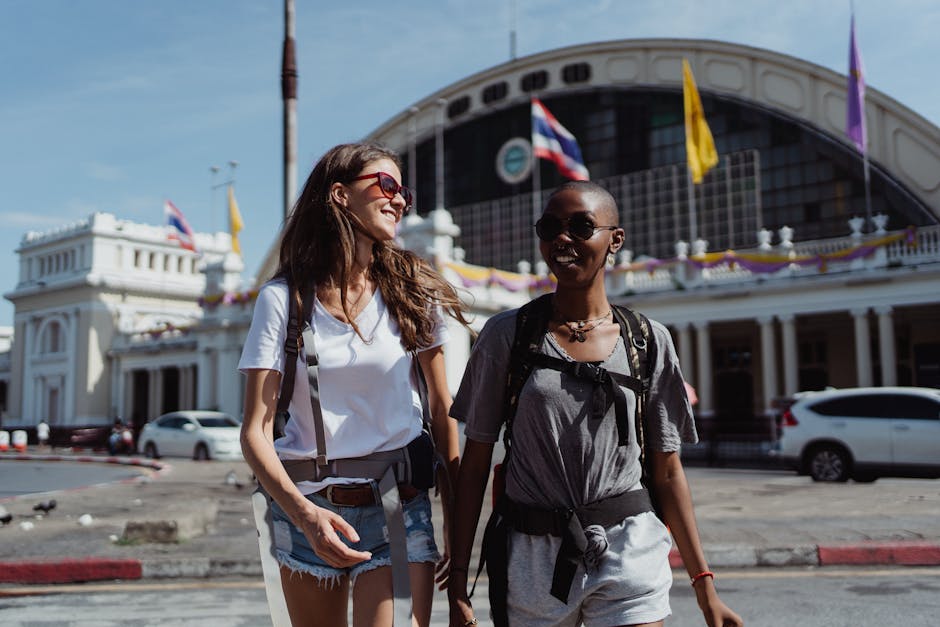
Two women walking joyfully in front of a historic building, Pang Mapha, Thailand
| Category | Budget | Mid-range | Luxury |
|---|---|---|---|
| Accommodation | 300-600 THB (guesthouse fan room) | 1,200-2,500 THB (boutique bungalow) | 3,500+ THB (luxury eco-lodge) |
| Meals | 50-100 THB (street food, market) | 150-300 THB (local restaurant) | 500+ THB (resort dining) |
| Transport | 250 THB (motorbike rental) | 1,500 THB (songthaew charter) | 3,000+ THB (private car & driver) |
| Activities | 500 THB (cave entry & guide) | 1,200 THB (half-day trek) | 3,000 THB (private guided expedition) |
| Daily Total | 1,100 – 1,450 THB | 4,000 – 5,500 THB | 10,000+ THB |
Top Attractions and Must-See Sights
| Attraction | Description | Hours | Entry Fee |
|---|---|---|---|
| Tham Lod (Lod Cave) | A magnificent river cave system navigated by bamboo raft, home to thousands of swifts and ancient log coffins. | 8:30 AM – 4:30 PM | Cave: 300 THB. Mandatory Guide: 450 THB (up to 3 people). Bamboo Raft: 600 THB/raft. |
| Tham Pla (Fish Cave) | A sacred spring teeming with massive, tame pla buk (Mekong giant catfish) in crystal-clear water, set in a forest park. | 8:00 AM – 5:00 PM | 100 THB for foreigners, 20 THB for Thais. |
| Ban Jabo (Lahu Village) | An authentic Lahu Sheleh village known for traditional weaving and a stunning viewpoint over the mountains. | Daylight hours; respect private homes. | Free, but consider purchasing local crafts. |
| Su Tong Pae Bamboo Bridge | A breathtaking 500-meter hand-woven bamboo bridge crossing rice fields, leading to a Shan temple. | Sunrise to sunset | Free, donations appreciated for maintenance. |
3-Day Itinerary: Pang Mapha, Thailand’s Highlights & Hidden Gems
Day 1: Ancient Caves & Riverside Serenity
- Morning (7:30 AM): Arrive early at **Tham Lod**. Hire a guide and bamboo raft (total ~1,350 THB for two) to explore all three chambers as the morning light streams into the cave mouth.
- Afternoon (12:30 PM): Lunch at **Tham Lod Cave Restaurant** right outside, trying their grilled river fish. Then, drive 20 minutes to the serene **Tham Pla (Fish Cave)** to feed the giant catfish.
- Evening (6:00 PM): Check into your accommodation. For dinner, head to **Bamboo House Restaurant** in central Pang Mapha for delicious Thai food in a garden setting.
Day 2: Hill Tribes & Mountain Vistas
- Morning (8:00 AM): Drive to **Ban Jabo** Lahu village (about 40 mins). Walk through the village respectfully, visit the small museum, and hike 15 minutes to the spectacular **Jabo Viewpoint**.
- Afternoon (1:00 PM): Enjoy a simple, authentic lunch at a small stall in the village. On the drive back, stop at the **Su Tong Pae Bamboo Bridge**. Walk its entire length for phenomenal photo opportunities.
- Evening (6:30 PM): Dine at **Pang Mapha Resort Restaurant**, which offers a mix of Thai and Western dishes on a peaceful terrace.
Day 3: Remote Exploration & Local Life
- Morning (8:30 AM): Hire a local guide (approx. 1,000 THB) for a half-day trek to a more remote cave like **Tham Nam Lang**, one of Southeast Asia’s largest, or a gentle forest walk to a hidden waterfall.
- Afternoon (1:00 PM): Have a packed lunch provided by your guide or your guesthouse. Visit the **Pang Mapha Local Market** (if it’s a market day) to see everyday life and sample local snacks.
- Evening (5:30 PM): For your final evening, catch the sunset from a roadside viewpoint on Highway 1095, followed by a farewell dinner at **Kai Yang Bor Sang** for excellent Isaan-style grilled chicken.
Cultural Insights & Etiquette
- Language: Central Thai is understood. Key phrases: *Sà-wàt-dii* (Hello), *Kòp-khun* (Thank you), *Hâi bprà-têet nòi* (A little less spicy, please). Learning a few Lahu greetings like *G’ui sheh* (Thank you) will delight villagers.
- Customs: Always remove shoes before entering a local home or temple building. The head is considered sacred—avoid touching anyone’s head, even children. Pointing with your feet or showing the soles of your feet is rude.
- Tipping: Not expected but appreciated. Round up taxi fares, leave 20-50 THB for restaurant servers, and consider 200-500 THB for an excellent private guide after a full-day tour.
- Dress Code: Modesty is key, especially in villages and temples. Cover shoulders and knees. For caving and trekking, wear sturdy, closed-toe shoes and clothes you don’t mind getting dirty.
- Business Hours: Shops: 8:00 AM – 6:00 PM. Restaurants: 10:00 AM – 9:00 PM. Government offices: 8:30 AM – 4:30 PM. Major national holidays (Songkran in April, Loy Krathong in Nov) may see closures.
Where to Eat: Pang Mapha, Thailand’s Best Bites
Dining in Pang Mapha is about hearty, flavorful food that fuels adventure. You’ll find simple family-run kitchens, not fine dining. The focus is on fresh local ingredients—mountain vegetables, free-range chicken, and river fish.
Must-Try Local Specialties
- Khao Soi Mae Hong Son: The regional specialty. It’s a creamy coconut curry noodle soup topped with crispy noodles, often with a darker, more complex spice profile than its Chiang Mai counterpart. Try it at any local noodle shop.
- Gaeng Hang Lay: A northern Thai pork curry with a rich, tangy flavor from tamarind and ginger, with Burmese influences. It’s a hearty, slow-cooked dish.
- Nam Prik Ong/Nam Prik Num: Chili dips served with fresh and steamed vegetables, and crispy pork rinds. A communal staple you’ll find at most meals.
Restaurant Recommendations by Budget
| Type | Restaurant | Specialty | Price Range |
|---|---|---|---|
| Budget | Market Stalls (Pang Mapha Market) | Grilled meats, noodle soups, fresh fruit | 30-80 THB per item |
| Mid-range | Bamboo House Restaurant (Pang Mapha Town) | Wide range of Thai classics in a relaxed garden | 80-200 THB per dish |
| Fine dining | The Resort Restaurant (Pang Mapha Resort) | Thai and Western dishes in a more refined setting | 150-400 THB per dish |
Where to Stay
Accommodation ranges from basic guesthouses to stunning eco-lodges nestled in the hills. Most places are spread out, so having your own transport is a major advantage. Compare prices and book at Booking.com or Airbnb for apartments.
Best Neighborhoods for Accommodation
- Pang Mapha Town Center: The most convenient location with easy access to restaurants, the market, and services like ATMs and motorbike rentals. Best for first-time visitors and those without a car.
- Near Tham Lod Cave: Several rustic resorts and homestays are nestled in the valley here. You’ll wake up to incredible karst views and be steps from the cave, but you’ll need transport for everything else.
- Secluded Hillside: For true immersion, a handful of beautiful, remote eco-lodges dot the mountainsides. They offer unparalleled tranquility and views but require a definite commitment to relaxation and self-transport.
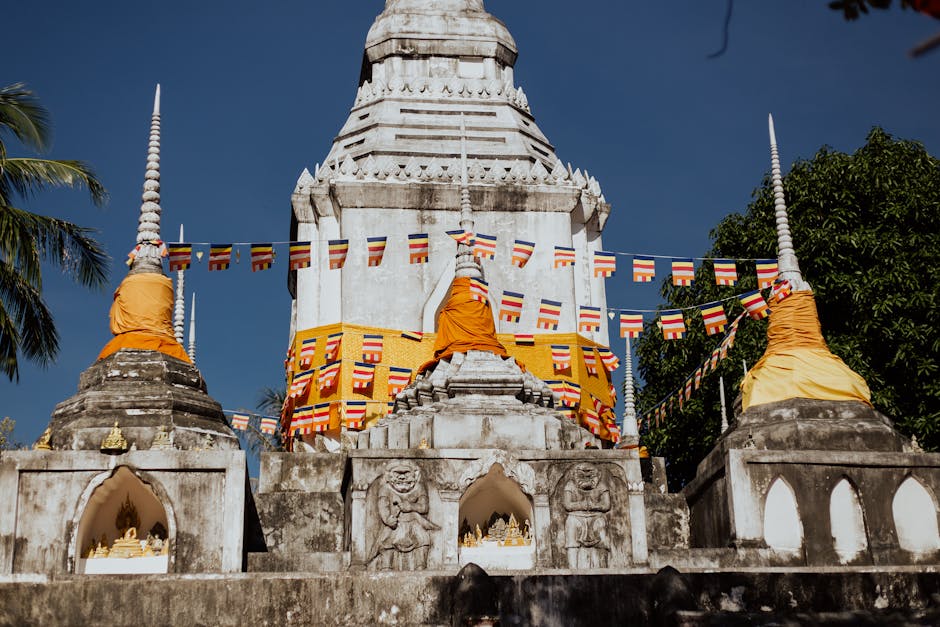
A beautifully ornamented Buddhist temple with spires and prayer flags, Pang Mapha, Thailand
FAQs: Your Pang Mapha, Thailand Questions Answered
1. Is Pang Mapha, Thailand safe at night?
Yes, it is generally very safe. Crime against tourists is extremely rare. The primary concerns are road safety—drive carefully on winding mountain roads, especially after dark—and wildlife (snakes, insects) when walking in rural areas at night. Always use a flashlight.
2. What currency is used and are credit cards accepted?
The Thai Baht (THB) is the currency. Cash is king in Pang Mapha. While some higher-end resorts and a few restaurants may accept credit cards, you should assume you’ll need cash for markets, local transport, guides, entry fees, and most meals. Withdraw enough in Chiang Mai or at the limited ATMs in Pang Mapha town.
3. How do I get from the airport to Pang Mapha?
From Chiang Mai Airport (CNX), you have three main options: 1) Pre-book a private transfer (approx. 2,500-3,500 THB, 3-4 hours). 2) Rent a car at the airport. 3) Take a taxi to Chiang Mai Arcade bus station, then a bus to Mae Hong Son, asking to get off at Pang Mapha (less convenient). Book airport transfers at GetYourGuide for convenience.
4. Do I need to speak the local language?
No, but it helps. Basic English is understood at guesthouses, major attractions, and some restaurants. In villages, English is minimal. Learning a few Thai phrases is a sign of respect and will greatly enhance your interactions. A translation app can be useful for more complex conversations.
5. What’s the appropriate dress code?
Modest, practical, and layered. For villages and temples: cover shoulders and knees. For trekking and caving
{“@context”: “https://schema.org”, “@type”: “FAQPage”, “mainEntity”: [{“@type”: “Question”, “name”: “What is the best time to visit Pang Mapha?”, “acceptedAnswer”: {“@type”: “Answer”, “text”: “The best time to visit Pang Mapha depends on your preferences. Generally, the dry season offers the most pleasant weather for sightseeing and outdoor activities.”}}, {“@type”: “Question”, “name”: “How many days do I need in Pang Mapha?”, “acceptedAnswer”: {“@type”: “Answer”, “text”: “Most travelers spend 3-5 days in Pang Mapha to see the main attractions. A week allows for a more relaxed pace and day trips.”}}, {“@type”: “Question”, “name”: “Is Pang Mapha expensive to visit?”, “acceptedAnswer”: {“@type”: “Answer”, “text”: “Pang Mapha can be visited on various budgets. Accommodation ranges from hostels to luxury hotels, and local restaurants offer affordable dining.”}}]}
Related Guides
Explore more destinations similar to Pang Mapha:
- Popayán, Colombia: Ultimate Colonial Splendor, Religious Traditions & Volcanic Landscapes (2025)
- Maroua, Cameroon’s Best Markets, Mountains & Mousgoum Culture (2026)
- Katherine, Australia’s Essential Gorges, Ancient Art & Outback Adventure (2025)
- Nice’s Essential Azure Waters, Belle Époque Charm & Mediterranean Flavors (2025)

