
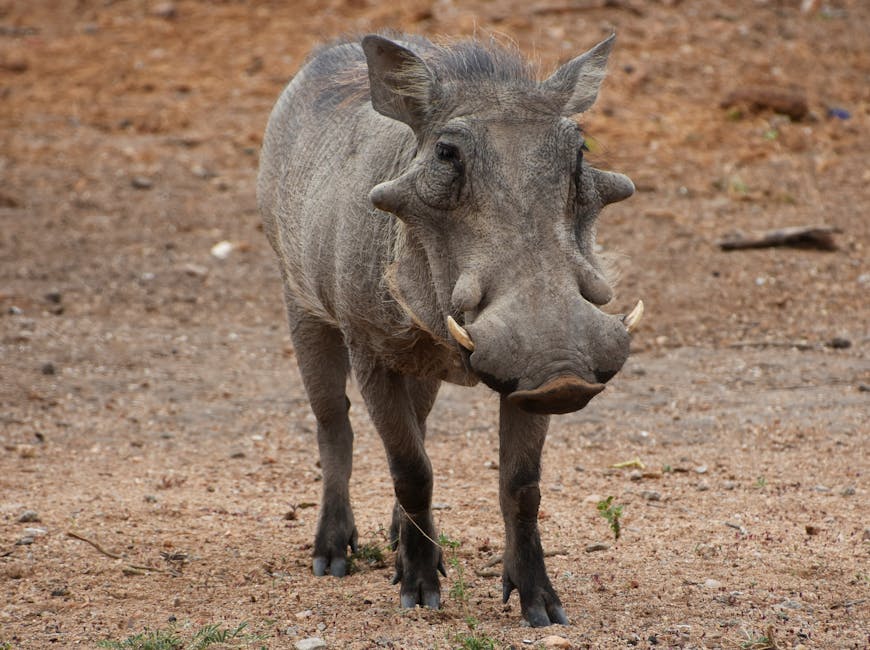
Mokala National Park, South Africa: Hidden Rhinos, Rare Species & Rustic Solitude (2026)
While crowds jostle for a glimpse of the Big Five in Kruger, Mokala National Park, South Africa delivers an intimate, exclusive safari experience on a dramatic Kalahari duneveld landscape. Established in 2007, this 19,611-hectare sanctuary is South Africa’s newest national park, created as a vital ark for endangered species like the black and white rhino. Here, you’re more likely to share a waterhole with a rare roan antelope than another vehicle, offering a profound sense of discovery that has all but vanished from more famous reserves.
Why Mokala National Park, South Africa Stands Out

The Voortrekker Monument in Pretoria, Mokala National Park, South Africa
- Historic Architecture: The Lilydale Rest Camp, built from local sandstone and thatch, blends seamlessly into the ancient landscape, offering a rustic yet comfortable base that feels authentically connected to the environment.
- Cultural Scene: The park’s name, meaning “Camel Thorn” in Setswana, honors the iconic tree central to local San (Bushman) and Tswana heritage, with ancient rock art sites whispering stories of the land’s first people.
- Local Specialties: After a morning game drive, savor a traditional *braai* (barbecue) under the stars, featuring locally sourced meats like *boerewors* (spiced sausage) and *sosaties* (marinated kebabs).
Pro Tip: Visit during the dry winter months (May to September). Animals congregate predictably around permanent water sources like the Mosu and Lilydale dams, making wildlife viewing exceptionally reliable. For photographers, the low, golden light of late afternoon is unparalleled.
Map of Mokala National Park, South Africa
Use these interactive maps to explore Mokala National Park, South Africa and plan your route:
📍 View Mokala National Park, South Africa on OpenStreetMap
🗺️ Open Mokala National Park, South Africa in Google Maps
Planning Your Trip: Practical Essentials
Getting There and Around
- By Air: Fly into Kimberley Airport (KIM), 80km away, served by Airlink from Johannesburg OR Tambo. From there, a rental car is essential. Book flights at Skyscanner for best deals.
- By Train: Long-distance rail isn’t practical for Mokala. The nearest major station is in Kimberley, but you’ll still need a car for the final 90-minute drive.
- By Car: From Kimberley, take the N12 to Modder River, then the R357 towards Barkly West. The park is well-signposted. A high-clearance vehicle is recommended for the gravel roads inside the park. Compare car rentals at RentalCars.com.
- Local Transport: There is no public transport within the park. Your only options are your own vehicle or guided drives booked through SANParks.
Best Time to Visit
Mokala’s climate is semi-arid, with hot summers and cool, dry winters. Wildlife viewing is prime in the dry winter, while the summer transforms the landscape with lush greenery and migratory birds, though afternoon thunderstorms can occur.
| Season | Weather | Highlights |
|---|---|---|
| Winter (May–Sep) | Cool, dry days (5°C-23°C), cold nights. No rain. | Excellent game viewing at waterholes, comfortable for drives, low malaria risk. |
| Summer (Nov–Mar) | Hot days (20°C-35°C), warm nights with possible thunderstorms. | Green, scenic landscape, birding paradise, fewer visitors, but animals are more dispersed. |
| Shoulder (Apr & Oct) | Pleasant, transitional weather with moderate temperatures. | A good balance of decent game viewing and beautiful scenery, with very few crowds. |
Budgeting for Mokala National Park, South Africa

Flat lay of travel items including a map, Mokala National Park, South Africa
| Category | Budget | Mid-range | Luxury |
|---|---|---|---|
| Accommodation | R600-900/night (Camping) | R1,500-2,500/night (Safari Tent/Chalet) | R3,500+/night (Private Lodge) |
| Meals | R150-250/day (Self-catering) | R400-600/day (Restaurant meals) | R800+/day (Full board at lodge) |
| Transport | R500/day (Fuel for own car) | R800/day (Fuel + 1 guided drive) | R1,500+/day (Private guided drives) |
| Activities | R250 (Park entry fee per day) | R450-700 (Guided sunset drive) | R1,200+ (Private guided day tour) |
| Daily Total | R1,500-1,900 | R3,150-4,300 | R7,000+ |
Top Attractions and Must-See Sights
| Attraction | Description | Hours | Entry Fee |
|---|---|---|---|
| Mosu Dam & Waterhole | The park’s premier game viewing spot, where you can watch rhino, buffalo, and herds of antelope from your car or the nearby hide. | Sunrise to Sunset | Included in Park Fee |
| Haak-en-Steek 4×4 Trail | A challenging 18km self-drive route through remote duneveld, offering solitude and a chance to see elusive species like the aardvark. | Gate Hours Only | R200 per vehicle |
| Lilydale Bird Hide | A serene hide overlooking the Riet River, a magnet for over 200 bird species including the striking crimson-breasted shrike. | 24/7 Access | Included in Park Fee |
| San Rock Art Sites | Scattered throughout the park, these ancient paintings offer a tangible connection to the spiritual world of the land’s original inhabitants. | Daylight Hours | Included in Park Fee (ask at reception for locations) |
3-Day Itinerary: Mokala National Park, South Africa’s Highlights & Hidden Gems
Day 1: Arrival & Iconic Game Viewing
- Morning (7-9 AM): Enter the park at the Mosu Gate (opens 5:30 AM in summer). Drive straight to the Mosu Dam waterhole with a picnic breakfast. Your best bet is to sit quietly as the morning activity peaks—this is prime time for black rhino sightings.
- Afternoon (12-3 PM): Check into your accommodation at Lilydale Rest Camp. Have lunch at the camp’s restaurant, trying their hearty oxtail potjie (stew). Afterwards, take the short, scenic drive to the Lilydale bird hide for some tranquil birdwatching.
- Evening (6-8 PM): Book a guided sunset game drive (R650 per person) through SANParks. Guides have radio contact and know where rare species like roan and sable antelope were last seen. Return for a braai under the spectacular star-filled Kalahari sky.
Day 2: Remote Exploration & History
- Morning (5:30 AM): Pack a full day’s supplies and tackle the Haak-en-Steek 4×4 Trail (R200 vehicle fee). This is for high-clearance vehicles only. The slow drive through the duneveld is about the journey and the subtle wildlife—look for bat-eared foxes and the tracks of nocturnal creatures.
- Afternoon (1 PM): Enjoy your packed lunch at one of the trail’s picnic spots. Exit the trail and head towards the western sections of the park. Ask rangers at reception for directions to accessible San rock art sites; finding them feels like a personal treasure hunt.
- Evening (5 PM): Return to Mosu Dam for the golden hour. The late light paints the camel thorn trees in brilliant gold. Stay until gate closing time (7 PM in summer) to witness the shift from diurnal to nocturnal activity.
Day 3: Conservation Focus & Departure
- Morning (8 AM): Visit the Mokala National Park Interpretation Centre near the main gate. It’s small but insightful, detailing the park’s crucial role as a genetic reservoir for endangered species. This context makes every rhino you see even more meaningful.
- Afternoon (12 PM): Enjoy a final lunch at the Mosu Restaurant, perhaps their grilled kudu steak. Take one last, slow game drive on the loop roads around the main rest camps, bidding farewell to the tranquil landscapes.
- Evening (3 PM): Depart for Kimberley (90-min drive). Savvy travelers often extend their trip with a visit to the Kimberley Mine Museum and the Big Hole to contrast South Africa’s natural and diamond-rush histories.
Cultural Insights & Etiquette
- Language: English and Afrikaans are widely spoken in tourism. Learning a few Setswana greetings like “Dumela” (Hello) or “Ke a leboga” (Thank you) is appreciated.
- Customs: Always greet people politely. When on a guided drive, respect the guide’s knowledge and instructions, especially regarding wildlife safety.
- Tipping: For good service, tip guides R50-R100 per person for a half-day drive. In restaurants, 10-15% is standard if a service charge isn’t included.
- Dress Code: Casual, comfortable clothing in neutral colors (khaki, green, brown) is best for game viewing. Evenings can be cold, so pack layers.
- Business Hours: Park gates open at 5:30 AM and close at 7:00 PM in summer (Oct-Mar), and open at 6:30 AM, closing at 6:00 PM in winter (Apr-Sep). Rest camp receptions have specific check-in times.
Where to Eat: Mokala National Park, South Africa’s Best Bites
Dining in Mokala is about hearty, satisfying meals after a day in the bush. Options are limited to the park’s own facilities, which focus on South African classics and braai culture. Self-catering is a popular and cost-effective choice.
Must-Try Local Specialties
- Potjiekos: A slow-cooked stew made in a three-legged cast-iron pot over coals. The Mosu Restaurant often has a game meat version like kudu or springbok.
- Braai: The quintessential South African barbecue. All rest camps have braai facilities. Buy meat (boerewors, chops) in Kimberley before you arrive.
- Rooibos Tea: This caffeine-free, antioxidant-rich tea is a South African staple. Enjoy a cup on your chalet deck while watching the sunset.
Restaurant Recommendations by Budget
| Type | Restaurant | Specialty | Price Range |
|---|---|---|---|
| Budget | Your Own Braai (at campsite) | Self-catered barbecue under the stars | R100-200 per person |
| Mid-range | Mosu Restaurant (Mosu Lodge) | Table d’hôte dinners and game meat dishes | R200-350 per person |
| Fine dining | Lilydale Restaurant (Lilydale Camp) | Plated meals in a rustic, intimate setting | R250-400 per person |
Where to Stay
Accommodation in Mokala is managed by SANParks and ranges from basic campsites to comfortable family cottages. Bookings fill up during school holidays, so plan ahead. Compare prices and book at SANParks.org directly.
Best Areas for Accommodation
- Mosu Lodge Area: Offers the most upmarket units (family cottages) and is closest to the best game viewing at Mosu Dam. Ideal for first-time visitors and those wanting convenience.
- Lilydale Rest Camp: A more remote and rustic feel, with stone-and-thatch units nestled along the Riet River. Perfect for birders and travelers seeking tranquility.
- Motswedi Camping Site: For budget travelers and self-sufficient adventurers. Basic but clean facilities let you fall asleep to the sounds of the bush.
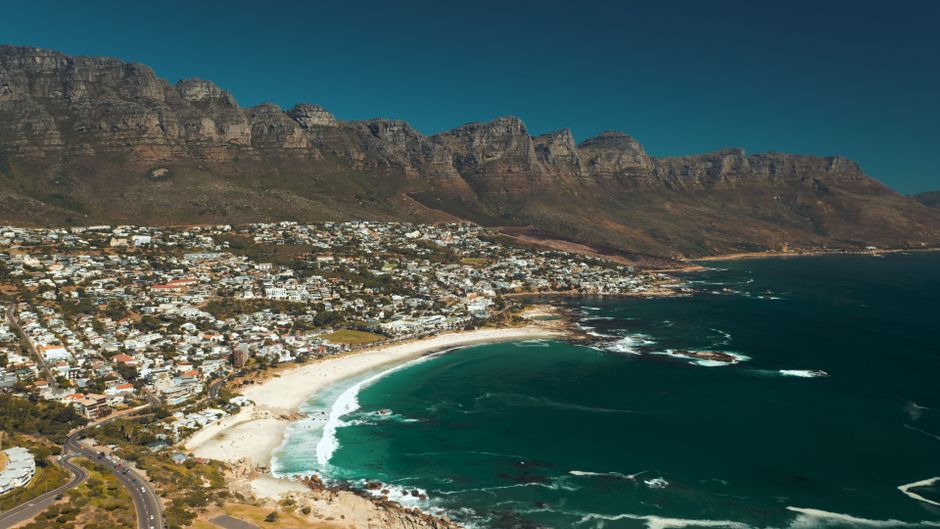
Breathtaking aerial view of Cape Town’s coastline with the Twelve Apostles …, Mokala National Park, South Africa
FAQs: Your Mokala National Park, South Africa Questions Answered
1. Is Mokala National Park, South Africa safe at night?
Inside the fenced rest camps, yes. However, you are in a wild animal reserve. Never walk around at night outside your accommodation. Drive only between camps during gate hours, and keep your vehicle’s windows up in animal areas. Always follow park rules for your safety and the animals’.
2. What currency is used and are credit cards accepted?
The South African Rand (ZAR) is the currency. Credit cards (Visa/Mastercard) are accepted at the main rest camp receptions and restaurants. However, it’s wise to carry some cash for smaller incidentals, tips, or in case of technical issues with card machines, which can happen in remote locations.
3. How do I get from the airport to the park?
Kimberley Airport has car rental desks. You must rent a car; there are no shuttle services to Mokala. The drive takes about 90 minutes on good tar and gravel roads. Ensure you arrive with enough daylight to enter the park before gate closure. Book airport transfers at GetYourGuide for convenience if you’re touring the wider region.
4. Do I need to speak the local language?
Not at all. English is perfectly sufficient for all interactions within the park. Staff at SANParks are multilingual and communicate effectively in English. Learning a few basic phrases in Afrikaans or Setswana is a friendly gesture but not necessary.
5. What’s the appropriate dress code?
Neutral, comfortable, and layered clothing is key. Avoid bright white, blue, or black which can attract tsetse flies or stand out to animals. Sturdy shoes are recommended. For evenings, a warm jacket is essential in winter. Dress is universally casual.
Final Thoughts: Mokala National Park, South Africa Awaits
Mokala National Park offers a rare commodity in modern travel: genuine wilderness solitude paired with incredible wildlife conservation success. This isn’t a park you tick off a list; it’s one you experience deeply. You’ll leave not just with photos of rhinos and roan antelope, but with a profound appreciation for a landscape that feels timeless and a conservation story that inspires. For your final morning, set your alarm for sunrise just once more. Brew a coffee, sit on your deck, and listen. The silence of the Kalahari, broken only by the call of a distant bird or the rustle of a grazing animal, is the park’s most precious gift. Don’t rush it.
{“@context”: “https://schema.org”, “@type”: “FAQPage”, “mainEntity”: [{“@type”: “Question”, “name”: “What is the best time to visit Mokala National Park?”, “acceptedAnswer”: {“@type”: “Answer”, “text”: “The best time to visit Mokala National Park depends on your preferences. Generally, the dry season offers the most pleasant weather for sightseeing and outdoor activities.”}}, {“@type”: “Question”, “name”: “How many days do I need in Mokala National Park?”, “acceptedAnswer”: {“@type”: “Answer”, “text”: “Most travelers spend 3-5 days in Mokala National Park to see the main attractions. A week allows for a more relaxed pace and day trips.”}}, {“@type”: “Question”, “name”: “Is Mokala National Park expensive to visit?”, “acceptedAnswer”: {“@type”: “Answer”, “text”: “Mokala National Park can be visited on various budgets. Accommodation ranges from hostels to luxury hotels, and local restaurants offer affordable dining.”}}]}
Related Guides
Explore more destinations similar to Mokala National Park:
- Kanchipuram, India’s Hidden Silk, Spirituality & South Indian Splendor (2025)
- Nusa Lembongan, Indonesia: Best Turquoise Waters, Mangrove Forests & Island Serenity (2025)
- Leuven, Belgium’s Best Beer, Beguinages & Gothic Grandeur (2025)
- Bergen’s Ultimate Fjords, Fish Markets & Hanseatic Heritage (2025)

