
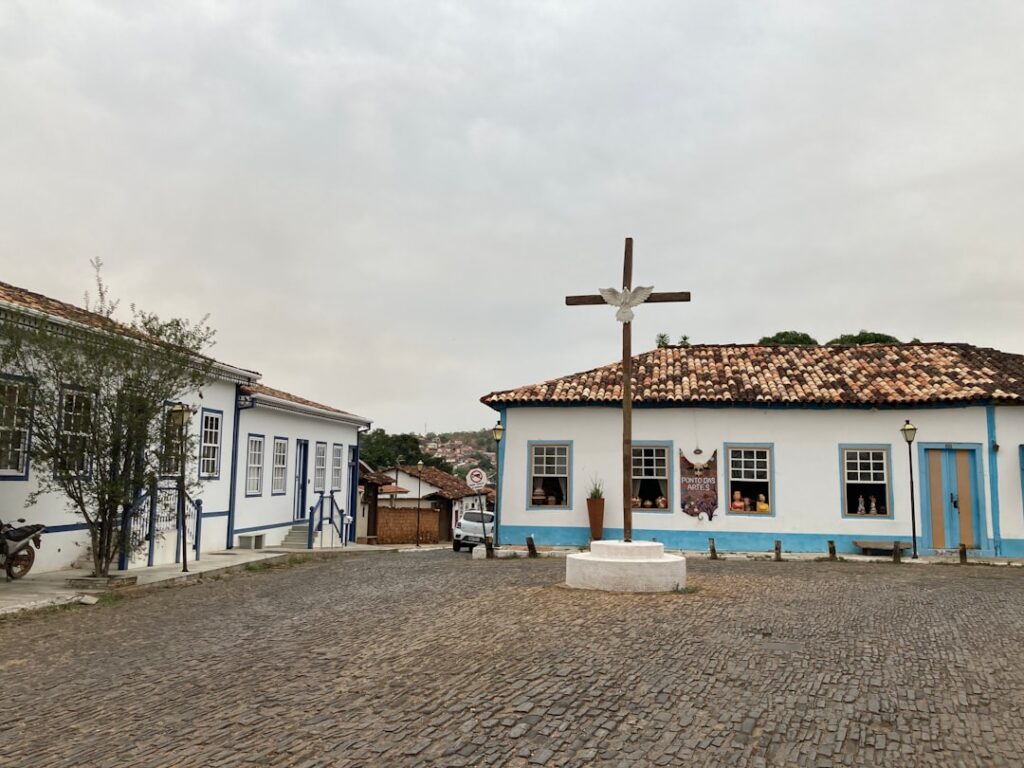
Pirenópolis, Brazil: Amazing Colonial Charm, Waterfall Adventures & Goiás Gold Rush History (2026)
While crowds flock to the beaches of Rio, a 2.5-hour drive inland reveals a different Brazil. In Pirenópolis, the soundtrack isn’t samba but the clatter of horseshoes on cobblestones and the roar of waterfalls. Founded in 1727 during the state’s gold rush, this highland town preserves over 200 colonial-era buildings, a living museum where you can spend under $50 a day exploring baroque churches, hiking to crystalline cascades, and dining on hearty regional cuisine that tells its own story of the Brazilian interior.
Why Pirenópolis, Brazil Stands Out

Church building with palm trees and decorations at sunset., Pirenópolis, Brazil
- Historic Architecture: The 1728 Igreja Matriz de Nossa Senhora do Rosário, rebuilt in the 1930s, is a stunning example of Portuguese colonial style and the town’s spiritual heart.
- Cultural Scene: The vibrant Festa do Divino Espírito Santo, held 45 days after Easter, transforms the town with processions, medieval-style cavalhadas (horseback games), and street parties.
- Local Specialties: You must try *empadão goiano*, a savory pie filled with chicken, sausage, olives, and *guariroba* (a bitter local palm heart).
Pro Tip: Visit on a weekday. Weekends, especially long ones, see an influx of visitors from Brasília. For the perfect blend of good weather and local tranquility, aim for the shoulder months of April or September.
Map of Pirenópolis, Brazil
Use these interactive maps to explore Pirenópolis, Brazil and plan your route:
📍 View Pirenópolis, Brazil on OpenStreetMap
🗺️ Open Pirenópolis, Brazil in Google Maps
Planning Your Trip: Practical Essentials
Getting There and Around
- By Air: The nearest major airport is Brasília International (BSB), 150km away. Azul, LATAM, and Gol offer domestic connections. From the airport, your best bet is a pre-booked transfer (2.5 hours, ~R$250) or a rental car. Book flights at Skyscanner for best deals.
- By Bus: Regular buses run from Brasília’s Rodoviária to Pirenópolis (approx. 2.5 hours, R$30-40). Companies like Viação Goiás provide the service. Reserve tickets at Trainline or the national railway website for bus options.
- By Car: The drive from Brasília via GO-431 is straightforward. In town, parking can be tight in the historic center; many pousadas offer parking. Compare car rentals at RentalCars.com.
- Local Transport: The historic center is best explored on foot. For waterfalls and outlying farms (*fazendas*), you’ll need a taxi, a rented car, or to join a tour. Local taxi fares to nearby attractions like Cachoeira do Abade are negotiable.
Best Time to Visit
Pirenópolis has a tropical savanna climate with a distinct dry (May-Sept) and wet season (Oct-Apr). The dry season offers sunny days perfect for hiking and waterfall visits, while the wet season brings lush greenery and powerful cascades, with afternoon showers.
| Season | Weather | Highlights |
|---|---|---|
| Dry Season (May–Sept) | Sunny, low humidity, 18-30°C (64-86°F). Nights can be cool. | Ideal for all outdoor activities, hiking, and photography. Peak tourist season for domestic travelers. |
| Wet Season (Oct–Apr) | Warm, humid, 20-32°C (68-90°F). Frequent, heavy afternoon rains. | Waterfalls are at their most spectacular. Lush, green landscapes. Fewer crowds outside of holiday periods. |
| Shoulder (Apr & Sept) | Pleasant, transitional weather with moderate rainfall. | The best balance: manageable crowds, good trail conditions, and comfortable temperatures for exploration. |
Budgeting for Pirenópolis, Brazil
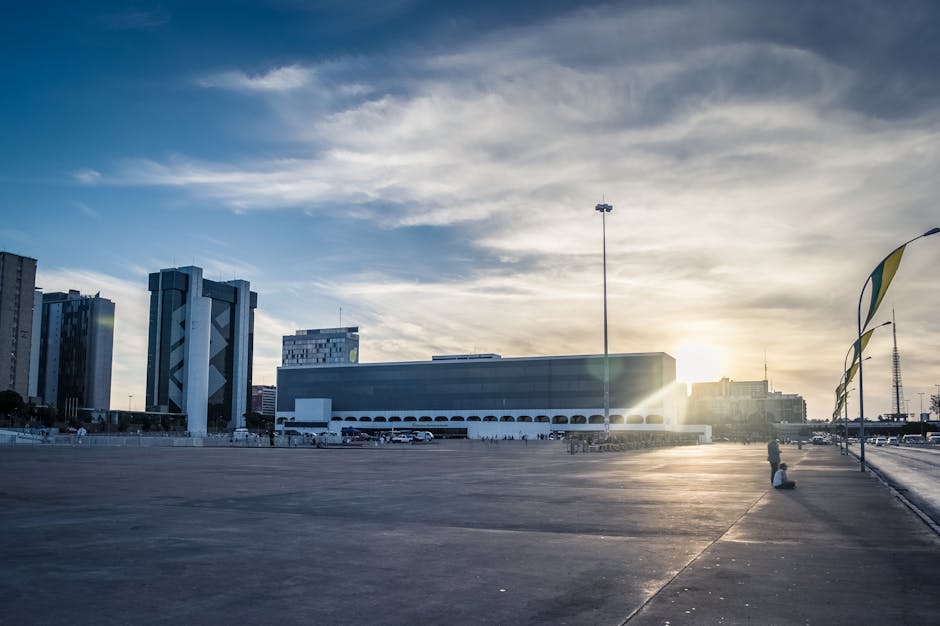
Dramatic urban skyline at sunset in Brasília, Pirenópolis, Brazil
| Category | Budget | Mid-range | Luxury |
|---|---|---|---|
| Accommodation | Hostel/R$80-150 p/night | Charming Pousada/R$250-400 p/night | Boutique Fazenda/R$500+ p/night |
| Meals | Street food & lanchonetes/R$15-30 | Local restaurant/R$40-70 per meal | Fine dining at fazendas/R$100+ |
| Transport | Local bus from Brasília/R$35 | Taxis to waterfalls/R$50-100 per trip | Private driver/R$300+ per day |
| Activities | Historic center walk/Free | Waterfall park entry/R$20-30 | Private guided tours/R$200+ |
| Daily Total | R$150-250 | R$400-600 | R$800+ |
Top Attractions and Must-See Sights
| Attraction | Description | Hours | Entry Fee |
|---|---|---|---|
| Historic Center (Centro Histórico) | A walkable museum of colorful 18th-century homes, artisan shops, and baroque churches on cobblestone streets. | Always open (shops 10am-6pm) | Free |
| Cachoeira do Abade | The town’s most famous and accessible waterfall, a 20m cascade with a natural pool, just 3km from the center. | 8am-5pm daily | R$25 |
| Igreja Matriz de Nossa Senhora do Rosário | The iconic white church, originally built in 1728 and reconstructed, offering panoramic views from its hilltop location. | Varies, often 2pm-5pm | Free (donation appreciated) |
| Parque Estadual dos Pireneus | A vast natural park featuring the Pireneus Mountains, diverse hiking trails, and stunning lookouts like the Pedra de São Domingos. | 8am-4pm | R$15 per vehicle |
3-Day Itinerary: Pirenópolis, Brazil’s Highlights & Hidden Gems
Day 1: Colonial Heart & Culinary Immersion
- Morning (7-9 AM): Start with a quiet walk through the Rua do Rosário before the shops open, admiring the morning light on the colonial facades. Pop into Padaria e Confeitaria Pireneus for a fresh *pão de queijo* (cheese bread) and coffee.
- Afternoon (12-3 PM): Explore the Museu das Cavalhadas to understand the town’s unique festival. For lunch, head to Flor do Ipê (Rua do Rosário, 22) for a massive and authentic *empadão goiano* (R$45 serves two).
- Evening (6-8 PM): Climb the steps to the Igreja Matriz for sunset views. Afterwards, enjoy dinner at Divina Gula (Rua do Rosário, 35), known for its creative takes on regional dishes like *pequi* rice.
Day 2: Waterfall Wonders & Rural Flavors
- Morning (8 AM): Take a taxi (R$25) to Cachoeira do Abade. Arrive early to have the main pool to yourself. The entry fee is R$25, and you can spend hours swimming and exploring the surrounding trails.
- Afternoon (1 PM): Return to town for a casual lunch at Tapiocaria Pirenópolis. Then, hire a taxi for the afternoon (approx. R$150) to visit a more secluded waterfall like Cachoeira do Lázaro or the beautiful series of falls at Vargem Grande.
- Evening (7 PM): Experience a true *fazenda* dinner at Restaurante do João (requires reservation). This family-run farm restaurant serves a phenomenal fixed-price feast of grilled meats, local vegetables, and homemade desserts.
Day 3: Mountain Vistas & Artisan Finds
- Morning (8 AM): Rent a car or join a tour to Parque Estadual dos Pireneus. Drive to the base and hike to the summit of Pedra de São Domingos (about 1 hour). The 360-degree view of the cerrado is unforgettable.
- Afternoon (12 PM): Descend and have a rustic lunch at a park kiosk. Return to town and spend the afternoon browsing the ateliers on Rua do Bonfim, where you can find unique silver jewelry (a local craft) and handmade ceramics.
- Evening (6 PM): Enjoy a final stroll, perhaps catching a live *seresta* (traditional singing) at a local bar like Armazém do Cerrado. For a memorable last meal, dine at the charming Pireneus Café with Bistrô.
Cultural Insights & Etiquette
- Language: Portuguese is essential. Learn basics: *Bom dia* (Good morning), *Obrigado/a* (Thank you), *Quanto custa?* (How much?). English is not widely spoken.
- Customs: Life moves slower here. Greet shopkeepers when entering. The festival of Divino Espírito Santo is taken very seriously; respectful observation is appreciated.
- Tipping: 10% is standard in sit-down restaurants and is often already included on the bill as *”serviço.”* For taxis, rounding up is fine.
- Dress Code: Casual and comfortable for daytime. Bring sturdy shoes for hiking and cobblestones. For nicer restaurants, smart-casual is acceptable; avoid beachwear in the town center.
- Business Hours: Shops generally open 10am-6pm, often closing for a siesta from 1pm-3pm. Restaurants open for lunch around 11:30am and dinner at 7pm. Many places are closed on Monday nights.
Where to Eat: Pirenópolis, Brazil’s Best Bites
Goiás cuisine is hearty, rustic, and defined by unique ingredients from the Brazilian *cerrado* (savanna). Meals are social affairs, often centered around shared dishes. Don’t be afraid to try the distinctive flavors of *pequi* (a fragrant fruit) and *guariroba*.
Must-Try Local Specialties
- Empadão Goiano: The king of local dishes. A deep-dish savory pie with a rich filling of chicken, sausage, hard-boiled eggs, olives, and *guariroba*. Best tried at Flor do Ipê.
- Pequi: A yellow fruit with a strong, unique aroma and flavor, often cooked with chicken or rice. Approach with caution—it has tiny spines! Served at most traditional restaurants.
- Arroz com Suã: Rice cooked with pork spine, resulting in a deeply flavorful and comforting dish. A staple at family-style *fazenda* restaurants like Restaurante do João.
Restaurant Recommendations by Budget
| Type | Restaurant | Specialty | Price Range |
|---|---|---|---|
| Budget | Tapiocaria Pirenópolis (Rua do Rosário) | Savory and sweet tapioca crepes, a quick and delicious meal | R$10-20 |
| Mid-range | Divina Gula (Rua do Rosário, 35) | Innovative regional cuisine in a lovely courtyard setting | R$50-80 per person |
| Fine dining | Restaurante do João (Fazenda Babilônia) | An authentic, multi-course farm feast requiring advance reservation | R$100+ per person (fixed menu) |
Where to Stay
Accommodation ranges from basic hostels to luxurious historic farm stays (*fazendas*). Staying in or near the historic center is best for first-time visitors to be within walking distance of restaurants and shops. For a secluded nature retreat, look at the *fazendas* in the surrounding hills. Compare prices and book at Booking.com or Airbnb for apartments.
Best Neighborhoods for Accommodation
- Centro Histórico: The heart of the action. You’ll be steps from restaurants, shops, and churches. Perfect for those who want to immerse themselves in the colonial atmosphere. Can be noisy on weekend nights.
- Alto do Carmo: A quieter, more residential hilltop area just a short walk from the center. Offers beautiful views and a more local feel. Ideal for couples and those seeking peace.
- Surrounding Fazendas: For a true escape, stay at a working farm or rural retreat outside town. You’ll need transport, but you’ll get serenity, nature, and often incredible home-cooked meals. Best for families or relaxation-focused travelers.
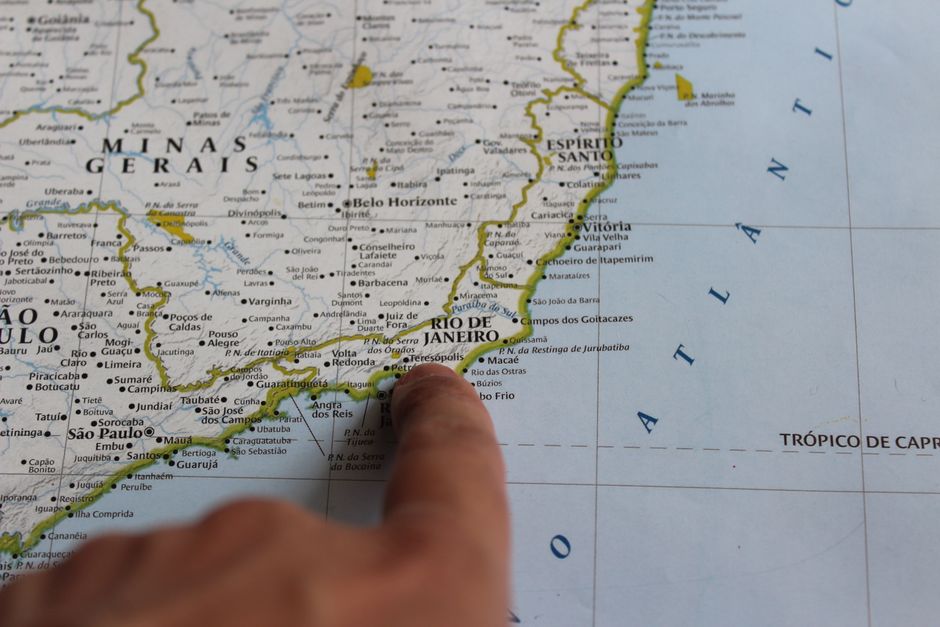
Close-up of a finger pointing to Rio de Janeiro on a map of Brazil, Pirenópolis, Brazil
FAQs: Your Pirenópolis, Brazil Questions Answered
1. Is Pirenópolis, Brazil safe at night?
Yes, the historic center is generally very safe for walking at night, with a relaxed, small-town atmosphere. As always, exercise basic caution: stick to well-lit main streets and be aware of your surroundings. The main risk is uneven cobblestones, so watch your step!
2. What currency is used and are credit cards accepted?
The Brazilian Real (R$) is the currency. Credit cards (Visa/Mastercard) are widely accepted in hotels, restaurants, and larger shops in the center. However, for small artisan purchases, taxi fares, and entry to some smaller waterfalls, cash (in smaller bills) is essential. There are several ATMs in the town center.
3. How do I get from the airport to the city center?
From Brasília International (BSB), the most convenient options are a pre-booked private transfer (approx. 2.5 hours, R$250-300) or renting a car. There is no direct public bus; you’d need to take a taxi/Uber to Brasília’s bus station first. Book airport transfers at GetYourGuide for convenience.
4. Do I need to speak the local language?
Yes, a few basic Portuguese phrases will go a very long way. English is not commonly spoken outside some tourist-facing pousadas and tour operators. Learning greetings, numbers, and menu items will greatly enhance your experience and is appreciated by locals.
5. What
Related Guides
Explore more destinations similar to Pirenópolis:
- Severnaya Zemlya, Russia: Ultimate Polar Desolation, Glacial Majesty & Arctic Discovery (2026)
- Aqaba, Jordan’s Hidden Red Sea Diving, Ancient Forts & Bedouin Hospitality (2025)
- Suwon, South Korea’s Hidden UNESCO Fortresses, Royal Cuisine & Tech Hub Energy (2026)
- Liwa Oasis, United Arab Emirates: Essential Dunes, Date Palms & Bedouin Heritage (2026)
{“@context”: “https://schema.org”, “@type”: “FAQPage”, “mainEntity”: [{“@type”: “Question”, “name”: “What is the best time to visit Pirenu00f3polis?”, “acceptedAnswer”: {“@type”: “Answer”, “text”: “The best time to visit Pirenu00f3polis depends on your preferences. Generally, the dry season offers the most pleasant weather for sightseeing and outdoor activities.”}}, {“@type”: “Question”, “name”: “How many days do I need in Pirenu00f3polis?”, “acceptedAnswer”: {“@type”: “Answer”, “text”: “Most travelers spend 3-5 days in Pirenu00f3polis to see the main attractions. A week allows for a more relaxed pace and day trips.”}}, {“@type”: “Question”, “name”: “Is Pirenu00f3polis expensive to visit?”, “acceptedAnswer”: {“@type”: “Answer”, “text”: “Pirenu00f3polis can be visited on various budgets. Accommodation ranges from hostels to luxury hotels, and local restaurants offer affordable dining.”}}]}

