
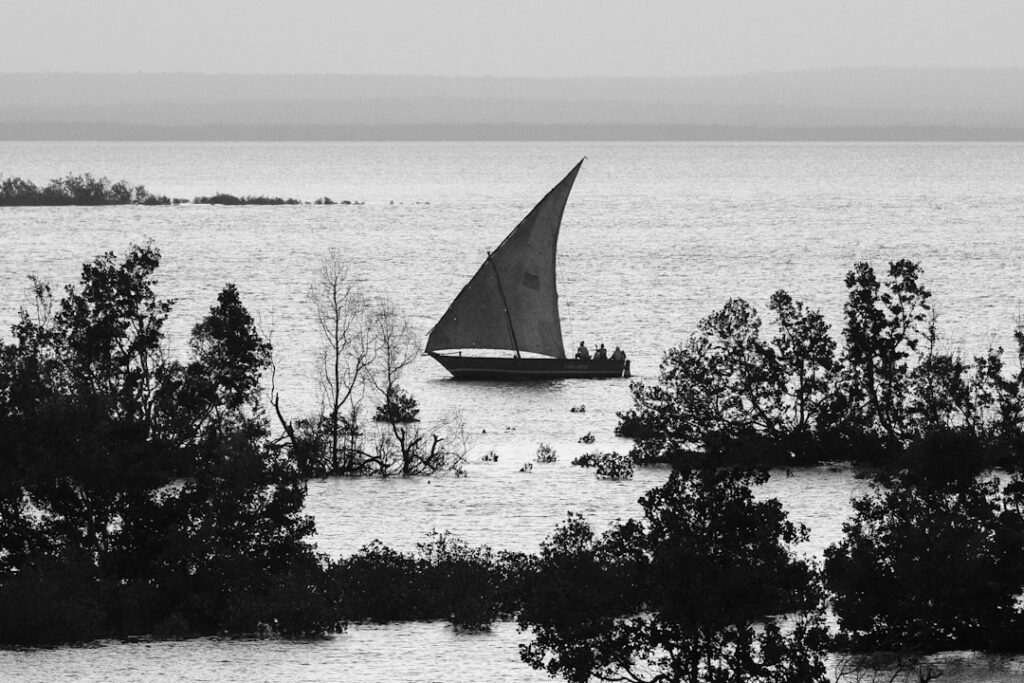
Ibo Island, Mozambique: Stunning Dhow Sails, Silver Filigree & Forgotten Forts (2026)
Sunrise on Ibo Island reveals a world adrift in time. As the tide recedes, it exposes a vast, shimmering sandbank that connects you to two other islands, a natural phenomenon locals call “the walking sea.” The air fills with the rhythmic tap-tap-tap of silversmiths in crumbling colonial mansions, a sound that has echoed for over 200 years. This isn’t just a remote island; it’s a living museum of Swahili, Portuguese, and African history, where fewer than 1,000 international visitors tread annually on its coral-stone streets.
Why Ibo Island, Mozambique Stands Out

Aerial view of Maputo, Ibo Island, Mozambique
- Historic Architecture: The star-shaped Fort of São João Baptista, built in 1791, is one of the oldest European forts in East Africa, its cannons still facing the channel where slave ships once anchored.
- Cultural Scene: The Ibo Island Festival, typically held in August, transforms the island with traditional Makua dance, dhow races, and showcases of the legendary silver filigree craftsmanship.
- Local Specialties: You must try Matapa, a rich, creamy stew of cassava leaves, ground peanuts, coconut milk, and prawns, served with steaming rice.
Pro Tip: Visit during the dry season from May to October for the best weather, but for a truly magical and crowd-free experience, aim for the shoulder months of May or late October. The sea is calm, the skies are clear, and you’ll have the island’s timeless streets largely to yourself.
Map of Ibo Island, Mozambique
Use these interactive maps to explore Ibo Island, Mozambique and plan your route:
📍 View Ibo Island, Mozambique on OpenStreetMap
🗺️ Open Ibo Island, Mozambique in Google Maps
Planning Your Trip: Practical Essentials
Getting There and Around
- By Air: Fly into Pemba Airport (POL) via Johannesburg or Maputo. From Pemba, take a 30-minute charter flight to Ibo Island Airport (a grass strip) with companies like Kaya Air, or opt for a 2-3 hour road transfer to Tandanhangue, followed by a 30-minute dhow crossing. Book flights at Skyscanner for best deals.
- By Train: No direct train service exists to the Quirimbas Archipelago. The primary access is via air or road to the coastal mainland.
- By Car: A 4×4 is recommended for the drive from Pemba to Tandanhangue. The route is scenic but can be rough. You can park securely at the dock for a small daily fee. Compare car rentals at RentalCars.com.
- Local Transport: Ibo Island is best explored on foot. For excursions to sandbanks or other islands, you’ll arrange a local dhow with a guide from your lodge. A 3-hour dhow trip typically costs around 2,500-3,500 MZN (approx. $40-$55) for a small group.
Best Time to Visit
The ideal window is the dry, cooler season, which offers perfect conditions for exploring, snorkeling, and enjoying the beaches. The wet season brings heat, humidity, and occasional cyclones, making some activities and transfers challenging.
| Season | Weather | Highlights |
|---|---|---|
| Dry Season (May–Oct) | 22°C – 28°C (72°F – 82°F), sunny, low humidity, almost no rain. | Perfect for dhow safaris, snorkeling, and historical walks; peak season with more lodge availability but still uncrowded. |
| Wet Season (Nov–Apr) | 26°C – 32°C (79°F – 90°F), very humid, heavy rainfall, risk of cyclones (Jan-Mar). | Lush green scenery, lowest tourist numbers, and significant discounts on lodging; many lodges may close in peak cyclone months. |
| Shoulder (May & Oct) | Pleasant warmth, transitioning weather, occasional brief showers. | The sweet spot: excellent weather, calm seas, and the island is peacefully quiet before or after the main season. |
Budgeting for Ibo Island, Mozambique

Vibrant houses along Burano’s canal in Venice, Italy, under a clear blue sky., Ibo Island, Mozambique
| Category | Budget | Mid-range | Luxury |
|---|---|---|---|
| Accommodation | 1,500 – 2,500 MZN/night (basic guesthouse) | 4,500 – 8,000 MZN/night (boutique lodge) | 10,000+ MZN/night (full-board luxury villa) |
| Meals | 300 – 500 MZN (local café Matapa & rice) | 600 – 1,200 MZN (lodge restaurant meal) | 1,500+ MZN (multi-course fine dining) |
| Transport | Walk everywhere (free) | Shared dhow trip (~800 MZN/person) | Private dhow charter (3,500+ MZN) |
| Activities | Fort visit (100 MZN), self-guided walks | Guided history tour (500 MZN), snorkeling trip | Private guided island-hopping, silver workshop |
| Daily Total | ~2,000 MZN / $31 USD | ~6,500 MZN / $102 USD | 15,000+ MZN / $235+ USD |
Top Attractions and Must-See Sights
| Attraction | Description | Hours | Entry Fee |
|---|---|---|---|
| Fort of São João Baptista | A hauntingly beautiful 18th-century Portuguese fort with a dark history as a slave holding post, now offering panoramic views. | Sunrise to Sunset | 100 MZN |
| Ibo Island Silver Workshop | Watch master artisans create intricate filigree jewelry using techniques passed down for generations in a historic villa. | 9:00 AM – 4:00 PM (Mon-Sat) | Free (purchase optional) |
| The Dhow Building Yard | See traditional wooden dhows being handcrafted without blueprints, a skill that defines the Swahili Coast. | Daylight Hours | Free (small tip appreciated) |
| The Cemetery & Ruined Mansions | A poignant walk through time amidst baobabs and crumbling facades of old trading houses, telling stories of past wealth. | Always accessible | Free |
3-Day Itinerary: Ibo Island, Mozambique’s Highlights & Hidden Gems
Day 1: History & Handicrafts
- Morning (7-9 AM): Start with a sunrise walk along the northern shoreline as the fishermen return. Then, head to the **Fort of São João Baptista** (100 MZN) when it opens to explore its ramparts and cells in the cool morning light.
- Afternoon (12-3 PM): Enjoy a lunch of fresh grilled fish and coconut rice at **Miti Miwiri Café**. Afterwards, visit the **Ibo Island Silver Workshop** to watch the craftsmen and perhaps commission a custom piece (allow 24 hours for completion).
- Evening (6-8 PM): Take a leisurely stroll through the **Stone Town**, peeking into the overgrown ruins of colonial mansions. For dinner, savor a seafood platter at the rooftop restaurant of **Ibo Island Lodge** with views over the mangroves.
Day 2: Island, Sea & Sand
- Morning (8 AM): Charter a local dhow (approx. 3,000 MZN for a group) for a trip to the **sandbank at low tide**. Walk across the exposed seabed, snorkel in the clear channels, and look for starfish and sand dollars.
- Afternoon (1 PM): Your dhow captain can prepare a fresh seafood lunch on a nearby deserted beach like **Mefunvo Island**. Afterwards, visit the **Dhow Building Yard** to see these majestic vessels under construction.
- Evening (6 PM): Back on Ibo, join a **guided historical walk** (500 MZN) to hear the legends of sultans, slave traders, and explorers that your lodge can arrange. Dine at **Cinco Portas** for a taste of their famous crab curry.
Day 3: Culture & Community
- Morning (9 AM): If it’s a Friday, visit the **local market** for a burst of color and community spirit. Otherwise, take a **bicycle tour** (available through lodges) to the quieter villages on the island’s interior, passing cashew and mango plantations.
- Afternoon (12 PM): Have a simple, authentic lunch at a **local family-run barraca** (like Dona Ana’s near the square) for the best *Matapa* on the island. Pick up your finished silver jewelry from the workshop.
- Evening (5:30 PM): Your final evening calls for a **sundowner dhow cruise** in the channel. Sail past the fort as the sky turns orange and pink. Enjoy a farewell dinner under the stars at your lodge.
Cultural Insights & Etiquette
- Language: Portuguese is the official language; the local dialect is Kimwani. Key phrases: “Bom dia” (Good morning), “Obrigado/a” (Thank you), “Quanto custa?” (How much?). English is spoken in tourist lodges but not widely elsewhere.
- Customs: Always greet people before asking questions or taking photos. A handshake is common. The community is Muslim-influenced; be respectful, especially during prayer times. Asking permission before photographing people is essential.
- Tipping: Not mandatory but greatly appreciated. For guides, 10% of the tour cost is standard. In restaurants, rounding up the bill or leaving 5-10% is fine if service isn’t included.
- Dress Code: Modesty is key. Wear clothing that covers shoulders and knees, especially when away from the lodge or beach. Swimwear is only for the beach or your lodge pool.
- Business Hours: Shops and workshops generally operate from 8:00 AM to 5:00 PM, often closing for a few hours in the midday heat. Many close on Sundays. The island operates on “Ibo time”—relaxed and flexible.
Where to Eat: Ibo Island, Mozambique’s Best Bites
Dining on Ibo is a blend of luxurious lodge cuisine and incredibly fresh, simple local fare. The island’s kitchens are defined by the sea, coconut, and cassava. Don’t expect a wide choice of restaurants; instead, savor the hyper-local, fresh-caught quality.
Must-Try Local Specialties
- Matapa: The national dish, a flavorful, slightly bitter stew of cassava leaves, ground peanuts, garlic, and coconut milk, usually served with giant prawns or fish over rice. Find it at any local *barraca*.
- Grilled Lobster or Crab: Often caught the same day, simply grilled over coals and served with lime and chili. A specialty at **Cinco Portas** and the **Ibo Island Lodge**.
- Pãozinho (Bread Rolls): A legacy of Portuguese rule, these small, fresh bread rolls are baked daily and served with every meal. Pick them up warm from the small bakery near the market in the morning.
Restaurant Recommendations by Budget
| Type | Restaurant | Specialty | Price Range |
|---|---|---|---|
| Budget | Local Barracas (Dona Ana’s, near the square) | Authentic, hearty *Matapa* and rice, fresh fish. | 200 – 400 MZN |
| Mid-range | Miti Miwiri Café (Stone Town) | Relaxed garden setting, great coffee, sandwiches, and light meals. | 400 – 700 MZN |
| Fine dining | Ibo Island Lodge Restaurant (Northern Shore) | Elegant multi-course dinners featuring local seafood with international flair, stunning setting. | 1,200 – 1,800 MZN |
Where to Stay
Accommodation defines your Ibo experience, ranging from basic guesthouses to stunning, historically restored luxury lodges. Most are concentrated in or near the historic Stone Town. Compare prices and book at Booking.com or Airbnb for apartments.
Best Neighborhoods for Accommodation
- Stone Town (Cidade de Pedra): The historic heart. You’ll be amidst the ruins and grandeur, with easy access to all cultural sites. It can feel eerily quiet at night. Perfect for history buffs. (e.g., Cinco Portas, Ibo Island Lodge).
- Northern Shoreline: Offers beautiful sea views, breezes, and direct access to the water for dhow trips. Slightly removed from the main historical area, offering more tranquility. Ideal for relaxation. (e.g., parts of Ibo Island Lodge).
- Inland/Village Areas: A more authentic, local experience staying in simple guesthouses or homestays. You’ll experience daily island life firsthand but with fewer tourist comforts. Best for adventurous, budget-conscious travelers.
Black and white image of an elevated train and New York City skyline with r…, Ibo Island, Mozambique
FAQs: Your Ibo Island, Mozambique Questions Answered
1. Is Ibo Island, Mozambique safe at night?
Yes, Ibo Island is generally very safe. The community is small, close-knit, and protective of its visitors. Violent crime is extremely rare. However, take normal precautions: avoid walking alone in completely unlit areas of the ruins at night, and keep your belongings secure. Your lodge staff are the best source for current, localized advice.
2. What currency is used and are credit cards accepted?
The Mozambican Metical (MZN) is the official currency. Cash is king on Ibo. Only the upmarket lodges may accept credit cards (Visa/Mastercard), and even then, connectivity issues can make it unreliable. Your best bet is to bring enough cash in Meticais for your entire stay. There are NO ATMs on the island. Exchange money or withdraw cash in Pemba before you travel over.
3. How do I get from the airport to the island?
If you fly into Pemba (POL), you’ll need to transfer to Ibo. The most reliable method is to pre-book a transfer through your Ibo Island lodge. This typically includes a 2-3 hour 4×4 drive to Tandanhangue, followed by a 30-minute dhow ride to Ibo. The total cost is usually around 2,500 – 4,000 MZN per person one-way, depending on the lodge. Book airport transfers at GetYourGuide
Related Guides
Explore more destinations similar to Ibo Island:

