
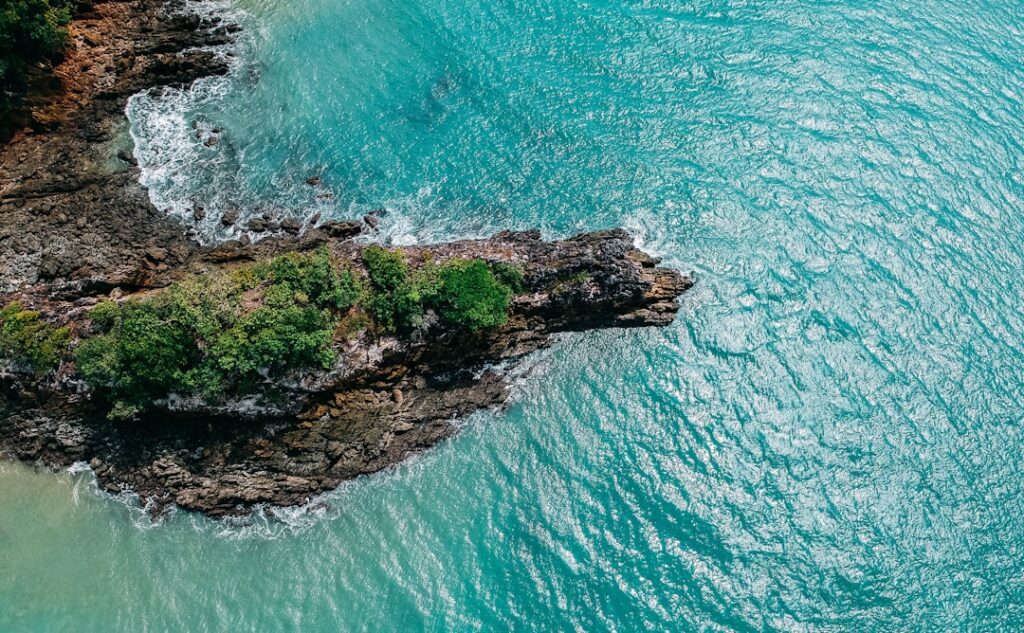
Ranong, Thailand’s Stunning Hot Springs, Rainforests & Thai-Myanmar Culture (2025)
While crowds flock to Phuket’s packed beaches, Ranong, Thailand delivers authentic Thai-Myanmar culture and pristine, emerald-green landscapes without the tourist markups. Here, you can soak in 65°C natural hot springs for free, explore a national park that receives over 4,000mm of rain annually (making it one of Thailand’s wettest and most biodiverse regions), and cross a river to Myanmar for lunch—all in a single, unhurried day. This is the Andaman Coast as it once was.
Why Ranong, Thailand Stands Out

Calm waves of sea on beach at daytime, Ranong, Thailand
- Historic Architecture: The 140-year-old Rattanarangsi Temple (Wat Rat Rangsan), built during the reign of King Rama V, features a unique blend of Thai and Chinese architectural styles reflecting Ranong’s tin mining history.
- Cultural Scene: The annual Chak Phra Festival in October sees elaborately decorated boats parading down the Ranong River, a vibrant local tradition celebrating the end of Buddhist Lent.
- Local Specialties: You must try Khao Yam Pak Tai, a fragrant Southern Thai rice salad packed with herbs, dried shrimp, and a pungent budu sauce, best enjoyed at riverside eateries.
Pro Tip: Visit between January and March. This is the driest period in this famously rainy province, offering the best chance for clear skies to explore the islands and hot springs without constant downpours. Avoid September-November, the peak of the monsoon, when many boat services to islands like Koh Phayam are suspended.
Map of Ranong, Thailand
Use these interactive maps to explore Ranong, Thailand and plan your route:
📍 View Ranong, Thailand on OpenStreetMap
🗺️ Open Ranong, Thailand in Google Maps
Planning Your Trip: Practical Essentials
Getting There and Around
- By Air: Ranong Airport (UNN) has daily flights from Bangkok Don Mueang (DMK) via AirAsia and Nok Air (approx. 1.5 hours). A taxi from the airport to town costs 200-300 THB. Book flights at Skyscanner for best deals.
- By Train: No direct train service. The nearest major station is in Surat Thani. From there, take a 3-hour bus (approx. 200 THB). Reserve tickets at Trainline or the national railway website for the rail leg.
- By Car: Driving from Bangkok takes 8-9 hours via Highway 4. Parking is easy and free in most town areas. Compare car rentals at RentalCars.com for exploring the remote national parks.
- Local Transport: Songthaews (shared pickup truck taxis) run set routes for 20-30 THB. Motorbike taxis are plentiful for short trips (40-60 THB). For islands, use the public piers. Renting a motorbike (250 THB/day) is your best bet for flexibility.
Best Time to Visit
Ranong’s climate is defined by its long, intense rainy season. Savvy travelers target the brief dry window for optimal exploration, though the shoulder seasons offer lush scenery and deep discounts.
| Season | Weather | Highlights |
|---|---|---|
| Summer (Jun–Aug) | Heavy, daily rainfall, high humidity (85-95%), temps 25-32°C. | Lush, vibrant rainforests; few tourists; lower accommodation rates. Many island ferries operate but seas can be rough. |
| Winter (Dec–Feb) | Mostly dry, sunny spells, pleasant temps 22-31°C. The prime visiting period. | Ideal for island hopping, hot spring visits, and national park trekking. Clear skies and calm seas. Book accommodation well in advance. |
| Shoulder (Apr–May/Sep–Oct) | Unpredictable mix of sun and heavy showers, temps 25-34°C. | Good value; September-October sees major local festivals. Be prepared with rain gear and flexible plans for sudden downpours. |
Budgeting for Ranong, Thailand

The sun is setting over a rocky beach, Ranong, Thailand
| Category | Budget | Mid-range | Luxury |
|---|---|---|---|
| Accommodation | 300-600 THB (hostel/dorm, basic fan bungalow) | 1,200-2,500 THB (comfortable hotel/AC resort bungalow) | 3,500+ THB (boutique resort, private villa) |
| Meals | 50-100 THB (street food, market meals) | 150-350 THB (restaurant with river view) | 500+ THB (resort dining, seafood platters) |
| Transport | 100 THB (songthaews, local ferries) | 400-600 THB (motorbike rental, private taxi trips) | 1,500+ THB (private long-tail boat charter) |
| Activities | 0-200 THB (public hot springs, temple visits) | 500-1,000 THB (national park entry, guided kayak tour) | 2,000+ THB (private guided trek, spa packages) |
| Daily Total | 450-1,000 THB | 2,200-4,450 THB | 7,500+ THB |
Top Attractions and Must-See Sights
| Attraction | Description | Hours | Entry Fee |
|---|---|---|---|
| Raksa Warin Hot Springs | Soak your feet in natural 65°C mineral water channels in a serene public park, believed to have healing properties. | 8:00 AM – 6:00 PM | Free (Foot baths); Private Bathhouse: 50 THB |
| Ngao Waterfall National Park | Home to the stunning, multi-tiered Ngao Waterfall, with hiking trails through rich, primary rainforest teeming with wildlife. | 8:30 AM – 4:30 PM | 200 THB for foreigners |
| Koh Phayam | A laid-back, car-free island known for long, empty beaches, rustic bungalows, and a strong backpacker community vibe. | Ferries run 9:00 AM – 4:00 PM | Ferry: 200 THB each way |
| Ranong Canyon | A striking, deep-blue freshwater quarry surrounded by limestone cliffs, perfect for a refreshing swim and photos. | Daylight hours | 20 THB |
3-Day Itinerary: Ranong, Thailand’s Highlights & Hidden Gems
Day 1: Town, Springs & River Culture
- Morning (7-9 AM): Start at the Ranong Morning Market near the pier. Witness the lively trade of fresh seafood and Burmese goods. Grab a 30 THB coffee and watch the long-tail boats unload.
- Afternoon (12-3 PM): Visit the free Raksa Warin Hot Springs. After, head to Krua Nai Jang for lunch (try their Gaeng Som Pla, a sour Southern fish curry, for 120 THB). Then, explore the historic Rattanarangsi Temple.
- Evening (6-8 PM): Take a short sunset stroll along the Ranong River walkway. For dinner, locals recommend Rim Nam Restaurant for fresh prawns and river views (mains from 180 THB).
Day 2: Island Escape to Koh Phayam
- Morning (8:00 AM): Catch the 9:00 AM speedboat from Ranong’s Saphan Pla Pier to Koh Phayam (450 THB return, 30-min ride). Rent a motorbike (250 THB/day) upon arrival at the pier.
- Afternoon (12-3 PM): Explore Aow Yai Beach, a long, sweeping bay. For lunch, head to Bamboo Bay Resort’s restaurant for their famous cashew nut chicken and a sea view (150 THB).
- Evening (6-8 PM): Watch the sunset from Buffalo Bay. Enjoy a fresh seafood barbecue at Porn’s Restaurant on Aow Yai (grilled squid for 200 THB). Stay overnight in a beachfront bungalow.
Day 3: Rainforests & The Blue Canyon
- Morning (8:00 AM): Return ferry to Ranong (8:30 AM boat). Hire a songthaew or taxi (approx. 600 THB round-trip) for the 25km journey to Ranong Canyon. Swim in the stunning blue waters.
- Afternoon (12-3 PM): Continue to Ngao Waterfall National Park (another 15 mins). Hike to the main waterfall tiers. Pack a picnic or grab simple noodles from a park vendor.
- Evening (6-8 PM): Back in town, savor your final meal at Jansom’s Kitchen, a legendary local spot for authentic Khao Yam and other Southern Thai dishes (mains from 80 THB).
Cultural Insights & Etiquette
- Language: Thai is the main language. Key phrases: “Sawasdee” (Hello), “Khop khun” (Thank you). In markets, you’ll hear Burmese and a Southern Thai dialect. Basic English is understood in tourist areas.
- Customs: The head is sacred, the feet are low. Never touch someone’s head or point your feet at people or Buddha images. Always remove shoes before entering temples and private homes.
- Tipping: Not expected but appreciated. Round up taxi fares, leave 20-50 THB at restaurant tables for good service, and tip tour guides 100-200 THB for a half-day tour.
- Dress Code: Modest dress is required for temples (cover shoulders and knees). Swimwear is for the beach/pool only. Light, breathable fabrics are essential due to the humidity.
- Business Hours: Shops: 9:00 AM – 7:00 PM. Government offices: 8:30 AM – 4:30 PM. Markets are busiest in the early morning and late afternoon. Many small businesses close on Sunday.
Where to Eat: Ranong, Thailand’s Best Bites
Ranong’s cuisine is distinctly Southern Thai—spicy, herbaceous, and seafood-centric—with strong Burmese influences. Dining is casual, often at open-air shophouses or plastic-chair eateries where flavor triumphs over ambiance.
Must-Try Local Specialties
- Khao Yam Pak Tai: The regional signature. A deconstructed salad of rice, herbs, beans, dried shrimp, and a pungent fermented fish sauce (budu). Find the best at Jansom’s Kitchen or the night market.
- Gaeng Tai Pla: A fiercely spicy and salty curry made with fermented fish entrails, bamboo shoots, and vegetables. For the adventurous; try at local canteens like Krua Nai Jang.
- Roti Kaeng: A Thai-Muslim flatbread served with a sweet or savory curry for dipping. A popular breakfast. Look for stalls near the mosque or the morning market.
Restaurant Recommendations by Budget
| Type | Restaurant | Specialty | Price Range |
|---|---|---|---|
| Budget | Ranong Night Market (Downtown near clock tower) | Street food galore: grilled skewers, noodles, fresh fruit shakes. | 30-80 THB per item |
| Mid-range | Rim Nam Restaurant (333 Ruangrat Rd) | Fresh river prawns, whole steamed fish, and classic Thai stir-fries with waterfront views. | 150-350 THB per dish |
| Fine dining | The Hot Spring Resort Restaurant (1/7 Phetkasem Rd) | Upscale Thai and international cuisine in a refined garden setting, often with live music. | 300-600 THB per dish |
Where to Stay
Accommodation ranges from basic town hotels to rustic island bungalows. Staying in Ranong town offers convenience for hot springs and transport, while the islands promise beachfront serenity. Compare prices and book at Booking.com or Airbnb for apartments.
Best Neighborhoods for Accommodation
- Ranong Town Center: Close to markets, the pier, and hot springs. Best for travelers using Ranong as a transport hub. You’ll find standard hotels and guesthouses. Can be noisy but supremely convenient.
- Koh Phayam (Aow Yai Beach): The island’s main tourist area with the widest choice of bungalows, cafes, and a social vibe. Perfect for beach lovers and those seeking a relaxed, car-free atmosphere.
- Koh Phayam (Buffalo Bay): Quieter and more spread out than Aow Yai, with a more secluded feel. Ideal for couples and travelers looking for peace. Note: amenities are more scattered.

Traditional Thai pagoda by a serene pond at sunset, Ranong, Thailand
FAQs: Your Ranong, Thailand Questions Answered
1. Is Ranong, Thailand safe at night?
Yes, Ranong is generally very safe. Violent crime against tourists is rare. Exercise standard precautions: avoid poorly lit, deserted areas late at night, secure your valuables, and be aware of your surroundings. The main risk for travelers is road safety, so be cautious if riding a motorbike.
2. What currency is used and are credit cards accepted?
The Thai Baht (THB) is the currency. While hotels, resorts, and some larger restaurants in town accept credit cards, cash is king in Ranong. Street vendors, markets, songthaews, and most island businesses operate on cash only. ATMs are widely available in Ranong town and at Koh Phayam’s main pier.
3. How do I get from the airport to the city center?
Ranong Airport (UNN) is only 3km from downtown. Your options are a metered taxi (approx. 150-200 THB), a pre-arranged hotel pickup, or a motorbike taxi (approx. 80 THB) if you’re traveling light. The journey takes less than 10 minutes. Book airport transfers at GetYourGuide for convenience.
4. Do I need to speak the local language?
No, but learning a few phrases enhances your experience. English is spoken in hotels, tour agencies, and popular island spots, but less so
Related Guides
Explore more destinations similar to Ranong:
- Bucaramanga, Colombia’s Hidden Adventure, Architecture & Ajiaco Santandereano (2025)
- Syria’s Dead Cities, Syria: Essential Ancient Echoes, Olive Groves & Byzantine Mysteries (2026)
- Lamu Archipelago, Kenya: Essential Dhow Sailing, Swahili Culture & Untouched Beaches (2025)
- Kruševo, North Macedonia’s Essential History, Hiking & A Town in the Sky (2025)

