
Chittagong, Bangladesh’s Essential Ports, Hills & Spiritual Journeys (2025)
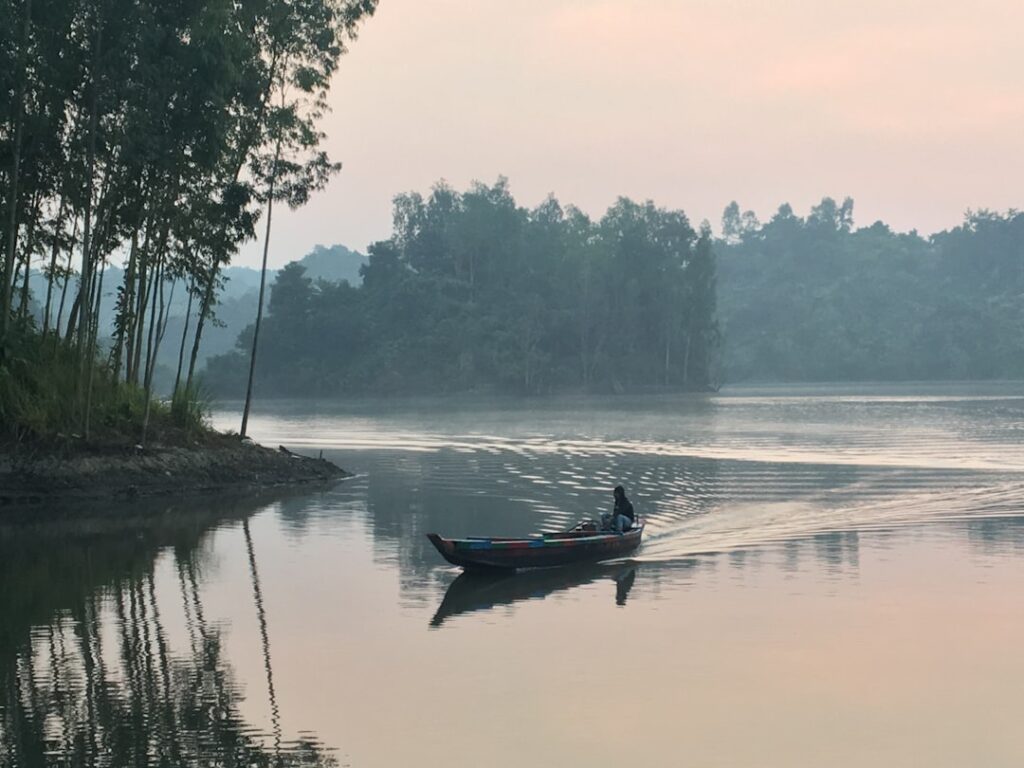
Sunrise over the Karnaphuli River reveals a city of kinetic energy, where the deep-throated horns of container ships mingle with the call to prayer from a thousand mosques. The air carries the scent of salt, spice, and wet earth from the nearby hills. This is Chittagong, Bangladesh’s bustling second city and commercial heart—a place where the romance of a historic seaport collides with the raw, unfiltered pulse of modern trade and deep-rooted spirituality, offering a travel experience far removed from the typical tourist trail.
Why Chittagong, Bangladesh Stands Out

Green trees, Chittagong, Bangladesh
- Historic Architecture: The 17th-century Anderkilla Shahi Jame Mosque, built atop a Mughal fort, offers a stunning fusion of Mughal and British colonial architectural influences and panoramic city views.
- Cultural Scene: The annual Chittagong Hill Tracts Boisabi Festival (in April) showcases the vibrant traditions of indigenous communities with music, dance, and wrestling, a world apart from the city’s Bengali mainstream.
- Local Specialties: Don’t leave without trying Mezban, a celebratory slow-cooked beef curry with a complex, fiery gravy, traditionally served on large communal platters.
Pro Tip: To experience the ship-breaking yards at Sitakunda—a staggering, controversial spectacle—you must arrange a local guide with a vehicle from Chittagong city. Independent access is restricted and dangerous. The best viewing is from the beach at low tide, and photography is sensitive; always ask for permission.
Map of Chittagong, Bangladesh
Use these interactive maps to explore Chittagong, Bangladesh and plan your route:
📍 View Chittagong, Bangladesh on OpenStreetMap
🗺️ Open Chittagong, Bangladesh in Google Maps
Planning Your Trip: Practical Essentials
Getting There and Around
- By Air: Shah Amanat International Airport (CGP) connects to Dhaka, Bangkok, and major Middle Eastern hubs. Pre-paid taxi counters inside the arrivals hall offer fixed fares (around 500-600 BDT) to the city center. Book flights at Skyscanner for best deals.
- By Train: The Suborno Express from Dhaka (approx. 6.5 hours) is the most scenic and comfortable rail link. Opt for AC class. Reserve tickets at Trainline or the national railway website.
- By Car: The Dhaka-Chittagong highway is a major artery but can be congested. Renting a car with a driver is highly recommended over self-driving. Compare car rentals at RentalCars.com.
- Local Transport: CNG auto-rickshaws (tuk-tuks) are the most common way to get around; always agree on a price before starting (100-200 BDT for short trips). Ride-hailing apps like Pathao are also reliable.
Best Time to Visit
The ideal window to visit is during the cool, dry winter, when skies are clear and humidity is low. The monsoon (June-September) brings heavy rains that can disrupt travel, especially to hill areas.
| Season | Weather | Highlights |
|---|---|---|
| Summer/Monsoon (Jun–Sep) | Hot, humid, heavy rainfall (85-95°F) | Lush green landscapes, fewer tourists, but travel to hills can be difficult. |
| Winter (Nov–Feb) | Cool, dry, sunny (60-80°F) | Perfect for city exploration and hill treks; peak season with clear views. |
| Shoulder (Mar–May/Oct) | Warm to hot, increasing humidity (75-90°F) | Good for beach visits (Oct), vibrant spring festivals; prices may be lower than winter. |
Budgeting for Chittagong, Bangladesh

Black metal swing bench near brown wooden fence, Chittagong, Bangladesh
| Category | Budget | Mid-range | Luxury |
|---|---|---|---|
| Accommodation | 1,000 – 2,500 BDT (hostel/basic hotel) | 3,500 – 7,000 BDT (3-4 star hotel) | 10,000+ BDT (5-star like The Peninsula) |
| Meals | 200-400 BDT (street food, local cafes) | 500-1,200 BDT (restaurant meals) | 1,500+ BDT (fine dining) |
| Transport | 200-400 BDT (rickshaws, local buses) | 1,500-3,000 BDT (day taxi/CNG hire) | 4,000+ BDT (private car & driver) |
| Activities | Free (mosques, beaches, bazaars) | 500-2,000 BDT (museum entries, guided tours) | 3,000+ BDT (private cultural/hill tours) |
| Daily Total | 1,500 – 3,500 BDT (~$14-$33) | 6,000 – 12,000 BDT (~$56-$112) | 18,000+ BDT (~$168+) |
Top Attractions and Must-See Sights
| Attraction | Description | Hours | Entry Fee |
|---|---|---|---|
| Ethnological Museum | A fascinating, modern museum detailing the cultures of Bangladesh’s many indigenous groups, especially those of the Hill Tracts. | 10 AM – 6 PM (Sat-Wed), 3-8 PM (Fri), Closed Thu | 20 BDT |
| Patenga Beach & Karnaphuli River Mouth | Watch massive ocean-going vessels navigate the river entrance against a backdrop of sunset; the beach itself is more for spectacle than swimming. | Always open | Free |
| Baitul Falah Jame Mosque | The city’s largest and most visually striking mosque, with a stunning contemporary design featuring numerous minarets and domes. | Open for prayers; visitors between prayer times | Free (donations welcome) |
| Chittagong Commonwealth War Cemetery | A beautifully maintained, solemn garden cemetery honoring WWII soldiers from across the Commonwealth, offering a peaceful respite. | 7 AM – 5 PM daily | Free |
3-Day Itinerary: Chittagong, Bangladesh’s Highlights & Hidden Gems
Day 1: The Historic Port & City Core
- Morning (7-9 AM): Start at the Anderkilla Shahi Jame Mosque for morning light and views. Then, dive into the chaotic lanes of Chawk Bazar, the old city’s main market, where you can find everything from spices to ship parts.
- Afternoon (12-3 PM): Visit the Ethnological Museum for cultural context. For lunch, head to Handi Restaurant near GEC Circle for a superb, shareable Handi Gosht (meat curry).
- Evening (6-8 PM): Take a CNG to Patenga Beach to witness the dramatic sunset over the Karnaphuli ship traffic. Enjoy a seafood dinner at Mermaid Café on the beachfront.
Day 2: Spiritual Sites & Ship-Breaking Spectacle
- Morning (8 AM): With a pre-arranged guide and vehicle (approx. 4,000 BDT for half-day), drive 20km north to the ship-breaking yards of Sitakunda. Observe the staggering scale of the industry from a safe, respectful distance on the beach.
- Afternoon (1 PM): Return to the city and visit the majestic Baitul Falah Jame Mosque. For lunch, try the legendary beef tehari (spiced rice with meat) at nearby Hajir Biryani.
- Evening (6 PM): Experience the serene atmosphere of the Chittagong Commonwealth War Cemetery. Later, explore the upscale shops and cafes of the GEC Circle area for dinner.
Day 3: Hill Station Escape
- Morning (7 AM): Hire a car for the 2-hour drive to Foy’s Lake (entry ~300 BDT). Enjoy the scenic, family-friendly park with boating and a small amusement park, set against a backdrop of tea gardens.
- Afternoon (12 PM): Continue for 30 minutes to the Bangladesh Naval Academy in Patenga. While entry inside is restricted, the imposing exterior and surrounding area are impressive. Have lunch at the naval-themed Port City Restaurant.
- Evening (5 PM): Return to the city for a final stroll through the New Market area. For a farewell feast, book a table at Palki Restaurant for an authentic, multi-dish Mezban experience.
Cultural Insights & Etiquette
- Language: Bengali (Bangla) is the primary language. Key phrases: “Dhanyabad” (Thank you), “Kemon achen?” (How are you?). English is understood in hotels and tourist areas, but less so in local markets.
- Customs: Use your right hand for eating and giving/receiving items. Public displays of affection are frowned upon. Always remove shoes before entering a mosque or someone’s home.
- Tipping: Not mandatory but appreciated. In restaurants, 5-10% is generous if service isn’t included. For guides and drivers, 200-500 BDT per day is a good gesture.
- Dress Code: Modesty is key. For both men and women, clothing covering shoulders and knees is recommended, especially when visiting religious sites. Women should carry a scarf for mosque visits.
- Business Hours: Government offices: 9 AM-5 PM (Sun-Thu). Banks: 10 AM-4 PM (Sun-Wed), 10 AM-1 PM (Thu). Most shops close Friday afternoon for Jumu’ah prayers.
Where to Eat: Chittagong, Bangladesh’s Best Bites
Chittagong’s cuisine reflects its port status, with an emphasis on robust flavors, beef dishes, and superb seafood pulled straight from the Bay of Bengal. Dining is often a communal, hearty affair.
Must-Try Local Specialties
- Mezbani Beef: The iconic dish of Chittagong, a rich, oily, and intensely spicy beef curry cooked for hours. Best tried at large gatherings or specialized restaurants like Palki.
- Chittagong Fish Curry (Maach): Freshwater or sea fish cooked in a mustard-based gravy or with a sour tamarind sauce. Seaside spots like Mermaid Café excel at this.
- Tehari: A fragrant, yellow-colored rice dish cooked with beef or mutton and spices, distinct from biryani. Hajir Biryani in the Dampara area is legendary for it.
Restaurant Recommendations by Budget
| Type | Restaurant | Specialty | Price Range |
|---|---|---|---|
| Budget | Hajir Biryani (Dampara) | Beef Tehari & Biryani | 150-300 BDT |
| Mid-range | Handi Restaurant (GEC Circle) | Handi-cooked meat curries & naan | 400-800 BDT per person |
| Fine dining | Palki Restaurant (Agrabad) | Full Mezban feasts & Mughlai cuisine | 800-1,500 BDT per person |
Where to Stay
Agrabad is the main commercial district with the highest concentration of business hotels. GEC Circle and the area around the railway station offer more mid-range options. For a quieter stay, look towards the Panchlaish area. Compare prices and book at Booking.com or Airbnb for apartments.
Best Neighborhoods for Accommodation
- Agrabad: The central business district. Pros: Best hotels (The Peninsula, Hotel Agrabad), international ATMs, dining. Cons: Less local character, traffic. Suits business travelers and luxury seekers.
- GEC Circle/O.R. Nizam Road: Lively area with shops, mid-range hotels, and many restaurants. Pros: Very central, great food scene, good transport links. Cons: Can be noisy. Suits most tourists.
- Panchlaish: A quieter, more residential area to the east. Pros: More peaceful, green spaces, some good guesthouses. Cons: Further from main attractions, fewer dining options. Suits travelers seeking tranquility.

A man sitting on a bench in front of a market, Chittagong, Bangladesh
FAQs: Your Chittagong, Bangladesh Questions Answered
1. Is Chittagong, Bangladesh safe at night?
Generally, the main commercial areas like Agrabad and GEC Circle are safe to walk around at night. As in any large city, it’s wise to avoid poorly lit, deserted areas. Use CNG auto-rickshaws or ride-hailing services for longer night journeys, and keep valuables discreet.
2. What currency is used and are credit cards accepted?
The Bangladeshi Taka (BDT) is the currency. While major hotels, upscale restaurants, and malls in Agrabad accept credit cards, cash is king everywhere else. ATMs are widely available in city centers. Always carry smaller notes for rickshaws and markets.
3. How do I get from the airport to the city center?
The most straightforward option is the pre-paid taxi counter inside Shah Amanat International Airport. A ride to Agrabad or GEC Circle costs a fixed 500-600 BDT and takes 30-45 minutes depending on traffic. You can also use the Pathao ride-hailing app. Book airport transfers at GetYourGuide for convenience.
4. Do I need to speak the local language?
Not strictly, but it helps immensely. English is spoken in hotels and by some shopkeepers in tourist areas, but basic Bengali phrases will earn you smiles and better service in markets and with rickshaw drivers. A translation app is a useful backup.
5. What’s the appropriate dress code?
Dress modestly to respect local sensibilities. For general sightseeing, lightweight, loose-fitting clothes that cover shoulders and knees are perfect. For mosque visits, women will need a headscarf and full-length clothing; both genders must remove shoes.
Final Thoughts: Chittagong, Bangladesh Awaits
Chittagong offers a raw, authentic slice of Bangladesh that feels worlds away from the curated experiences of more frequented destinations. It’s a city where you feel the weight of history in its Mughal mosques, the immense scale of global trade on its beaches, and the warmth of its people in a shared meal of Mezban. Savvy travelers come here not for polished attractions
{“@context”: “https://schema.org”, “@type”: “FAQPage”, “mainEntity”: [{“@type”: “Question”, “name”: “What is the best time to visit Chittagong?”, “acceptedAnswer”: {“@type”: “Answer”, “text”: “The best time to visit Chittagong depends on your preferences. Generally, the dry season offers the most pleasant weather for sightseeing and outdoor activities.”}}, {“@type”: “Question”, “name”: “How many days do I need in Chittagong?”, “acceptedAnswer”: {“@type”: “Answer”, “text”: “Most travelers spend 3-5 days in Chittagong to see the main attractions. A week allows for a more relaxed pace and day trips.”}}, {“@type”: “Question”, “name”: “Is Chittagong expensive to visit?”, “acceptedAnswer”: {“@type”: “Answer”, “text”: “Chittagong can be visited on various budgets. Accommodation ranges from hostels to luxury hotels, and local restaurants offer affordable dining.”}}]}
Related Guides
Explore more destinations similar to Chittagong:
- Huambo, Angola’s Hidden High-Plateau Charm, Colonial Echoes & Coffee Culture (2025)
- Moquegua, Peru’s Best Pisco, Pre-Columbian Ruins & Panoramic Desert Vistas (2026)
- Wrocław, Poland’s Ultimate Gnomes, Gothic Splendor & Riverside Romance (2025)
- Cayenne, French Guiana’s Best Spaceports, Rainforests & Creole Culture (2025)

