
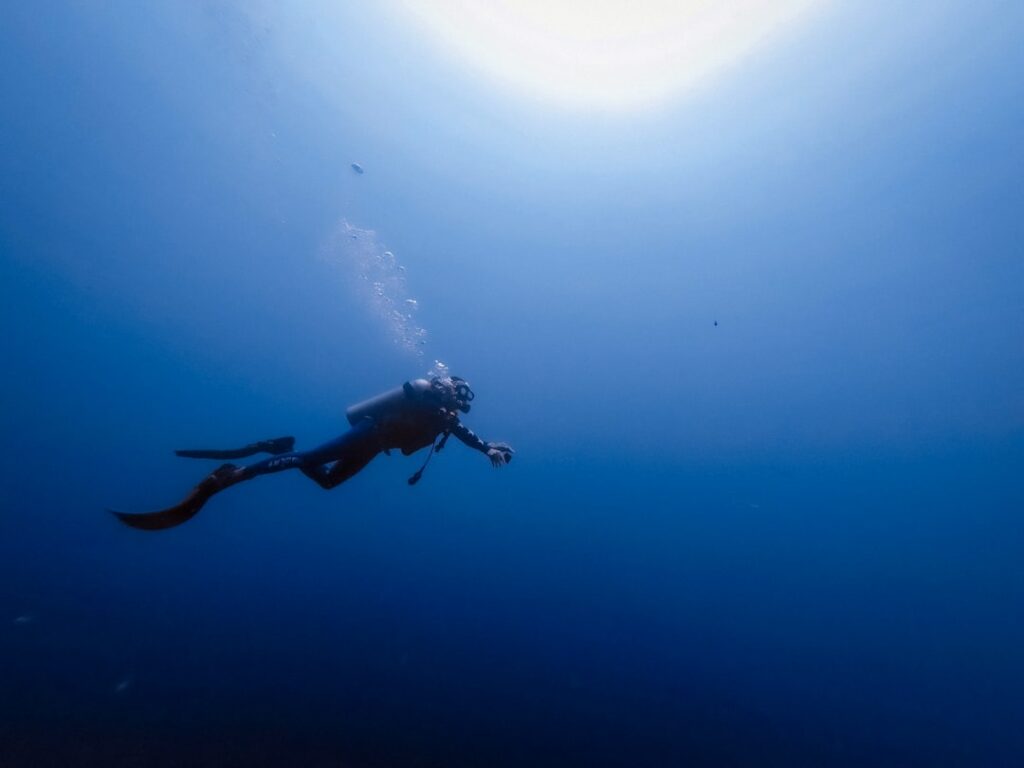
Panglao, Philippines’s Stunning Diving, White Sand & Island-Hopping Bliss (2025)
While over 1.5 million tourists a year descend on Boracay for its famous White Beach, the neighboring island of Panglao delivers a more relaxed, authentic, and equally stunning Philippine island experience at nearly half the cost. Here, you’ll find Alona Beach, a 1.5-kilometer stretch of powdery white sand fringed by coconut palms, serving as the gateway to the world-class diving of the Bohol Sea, all without the overwhelming crowds and commercial buzz of its more famous cousin.
Why Panglao, Philippines Stands Out

Blue calm sea under blue and white skies, Panglao, Philippines
- Historic Architecture: The 18th-century St. Augustine Church in Panglao Town, built from coral stone in 1782, stands as a testament to the island’s Spanish colonial past and resilient craftsmanship.
- Cultural Scene: The lively Panglao Island Festival every August 27th features vibrant street dancing, colorful costumes, and local competitions celebrating the island’s patron saint and rich heritage.
- Local Specialties: You absolutely must try *Kinilaw na Tangigue* – fresh Spanish mackerel cured in vinegar, calamansi juice, ginger, and chili, a zesty and refreshing local staple.
Pro Tip: For the absolute best conditions—sunny skies, calm seas for diving, and minimal rain—plan your visit during the “Amihan” season from late November to early May. To avoid peak domestic tourist crowds, specifically target the sweet spot weeks of late January or early May.
Map of Panglao, Philippines
Use these interactive maps to explore Panglao, Philippines and plan your route:
📍 View Panglao, Philippines on OpenStreetMap
🗺️ Open Panglao, Philippines in Google Maps
Planning Your Trip: Practical Essentials
Getting There and Around
- By Air: You’ll fly into Bohol–Panglao International Airport (TAG), served by direct flights from Manila, Cebu, Clark, and Seoul. From the airport, a taxi to Alona Beach takes 15 minutes and costs around ₱300-₱400. Book flights at Skyscanner for best deals.
- By Train: There are no train services to Panglao Island. The primary access is via air or a 2-hour fast ferry (₱800-₱1000) from Cebu City to Tagbilaran Port, followed by a 30-minute taxi ride to Panglao.
- By Car: If exploring Bohol, renting a car or van is ideal. The 20km drive from Tagbilaran City crosses the scenic Panglao Island Causeway. Parking is generally available at resorts. Compare car rentals at RentalCars.com.
- Local Transport: Tricycles are the go-to for short trips (₱50-₱150 per ride). For flexibility, rent a scooter for ₱400-₱600/day. Multicabs (local jeepneys) run fixed routes between towns for as little as ₱20.
Best Time to Visit
Panglao has a tropical climate with two main seasons: dry (Amihan) and wet (Habagat). The dry season offers the most reliable weather for beach and water activities.
| Season | Weather | Highlights |
|---|---|---|
| Dry Season (Nov–May) | Sunny, low humidity, avg 28-32°C, calm seas. | Perfect for diving, island-hopping, and beach days; peak tourist season, especially Dec-Jan & Holy Week. |
| Wet Season (Jun–Oct) | Frequent heavy showers, higher humidity, possible typhoons, seas can be rough. | Lush green landscapes, fewer tourists, lower prices; some boat tours may be canceled. |
| Shoulder (May/Jun & Oct/Nov) | Transitional weather, brief afternoon showers, generally good conditions. | Good value, decent weather, a balance between crowds and accessibility. |
Budgeting for Panglao, Philippines

Photography of man holding blue rope, Panglao, Philippines
| Category | Budget | Mid-range | Luxury |
|---|---|---|---|
| Accommodation | ₱800-₱1,500 (hostels, basic fan rooms) | ₱2,500-₱6,000 (boutique hotels, beachfront AC rooms) | ₱8,000+ (5-star resorts, private villas) |
| Meals | ₱200-₱400 (carinderias, street food) | ₱500-₱1,000 (restaurants, cafes) | ₱1,500+ (resort fine dining) |
| Transport | ₱200 (tricycles, multicabs) | ₱600 (scooter rental, daily taxis) | ₱2,000+ (private van with driver) |
| Activities | ₱500 (beach day, church visit) | ₱1,500-₱2,500 (island-hopping tour, dive discovery) | ₱4,000+ (private boat charter, advanced diving) |
| Daily Total | ₱1,700-₱2,600 (~$30-45) | ₱5,100-₱10,100 (~$90-180) | ₱15,500+ (~$275+) |
Top Attractions and Must-See Sights
| Attraction | Description | Hours | Entry Fee |
|---|---|---|---|
| Alona Beach | The vibrant heart of Panglao, perfect for sunset strolls, swimming, and people-watching from its many beachfront bars. | 24/7 (best 3PM-7PM) | Free |
| Hinagdanan Cave | A mesmerizing limestone cavern with a deep, clear lagoon, where sunlight filters through holes in the ceiling. | 8:00 AM – 6:00 PM | ₱50 per person + guide tip |
| Bohol Sea (Diving/Snorkeling) | World-renowned dive sites like Balicasag Island (wall dives) and Pamilacan Island (dolphin/whale watching). | Tours depart 6AM-9AM | ₱2,500-₱4,000 for 2 dives |
| Panglao Island Nature Resort & Sanctuary | A conservation area with butterfly gardens, a python sanctuary, and a serene lagoon, great for families. | 8:00 AM – 5:00 PM | ₱150 |
3-Day Itinerary: Panglao, Philippines’s Highlights & Hidden Gems
Day 1: Beach Bliss & Underground Wonders
- Morning (7-9 AM): Beat the heat with a walk along Alona Beach. Have a Filipino breakfast at Bohol Bee Farm Restaurant (try their homemade bread with pesto and a mango shake).
- Afternoon (12-3 PM): Take a tricycle to Hinagdanan Cave (₱150 ride). Swim in the ethereal lagoon. For lunch, head to Giuseppe Pizzeria near the cave for authentic wood-fired pizza.
- Evening (6-8 PM): Return to Alona for sunset. Enjoy a fresh seafood dinner at Alona Hidden Dream, where you can pick your fish from the grill. Cap the night with a cocktail at Luna Rossa.
Day 2: Island-Hopping & Marine Marvels
- Morning (6 AM): Book a standard island-hopping tour (₱600-₱800/person). Your boat will take you to Balicasag Island for incredible snorkeling with turtles, then to the Virgin Island sandbar.
- Afternoon (12-3 PM): The tour typically includes a simple lunch on the boat. Upon return, relax by your hotel pool or get a soothing massage at one of the beachside huts (₱400/hour).
- Evening (6-8 PM): For a change of scene, have dinner at Pilya Burger in Dauis for massive, creative burgers, or enjoy upscale Filipino cuisine at Villa de Corales.
Day 3: Cultural Panglao & Bohol Exploration
- Morning (8 AM): Rent a scooter (₱500/day) and drive to Panglao Town to see the historic St. Augustine Church. Then, cross the causeway to mainland Bohol (30 mins) to visit the iconic Chocolate Hills and Tarsier Sanctuary.
- Afternoon (12-3 PM): Have a late lunch at Loboc Riverwatch Restaurant on a floating buffet cruise (₱550).
- Evening (6-8 PM): Return to Panglao. For your final dinner, savor the catch of the day at Momo Beach House right on the sand, the perfect farewell to island life.
Cultural Insights & Etiquette
- Language: The local language is Boholano (a dialect of Cebuano). English is widely spoken in tourist areas. Key phrases: “Salamat” (Thank you), “Maayong buntag” (Good morning).
- Customs: Always show respect to elders (“Mano Po” – taking their hand to your forehead). Use “Po” and “Opo” (yes, with respect) when speaking to older people or in formal situations.
- Tipping: Not mandatory but appreciated. Tip 5-10% in sit-down restaurants if no service charge. Tip boatmen, tour guides, and masseurs ₱50-₱200 depending on service.
- Dress Code: Beachwear is for the beach only. Cover up when entering towns, churches, or local markets. Pack a light scarf or sarong for modesty.
- Business Hours: Most shops open 9 AM – 7 PM. Malls in Tagbilaran may open until 9 PM. Banks and government offices are typically open 9 AM – 4 PM, Monday to Friday.
Where to Eat: Panglao, Philippines’s Best Bites
Panglao’s food scene is a delightful mix of ultra-fresh seafood, hearty Filipino classics, and surprisingly good international fare, with many restaurants sourcing ingredients from their own organic gardens.
Must-Try Local Specialties
- Kinilaw: The Filipino answer to ceviche. For the best, go to local *carinderias* (eateries) in Panglao Town or order it at Bohol Bee Farm.
- Chicken Inasal: Grilled, marinated chicken on a stick. Jasz Restaurant & Bar on Alona Beach does a fantastic, smoky version.
- Fresh Lobster & Prawns: Head to the Alona Beach grills in the evening, where you can negotiate price by weight. Alona Hidden Dream is a trusted spot.
Restaurant Recommendations by Budget
| Type | Restaurant | Specialty | Price Range |
|---|---|---|---|
| Budget | Mang Gorio’s Carinderia (Panglao Town) | Authentic, home-cooked Filipino *ulam* (viands) like Adobo and Sinigang. | ₱150-₱250 per meal |
| Mid-range | Bohol Bee Farm (Dauis) | Organic salads, seafood, and their famous ice cream (malunggay flavor!). | ₱350-₱700 per meal |
| Fine dining | La Vara Restaurant (at Amorita Resort) | Modern Filipino and European cuisine with breathtaking cliffside views. | ₱1,200+ per meal |
Where to Stay
Accommodation ranges from backpacker hostels to world-class luxury resorts. Alona Beach is the main hub, but staying in Dauis or Tawala offers more tranquility. Compare prices and book at Booking.com or Airbnb for apartments.
Best Neighborhoods for Accommodation
- Alona Beach: The epicenter of action. Pros: Walk to everything, vibrant nightlife, many dining options. Cons: Can be noisy, pricier. Best for first-timers and social travelers.
- Tawala: Just inland from Alona. Pros: Quieter, often better value, many mid-range resorts with pools, short walk/trike to the beach. Cons: Not directly on the sand. Best for couples and families.
- Dauis (near the Causeway): Closer to Tagbilaran. Pros: Local vibe, access to Dauis Church and market, more space. Cons: Requires transport to Alona (10-15 min trike). Best for travelers seeking authenticity and longer stays.

Green palm tree during daytime, Panglao, Philippines
FAQs: Your Panglao, Philippines Questions Answered
1. Is Panglao, Philippines safe at night?
Yes, Panglao is generally very safe. Alona Beach is well-lit and populated in the evenings. As always, exercise common sense: avoid dark, isolated areas, don’t flash valuables, and use registered tricycles. Petty theft can occur, so secure your belongings at the beach.
2. What currency is used and are credit cards accepted?
The Philippine Peso (₱) is the currency. Major resorts, dive shops, and upscale restaurants in Alona accept credit cards (Visa/Mastercard). However, for tricycles, small eateries, market stalls, and island-hopping tours, you will need cash. ATMs are available in Alona and at malls in Tagbilaran.
3. How do I get from the airport to the city center?
Bohol-Panglao Airport (TAG) is on the island. The “city center” for tourists is Alona Beach. Official airport taxis have fixed rates (around ₱400 to Alona). You can also book a private transfer in advance. Book airport transfers at GetYourGuide for convenience.
4. Do I need to speak the local language?
Not at all. English is an official language and is spoken fluently by almost everyone in the tourism industry. Locals appreciate it if you learn a few basic greetings in Boholano/Cebuano, but you will have no communication barriers.
5. What’s the appropriate dress code?
Light, breathable clothing is essential
Related Guides
Explore more destinations similar to Panglao:
- Matterhorn, Switzerland: Ultimate Alpine Majesty, Mountain Culture & Unforgettable Adventure (2026)
- Foz do Iguacu, Brazil’s Essential Waterfalls, Wildlife & Borderland Adventure (2025)
- Monaragala, Sri Lanka’s Best Ancient Kingdoms, Sacred Lakes & Spice Trails (2026)
- Teapa, Mexico’s Ultimate Caves, Chocolate & Colonial Charm (2025)

