
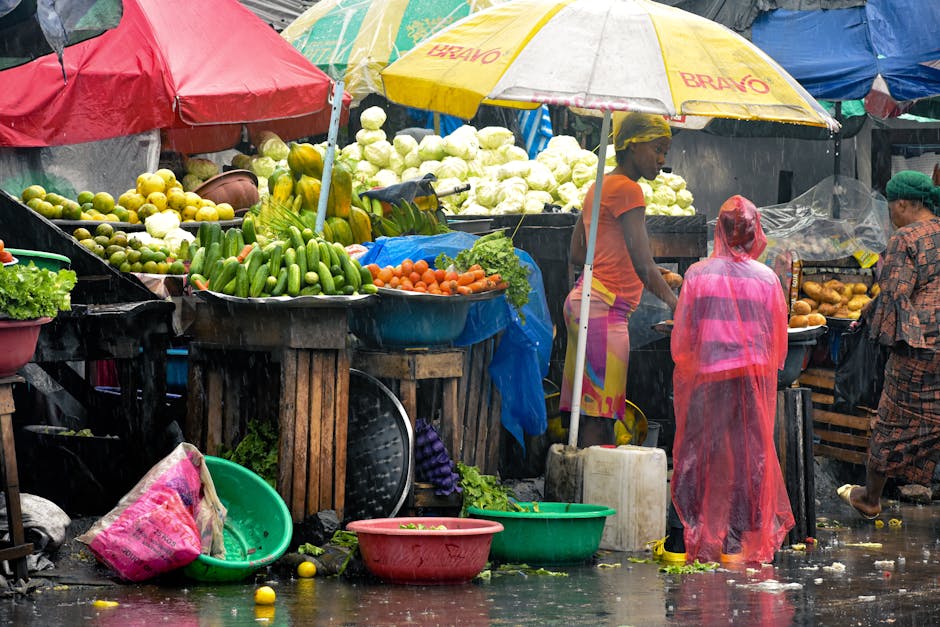
Cestos City, Liberia: Incredible River Life, Resilience & Untouched Atlantic Beaches (2025)
Sunrise over the Cestos River reveals a different Liberia. As fishermen in dugout canoes cast their nets, the morning mist lifts to show a city built on trade and tenacity. The scent of smoked fish and the rhythmic sound of water against wooden piers fill the air. This is Cestos City, the administrative heart of River Cess County—not a tourist destination, but a living, breathing community where travelers can experience authentic Liberian life far from the Monrovia crowds.
Why Cestos City, Liberia Stands Out

Vibrant scene of fishing boats and urban skyline in Monrovia, Liberia., Cestos City, Liberia
- Historic Architecture: The Cestos City Administrative Building, constructed in the 1960s, stands as a landmark of post-independence Liberian civic pride with its distinctive West African modernist style.
- Cultural Scene: The annual River Cess County Agricultural Fair each November transforms the city with traditional Bassa and Kru dance performances, local crafts, and vibrant parades.
- Local Specialties: You must try fresh *River Perch Pepper Soup*, a fiery, aromatic broth made with fish caught daily from the Cestos River and a secret blend of local peppers.
Pro Tip: Visit during the dry season, from November to April, specifically on a weekday. This avoids the occasional weekend influx from Monrovia and ensures you experience the city’s authentic daily rhythm. The humidity is lower, and the river is at its most navigable for boat trips.
Map of Cestos City, Liberia
Use these interactive maps to explore Cestos City, Liberia and plan your route:
📍 View Cestos City, Liberia on OpenStreetMap
🗺️ Open Cestos City, Liberia in Google Maps
Planning Your Trip: Practical Essentials
Getting There and Around
- By Air: Roberts International Airport (ROB) near Monrovia is the main international gateway. From there, it’s a 4-5 hour drive. Book flights at Skyscanner for best deals.
- By Train: Liberia has no passenger rail network. All travel to Cestos City is by road or sea.
- By Car: The drive from Monrovia via the Coastal Highway (Route 1) is the most common route. The road is paved but can have patches. Compare car rentals at RentalCars.com, but note a 4×4 is recommended.
- Local Transport: Shared taxis (usually older sedans) and *keh-keh* (motorcycle taxis) are the primary modes. A short shared taxi ride within town costs about 50-100 Liberian Dollars (LRD). There are no formal passes; payment is per journey.
Best Time to Visit
Cestos City has a tropical monsoon climate. The key is timing your visit to avoid the heaviest rains while enjoying lush landscapes and cultural events.
| Season | Weather | Highlights |
|---|---|---|
| Dry Season (Nov–Apr) | Hot, 28-33°C (82-91°F), low humidity, almost no rain | Ideal for river excursions, beach visits, and the November Agricultural Fair; peak for local travel. |
| Rainy Season (May–Oct) | Very wet, 24-30°C (75-86°F), high humidity, daily downpours | Lush, green scenery; fewer visitors; some rural roads become impassable, limiting exploration. |
| Shoulder (Late Oct / Late Apr) | Transitional, occasional showers, warm temperatures | A good balance of manageable weather and smaller crowds as you catch the very start or end of the dry period. |
Budgeting for Cestos City, Liberia
Aerial view of a geometric park with vibrant greenery in Liberia, Costa Rica., Cestos City, Liberia
| Category | Budget | Mid-range | Luxury |
|---|---|---|---|
| Accommodation | $15-25/night (basic guesthouse) | $40-70/night (local hotel with AC) | $100+ (not commonly available; best to look for upgraded rooms in Monrovia) |
| Meals | $5-10/day (street food, local cook-shops) | $15-25/day (restaurant meals) | $30+/day (dining at the best available hotel restaurant) |
| Transport | $2-5/day (shared taxis, *keh-keh*) | $15-30/day (private taxi hire for half-day) | $50+/day (private car & driver from Monrovia) |
| Activities | Free (beach, market, river walks) | $10-20 (guided boat trip, donation for cultural show) | $50+ (private multi-day fishing/cultural excursion) |
| Daily Total | $25-45 | $70-145 | $200+ |
Top Attractions and Must-See Sights
| Attraction | Description | Hours | Entry Fee |
|---|---|---|---|
| Cestos River & Port | The lifeblood of the city; watch colorful pirogues unload their catch and absorb the daily hustle of this vital trade hub. | Dawn to dusk | Free |
| Gbee Beach | A stunning, often deserted stretch of Atlantic coastline just west of the city, perfect for solitary walks and dramatic sunsets. | Always open | Free |
| Cestos Central Market | A sensory immersion with piles of fresh produce, vibrant textiles, and the day’s river catch; the best place to feel the city’s pulse. | 7:00 AM – 6:00 PM | Free |
| River Cess County Museum | A small but poignant collection showcasing the history and cultural heritage of the Bassa and Kru peoples of the region. | 10:00 AM – 4:00 PM (Mon-Fri) | 500 LRD (~$2.50) |
3-Day Itinerary: Cestos City, Liberia’s Highlights & Hidden Gems
Day 1: River Life & Market Pulse
- Morning (7-9 AM): Start at the Cestos River port. Watch the fishermen return with their night’s catch. Your best bet is to chat with the boat captains—they often offer informal, short river tours for about 2000 LRD (~$10) if you ask politely.
- Afternoon (12-3 PM): Dive into the Cestos Central Market. For lunch, find Mama Kolubah’s cook-shop near the fabric stalls for an unbeatable plate of jollof rice with fried fish for 300 LRD (~$1.50).
- Evening (6-8 PM): Take a *keh-keh* to Gbee Beach for sunset. Afterwards, enjoy dinner at **City View Restaurant** for their specialty, grilled tilapia with cassava leaf sauce, for about 800 LRD (~$4).
Day 2: Culture & Coastline
- Morning (9 AM): Visit the River Cess County Museum (500 LRD entry). The curator often gives personal tours, sharing stories of the county’s founding in 1984/85. A small tip of 200 LRD is appreciated.
- Afternoon (1 PM): Hire a private taxi for the afternoon (approx. 1500 LRD/hr) to explore beaches east of the city like **Nana’s Beach**, which are more secluded. Pack a picnic from the market.
- Evening (7 PM): Experience local nightlife at a **poto-poto** (open-air bar). **Spot-Lite Bar**, near the main junction, is a favorite for Club Beer and lively conversation with locals.
Day 3: Community & Departure
- Morning (8 AM): If it’s a Tuesday or Friday, visit the **Weekly Animal Market** on the city’s outskirts, where livestock trading becomes a major social event. Arrive early for the most activity.
- Afternoon (12 PM): Enjoy a final lunch at **Korjay’s Kitchen**, known for the best pepper soup in town. Order the goat meat or river perch version for 600 LRD.
- Evening (5 PM): Take a final stroll along the riverbank. Savvy visitors know this is when the light is golden and the temperature drops, offering a perfect, peaceful farewell to the city.
Cultural Insights & Etiquette
- Language: English is the official language, but Liberian English (Colloqua) and Bassa are widely spoken. A friendly “How da body?” (How are you?) goes a long way.
- Customs: Always greet people properly before asking questions or directions. A handshake is common, sometimes ending with a snap of the fingers—a traditional Liberian greeting.
- Tipping: Not universally expected but deeply appreciated for good service. In restaurants, rounding up the bill is fine. For guides, 10-15% of the tour cost is generous.
- Dress Code: Modest, casual clothing is best. While beachwear is fine on the sand, cover up when in town. Locals dress neatly, so you’ll feel more respected if you do the same.
- Business Hours: Shops typically open 8:00 AM – 6:00 PM. Government offices 9:00 AM – 5:00 PM. Many businesses close for a long lunch break (12-2 PM). Sunday is a day of rest for most.
Where to Eat: Cestos City, Liberia’s Best Bites
Dining in Cestos City is about hearty, flavorful Liberian staples. You’ll find few “restaurants” in the Western sense, but rather cook-shops, chop bars, and hotel dining rooms serving generous portions of comfort food centered around rice, cassava, fresh fish, and palm oil.
Must-Try Local Specialties
- Fufu & Light Soup: Pounded cassava dough served with a light, peppery broth often containing fish or chicken. Best tried at a local home or a dedicated chop bar like **Aunty Miatta’s Spot**.
- Palava Sauce: A rich, oily sauce made with jute leaves (called *krain-krain*), fish, meat, and plenty of spices, served over rice. **City View Restaurant** does a excellent version.
- Roasted Cassava & Pepper: A simple street food snack—roasted cassava root dipped in a fiery blended pepper sauce. Find it from vendors outside the central market in the afternoon.
Restaurant Recommendations by Budget
| Type | Restaurant | Specialty | Price Range |
|---|---|---|---|
| Budget | Mama Kolubah’s Cook-Shop (Central Market) | Daily rice & soup dishes, fried fish | 200-500 LRD ($1-$2.50) |
| Mid-range | City View Restaurant (Downtown) | Grilled meats & fish, Palava Sauce | 600-1200 LRD ($3-$6) |
| Fine dining | RLJ Hotel Restaurant (Kawah Street) | The most varied menu in town, Western & Liberian options | 1500-3000 LRD ($7.50-$15) |
Where to Stay
Accommodation is functional rather than luxurious. Your best bet is to focus on clean, secure options with reliable generators, as power outages can occur. Compare prices and book at Booking.com for some listings, or Airbnb for rare apartment options (more common in Monrovia).
Best Neighborhoods for Accommodation
- Downtown/Central: Puts you within walking distance of the market, port, and most eateries. It’s lively and convenient. Choose this for a full immersion. (e.g., RLJ Hotel, City Guesthouse).
- Residential Areas (e.g., off Kawah St): Quieter, with more guesthouses set back from the main roads. You’ll need transport or *keh-keh* to get to the center, but it offers a more local feel.
- Near the Beach (West of Town): Very limited options, usually basic beach huts or homestays. Ideal for solitude and nature, but impractical for exploring the city daily.

Free stock photo of after the sunset, city, cloud, Cestos City, Liberia
FAQs: Your Cestos City, Liberia Questions Answered
1. Is Cestos City, Liberia safe at night?
General precautions are advised. The city center is relatively calm after dark. Avoid walking alone in unlit areas; use a trusted *keh-keh* driver for transport after sunset. Petty crime can occur, so don’t flash valuables. Locals are generally very helpful and protective of visitors.
2. What currency is used and are credit cards accepted?
The Liberian Dollar (LRD) is the currency, and US dollars are widely accepted (bring smaller bills: $1, $5, $10). Credit cards are virtually useless in Cestos City. ATMs are unreliable or non-existent. You must bring all the cash you will need for your entire stay.
3. How do I get from the airport to the city center?
You’ll fly into Roberts International Airport (ROB). From there, you need to arrange road transport. Your options are: a pre-booked private car & driver (approx. $150-$200 one-way, 4-5 hours), a shared taxi to Monrovia’s Red Light market and then another to Cestos (much cheaper but complex), or renting a car. Book airport transfers at GetYourGuide for Monrovia-based tours, but direct transfers to Cestos are best arranged through a local hotel or tour operator.
4. Do I need to speak the local language?
No. English is sufficient for all basic interactions. However, learning a few phrases in Liberian English (“How da body?” for “How are you?”, “I’m coming” for “I’ll be right back”) or simple Bassa greetings (“Nyea” for hello) will delight locals and open doors.
5. What’s the appropriate dress code?
Light, breathable, and modest clothing is key. For men, trousers or knee-length shorts with shirts. For women, skirts/dresses below the knee or loose trousers with tops that cover the shoulders are respectful. Pack a light rain jacket regardless of season and sturdy shoes for uneven paths.
Final Thoughts: Cestos City, Liberia Awaits
Cestos City won’t dazzle you with monuments, but it will reward you with authenticity. This is a destination for the curious traveler, the one who finds joy in a bustling market, a conversation with a fisherman, or a sunset on a deserted beach. You’ll discover a Liberia beyond the headlines—a place of resilience, community, and simple, profound beauty. Your best souvenir won’t
{“@context”: “https://schema.org”, “@type”: “FAQPage”, “mainEntity”: [{“@type”: “Question”, “name”: “What is the best time to visit Cestos City?”, “acceptedAnswer”: {“@type”: “Answer”, “text”: “The best time to visit Cestos City depends on your preferences. Generally, the dry season offers the most pleasant weather for sightseeing and outdoor activities.”}}, {“@type”: “Question”, “name”: “How many days do I need in Cestos City?”, “acceptedAnswer”: {“@type”: “Answer”, “text”: “Most travelers spend 3-5 days in Cestos City to see the main attractions. A week allows for a more relaxed pace and day trips.”}}, {“@type”: “Question”, “name”: “Is Cestos City expensive to visit?”, “acceptedAnswer”: {“@type”: “Answer”, “text”: “Cestos City can be visited on various budgets. Accommodation ranges from hostels to luxury hotels, and local restaurants offer affordable dining.”}}]}
Related Guides
Explore more destinations similar to Cestos City:

