
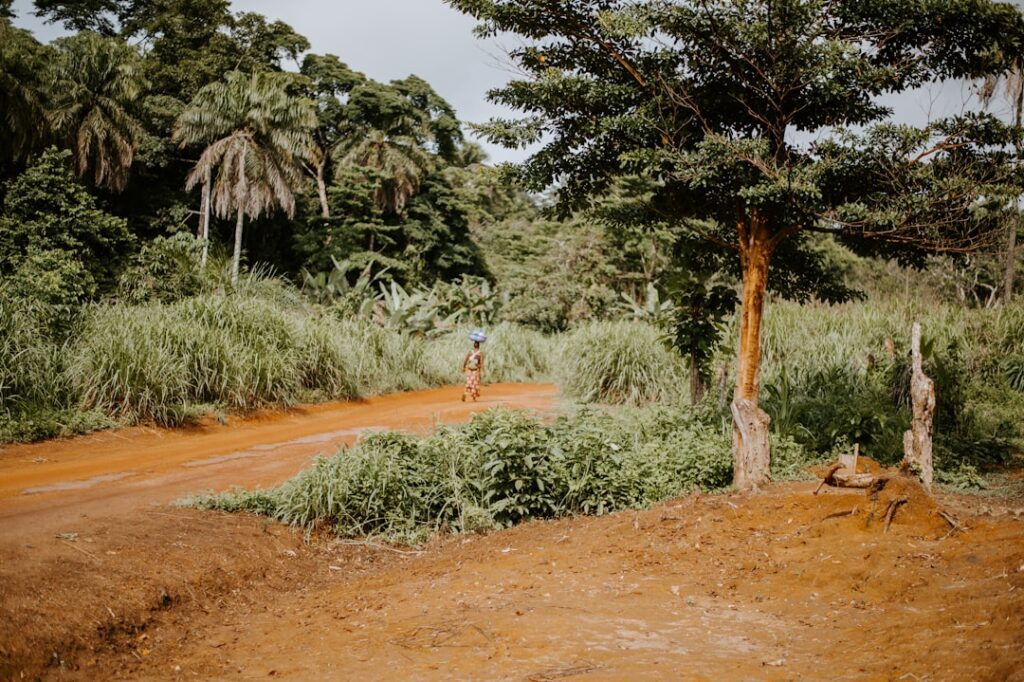
Harper, Liberia’s Incredible History, Palms & Untouched Atlantic Beaches (2025)
While crowds flock to the resorts of Ghana, Harper, Liberia delivers a profound sense of discovery without a single souvenir shop in sight. Founded in 1857 as the capital of the independent Republic of Maryland by freed African-American settlers, this southeastern city feels like a living museum where history whispers from every weathered column. Your best bet is to arrive with curiosity, not an itinerary, ready to explore a coastline where the Atlantic meets dense rainforest and the past is palpably present.
Why Harper, Liberia Stands Out

A body of water with houses on it, Harper, Liberia
- Historic Architecture: The 1928 Harper City Hall, with its distinctive white clock tower, stands as a proud symbol of Americo-Liberian heritage and civic pride.
- Cultural Scene: Experience the vibrant energy of the annual “Maryland County Festival,” a celebration of local Kru and Grebo culture with traditional dance, music, and storytelling.
- Local Specialties: You must try “Palm Butter Soup” with fufu, a rich, creamy stew made from palm fruit pulp, often served with freshly caught fish.
Pro Tip: Plan your visit for the dry season months of November to March. The roads are more passable, and the humidity is lower, making exploration of the historic district and nearby beaches far more comfortable. Aim for weekdays to have sites like the Tubman Center for African Cultures almost entirely to yourself.
Map of Harper, Liberia
Use these interactive maps to explore Harper, Liberia and plan your route:
📍 View Harper, Liberia on OpenStreetMap
🗺️ Open Harper, Liberia in Google Maps
Planning Your Trip: Practical Essentials
Getting There and Around
- By Air: Harper is served by the small William V. S. Tubman Airport (CPA). Flights from Monrovia’s Roberts International Airport (ROB) are infrequent and often booked solid; your best bet is to check with local carriers like Air Liberia or ask about charter services. Book flights at Skyscanner for best deals.
- By Train: There are currently no passenger train services to Harper. The historic railway infrastructure is not operational for tourism.
- By Car: The overland journey from Monrovia is an adventure, taking 8-10+ hours on rough roads. A 4×4 is non-negotiable. You can arrange a private car and driver through hotels in Monrovia for around $250-$350 USD for the round trip. Compare car rentals at RentalCars.com for options in Monrovia.
- Local Transport: Within Harper, motorcycle taxis (known as “pen-pen”) are the primary mode of transport for short trips (approx. $0.50-$1 USD). For longer trips to nearby beaches or Cape Palmas, negotiate a price with a car taxi driver for the half-day.
Best Time to Visit
Harper’s tropical climate means it’s warm year-round, but the rain dictates the rhythm of travel. The long, intense rainy season can make roads impassable and outdoor exploration challenging.
| Season | Weather | Highlights |
|---|---|---|
| Dry Season (Nov–Mar) | Hot, sunny, lower humidity (75-90°F / 24-32°C). Minimal rain. | Ideal for all sightseeing, beach visits, and photography. Peak travel conditions. |
| Rainy Season (Apr–Oct) | Very hot, extremely humid, daily heavy downpours (80-95°F / 27-35°C). | Lush, green landscapes. Few to no tourists. Travel can be difficult or delayed. |
| Shoulder (Late Oct/Nov, Mar) | Transitional; warm with sporadic showers. | Good balance of manageable weather and smaller crowds as seasons change. |
Budgeting for Harper, Liberia

Brown wooden house on green grass field under white sky during daytime, Harper, Liberia
| Category | Budget | Mid-range | Luxury |
|---|---|---|---|
| Accommodation | $25-$40/night (basic guesthouse) | $60-$100/night (clean hotel with AC) | $120+/night (best available hotel, often includes meals) |
| Meals | $5-$10/day (local cook-shops, street food) | $15-$25/day (hotel restaurant, local eateries) | $30-$50/day (full board at top hotel) |
| Transport | $2-$5/day (pen-pen taxis) | $20-$40/day (hired car taxi for excursions) | $100+/day (private 4×4 & driver) |
| Activities | Free (beaches, historic walks) | $5-$15 (site donations, guided walks) | $50+ (private cultural tours, boat trips) |
| Daily Total | $35-$60 | $100-$180 | $300+ |
Top Attractions and Must-See Sights
| Attraction | Description | Hours | Entry Fee |
|---|---|---|---|
| Cape Palmas Lighthouse & Point | Stand where the Atlantic Ocean meets the Gulf of Guinea at this dramatic, rocky headland with a historic (if weathered) lighthouse. | Sunrise to Sunset | Free (small tip for caretaker appreciated) |
| Harper Historic District | A poignant walk past pre-20th century Americo-Liberian homes, churches, and government buildings, many in evocative states of decay and preservation. | Daylight Hours | Free |
| Tubman Center for African Cultures | Housed in the former presidential palace of William V.S. Tubman, this museum showcases local Kru and Grebo artifacts and Liberian history. | Mon-Fri, 9am-4pm (hours can vary) | $2-5 USD donation |
| Hoffman River & Rock Mills | See the ruins of old water-powered mills, a testament to early industrial efforts, set in a serene riverside location. | Daylight Hours | Free |
3-Day Itinerary: Harper, Liberia’s Highlights & Hidden Gems
Day 1: Historic Heart & Ocean Vistas
- Morning (7-9 AM): Start early with a walk along Tubman Street. The soft morning light is perfect for photographing the iconic Harper City Hall clock tower and the grand, columned ruins of the Masonic Temple. Stop by a street vendor for a breakfast of sweet, fried plantains.
- Afternoon (12-3 PM): Visit the Tubman Center for African Cultures. Afterward, head to a local cook-shop like Mamie’s Spot near the market for a hearty lunch of jollof rice with grilled fish (approx. $4).
- Evening (6-8 PM): Take a pen-pen taxi to Cape Palmas for sunset. Watch local fishermen pull in their nets. For dinner, your hotel restaurant will be the most reliable option—try the pepper soup if it’s on the menu.
Day 2: Beaches, Rivers & Local Life
- Morning (8 AM): Hire a taxi for the day (approx. $30) and drive to Gbenelu Beach. This long, pristine stretch of sand lined with coconut palms is often completely empty. Swim in the Atlantic surf.
- Afternoon (1 PM): On your way back, stop at the Hoffman River to see the picturesque Rock Mills ruins. For lunch, ask your driver to take you to a spot serving “dumboy” (cassava paste) with palaver sauce.
- Evening (6 PM): Explore Harper’s lively market area before dusk. It’s a sensory experience of colors, sounds, and smells. Enjoy a simple dinner of roasted corn and fresh coconut water from a vendor.
Day 3: Cultural Immersion & Departure
- Morning (9 AM): If it’s a Saturday, visit the local market at its peak. Otherwise, take a guided walk with a local resident (arrange through your hotel, approx. $10) to hear personal stories behind the historic buildings.
- Afternoon (12 PM): Enjoy a final lunch of Palm Butter Soup at a local eatery. Then, visit the picturesque St. Mark’s Episcopal Church, one of the oldest surviving structures, for a moment of quiet reflection.
- Evening (5 PM): Take one last stroll along the beach road, reflecting on the unique blend of history and raw natural beauty that defines Harper. Your best bet for a farewell drink is the bar at your hotel.
Cultural Insights & Etiquette
- Language: English is the official language and widely spoken. Learning a few greetings in the local Kru language, like “Nyon” (Hello) or “Daa-see” (Thank you), will be met with warm smiles.
- Customs: Greetings are important. Always acknowledge people with a polite “hello” or “good morning/afternoon” before asking for directions or assistance. Respect is shown to elders.
- Tipping: Not universally expected but greatly appreciated for good service. For drivers or guides, 10% is generous. For small services (carrying bags), 100-200 Liberian Dollars (approx. $0.50-$1 USD) is suitable.
- Dress Code: Modesty is valued. While beachwear is fine on the sand, cover up when in town. Light, breathable fabrics are essential for the climate.
- Business Hours: Government offices and banks typically operate from 8 AM to 4 PM, Monday to Friday. Shops and markets open earlier and close later, with reduced hours on Sundays.
Where to Eat: Harper, Liberia’s Best Bites
Dining in Harper is about authentic local flavor rather than fine dining. You’ll eat at simple cook-shops, hotel restaurants, and from market vendors. The food is hearty, starch-based, and centered around rice, cassava, and plantains, with rich, flavorful sauces and fresh seafood.
Must-Try Local Specialties
- Palm Butter Soup: The regional signature. A thick, oily, and intensely flavorful stew made from pounded palm nuts, often cooked with chicken, fish, or beef and served with fufu or rice. Try it at any local cook-shop.
- Cassava Leaf: A savory stew of finely pounded cassava leaves cooked with meat, fish, and palm oil. It’s a national dish and a staple you’ll find everywhere.
- Fresh Grilled Fish & Plantain: Head to the beach areas in the late afternoon to find women grilling the day’s catch over coals, served with charred, sweet plantains—a perfect, simple meal.
Restaurant Recommendations by Budget
| Type | Restaurant | Specialty | Price Range |
|---|---|---|---|
| Budget | Market Cook-shops (Various) | Daily stews (cassava leaf, jollof rice) with protein | $2-$5 per plate |
| Mid-range | Libra Hotel Restaurant | Reliable Western and Liberian dishes in a clean setting | $8-$15 per meal |
| Fine dining | Mamba Point Hotel Harper Restaurant | The best available menu, often featuring lobster and steak | $15-$30 per meal |
Where to Stay
Accommodation in Harper is limited and basic by international standards, focusing on functionality. Your choice is largely between a few local hotels and guesthouses. Booking ahead is highly recommended. Compare prices and book at Booking.com or Airbnb for apartments (though Airbnb options are very scarce here).
Best Neighborhoods for Accommodation
- Central Harper (Tubman Street area): Puts you within walking distance of the historic sites, market, and a few eateries. This is the most convenient base for explorers. The trade-off can be generator noise and less scenic views.
- Beach Road Area: Offers a more relaxed, scenic atmosphere with ocean breezes. Properties here, like the Mamba Point Hotel, are slightly removed from the town center, so you’ll need transport for sightseeing.

A house with trees in the background, Harper, Liberia
FAQs: Your Harper, Liberia Questions Answered
1. Is Harper, Liberia safe at night?
Harper is generally a peaceful city. However, as in any place with limited infrastructure, it’s wise to take precautions. Avoid walking alone at night in poorly lit areas. Use a trusted motorcycle or car taxi for evening transport. Petty theft can occur, so don’t flash valuables. Your best bet is to follow the advice of your hotel staff.
2. What currency is used and are credit cards accepted?
The Liberian Dollar (LRD) is the official currency, and US dollars are widely accepted (bring smaller bills: $1, $5, $10). Credit cards are virtually useless in Harper. ATMs are unreliable or non-existent. Savvy visitors know to bring all the cash they will need for their entire stay from Monrovia.
3. How do I get from the airport to the city center?
William V.S. Tubman Airport is very close to town. Your hotel can usually arrange a pickup. If not, taxis and motorcycle taxis will be waiting for arriving flights. The ride into central Harper should cost no more than $3-$5 USD by car taxi. Book airport transfers at GetYourGuide for convenience (though options for Harper specifically may be limited).
4. Do I need to speak the local language?
No. English is the official language and is spoken by most people you will interact with in a travel context. Learning a few basic greetings in Kru or Grebo is a wonderful gesture that shows respect and will enhance your connections with locals.
5. What’s the appropriate dress code?
Dress for a hot, humid climate with modesty in mind. Lightweight, loose-fitting cotton or linen clothing is ideal. Shorts and t-shirts are acceptable, but avoid very short shorts or revealing tops, especially when visiting the town center or market. Swimwear is for the beach only.
Final Thoughts: Harper, Liberia Awaits
Harper is not a destination for travelers seeking luxury or nightlife. It is a place for the curious, the historically minded, and those who find beauty in authenticity and places untouched by mass tourism. You’ll discover a town where history is etched into the very fabric of the streets, where the Atlantic crashes against a lonely lighthouse, and where community warmth is as palpable as the tropical air. Your best bet is to come with an open mind, patience for the pace of life, and a readiness to engage with a story few get to hear. Don’t leave without spending a quiet moment at Cape Palmas at dusk—it’s a view that captures the soul of this remarkable, resilient corner of Liberia.
Related Guides
Explore more destinations similar to Harper:
- Jinja, Uganda (Source of the Nile): Essential Whitewater, Wildlife & Historic Wonders (2025)
- Tassili n’Ajjer, Algeria’s Hidden Rock Art, Desert Trekking & Starry Nights (2025)
- Bafut Fondom, Cameroon’s Hidden Royalty, Rituals & Living History (2026)
- Karbala, Iraq’s Ultimate Faith, Architecture & Timeless Tradition (2026)

