
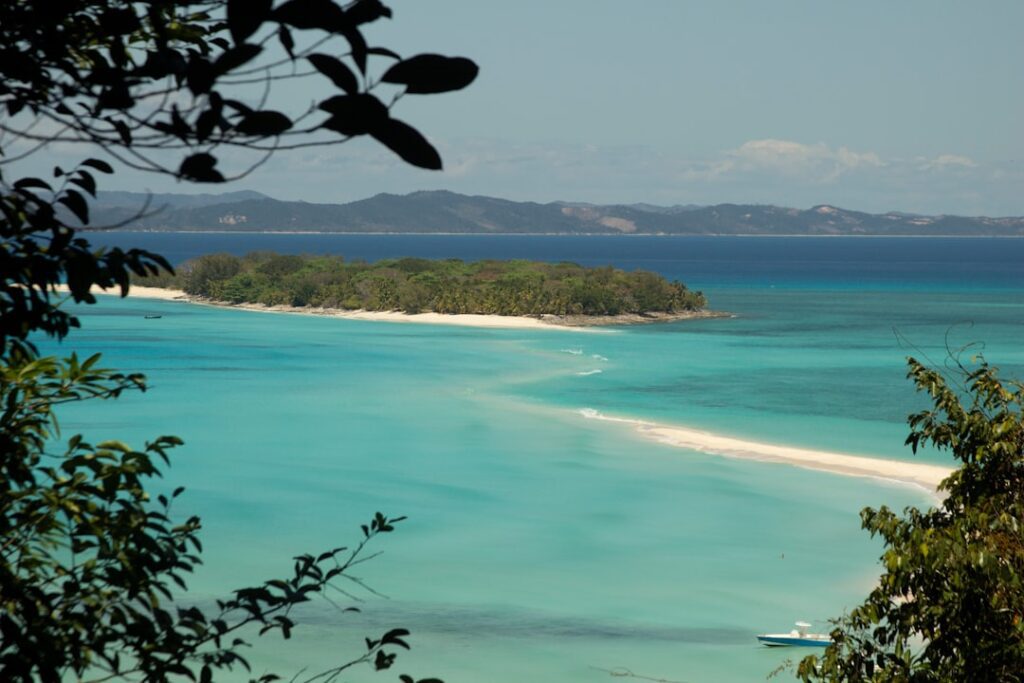
Nosy Iranja, Madagascar’s Ultimate Turtles, Tides & A Tombolo Trail (2025)
At precisely 10:17 AM, the Indian Ocean recedes to reveal a 1.2-kilometer sandbar, a shimmering white path connecting two islands that were separate worlds just hours before. This daily miracle, dictated by the moon, is the defining spectacle of Nosy Iranja. While most visitors to Madagascar head for Nosy Be, savvy travelers know that this tiny archipelago 45km to the southwest offers a more intimate, pristine, and geographically fascinating escape, where your daily schedule is literally written in the sand.
Why Nosy Iranja, Madagascar Stands Out

A small gray and white animal sitting on a tree branch, Nosy Iranja, Madagascar
- Historic Architecture: The Nosy Iranja Sud lighthouse, built in 1908, stands as a solitary sentinel offering 360-degree views of the Mozambique Channel, a testament to the island’s role in maritime navigation.
- Cultural Scene: Witness the Vezo fishermen’s daily return, a centuries-old tradition where wooden pirogues are hauled onto the beach and the day’s catch is sorted under the late afternoon sun.
- Local Specialties: You must try *Romazava*, Madagascar’s national dish, here prepared with freshly caught fish or octopus and locally foraged *brèdes* (leafy greens), offering a taste of the land and sea.
Pro Tip: Plan your inter-island crossing for the late morning when the tide is fully out. The walk across the tombolo takes about 20 minutes, but give yourself an hour to linger, spot sand dollars, and take photos without getting your feet wet. The tide tables are posted at all lodges; your best bet is to consult them the night before.
Map of Nosy Iranja, Madagascar
Use these interactive maps to explore Nosy Iranja, Madagascar and plan your route:
📍 View Nosy Iranja, Madagascar on OpenStreetMap
🗺️ Open Nosy Iranja, Madagascar in Google Maps
Planning Your Trip: Practical Essentials
Getting There and Around
- By Air: All visitors fly into Fascene Airport (NOS) on Nosy Be. From there, you’ll need a pre-arranged speedboat transfer (1-1.5 hours) to Nosy Iranja. Book flights at Skyscanner for best deals.
- By Train: There are no train services to Nosy Iranja. Madagascar’s rail network does not serve the offshore islands.
- By Car: Driving is not possible. Your lodge will organize all boat transfers from Nosy Be’s ports like Hell-Ville or Ankify.
- Local Transport: Your feet are your primary transport. The islands are small and easily walkable. For snorkeling trips, local pirogues can be hired through your accommodation for around 50,000-80,000 MGA ($11-$18) for a half-day.
Best Time to Visit
The ideal window to visit is during the dry season, when seas are calm, sunshine is plentiful, and the humidity drops. This coincides with the cooler winter months in the southern hemisphere. The rainy season brings lush greenery but also higher chances of boat cancellations and mosquitoes.
| Season | Weather | Highlights |
|---|---|---|
| Dry Season (Apr–Nov) | Sunny, low humidity, 75-85°F (24-29°C). Calm seas. | Perfect for boat transfers, snorkeling, and beach time. Peak season is July-August. |
| Wet Season (Dec–Mar) | Hot, humid, 80-90°F (27-32°C). Frequent heavy showers. | Lush vegetation, fewer tourists, lower rates. Risk of cyclones in Jan-Feb. |
| Shoulder (April & November) | Transitional, warm with occasional brief showers. | Excellent balance of good weather, lower crowds, and good value. |
Budgeting for Nosy Iranja, Madagascar

A boat sailing in the sea, Nosy Iranja, Madagascar
| Category | Budget | Mid-range | Luxury |
|---|---|---|---|
| Accommodation | Camping or basic bungalow: 80,000-120,000 MGA/night ($18-$26) | Comfortable lodge with half-board: 250,000-400,000 MGA/night ($55-$88) | Full-board eco-lodge with private deck: 500,000+ MGA/night ($110+) |
| Meals | Simple rice & fish plate: 15,000 MGA ($3.30) | Lodge restaurant meal: 25,000-40,000 MGA ($5.50-$9) | Multi-course seafood dinner: 60,000+ MGA ($13+) |
| Transport | Shared speedboat transfer: ~150,000 MGA roundtrip ($33) | Private speedboat transfer: 400,000-600,000 MGA ($88-$132) | Private yacht charter from Nosy Be |
| Activities | Beach walking, snorkeling (bring gear), village visit | Guided snorkel trip: 50,000 MGA ($11), Turtle spotting excursion | Private sunset sail, full-day diving trip to outer reefs |
| Daily Total | ~110,000 MGA ($24) | ~350,000 MGA ($77) | 700,000+ MGA ($154+) |
Top Attractions and Must-See Sights
| Attraction | Description | Hours | Entry Fee |
|---|---|---|---|
| The Tombolo (Sandbar) | The iconic natural bridge connecting Nosy Iranja Be and Nosy Iranja Kely, visible only at low tide. | Access dictated by tide (best 9 AM-2 PM) | Free |
| Nosy Iranja Sud Lighthouse | Climb the 1908 lighthouse on the southern island for breathtaking panoramic views of the archipelago. | Daylight hours; ask caretaker for access | ~5,000 MGA ($1.10) tip expected |
| Turtle Nesting Beaches | Protected beaches on the northern island where green turtles come to lay eggs (Nov-Feb). | Night visits with guide only (8 PM-4 AM) | Guide fee ~30,000 MGA ($6.60) |
| Snorkeling at “The Aquarium” | A vibrant coral garden just off the main island, teeming with parrotfish, angelfish, and clownfish. | Daylight, best at high tide | Free (gear rental ~20,000 MGA/$4.40) |
3-Day Itinerary: Nosy Iranja, Madagascar’s Highlights & Hidden Gems
Day 1: Arrival & Island Rhythm
- Morning (7-9 AM): Early speedboat transfer from Ankify, Nosy Be. Keep an eye out for flying fish and dolphins. Check into your lodge on Nosy Iranja Be.
- Afternoon (12-3 PM): Walk the emerging tombolo at low tide to Nosy Iranja Kely. Have a fresh lobster lunch at **Chez Sica** (expect to pay around 40,000 MGA/$9) right on the sand.
- Evening (6-8 PM): Sunset drinks at your lodge, followed by a dinner of *Mofo Sakay* (spicy doughnuts) and grilled fish. Turn in early to the sound of waves.
Day 2: Exploration & Marine Life
- Morning (8 AM): Hire a local pirogue (approx. 70,000 MGA/$15 for 3 hours) to “The Aquarium” for snorkeling. The coral here is remarkably healthy compared to busier spots.
- Afternoon (1 PM): Lunch back at your lodge. Then, hike to the lighthouse on Nosy Iranja Sud. The climb is steep but the 360-degree view is unparalleled.
- Evening (7 PM): If visiting during nesting season (Nov-Feb), arrange a guided night walk (30,000 MGA/$6.60) to quietly observe green turtles laying eggs—a truly magical experience.
Day 3: Culture & Departure
- Morning (9 AM): Visit the small Vezo fishing village on Nosy Iranja Be. It’s respectful to go with a guide from your lodge. Observe the boat-building and net-mending.
- Afternoon (12 PM): Enjoy a final *Romazava* lunch. Do some last-minute souvenir shopping for vanilla pods or handmade shell jewelry.
- Evening (2 PM): Catch the afternoon speedboat back to Nosy Be, timing your departure with the high tide for a smooth crossing.
Cultural Insights & Etiquette
- Language: Malagasy is the official language. French is widely spoken in tourism. Learn a few phrases: “Manao ahoana” (Hello), “Misaotra” (Thank you), “Azafady” (Please/Excuse me).
- Customs: Always ask permission before photographing people, especially fishermen and villagers. It’s polite to use your right hand for giving and receiving items.
- Tipping: Not mandatory but appreciated for good service. For guides, 5,000-10,000 MGA ($1-$2) is fine. In restaurants, rounding up the bill is sufficient.
- Dress Code: Swimwear is for the beach only. When walking through the village or to the lighthouse, cover shoulders and knees out of respect.
- Business Hours: Everything runs on “island time.” Shops and services are open daylight hours. The generator-powered lodges often have electricity only in the evenings.
Where to Eat: Nosy Iranja, Madagascar’s Best Bites
Dining on Nosy Iranja is a celebration of the sea. Most lodges operate on a half- or full-board basis, with menus dictated by the day’s catch. You’ll eat simply but incredibly fresh: fish grilled over coconut husks, octopus salad, and rice served with almost every meal.
Must-Try Local Specialties
- Romazava: A hearty meat or fish stew with *brèdes* (leafy greens) and ginger. The island version with freshly caught fish is a must.
- Kabaro: A flavorful dish of lima beans cooked with coconut milk and sometimes pork, a comforting staple.
- Fresh Lobster & Coconut Curry: When available, this is the ultimate luxury. The lobster is often boiled in seawater and served with a rich, mild coconut sauce.
Restaurant Recommendations by Budget
| Type | Restaurant | Specialty | Price Range |
|---|---|---|---|
| Budget | Local Village Stalls (Nosy Iranja Be) | Simple grilled fish with rice, *Mofo* (fried dough) | 5,000-10,000 MGA ($1.10-$2.20) |
| Mid-range | Chez Sica (Nosy Iranja Kely) | Beachfront lobster and panoramic views | 30,000-50,000 MGA ($6.60-$11) |
| Fine dining | Iranja Lodge Restaurant | Multi-course seafood tasting menus with wine pairing | 80,000+ MGA ($17.60+) |
Where to Stay
Accommodation is split between the two main islands. Nosy Iranja Be has the village and most lodges. Nosy Iranja Kely is quieter, often with just one exclusive lodge. Booking is essential, especially in peak season. Compare prices and book at Booking.com or Airbnb for apartments (though Airbnb is more common on Nosy Be).
Best Neighborhoods for Accommodation
- Nosy Iranja Be (East Coast): The main hub with several lodges, easier access to boats, and the village. You’ll have more dining options and fellow travelers here. Best for social butterflies and mid-range budgets.
- Nosy Iranja Be (West Coast): Offers stunning sunset views and more secluded beaches. Lodges here are often more upscale and peaceful. Ideal for honeymooners and those seeking tranquility.
- Nosy Iranja Kely: The ultimate escape. You’ll have the tiny island almost to yourself when day-trippers leave. This is pure, disconnected luxury, with the tombolo as your private driveway. Suits luxury seekers and romantics.

A row of colorful towels hanging on a clothes line, Nosy Iranja, Madagascar
FAQs: Your Nosy Iranja, Madagascar Questions Answered
1. Is Nosy Iranja, Madagascar safe at night?
Yes, it is generally very safe. Crime is extremely rare on these small islands. The main safety considerations are natural: be cautious walking on rocky paths after dark (use a flashlight), and always heed tide warnings—never attempt to cross the tombolo as the tide is coming in.
2. What currency is used and are credit cards accepted?
The local currency is the Malagasy Ariary (MGA). Carry ample cash in small denominations, as credit cards are rarely accepted on the island. There are no ATMs. Euros are sometimes accepted by lodges for payment, but you’ll need Ariary for small purchases, tips, and village stalls. Exchange money in Nosy Be before you come.
3. How do I get from the airport to the island?
From Fascene Airport (NOS) on Nosy Be, take a taxi to the port of Ankify (about 45 mins, 50,000 MGA/$11). Your pre-booked speedboat will depart from there. Most lodges offer a combined transfer package. For ease, you can book airport transfers at GetYourGuide for convenience, arranging the entire journey from airport to island.
4. Do I need to speak the local language?
Not at all. Staff at all lodges speak French and often basic English. In the village, a smile and simple gestures go a long way. Learning a few Malagasy greetings, however, will be met with delighted smiles and is a wonderful way to show respect.
5. What’s the appropriate dress code?
Light, breathable cotton or linen clothing is perfect. Pack a sun hat, high-SPF sunscreen, and a light cover-up for village visits. Sturdy sandals are fine for walking; water shoes are excellent for crossing the tombolo and snorkeling. Evenings can be breezy, so a light sweater is advisable.
Final Thoughts: Nosy Iranja, Madagascar Awaits
Nosy Iranja offers a rare blend of geographic wonder and serene escape. It’s a place where your adventure is paced by the tides, your meals are defined by the morning’s catch, and your memories will be painted in shades of turquoise, white sand, and golden sunset. While it requires a bit more planning and a willingness to disconnect, the reward is an authentic, uncrowded slice
{“@context”: “https://schema.org”, “@type”: “FAQPage”, “mainEntity”: [{“@type”: “Question”, “name”: “What is the best time to visit Nosy Iranja?”, “acceptedAnswer”: {“@type”: “Answer”, “text”: “The best time to visit Nosy Iranja depends on your preferences. Generally, the dry season offers the most pleasant weather for sightseeing and outdoor activities.”}}, {“@type”: “Question”, “name”: “How many days do I need in Nosy Iranja?”, “acceptedAnswer”: {“@type”: “Answer”, “text”: “Most travelers spend 3-5 days in Nosy Iranja to see the main attractions. A week allows for a more relaxed pace and day trips.”}}, {“@type”: “Question”, “name”: “Is Nosy Iranja expensive to visit?”, “acceptedAnswer”: {“@type”: “Answer”, “text”: “Nosy Iranja can be visited on various budgets. Accommodation ranges from hostels to luxury hotels, and local restaurants offer affordable dining.”}}]}
Related Guides
Explore more destinations similar to Nosy Iranja:
- The Ultimate Bodø, Norway Guide (2026)
- Rarotonga’s Muri Lagoon, Cook Islands: Essential Turquoise Waters, Island Culture & Tropical Seclusion (2025)
- Koper’s Essential Venetian Charm, Coastal Delights & Mediterranean Sun (2025)
- Kutaisi, Georgia: Essential Ancient Monasteries, Wine Culture & Mountain Adventures (2025)

