
Jervis Bay Territory, Australia’s Ultimate Whales, White Sand & Wilderness (2025)
While crowds flock to the Gold Coast for its theme parks, Jervis Bay Territory delivers a pristine, protected wilderness experience without the queues and commercialism. This 102-square-kilometre federal territory, distinct from the surrounding New South Wales towns, is home to Booderee National Park, boasting some of the world’s whitest sand at Hyams Beach and a marine park sanctuary where southern right whales cruise past the cliffs from May to November. Here’s why savvy travelers choose differently.
Why Jervis Bay Territory, Australia Stands Out

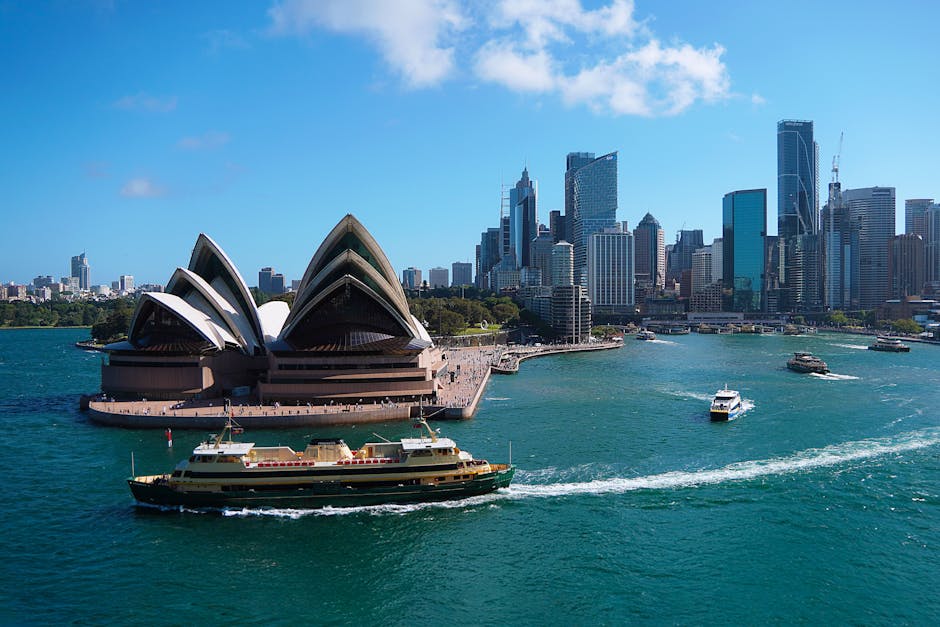
Stunning view of Sydney’s skyline at night with colorful reflections in the…, Jervis Bay Territory, Australia
- Historic Architecture: The Cape St George Lighthouse ruins (1860) stand as a poignant, windswept testament to a navigational error that led to its demolition, offering dramatic coastal views and a haunting story.
- Cultural Scene: The Wreck Bay Aboriginal Community are the Traditional Custodians, and their deep cultural connection is shared through guided walks in Booderee National Park, revealing bush tucker and Dreaming stories.
- Local Specialties: Freshly shucked Clyde River oysters, harvested just north of the territory, are a briny, must-try delicacy best enjoyed with a view of the bay they come from.
Pro Tip: Visit during the shoulder seasons of April-May or September-October. You’ll avoid the peak summer holiday crowds from Sydney and Canberra, enjoy milder weather perfect for hiking, and still have excellent chances of spotting migrating whales (Sept-Nov) without the winter chill.
Map of Jervis Bay Territory, Australia
Use these interactive maps to explore Jervis Bay Territory, Australia and plan your route:
📍 View Jervis Bay Territory, Australia on OpenStreetMap
🗺️ Open Jervis Bay Territory, Australia in Google Maps
Planning Your Trip: Practical Essentials
Getting There and Around
- By Air: The nearest major airports are Sydney (SYD, 3 hours drive) and Canberra (CBR, 2.5 hours drive). No direct transfers; you’ll need a rental car. Book flights at Skyscanner for best deals.
- By Train: NSW TrainLink services run to Bomaderry (Nowra) Station. From there, it’s a 30-minute taxi or pre-booked shuttle to Huskisson, the gateway village. Reserve tickets at Trainline or the national railway website.
- By Car: Driving is essential. From Sydney, take the Princes Highway (A1) south, then the Jervis Bay Road turnoff. Parking is plentiful but requires a park pass for Booderee. Compare car rentals at RentalCars.com.
- Local Transport: There is no public transport within the territory itself. Your options are your own vehicle, taxis from Huskisson, or joining guided tour operators who provide transport.
Best Time to Visit
The best time hinges on your priorities: summer for beach perfection, winter for whale watching solitude, and spring for a glorious mix of wildflowers and wildlife.
| Season | Weather | Highlights |
|---|---|---|
| Summer (Dec–Feb) | Warm, 18°C – 26°C (64°F – 79°F). Sunny but busiest. | Perfect beach weather, swimming, kayaking. Peak crowds and accommodation prices. |
| Winter (Jun–Aug) | Crisp, 8°C – 17°C (46°F – 63°F). Clear, cool days. | Prime whale watching (May-Nov), dramatic coastal walks, few crowds. |
| Shoulder (Apr–May/Sep–Oct) | Mild, 12°C – 22°C (54°F – 72°F). Less predictable rain. | Best overall value. Whale sightings in spring, wildflowers, comfortable hiking weather. |
Budgeting for Jervis Bay Territory, Australia

A vibrant Sydney ferry sails past the skyline at sunset, Jervis Bay Territory, Australia
| Category | Budget | Mid-range | Luxury |
|---|---|---|---|
| Accommodation | $30-$50 (camping in Booderee) | $180-$300 (B&B or holiday apartment) | $400+ (boutique lodge or luxury villa) |
| Meals | $15-$25 (fish & chips, bakery) | $30-$50 (cafe lunch, pub dinner) | $80+ (fine dining degustation) |
| Transport | $15 (daily park entry fee) | $60-$80 (daily car rental + fuel) | $300+ (private charter boat tour) |
| Activities | $0 (beaches, hikes, lighthouse ruins) | $70-$120 (whale watching cruise) | $250 (private guided cultural tour) |
| Daily Total | $60 – $100 | $340 – $550 | $1000+ |
Top Attractions and Must-See Sights
| Attraction | Description | Hours | Entry Fee |
|---|---|---|---|
| Hyams Beach | Renowned for its blindingly white, fine quartz sand, officially recognized as one of the whitest in the world. | 24/7 (swim between flags) | Free (Parking requires Booderee pass) |
| Booderee National Park & Botanic Gardens | An Aboriginal-owned park featuring pristine beaches, bushwalking trails, and a botanic garden dedicated to local flora. | Park: 24/7. Gardens: 9am-4pm | $13 per vehicle (24hrs) |
| Cape St George Lighthouse Ruins | The haunting remains of the “lighthouse in the wrong place,” offering epic cliff-top views and a palpable sense of history. | 24/7 | Free (with park entry) |
| Jervis Bay Marine Park | A sanctuary for dolphins, fur seals, and migrating whales; best explored by kayak, dive boat, or dolphin cruise. | N/A | Free (tour costs vary) |
3-Day Itinerary: Jervis Bay Territory, Australia’s Highlights & Hidden Gems
Day 1: Sands, Summits & Seafood
- Morning (7-9 AM): Beat the crowds to Hyams Beach. Walk the shore, feel the famous sand, and take the iconic photo. Your best bet is to arrive before 9 AM for solitude.
- Afternoon (12-3 PM): Hike the 2.5km return White Sands Walk to Seamans Beach. For lunch, head to Huskisson and grab a table at The Huskisson for their famous fish and chips with bay views.
- Evening (6-8 PM): Drive to the Governor Head lookout for sunset over Point Perpendicular. Follow with dinner at Stonegrill Huskisson, where you cook premium meats and seafood on a volcanic stone at your table.
Day 2: Whales, Wilderness & Culture
- Morning (8 AM): Join a 2.5-hour whale watching cruise with Jervis Bay Wild (from $75). Seasoned travelers prefer the morning tours for calmer seas. You’ll likely spot dolphins year-round.
- Afternoon (1 PM): Explore the Booderee Botanic Gardens. Take the self-guided Lyrebird Trail and look for the elusive bird. Grab a casual lunch at the Botanic Gardens Cafe.
- Evening (5 PM): Join a guided Booderee National Park Aboriginal Culture Tour (book ahead). Learn about bush tucker, tool-making, and the deep spiritual connection to this land.
Day 3: History, Hikes & Hidden Bays
- Morning (9 AM): Drive to the Cape St George Lighthouse ruins. Explore the scattered stones and read the tragic history plaques. The wind-sculpted landscape is profoundly photogenic.
- Afternoon (12 PM): Hike the 4km return Scribbly Gum Track to Bristol Point. Discover secluded coves like Bristol Point beach. For lunch, enjoy woodfired pizza at 5 Little Pigs in Huskisson.
- Evening (4 PM): Your final recommendation is a quiet moment at Greenfield Beach. Walk the boardwalk through the pandanus forest to the picnic area for a final, peaceful view of the bay.
Cultural Insights & Etiquette
- Language: English. Acknowledging Traditional Custodians is respectful: “We acknowledge the Traditional Custodians of this land, the Wreck Bay Aboriginal Community.”
- Customs: Always obey national park rules—stay on marked trails, don’t feed wildlife, and take all rubbish. It’s protected land, not a resort.
- Tipping: Not mandatory but appreciated for good service. Rounding up the bill or leaving 10% in sit-down restaurants is a generous gesture.
- Dress Code: Extremely casual and practical. Swimwear is for the beach; cover up in shops/cafes. Sturdy shoes are essential for cliff walks and bush tracks.
- Business Hours: Shops/cafes in Huskisson typically open 7am-4pm. Many close one day a week (often Tuesday). Booderee Visitor Centre is open 9am-4pm daily.
Where to Eat: Jervis Bay Territory, Australia’s Best Bites
Dining here is fresh, coastal, and relaxed. The focus is on local seafood, quality pub meals, and excellent coffee. Most restaurants are in Huskisson, with a few gems in nearby Vincentia.
Must-Try Local Specialties
- Clyde River Oysters: Served natural, kilpatrick, or with a local mignonette. Find them on seafood platters at The Huskisson or purchase directly from oyster farms north of the bay.
- Fish & Chips: A classic for a reason. The local flathead or snapper is a must. Huskisson Fish & Chips is an institution, best eaten on the dock.
- Berry Donuts: From the famous Berry Donut Van (en route from Sydney). Warm, cinnamon-sugared, and worth the slight detour.
Restaurant Recommendations by Budget
| Type | Restaurant | Specialty | Price Range |
|---|---|---|---|
| Budget | Huskisson Bakery (Huskisson) | Fresh pies, sausage rolls, and pastries | $5-$10 |
| Mid-range | Wild Ginger (Huskisson) | Modern Asian fusion and fresh local seafood dishes | $30-$45 mains |
| Fine dining | Pilgrims (Vincentia) | Vegetarian/Vegan degustation focusing on hyper-local produce | $85+ for set menu |
Where to Stay
Accommodation is clustered in the towns bordering the territory: Huskisson (lively, central), Vincentia (family-friendly, near Hyams), and Hyams Beach itself (exclusive, quiet). Book well in advance for summer and holidays. Compare prices and book at Booking.com or Airbnb for apartments.
Best Neighborhoods for Accommodation
- Huskisson: The heart of the action with most restaurants, cafes, tour operators, and the main wharf. Perfect for first-timers and those without a car for every meal. Can be noisy on weekends.
- Vincentia: A quieter, more residential area close to both Hyams Beach and the entrance to Booderee National Park. Ideal for families and travelers seeking self-contained apartments.
- Hyams Beach: For ultimate serenity and stepping onto the white sand from your door. Offers a handful of luxury rentals and B&Bs. You’ll need to drive for supplies and dining.
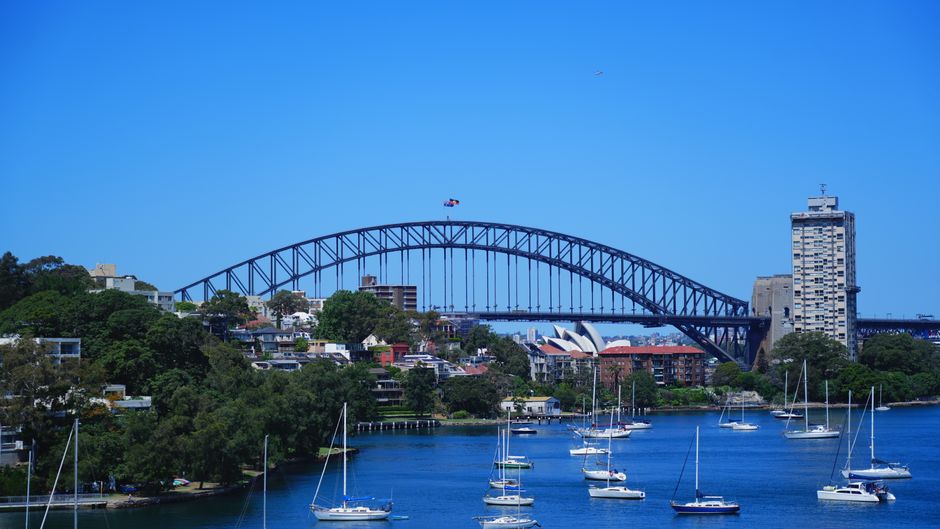
A vibrant daytime view of the iconic Sydney Harbour Bridge and Opera House …, Jervis Bay Territory, Australia
FAQs: Your Jervis Bay Territory, Australia Questions Answered
1. Is Jervis Bay Territory, Australia safe at night?
Extremely safe. The main risks are environmental: uneven paths in the dark, wildlife on roads at dusk/dawn, and strong ocean currents. In towns, standard precautions apply, but crime is very low.
2. What currency is used and are credit cards accepted?
Australian Dollars (AUD). Credit/debit cards (Visa/Mastercard) are widely accepted in towns. However, carry some cash for small vendors, parking meters in some areas, and the park entry fee station, which may not always have card facilities operational.
3. How do I get from the airport to the city center?
There is no direct public transport. From Sydney Airport, your best bet is to pick up a pre-booked rental car for the 3-hour drive. Private transfer services are available but costly ($400+). Book airport transfers at GetYourGuide for convenience.
4. Do I need to speak the local language?
English is universal. Locals appreciate a friendly “G’day” or “Thanks, mate.” Learning a few phrases like “Whale watching” and “Where’s the beach?” won’t be necessary but will amuse.
5. What’s the appropriate dress code?
Utterly practical. Swimwear with a cover-up for town, a wide-brimmed hat, sunglasses, and reef-safe sunscreen are mandatory. For evenings, smart-casual is fine for nicer restaurants, but shorts and a polo shirt are acceptable almost everywhere. Always have a warm layer—sea breezes can be cool.
Final Thoughts: Jervis Bay Territory, Australia Awaits
Jervis Bay Territory offers a rare trifecta: world-class natural beauty, profound cultural history, and a pace of life that forces you to breathe deeper. It’s not a place for ticking off major monuments, but for immersive experiences—watching a whale’s fluke slap the water, feeling powder-soft sand between your toes, and hearing ancient stories on the wind. Your best souvenir will be the memory of that pristine, protected coastline. Don’t leave without taking a moment at sunset to simply sit and watch the water change colour; that’s the magic savvy travelers discover here.
Related Guides
Explore more destinations similar to Jervis Bay Territory:
- Tchirozérine, Niger: Hidden Nomadic Heritage, Aïr Mountain Trails & Ancient Saharan Trade (2025)
- Saharanpur, India’s Best Woodcraft, Spirituality & Mughal Heritage (2025)
- Fallujah, Iraq’s Best Resilience, Riverfront Life & Ancient Heritage (2026)
- Teapa, Mexico’s Ultimate Caves, Chocolate & Colonial Charm (2025)


Pingback: Gunjur, Gambia's Incredible Beaches, Birdlife & Authentic Culture (2026) - tangyOcean