
King Island, Australia’s Epic Cheese, Coastlines & Shipwreck Stories (2025)
While crowds flock to Tasmania’s Wineglass Bay, King Island delivers a raw, windswept beauty and world-class produce with zero queues. This 1,098-square-kilometre jewel in the Bass Strait sees fewer than 15,000 visitors annually, yet it’s home to a dairy industry that supplies some of Australia’s finest restaurants. Here, you’ll find more cows than people, beaches where you’re the only footprints, and a history written in shipwrecks.
Why King Island, Australia Stands Out

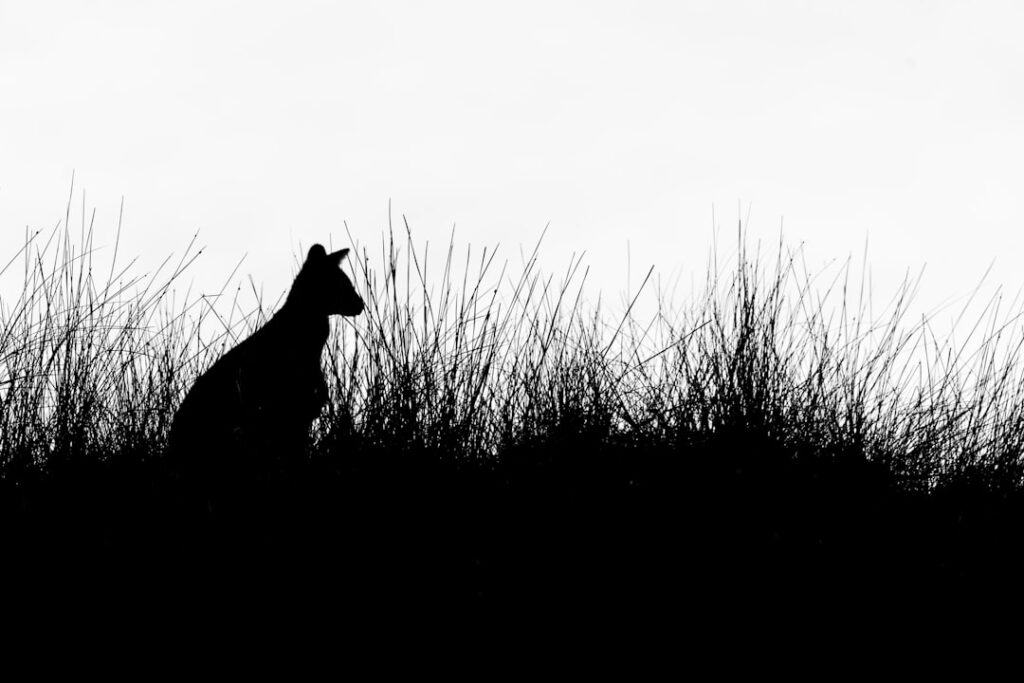
A grey and white animal, King Island, Australia
- Historic Architecture: The 1858 Cape Wickham Lighthouse, Australia’s tallest at 48 metres, stands as a solitary sentinel over a dramatic, shipwreck-strewn coast.
- Cultural Scene: The annual King Island Show in March is a true community event, showcasing local crafts, produce competitions, and woodchopping with genuine island spirit.
- Local Specialties: You must try the award-winning King Island Brie or Roaring Forties Blue cheese, a creamy, complex blue named after the fierce winds that shape the island.
Pro Tip: Visit in the shoulder months of March-April or October-November. You’ll avoid the strongest winter gales and the peak summer accommodation prices, while still enjoying decent weather for exploring. Always book rental cars and accommodation months in advance—options are limited and locals know to plan ahead.
Map of King Island, Australia
Use these interactive maps to explore King Island, Australia and plan your route:
📍 View King Island, Australia on OpenStreetMap
🗺️ Open King Island, Australia in Google Maps
Planning Your Trip: Practical Essentials
Getting There and Around
- By Air: Fly via Sharp Airlines from Melbourne (Essendon) or Burnie (Wynyard) to King Island Airport (KNS). Flights are small (8-14 seat planes) and weather-dependent. Book flights at Skyscanner for best deals.
- By Train: No train service exists to the island. Your rail journey ends on mainland Tasmania; connect via air from Burnie/Wynyard. Reserve tickets at Trainline or the national railway website for Tasmanian travel.
- By Car: You cannot drive to King Island. A rental car is essential on the island itself. Book directly with local operators like King Island Car Rentals well in advance. Compare mainland Tasmanian car rentals at RentalCars.com.
- Local Transport: There is no public transport or ride-sharing. Your options are a pre-booked rental car, taxi service (limited), or guided tours that include transport.
Best Time to Visit
King Island has a temperate maritime climate, but it’s famously windy year-round. The best time balances pleasant weather for coastal walks with the island’s agricultural calendar, like seeing newborn calves in spring.
| Season | Weather | Highlights |
|---|---|---|
| Summer (Dec–Feb) | Mild, 12-20°C, but can be very windy. Long daylight hours. | Best for beach walks, surfing, and festivals. Busiest season; book everything early. |
| Winter (Jun–Aug) | Cool, 6-13°C, with frequent rain and strong gales. Dramatic seas. | Storm watching, cozy pub visits, and having historic sites to yourself. Fewer tourists. |
| Shoulder (Mar–May & Sep–Nov) | Unpredictable but often calm spells, 9-18°C. Spring wildflowers bloom. | Ideal for hiking, photography, and value. Perfect balance of activity access and solitude. |
Budgeting for King Island, Australia

Stunning view of Perth’s skyline from Kings Park, showcasing modern skyscrapers., King Island, Australia
| Category | Budget | Mid-range | Luxury |
|---|---|---|---|
| Accommodation | $120-150/night (motel/B&B) | $180-250/night (cottage/lodge) | $300+/night (premium boutique) |
| Meals | $15-25 (pub meal, bakery) | $30-50 (café lunch, nice dinner) | $80+ (degustation with local produce) |
| Transport | $70/day (rental car split) | $80-100/day (solo car rental) | $150+/day (4WD & guided tours) |
| Activities | Free (beaches, lighthouses, walks) | $20-50 (cheese tasting, museum) | $100+ (surf lessons, fishing charters) |
| Daily Total | $220-270 | $350-450 | $600+ |
Top Attractions and Must-See Sights
| Attraction | Description | Hours | Entry Fee |
|---|---|---|---|
| Naracoopa Caves | Explore these fascinating limestone caves with self-guided torchlight tours, seeing unique formations. | Daylight hours | Gold coin donation |
| Calcified Forest & Elephant Rocks | A surreal, ancient landscape of fossilised tree stumps and massive granite boulders on the coast. | 24/7 | Free |
| King Island Dairy Visitor Centre | The heart of the island’s fame; watch the cheese-making process and sample award-winning varieties. | Mon-Fri 9am-4pm | Free (tasting fees apply) |
| Shipwreck Trail | A self-drive route linking over 60 historic wreck sites, with informative plaques telling tragic tales. | 24/7 | Free |
3-Day Itinerary: King Island, Australia’s Highlights & Hidden Gems
Day 1: Southern Shores & Savoury Delights
- Morning (7-9 AM): Start at Grassy Harbour to watch the fishing boats come in. Then, drive to the stunning Seal Rocks State Reserve for a bracing coastal walk.
- Afternoon (12-3 PM): Head to the King Island Dairy Visitor Centre for a guided tasting ($15). For lunch, grab a famous crayfish roll from the food truck at Grassy (if operating) or a pie from the iconic King Island Bakery in Currie.
- Evening (6-8 PM): Watch the sunset from the Penny’s Lagoon lookout, a perched freshwater lake. Enjoy dinner at Boomerang by the Sea in Currie, booking ahead for their fresh local seafood.
Day 2: History, Hikes & Hidden Coves
- Morning (8 AM): Explore the Calcified Forest and the majestic Elephant Rocks at Surprise Bay. Bring sturdy shoes for the short walk.
- Afternoon (1 PM): Visit the King Island Museum in Currie ($10) to delve into shipwreck lore. Have a late lunch at The Gallery in Currie, known for its modern Australian fare.
- Evening (5 PM): Take the scenic drive to Cape Wickham Lighthouse for golden hour photos. Dine at the intimate Wild Harvest restaurant in Loorana for a true paddock-to-plate experience (bookings essential).
Day 3: Northern Wonders & Local Crafts
- Morning (9 AM): Drive north to Naracoopa Caves. Explore with a torch (bring your own or rent locally). Then, visit the nearby kelp processing plant to see this unique industry.
- Afternoon (12 PM): Enjoy a picnic lunch at Disappointment Bay (the name belies its beauty). Stop by the King Island Art & Craft Centre in Currie to browse local woollen goods and art.
- Evening (6 PM): For your final meal, experience the community vibe at the Currie Hotel bistro. Afterwards, take a twilight stroll along Currie Harbour, watching the lights reflect on the water.
Cultural Insights & Etiquette
- Language: English. A friendly “G’day” goes a long way. Locals appreciate you slowing down to their pace.
- Customs: This is a close-knit, rural community. Respect private property (many beaches are accessed through farm gates—close them behind you). Always wave back if a local waves from their car.
- Tipping: Not expected but appreciated for exceptional service. Rounding up the bill or leaving 5-10% in a sit-down restaurant is a kind gesture.
- Dress Code: Utterly practical and casual. Waterproof jackets, sturdy walking shoes, and layers are essential, even in summer. No need for formal wear anywhere.
- Business Hours: Shops in Currie typically open 9am-5pm weekdays, with reduced hours weekends. Many close on public holidays. Always check opening times for specific restaurants and attractions.
Where to Eat: King Island, Australia’s Best Bites
Dining on King Island is a celebration of hyper-local provenance. Menus proudly list the farm where your steak was raised or the bay where your abalone was dived. The vibe is unpretentious but deeply passionate about quality.
Must-Try Local Specialties
- King Island Beef: Grass-fed, renowned for its flavour and tenderness. Try it as a steak at the Currie Hotel or in a pie from the Bakery.
- Blacklip Abalone: A prized shellfish, often served pan-fried or in a delicate pasta. Wild Harvest restaurant prepares it masterfully.
- Kelpie Cheese: A hard, aged cheese from King Island Dairy, perfect with a local craft beer. Buy a wedge from the Dairy or general store.
Restaurant Recommendations by Budget
| Type | Restaurant | Specialty | Price Range |
|---|---|---|---|
| Budget | King Island Bakery (Currie) | Hearty meat pies, pasties, and sausage rolls | $5-10 |
| Mid-range | Boomerang by the Sea (Currie) | Fresh seafood platters and casual bistro meals | $25-45 main |
| Fine dining | Wild Harvest (Loorana) | Multi-course degustation featuring foraged and local ingredients | $90-120 per person |
Where to Stay
Accommodation ranges from simple motels and B&Bs to self-contained cottages and a couple of luxury lodges. Most are clustered around Currie (the main town) or scattered along the coast. Book months in advance, especially for peak season. Compare prices and book at Booking.com or Airbnb for apartments.
Best Neighborhoods for Accommodation
- Currie: The main port town. Pros: central location, most dining options, amenities. Cons: less secluded. Best for first-time visitors without a car.
- Naracoopa: East coast. Pros: beautiful bay, calm waters, great for families. Cons: further from major sights. Ideal for a quiet, beach-focused stay.
- Southern Coast (Surprise Bay/Sea Elephant Bay): Pros: stunning, remote scenery near major attractions. Cons: very isolated, limited services. Perfect for solitude seekers and photographers.

Close-up of a map of Australia with colorful pins marking various cities an…, King Island, Australia
FAQs: Your King Island, Australia Questions Answered
1. Is King Island, Australia safe at night?
Extremely safe. Crime is virtually non-existent. The main safety concerns are environmental: always be cautious on coastal cliffs, especially in high winds, and never turn your back on the ocean when rock fishing. Driving at dawn/dusk requires extra care for wildlife like wallabies on the roads.
2. What currency is used and are credit cards accepted?
Australian Dollars (AUD). Credit/debit cards (Visa/Mastercard) are widely accepted in hotels, restaurants, and larger shops. However, it’s wise to carry some cash for smaller cafes, farm gate stalls, donations at attractions like the caves, or in case of EFTPOS outages, which can happen.
3. How do I get from the airport to the city center?
King Island Airport is a 10-minute drive from Currie. There are no regular shuttle buses. Your options are: a pre-booked taxi (approx. $25-30), a pick-up from your accommodation (arrange when booking), or collecting your pre-booked rental car from the airport depot. Book airport transfers at GetYourGuide for convenience for tours, but local transport must be arranged directly.
4. Do I need to speak the local language?
English is spoken everywhere. The local accent may be strong and the pace of conversation relaxed. A few helpful phrases are just about being polite: “Ta” for thanks, and “No worries” are common. Locals appreciate a friendly, patient demeanour.
5. What’s the appropriate dress code?
Functional and weather-ready is the only code. Pack a waterproof and windproof jacket, sturdy walking shoes, warm layers (fleece, thermals), a hat, and sunglasses. Even in summer, a beanie and gloves aren’t overkill for windy coastal walks. There is nowhere that requires smart or formal attire.
Final Thoughts: King Island, Australia Awaits
King Island isn’t a destination that shouts for attention; it whispers with the wind through coastal she-oaks and the crash of waves on lonely shores. It rewards the traveler seeking authenticity over adrenaline, flavour over fashion, and solitude over crowds. You come for the world-class cheese and beef, but you leave with memories of empty beaches, the kindness of locals, and the profound sense of standing on the edge of a wild and storied world. Your best souvenir? A wedge of Roaring Forties Blue and the resolve to return. Just remember to book that car rental early.
{“@context”: “https://schema.org”, “@type”: “FAQPage”, “mainEntity”: [{“@type”: “Question”, “name”: “What is the best time to visit King Island?”, “acceptedAnswer”: {“@type”: “Answer”, “text”: “The best time to visit King Island depends on your preferences. Generally, the dry season offers the most pleasant weather for sightseeing and outdoor activities.”}}, {“@type”: “Question”, “name”: “How many days do I need in King Island?”, “acceptedAnswer”: {“@type”: “Answer”, “text”: “Most travelers spend 3-5 days in King Island to see the main attractions. A week allows for a more relaxed pace and day trips.”}}, {“@type”: “Question”, “name”: “Is King Island expensive to visit?”, “acceptedAnswer”: {“@type”: “Answer”, “text”: “King Island can be visited on various budgets. Accommodation ranges from hostels to luxury hotels, and local restaurants offer affordable dining.”}}]}
Related Guides
Explore more destinations similar to King Island:

