
Hagåtña, Guam’s Essential History, Resilience & Chamorro Culture (2025)
While crowds flock to the resort strip of Tumon Bay, Hagåtña, Guam delivers the island’s soul without the tourist markup. As the capital for over 400 years, this is where Spanish galleons once traded, WWII battles raged, and Chamorro culture not only survived but thrived. Here, you’ll walk past 17th-century Spanish ruins on your way to a modern latte stone park, a journey that tells the real story of Guam. Savvy travelers choose differently to find the authentic heartbeat of the Pacific.
Why Hagåtña, Guam Stands Out

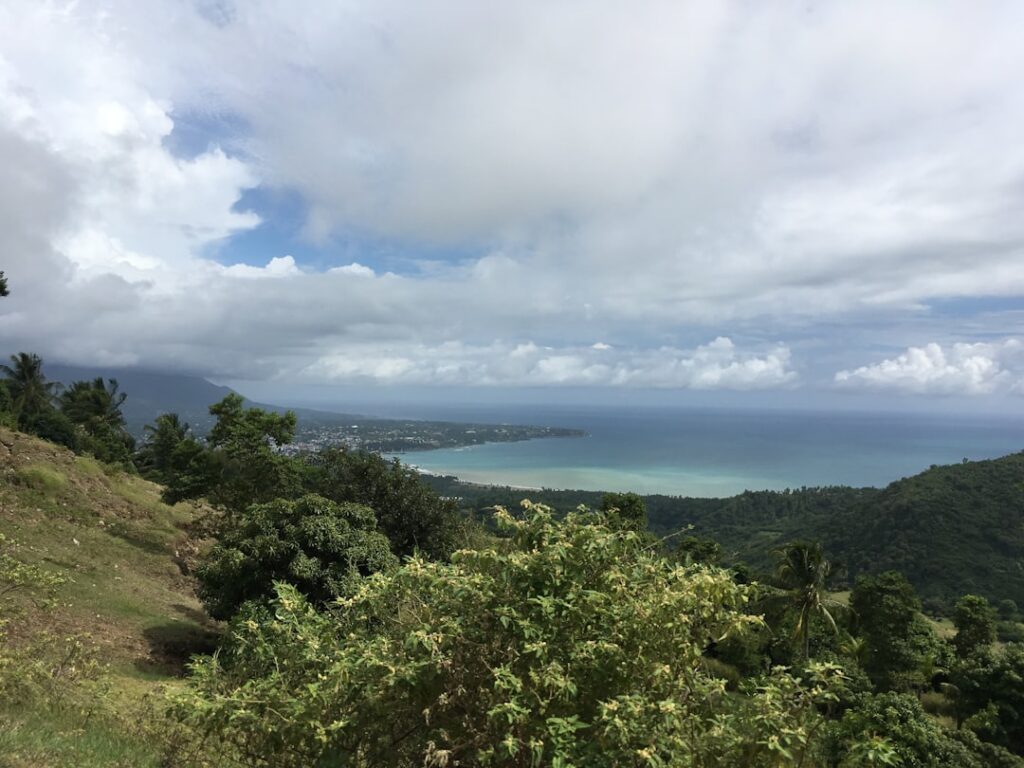
Aerial view of houses surrounded by trees at shore during daytime, Hagåtña, Guam
- Historic Architecture: The Dulce Nombre de Maria Cathedral-Basilica, rebuilt in 1959 on the site of the first Catholic church in the Pacific (1669), stands as a symbol of faith and resilience.
- Cultural Scene: The annual Liberation Day Parade on July 21st transforms the streets into a vibrant celebration of freedom, featuring floats, marching bands, and Chamorro dance.
- Local Specialties: You must try kelaguen, a signature Chamorro dish of grilled meat (often chicken or shrimp) marinated in fresh lemon juice, grated coconut, and fiery donne’ sali (local chili peppers).
Pro Tip: Visit on a weekday morning before 10 AM. Cruise ship passengers typically arrive in the afternoon, so you’ll have the historic plazas and museums nearly to yourself. The light is also perfect for photography at the Latte Stone Park.
Map of Hagåtña, Guam
Use these interactive maps to explore Hagåtña, Guam and plan your route:
📍 View Hagåtña, Guam on OpenStreetMap
🗺️ Open Hagåtña, Guam in Google Maps
Planning Your Trip: Practical Essentials
Getting There and Around
- By Air: All flights arrive at Antonio B. Won Pat International Airport (GUM), just 4 miles east of Hagåtña. Major carriers include United, Japan Airlines, and Korean Air. A taxi to the city center costs about $20-$25. Book flights at Skyscanner for best deals.
- By Train: There is no train service on Guam. The island is served by its road network and public bus system.
- By Car: Renting a car is the most efficient way to explore. Major rental agencies are at the airport. Driving is on the right-hand side. Compare car rentals at RentalCars.com.
- Local Transport: The Guam Mass Transit Authority (GMTA) runs bus routes; Route 1 serves Hagåtña. Fares are $3 per ride. Taxis are available but not metered; agree on a fare before departing. For flexibility, most visitors rent a car.
Best Time to Visit
Guam enjoys a tropical marine climate year-round, with a distinct dry season (January to June) and rainy season (July to December). The temperature is consistently warm, averaging 84°F (29°C). The key factor is typhoon season, which peaks from August to November.
| Season | Weather | Highlights |
|---|---|---|
| Dry Season (Jan–Jun) | Sunny, low humidity, avg 80-85°F. Minimal rain. | Ideal for walking tours and outdoor festivals like the Guam Micronesia Island Fair in May. Peak tourist season. |
| Rainy/Typhoon Season (Jul–Dec) | Hot, humid, frequent heavy showers. Typhoon risk Aug-Nov. | Lush greenery, fewer crowds, and major cultural events like Liberation Day in July. Hotel rates can be lower. |
| Shoulder (Apr–May/Oct–Nov) | Transitional weather; warm with sporadic rain. | A sweet spot with decent weather, manageable crowds, and vibrant local life. Great for cultural immersion. |
Budgeting for Hagåtña, Guam

A view of some houses on a hill, Hagåtña, Guam
| Category | Budget | Mid-range | Luxury |
|---|---|---|---|
| Accommodation | $70-$100/night (basic hotel/motel) | $150-$250/night (full-service hotel) | $300+/night (beachfront resort suite) |
| Meals | $10-$15/meal (food trucks, local eateries) | $20-$40/meal (sit-down restaurant) | $60+/meal (fine dining with wine) |
| Transport | $3 bus rides / day | $50-$70/day (rental car) | $100+/day (private driver/tours) |
| Activities | $0-$30 (parks, free museums, self-guided walks) | $40-$80 (museum entries, guided history tours) | $100+ (private cultural tours, helicopter tours) |
| Daily Total | $90-$150 | $260-$440 | $560+ |
Top Attractions and Must-See Sights
| Attraction | Description | Hours | Entry Fee |
|---|---|---|---|
| Plaza de España | The historic heart of old Spanish Hagåtña, featuring the ruins of the Governor’s Palace, Chocolate House, and Spanish bridges. | Open 24/7 (grounds) | Free |
| Guam Museum & Senator Antonio M. Palomo Guam Museum & Chamorro Educational Facility | State-of-the-art museum chronicling 4,000 years of Chamorro history, from ancient latte stones to WWII and modern culture. | Wed-Sun: 10 AM – 5 PM | $3 Adults, $1 Students |
| Latte Stone Park | An evocative park displaying eight ancient latte stones, the iconic stone pillars of the ancestral Chamorro people, relocated from their original sites. | Open 24/7 | Free |
| Dulce Nombre de Maria Cathedral-Basilica | The spiritual center of Guam, a beautiful post-war cathedral standing on the hallowed ground of the island’s first Catholic mission. | Daily: 8 AM – 6 PM (Mass times vary) | Free (donations welcome) |
3-Day Itinerary: Hagåtña, Guam’s Highlights & Hidden Gems
Day 1: Historic Heart & Spanish Legacy
- Morning (7-9 AM): Start with a quiet walk through the Plaza de España. The early light illuminates the coral stone ruins. Find the Azotea, the back porch where the Spanish governor’s family once took the evening breeze.
- Afternoon (12-3 PM): Dive deep into history at the Guam Museum (allow 2 hours). For lunch, head to Jamaican Grill in nearby Anigua for their famous BBQ chicken plate with finadene sauce ($12).
- Evening (6-8 PM): Stroll through the illuminated Latte Stone Park, then enjoy dinner at Proa Restaurant in Hagåtña for modern Chamorro fusion—try the fire-roasted tuna belly.
Day 2: Cultural Immersion & Local Flavors
- Morning (8 AM): Visit the Chamorro Village (Wednesday Night Market) area. While the famous market is evenings, the daytime reveals craft shops like Ginen I Hila’ I Magi for authentic woven goods.
- Afternoon (1 PM): Take a short drive to Paseo de Susana, a seaside park with views of the harbor and the Statue of Liberty replica. Grab a quick, delicious shrimp kelaguen from a vendor.
- Evening (6 PM): If it’s a Wednesday, don’t miss the Chamorro Village Night Market—a feast for the senses with food stalls, live music, and handicraft vendors. Arrive hungry.
Day 3: Resilience & Reflection
- Morning (9 AM): Drive 15 minutes to the War in the Pacific National Historical Park (Asan Beach Unit). Walk the liberation trail, reading plaques that detail the brutal 1944 Battle of Guam. (Free entry).
- Afternoon (12 PM): Return to Hagåtña for a reflective visit to the Cathedral-Basilica. Then, enjoy a late lunch at Meskla Dos for their Chamorro-style pasta ($16).
- Evening (5 PM): For a final sunset, locals recommend driving to Puntan Dos Amantes (Two Lovers Point) in Tumon (10 min drive). The cliffside view is legendary, offering a panoramic farewell to the island.
Cultural Insights & Etiquette
- Language: Chamorro and English are official. Key phrases: “Håfa Adai” (Hello), “Si Yu’os Ma’åse” (Thank you), “Buenas” (a general greeting).
- Customs: Respect for elders (manamko’) is paramount. A gentle nod or saying “ñot” (sir) or “ñora” (ma’am) shows respect. Always accept offered food or drink graciously.
- Tipping: 15-20% is standard in restaurants. Not expected for taxis but appreciated for good service. Tip tour guides $5-$10 per person.
- Dress Code: Modesty is valued, especially at historical/religious sites. Cover shoulders and knees at the Cathedral. Beachwear is for the beach only.
- Business Hours: Government offices 8 AM-5 PM weekdays. Many shops close early on Saturday and are closed Sunday. Major holidays can shut down the entire island.
Where to Eat: Hagåtña, Guam’s Best Bites
Chamorro cuisine is a delicious fusion of indigenous Pacific flavors with Spanish, Filipino, and American influences. Meals are social, hearty, and often feature rice, seafood, and locally grown produce like breadfruit and taro.
Must-Try Local Specialties
- Kelaguen: The unofficial national dish. For the best, seek out roadside stands or the Chamorro Village market. King’s Restaurant is also famous for its version.
- Red Rice: Rice stained and flavored with achiote seeds. It’s a staple side dish at every fiesta and local restaurant.
- Kadon Pika: A spicy, soupy stew usually made with chicken or seafood, slow-cooked with coconut milk, lemon, and chili. Find it at traditional eateries like Fiery Grill.
Restaurant Recommendations by Budget
| Type | Restaurant | Specialty | Price Range |
|---|---|---|---|
| Budget | Pika’s Cafe (Downtown Hagåtña) | Hearty local plates, fantastic chicken kelaguen | $8-$15 |
| Mid-range | Proa Restaurant (Hagåtña) | Upscale Chamorro fusion in a stylish setting | $20-$40 |
| Fine dining | Alfredo’s Steakhouse (Hagåtña, inside the Dusit Thani) | Prime steaks and seafood with impeccable service | $50+ per entree |
Where to Stay
Hagåtña itself has limited hotels, but it’s the central hub, with more options in the adjacent villages of Tamuning and Tumon Bay, just a 5-10 minute drive away. Staying near Hagåtña gives you easy access to history and culture. Compare prices and book at Booking.com or Airbnb for apartments.
Best Neighborhoods for Accommodation
- Hagåtña Proper: The historic core. You’re steps from major sights. Best for history buffs, but nightlife is quiet. The Dusit Thani Guam Resort is on the outskirts.
- Tamuning: The commercial center between Hagåtña and Tumon. Offers a mix of business hotels, local restaurants, and shopping malls like Guam Premier Outlets. Great for practical travelers.
- Tumon Bay: The main tourist strip with beachfront luxury resorts, high-end shopping, and vibrant nightlife. Ideal for those who want resort amenities but don’t mind a short drive to historic sites.

Green trees beside road during daytime, Hagåtña, Guam
FAQs: Your Hagåtña, Guam Questions Answered
1. Is Hagåtña, Guam safe at night?
Hagåtña is generally safe, but like any urban center, it’s wise to be cautious after dark. The historic plaza areas are quiet at night. Stick to well-lit areas, don’t leave valuables in your car, and be aware of your surroundings. Most nightlife is concentrated in Tumon Bay.
2. What currency is used and are credit cards accepted?
The U.S. Dollar (USD) is the official currency. Credit cards (Visa/Mastercard most common) are widely accepted in hotels, restaurants, and larger shops. However, it’s smart to carry some cash for small vendors at the Chamorro Village, food trucks, and taxi fares.
3. How do I get from the airport to the city center?
Antonio B. Won Pat International Airport (GUM) is only 4 miles from Hagåtña. A taxi takes 10-15 minutes and costs a flat rate of $20-$25 to most Hagåtña hotels. Rental car counters are in the arrivals hall. There is no direct public bus from the airport; you’d need to walk to the main road. Book airport transfers at GetYourGuide for convenience.
4. Do I need to speak the local language?
No. English is an official language and is spoken universally in business and tourism. Learning a few Chamorro phrases like “Håfa Adai” will delight locals and show respect for their culture, but you will have no communication barriers.
5. What’s the appropriate dress code?
Dress is generally casual due to the warm climate. However, modesty is appreciated. When visiting the Cathedral-Basilica or government buildings, wear clothing that covers your shoulders and knees. Swimsuits and bare tops should be confined to the beach or pool areas.
Final Thoughts: Hagåtña, Guam Awaits
Hagåtña offers something rare: a capital city that feels like a living history book rather than a bureaucratic center. It’s a place where every latte stone and Spanish-era wall has a story of survival, fusion, and identity. You come here not for pristine beaches (though they’re minutes away) but for a profound connection to the Chamorro spirit. Your best souvenir won’t be a trinket, but the understanding of
Related Guides
Explore more destinations similar to Hagåtña:
- Paraty, Brazil’s Best Colonial Charm, Emerald Islands & Cachaça Culture (2025)
- Moab, USA’s Ultimate Red Rock Adventures, Stargazing & Desert Thrills (2025)
- Chapada dos Veadeiros, Brazil’s Ultimate Waterfalls, Canyons & Crystal Energy (2025)
- Mount Fuji, Japan’s Ultimate Sacred Summits, Spiritual Trails & Volcanic Views (2025)

