
Tarangire National Park, Tanzania: Essential Elephants, Baobabs & Riverine Drama (2025)
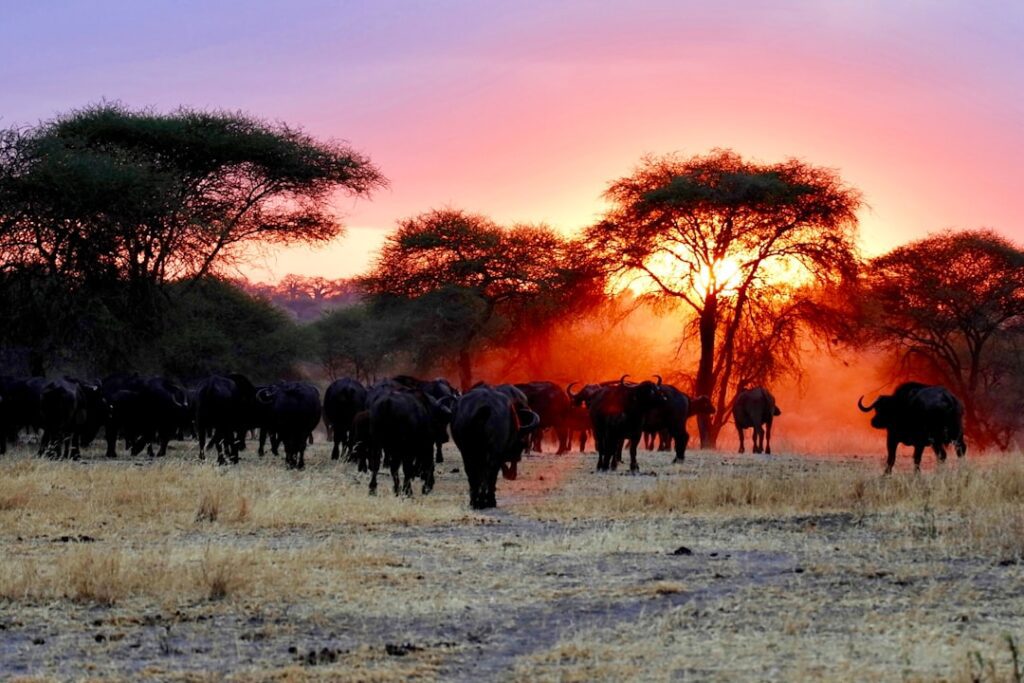
While crowds flock to the endless plains of the Serengeti, Tarangire National Park delivers one of Africa’s most concentrated dry-season wildlife spectacles without the convoy of safari vehicles. From June to October, the park’s lifeblood, the Tarangire River, draws over 3,000 elephants—the highest density on the continent—along with vast herds of wildebeest, zebra, and buffalo. This is where the ancient, sprawling baobabs stand sentinel over a landscape that feels both timeless and intensely alive.
Why Tarangire National Park, Tanzania Stands Out

A close up view of an elephant’s face, Tarangire National Park, Tanzania
- Historic Architecture: The park’s namesake, the Tarangire River, is its ancient, life-giving structure, carving through the landscape for millennia and creating the vital ecosystem that sustains its legendary wildlife concentrations.
- Cultural Scene: The park borders the ancestral lands of the Maasai and Barabaig people; visiting a nearby cultural boma offers an authentic glimpse into centuries-old pastoralist traditions.
- Local Specialties: After a game drive, you must try a cold, locally brewed Serengeti Lager or a tangy, fresh passion fruit juice, often served at lodge sundowners.
Pro Tip: Your best bet for epic wildlife viewing is the dry season (late June to October), but for lush landscapes, dramatic skies, and excellent birding with far fewer visitors, target the shoulder months of January to February or November. Arrive at the park gate by 6:15 AM to be among the first vehicles inside.
Map of Tarangire National Park, Tanzania
Use these interactive maps to explore Tarangire National Park, Tanzania and plan your route:
📍 View Tarangire National Park, Tanzania on OpenStreetMap
🗺️ Open Tarangire National Park, Tanzania in Google Maps
Planning Your Trip: Practical Essentials
Getting There and Around
- By Air: Most travelers fly into Kilimanjaro International Airport (JRO) or Arusha Airport (ARK). From there, it’s a 2-3 hour drive to the park. Regional airlines like Coastal Aviation and Auric Air offer scheduled flights to Kuro Airstrip within the park. Book flights at Skyscanner for best deals.
- By Train: No direct rail service exists to the park. The nearest major transport hub is Arusha, accessible by road from across Tanzania.
- By Car: A 4×4 safari vehicle is mandatory for exploring the park’s network of dirt roads. The main gate is 115km southwest of Arusha via the B144 road. Most visitors book a tour package that includes transport. Compare car rentals at RentalCars.com for Arusha pick-up, but self-driving in the park is only for the very experienced.
- Local Transport: There is no public transport within the park. All movement is via private safari vehicle, either your own rented 4×4 or as part of a guided tour.
Best Time to Visit
The park’s character transforms dramatically with the seasons, dictated by the rains. The dry season is for unparalleled wildlife drama, while the green season offers beauty and solitude.
| Season | Weather | Highlights |
|---|---|---|
| Dry Season (Jun–Oct) | Warm, sunny days (25-30°C), cool nights, virtually no rain. | Peak wildlife concentrations around the river and swamps; excellent predator sightings; busy but not overcrowded. |
| Green Season (Nov–May) | Warmer (28-32°C) with sporadic, heavy rains, especially in Apr-May. | Lush, photogenic landscapes; migratory bird species (over 550 species); calving season; deeply discounted lodge rates and few visitors. |
| Shoulder (Jan–Feb/Nov) | Shorter rains, warm temperatures, generally clear skies. | A sweet spot: good wildlife, beautiful scenery, minimal crowds, and lower prices than peak dry season. |
Budgeting for Tarangire National Park, Tanzania

Elephant drinking water on lake during daytime, Tarangire National Park, Tanzania
| Category | Budget | Mid-range | Luxury |
|---|---|---|---|
| Accommodation | $30-50 (public campsites) | $250-450 (comfortable lodge) | $600-1,200+ (premium safari camp) |
| Meals | $15-25 (self-catered) | Included at most lodges | Gourmet, included |
| Transport | $150/day (shared safari vehicle) | $250-400/day (private vehicle) | $500+/day (private guide & vehicle) |
| Activities | Park fees ($45-82/day) | Guided walks ($30-50) | Balloon safari ($550+) |
| Daily Total | $250-350 | $550-900 | $1,200+ |
*Note: Most visitors book all-inclusive safari packages. Daily park fees are $82 for adults (16+) in high season, $45 in low season.
Top Attractions and Must-See Sights
| Attraction | Description | Hours | Entry Fee |
|---|---|---|---|
| Tarangire River | The park’s lifeline; a year-round magnet for massive elephant herds, predators, and breathtaking riverine scenery. | Daylight hours | Included in park fee |
| Silale Swamp | A vast, groundwater-fed wetland in the south, attracting huge herds in the dry season and fantastic birdlife year-round. | Daylight hours | Included in park fee |
| Baobab Forests | Iconic, ancient trees dotting the landscape, some over 1,000 years old, creating a uniquely African silhouette, especially at sunset. | Always accessible | Included in park fee |
| Lemiyon & Larmakau Viewpoints | Spectacular panoramic lookouts over the river valley and plains, perfect for a picnic lunch while watching wildlife below. | Daylight hours | Included in park fee |
3-Day Itinerary: Tarangire National Park, Tanzania’s Highlights & Hidden Gems
Day 1: Riverine Giants & Ancient Trees
- Morning (6:30-11:00 AM): Enter at the Matete Gate and drive straight to the Tarangire River circuit. Spend the golden hours watching elephants bathe and socialize. Your best bet for leopard sightings is in the acacia woodlands nearby.
- Afternoon (12-4 PM): Enjoy a packed lunch at the Lemiyon viewpoint. Then, explore the central Gursi and Kitibong Hill areas, where massive baobabs create stunning photo opportunities and you might spot tree-climbing pythons.
- Evening (5-7 PM): Sundowner drive near Silale Swamp, listening to the chorus of frogs and birds, followed by a hearty dinner at your lodge like Tarangire Safari Lodge.
Day 2: Southern Swamps & Hidden Valleys
- Morning (7-11 AM): Head deep south to the Silale Swamp ($50-80 extra for a guided drive from some camps). This is where savvy travelers find enormous buffalo herds, rare fringe-eared oryx, and cheetahs on the open plains.
- Afternoon (12-3 PM): Picnic at the secluded Larmakau viewpoint. Afterwards, take a guided walking safari ($35 per person) from Kuro Camp for an intimate, ground-level perspective on the ecosystem.
- Evening (6 PM onwards): Night drive (if staying at a camp with concession access, like Oliver’s Camp) to spot genets, civets, and bushbabies, followed by a bush dinner under the stars.
Day 3: Cultural Insight & Departure
- Morning (8-10 AM): Visit a certified Maasai boma just outside the park boundary ($20-30 per person). This respectful cultural visit supports the local community and offers insight into a pastoralist way of life intertwined with the wildlife.
- Afternoon (11 AM – 1 PM): A final, leisurely game drive back towards the main gate, stopping at the swampy areas near Ngare Lanyuki for fantastic birdwatching.
- Evening: Depart for your next destination, perhaps the Ngorongoro Crater (a 3-hour drive), with memories of elephant silhouettes against a baobab-dotted sunset.
Cultural Insights & Etiquette
- Language: Swahili is the national language. Key phrases: “Jambo” (Hello), “Asante” (Thank you), “Tafadhali” (Please). Guides and lodge staff all speak excellent English.
- Customs: Always greet people politely. When visiting a Maasai boma, it is respectful to accept their greeting and listen to explanations before taking photographs—always ask permission for close-up portraits.
- Tipping: Tipping is customary. For your safari guide, plan $15-20 per day from the group; for camp/lodge staff, a collective tip of $10-15 per day left at reception is standard.
- Dress Code: Neutral-colored clothing (khaki, green, brown) is best for game drives. Evenings at lodges are smart-casual. Dress modestly when visiting local communities.
- Business Hours: Park gates open at 6:00 AM and close at 6:00 PM. All visitors must be out by gate closing time.
Where to Eat: Tarangire National Park, Tanzania’s Best Bites
Dining in Tarangire is almost exclusively at your lodge or camp, which provide full-board meals. The experience ranges from hearty bush breakfasts and picnic lunches to elegant multi-course dinners. The focus is on fresh, often locally sourced ingredients.
Must-Try Local Specialties
- Nyama Choma: Grilled meat, often goat or beef, a Tanzanian staple. Best enjoyed at a lodge’s bush barbecue.
- Ugali & Sukuma Wiki: A maize porridge (ugali) served with a flavorful, sautéed collard green dish (sukuma wiki). This is a local favorite you’ll find on most lodge menus.
- Tropical Fruit Platters: Incredibly fresh mango, pineapple, papaya, and passion fruit served at breakfast—a true highlight.
Restaurant Recommendations by Budget
| Type | Restaurant | Specialty | Price Range |
|---|---|---|---|
| Budget | Park Picnic Sites (Lemiyon) | Packed lunches from your tour operator | Included in tour |
| Mid-range | Tarangire Sopa Lodge Dining Room | Buffet-style meals with international and local options | Meals included with stay |
| Fine dining | Chem Chem Lodge Bush Dinner | Gourmet, lantern-lit multi-course meals under acacia trees | Exclusive to guests |
Where to Stay
Accommodation ranges from basic public campsites to ultra-luxurious tented camps. Most lodges are situated on the park’s periphery with stunning views. Staying inside the park grants you the advantage of early morning and late evening game drives when the light is magical and the day-trippers have left. Compare prices and book at Booking.com or Airbnb for apartments in Arusha, but safari lodges are often best booked via tour operators or their own websites.
Best Neighborhoods for Accommodation
- Park Perimeter (East & West): Home to larger lodges like Tarangire Sopa and Roika Tarangire Tented Lodge. Pros: Great value, reliable amenities, swimming pools. Cons: Further from prime southern areas.
-
Inside the Park (Central/South): Exclusive camps like Oliver’s Camp and Sanctuary Swala. Pros: Unbeatable location for wildlife, private concessions, night drives allowed. Cons: Premium price tag. - Public Campsites (Various): Sites like Tarangire Public Campsite offer basic facilities. Pros: Extremely affordable, truly immersive sounds of the bush at night. Cons: Requires full self-sufficiency and booking well in advance via the Tanzania National Parks Authority (TANAPA).

A leopard in a tree, Tarangire National Park, Tanzania
FAQs: Your Tarangire National Park, Tanzania Questions Answered
1. Is Tarangire National Park, Tanzania safe at night?
Inside the park, you must remain in your vehicle or within the secure confines of your lodge or fenced campsite after dark due to wildlife. Lodges have watchmen and are very safe. When on a guided night drive in a concession area, you are safe in the vehicle. General crime is not an issue within the park environment.
2. What currency is used and are credit cards accepted?
The Tanzanian Shilling (TZS) is the local currency, but US Dollars are widely accepted for park fees, tips, and at most lodges. Carry small denomination USD bills ($1, $5, $10) for tipping. Major lodges accept credit cards (Visa/Mastercard), but always carry some cash as a backup. ATMs are only found in major towns like Arusha.
3. How do I get from the airport to the park?
Most visitors are met by a pre-arranged safari driver/guide at Kilimanjaro or Arusha Airport for the 2-3 hour transfer directly to their lodge. This is typically included in safari packages. Private transfers can cost $150-$250 one-way. Book airport transfers at GetYourGuide for convenience, but coordinating with your safari operator is usually more seamless.
4. Do I need to speak the local language?
Not at all. English is the language of tourism. All guides, lodge managers, and park officials speak fluent English. Learning a few basic Swahili greetings, however, is greatly appreciated by local staff and adds a warm touch to your interactions.
5. What’s the appropriate dress code?
On game drives, wear comfortable, neutral-colored clothing, a hat, and closed-toe shoes. Layers are key as mornings are cool. Evenings at lodges are generally smart-casual—clean safari wear is perfectly acceptable. Avoid bright white, blue, or black clothing as it can attract tsetse flies in certain areas.
Final Thoughts: Tarangire National Park, Tanzania Awaits
Tarangire offers a distinct and essential chapter in the classic Tanzanian safari story. It’s not just a warm-up for the Serengeti; it’s a destination where the drama of survival plays out against a stage of prehistoric baobabs and a winding river. Travelers often discover that the intimate, concentrated wildlife encounters here, especially with its
Related Guides
Explore more destinations similar to Tarangire National Park:
- Norway Fjords, Norway’s Hidden Glaciers, Vikings & Midnight Sun (2025)
- Sierra de las Quijadas, Argentina’s Best Fossils, Canyons & Martian Landscapes (2026)
- Nagqu, Tibet: Best High-Altitude Lakes, Nomadic Culture & Tibetan Spirituality (2025)
- Australian Capital Territory, Australia: Essential Democracy, Design & Natural Drama (2025)
{“@context”: “https://schema.org”, “@type”: “FAQPage”, “mainEntity”: [{“@type”: “Question”, “name”: “What is the best time to visit Tarangire National Park?”, “acceptedAnswer”: {“@type”: “Answer”, “text”: “The best time to visit Tarangire National Park depends on your preferences. Generally, the dry season offers the most pleasant weather for sightseeing and outdoor activities.”}}, {“@type”: “Question”, “name”: “How many days do I need in Tarangire National Park?”, “acceptedAnswer”: {“@type”: “Answer”, “text”: “Most travelers spend 3-5 days in Tarangire National Park to see the main attractions. A week allows for a more relaxed pace and day trips.”}}, {“@type”: “Question”, “name”: “Is Tarangire National Park expensive to visit?”, “acceptedAnswer”: {“@type”: “Answer”, “text”: “Tarangire National Park can be visited on various budgets. Accommodation ranges from hostels to luxury hotels, and local restaurants offer affordable dining.”}}]}

