
Tari Basin, Papua New Guinea’s Incredible Culture, Birds & Highland Spirit (2025)
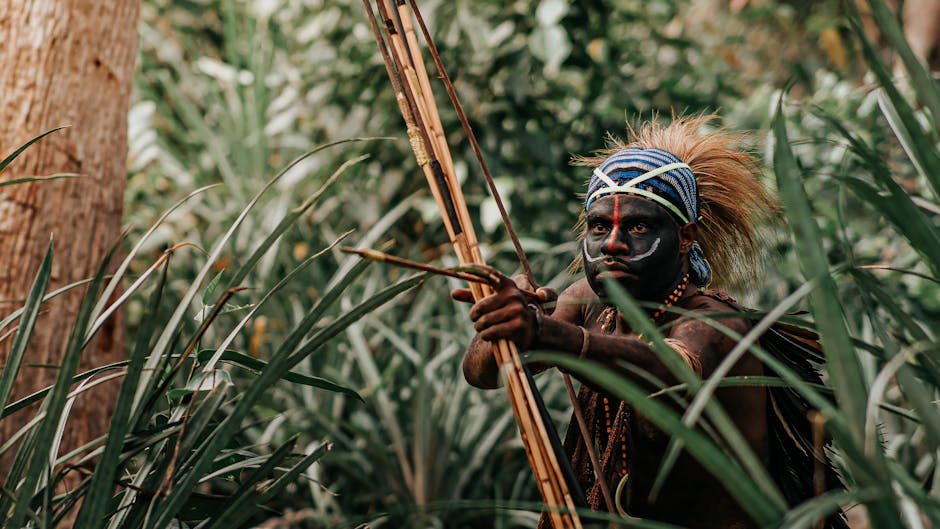
Ask locals about Tari Basin, Papua New Guinea, and they’ll tell you about the morning mist that settles in the valley, revealing the silhouettes of Huli Wigmen preparing for a sing-sing. Most guidebooks miss this completely, focusing instead on more accessible PNG destinations. Yet here, in the Southern Highlands, you’ll find one of the world’s most intact animist cultures, where over 90% of the Huli population still lives in traditional clan-based settlements, their lives intertwined with the legendary birds of paradise that dance in the surrounding rainforest.
Why Tari Basin, Papua New Guinea Stands Out

Tranquil coastal view featuring waves, lush greenery, and a vibrant sunset sky., Tari Basin, Papua New Guinea
- Historic Architecture: The iconic Huli wig school, or “Haroli,” where young men live for 18 months to grow the elaborate wigs central to their identity, represents a living cultural structure dating back centuries.
- Cultural Scene: The annual Huli Wigmen Festival, a vibrant gathering of clans featuring mesmerizing sing-sings, dramatic body paint, and the famous “wig dance,” is an unparalleled cultural immersion.
- Local Specialties: You must try “mumu,” a feast of pork, sweet potato, and greens slow-cooked in an underground oven with hot stones, often prepared for significant community events.
Pro Tip: The absolute best time to visit is during the drier months from May to October. For the most authentic cultural experience with fewer logistical challenges, aim for June or July, just before the peak festival season. This period offers clearer skies for trekking and optimal birdwatching conditions.
Map of Tari Basin, Papua New Guinea
Use these interactive maps to explore Tari Basin, Papua New Guinea and plan your route:
📍 View Tari Basin, Papua New Guinea on OpenStreetMap
🗺️ Open Tari Basin, Papua New Guinea in Google Maps
Planning Your Trip: Practical Essentials
Getting There and Around
- By Air: Tari is served by the Tari Airport (TIZ). Air Niugini and PNG Air operate flights from Port Moresby (POM) via Mount Hagen (HGU). The flight from Mount Hagen takes about 45 minutes. Book flights at Skyscanner for best deals.
- By Train: Papua New Guinea has no passenger railway system. All long-distance travel is by air or road.
- By Car: Driving is not recommended for independent travelers. The Highlands Highway to Tari involves rough, unpaved sections and requires local knowledge and a 4WD. Travel is always arranged through licensed tour operators. Compare car rentals for other parts of PNG at RentalCars.com.
- Local Transport: The primary mode of local transport is by 4WD vehicle with a local driver-guide, arranged through your lodge or tour company. Walking between villages with a guide is common for shorter distances.
Best Time to Visit
The climate in Tari is tropical highland, meaning it’s cooler than the coast but can be wet. Timing your visit is crucial for accessibility and cultural events.
| Season | Weather | Highlights |
|---|---|---|
| Dry Season (May–Oct) | Sunny days, cool nights (15°C-25°C), low rainfall | Best for trekking, birdwatching, festivals; peak tourist season |
| Wet Season (Nov–Apr) | Heavy daily rain, muddy trails, high humidity | Lush scenery, very few tourists; flights often delayed or cancelled |
| Shoulder (Apr/Oct–Nov) | Transitional weather, occasional showers | Good balance of fewer visitors and decent weather; cultural visits are still possible |
Budgeting for Tari Basin, Papua New Guinea

Portrait of a Papua tribesman wearing traditional costume under clear blue sky., Tari Basin, Papua New Guinea
| Category | Budget | Mid-range | Luxury |
|---|---|---|---|
| Accommodation | Very limited; basic guesthouse ~150 PGK/night | Lodge packages (incl. meals/tours) ~800-1200 PGK/night | All-inclusive cultural lodges ~1500+ PGK/night |
| Meals | Local market food ~20-40 PGK | Meals included at lodges | All meals included at premium lodges |
| Transport | N/A (guided transport required) | 4WD transfers/tours ~200-400 PGK/day | Private guide/vehicle ~500+ PGK/day |
| Activities | Village visit donation ~50 PGK | Guided birdwatching ~300 PGK, Sing-sing performance fee ~100 PGK | Multi-day guided treks, private cultural immersions ~800+ PGK/day |
| Daily Total | ~220+ PGK | ~1300-1900 PGK | 2800+ PGK |
Note: 1 USD ≈ 3.8 PGK (Papua New Guinea Kina). Budget travel is extremely challenging here; most visitors opt for all-inclusive lodge packages.
Top Attractions and Must-See Sights
| Attraction | Description | Hours | Entry Fee |
|---|---|---|---|
| Huli Wigmen School Visit | Witness the unique tradition where initiates grow their hair for ceremonial wigs, learning ancestral customs. | By arrangement, usually mornings | ~100 PGK donation |
| Tari Gap & Ambua Lodge Trails | Prime birdwatching territory for spotting 13 species of Birds of Paradise, including the Raggiana. | Dawn & dusk for best viewing | Free if staying at lodge; guided walk ~250 PGK |
| Traditional Village (e.g., Koroba) | Experience daily Huli life in a circular clan compound, seeing spirit houses (haus tambaran) and meeting families. | Daylight hours, by guide arrangement | ~50 PGK village donation |
| Local Market (Tari Town) | A vibrant hub for produce, betel nut, and crafts; a fantastic place for people-watching and photography. | Weekday mornings, larger on Saturdays | Free |
3-Day Itinerary: Tari Basin, Papua New Guinea’s Highlights & Hidden Gems
Day 1: Cultural Immersion & Arrival
- Morning: Arrive at Tari Airport via flight from Mount Hagen. Your lodge guide will meet you. Settle into your accommodation, such as Ambua Lodge or Tari Gap Lodge.
- Afternoon: Visit a nearby Huli wig school. Observe the “Haroli” initiates and learn about the 18-month process. Your guide will explain the significance of yellow ochre and clay for body paint.
- Evening: Enjoy a communal “mumu” feast prepared by your lodge. Gather around for informal storytelling with your guides about Huli mythology and the importance of the bird of paradise.
Day 2: Birds of Paradise & Village Life
- Morning: Pre-dawn start (5:30 AM) for birdwatching at Tari Gap (~250 PGK guided). With patience, you may spot the magnificent Lawes’s Parotia performing its ballerina-like dance.
- Afternoon: Travel by 4WD to a traditional village like Koroba. Tour the clan grounds, see the spirit house, and learn about kinship structures. A simple lunch of kaukau (sweet potato) may be offered.
- Evening: Attend a small, intimate sing-sing performance arranged by your lodge (~100 PGK fee). Witness the power of the dancers’ movements and the deep, rhythmic chanting.
Day 3: Highlands Exploration & Departure
- Morning: Trek with a guide to a nearby waterfall or through mossy forest (2-3 hours, difficulty moderate). Look for orchids and listen for the call of the King of Saxony bird of paradise.
- Afternoon: Visit the Tari town market. Browse for simple handicrafts. Later, share a farewell lunch at your lodge before transferring back to Tari Airport for your afternoon flight out.
- Evening: Depart on the scheduled flight to Mount Hagen, connecting onwards to Port Moresby.
Cultural Insights & Etiquette
- Language: Tok Pisin is the lingua franca; Huli is the local language. Key phrases: “Tenkyu” (Thank you), “Moning” (Good morning), “Mi laikim” (I like it). Most guides speak English.
- Customs: Always ask permission before taking photographs of people. A nod and a smile go a long way. Avoid pointing with your finger; use your lips or chin instead. Respect sacred spaces like spirit houses.
- Tipping: Not a traditional practice, but a small gift or cash tip for exceptional guide service (50-100 PGK) is greatly appreciated. It’s best given discreetly.
- Dress Code: Modesty is key. Wear below-the-knee shorts or trousers, and shirts that cover shoulders. For village visits, avoid overly flashy clothing. Sturdy, waterproof hiking shoes are essential.
- Business Hours: Government hours are Mon-Fri 8am-4pm. Markets operate in the mornings. Everything operates on “PNG time”—be flexible and patient.
Where to Eat: Tari Basin, Papua New Guinea’s Best Bites
Dining in Tari is almost exclusively tied to your lodge. There are no standalone restaurants as you’d find in a city. The experience is about traditional, communal meals and fresh, locally-sourced ingredients. Your lodge will provide all meals, often featuring highland staples.
Must-Try Local Specialties
- Mumu: The definitive Highland feast. Pork, chicken, kaukau (sweet potato), taro, and greens are layered with banana leaves and cooked for hours in a pit with hot stones. The result is incredibly tender, smoky food. Your lodge will prepare this for a special dinner.
- Kaukau & Greens: The daily staple. Sweet potato is roasted or boiled, served with “kumu” (local spinach or pitpit). Simple, hearty, and delicious.
- River Fish: If you’re near a stream, you might be served freshly caught trout or small local fish, grilled over an open fire.
Restaurant Recommendations by Budget
| Type | Restaurant | Specialty | Price Range |
|---|---|---|---|
| Lodge Dining | Ambua Lodge Dining Room | International & local fusion, stunning views | Meals included in package |
| Lodge Dining | Tari Gap Lodge | Hearty highland meals, communal setting | Meals included in package |
| Local Experience | Village Hosted Lunch | Authentic kaukau & greens, cooked traditionally | By donation/arrangement |
Where to Stay
Accommodation defines your Tari experience. Options range from basic guesthouses in town to renowned eco-lodges on the valley rim. All bookings should be made well in advance through tour operators or directly with the lodges. Compare prices and book at Booking.com for some options, but note many lodges require direct booking via their websites.
Best Neighborhoods for Accommodation
- Tari Gap/Ambua Area: The premier location for birdwatchers and those seeking stunning views. Lodges like Ambua are perched on the valley edge, offering cooler temperatures and direct forest access. It suits travelers prioritizing nature and comfort.
- Near Tari Town: Simpler guesthouses and lodges like Tari Gap Lodge offer easier access to the airstrip and local markets. This area suits budget-conscious travelers and those wanting to be closer to everyday Huli life.
- Remote Village Stays: For the ultimate immersion, some operators arrange homestays in traditional villages. This is a rustic, no-frills experience with immense cultural reward, suited for the most adaptable and respectful adventurers.

Dancers in traditional Papuan attire performing under night lights in Jayapura, Tari Basin, Papua New Guinea
FAQs: Your Tari Basin, Papua New Guinea Questions Answered
1. Is Tari Basin, Papua New Guinea safe at night?
Safety is highly dependent on being with trusted local guides. Do not wander alone at night. Within your lodge grounds, you will be safe. When visiting villages, always follow your guide’s lead. Petty crime can occur in Tari town, so keep valuables secure and out of sight. Travelers often discover that the perceived “risk” is minimal when traveling with a reputable operator who has strong community relationships.
2. What currency is used and are credit cards accepted?
The currency is the Papua New Guinea Kina (PGK). Carry ample cash in small denominations (5, 10, 20 Kina notes) for village donations, market purchases, and tips. Credit cards are only accepted at the major lodges (Ambua), and even then, connectivity issues can cause problems. There are ATMs in Tari town, but they are unreliable. Your best bet is to bring all the cash you’ll need from Port Moresby or Mount Hagen.
3. How do I get from the airport to the city center?
Your pre-arranged lodge transfer is the only recommended method. Upon landing at Tari Airport, a representative from your lodge or tour company will be waiting with a 4WD vehicle. The drive to lodges like Ambua takes about 1-1.5 hours on a rough road. There are no taxis or public transport. Book comprehensive tours that include transfers at GetYourGuide for convenience, or arrange directly with specialist PNG operators.
4. Do I need to speak the local language?
No. Your English-speaking guide will handle all communication. Learning a few Tok Pisin phrases, however, will delight locals. Key phrases include “Gutpela” (Good), “Em hamas?” (How much is it?), and “Mi stap long…” (I am from…). A simple “Tenkyu tru” (Thank you very much) is always appreciated.
5. What’s the appropriate dress code?
Modest, practical, and weather-ready. For village visits: long trousers or a skirt below the knee, and shirts that cover shoulders (no tank tops). For trekking: quick-dry clothing, a waterproof jacket, and sturdy, broken-in hiking boots. The weather changes rapidly, so layers are essential. Avoid military-style camouflage clothing, as it is illegal for civilians to wear in PNG.
Final Thoughts: Tari Basin, Papua New Guinea Awaits
Tari Basin is not a destination for casual tourism; it’s a commitment to a profound cultural and natural encounter. You won’t find luxury spas or gourmet restaurants, but you will discover something far rarer: a living connection to ancient traditions and one of the planet’s most spectacular avian displays. Savvy visitors know that the magic lies in the details—the morning bird call, the intricate pattern
Related Guides
Explore more destinations similar to Tari Basin:
- Huatulco, Mexico’s Hidden Bays, Biodiversity & Barefoot Luxury (2026)
- Tsingy’s National Park, Madagascar: Hidden Stone Forests, Rare Lemurs & Epic Adventure (2026)
- Kokopo, Papua New Guinea: Epic Wartime Relics, Volcanic Views & Island Culture (2025)
- Kalibo, Philippines’s Best Festivals, Food & Gateway to Paradise (2026)

