
Mananara-Nord, Madagascar’s Best Rainforests, Vanilla & Island Sanctuaries (2025)
At dawn in Mananara-Nord, the air fills with the echoing call of the indri, the largest living lemur, a sound that carries for miles through the UNESCO-listed rainforest. This isn’t a zoo; it’s the Mananara-Nord National Park, a 140,000-hectare biosphere reserve where you’re more likely to spot a critically endangered aye-aye than another tourist. While thousands crowd into Andasibe, here you’ll find a raw, unfiltered Madagascar where the forest meets the sea, and the scent of drying vanilla beans hangs over villages that time seems to have gently forgotten.
Why Mananara-Nord, Madagascar Stands Out

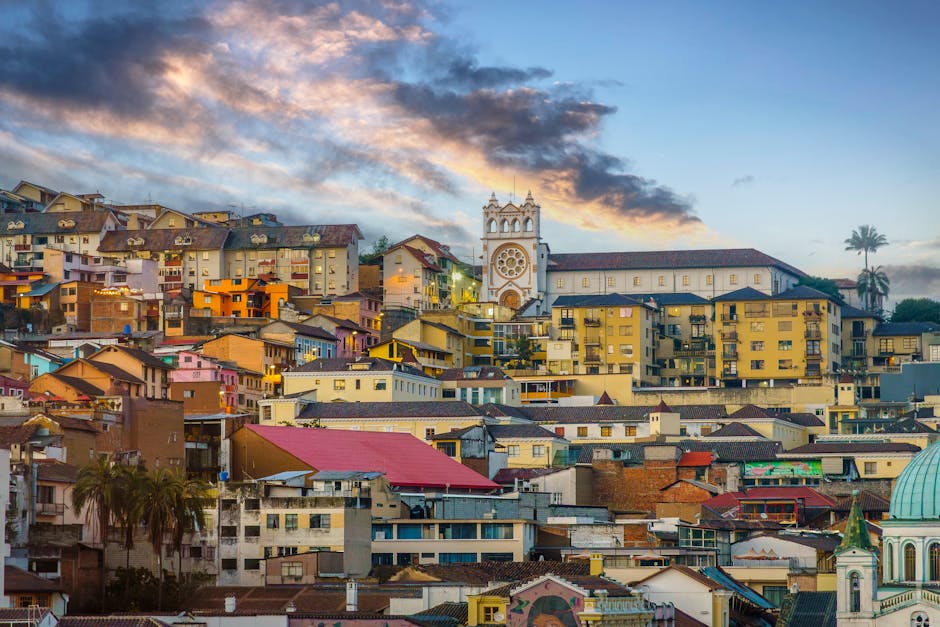
A rustic wooden door with potted plants on stairs against a stone wall in A…, Mananara-Nord, Madagascar
- Historic Architecture: The colonial-era lighthouse on Nosy Antafana, built in 1932, stands sentinel over the Bay of Antongil, a weathered monument to the region’s maritime history.
- Cultural Scene: The annual Vanilla Harvest Festival in July, where local growers celebrate the “green gold” with music, dancing, and the chance to learn the intricate hand-pollination process.
- Local Specialties: *Romazava*, a hearty beef and leafy green stew, is a national dish perfected here with locally foraged *brèdes mafana*, which create a unique tingling sensation on the tongue.
Pro Tip: Visit during the dry, cooler months from April to October. For the absolute best wildlife viewing with minimal rain, target September and October. Avoid January to March, when cyclones can disrupt travel and make park trails impassable.
Map of Mananara-Nord, Madagascar
Use these interactive maps to explore Mananara-Nord, Madagascar and plan your route:
📍 View Mananara-Nord, Madagascar on OpenStreetMap
🗺️ Open Mananara-Nord, Madagascar in Google Maps
Planning Your Trip: Practical Essentials
Getting There and Around
- By Air: Mananara Nord Airport (WMR) receives small propeller flights from Antananarivo via Tsaratanana Airlines. The flight takes about 2 hours. From the airstrip, a 30-minute *pousse-pousse* (rickshaw) or taxi-brousse ride gets you to town. Book flights at Skyscanner for best deals.
- By Train: There is no direct train service to Mananara-Nord. The national railway network does not extend to this remote northeastern coast.
- By Car: The RN5 road from Soanierana Ivongo is a legendary, rough 4×4-only track that can take 2-3 days in the dry season. A 4×4 rental with driver is essential. Compare car rentals at RentalCars.com for pick-up in Antananarivo.
- Local Transport: *Pousse-pousse* (rickshaws) rule the town streets (approx. 1,000-2,000 MGA per short trip). For longer distances, shared taxi-brousses (bush taxis) are the standard, albeit crowded, option. Boats are necessary for accessing the offshore islands and some park sections.
Best Time to Visit
The climate is tropical, with a hot, wet season and a cooler, dry season. Wildlife activity peaks in the dry season when animals congregate around water sources and trails are more accessible.
| Season | Weather | Highlights |
|---|---|---|
| Dry Season (Apr–Oct) | 22°C – 27°C (72°F – 81°F), low rainfall, sunny days | Optimal for trekking in the national park, whale watching (Jul-Sep), vanilla harvest; comfortable conditions. |
| Wet Season (Nov–Mar) | 25°C – 30°C (77°F – 86°F), heavy daily rain, high humidity, cyclone risk | Lush, green landscapes; however, many trails are flooded, transport is difficult, and some lodges close. |
| Shoulder (Apr/Oct-Nov) | Pleasant temperatures, sporadic showers | Good value, transitioning landscapes, fewer visitors than peak dry season; always pack a rain jacket. |
Budgeting for Mananara-Nord, Madagascar

Brick facade with arched windows and shadows in an old industrial building., Mananara-Nord, Madagascar
| Category | Budget | Mid-range | Luxury |
|---|---|---|---|
| Accommodation | 20,000 – 40,000 MGA (basic bungalow) | 80,000 – 150,000 MGA (comfortable lodge with meals) | 200,000+ MGA (full-board eco-lodge with guided activities) |
| Meals | 5,000 – 10,000 MGA (street food, *hotely*) | 15,000 – 30,000 MGA (restaurant meal) | 40,000+ MGA (multi-course lodge dinner) |
| Transport | 1,000 MGA (pousse-pousse), shared boat trips | Private 4×4 hire (150,000+ MGA/day), private boat charters | Private driver & boat for entire stay |
| Activities | Free beach walks, village visits | National Park guide fee (25,000 MGA/day + 55,000 MGA park permit) | Private night walks, multi-day island excursions |
| Daily Total | 40,000 – 70,000 MGA ($9-$16) | 150,000 – 300,000 MGA ($34-$68) | 400,000+ MGA ($90+) |
Top Attractions and Must-See Sights
| Attraction | Description | Hours | Entry Fee |
|---|---|---|---|
| Mananara-Nord National Park (Terrestrial) | A primary lowland rainforest sanctuary for indri, aye-aye, and tenrecs, with sacred lakes and dense trails. | Guided tours start at 7:00 AM & 2:00 PM | 55,000 MGA park permit + 25,000 MGA/day guide fee |
| Nosy Antafana (Marine Park) | An idyllic island with pristine coral reefs, a historic lighthouse, and nesting sites for seabirds. | Boat trips depart 8:00 AM, return by 5:00 PM | 10,000 MGA island landing fee + boat charter (approx. 150,000 MGA/group) |
| Vanilla Plantation Visit | Walk through shaded plantations to see the delicate hand-pollination of vanilla orchids and the curing process. | Visits by arrangement, typically 9:00 AM – 3:00 PM | 10,000 – 20,000 MGA per person for a guided tour |
| Anove Village & Lighthouse | A traditional Betsimisaraka village offering cultural immersion, followed by a hike to the panoramic lighthouse view. | Village accessible all day; hike best in morning | Small voluntary donation to village (5,000-10,000 MGA) |
3-Day Itinerary: Mananara-Nord, Madagascar’s Highlights & Hidden Gems
Day 1: Rainforest Immersion & Town Rhythms
- Morning (7:00 AM): Meet your certified park guide at the ANGAP office for a 4-hour terrestrial park trek. Your goal is to hear and spot families of indri. Wear sturdy shoes and leech socks.
- Afternoon (1:00 PM): Lunch on fresh grilled fish and rice at **Chez Nono**, a simple eatery by the port. Then, explore the bustling **main market**, where vendors sell spices, dried seafood, and vanilla beans.
- Evening (6:30 PM): Take a guided **night walk** (approx. 20,000 MGA) along the park periphery to search for nocturnal species like mouse lemurs and chameleons. Dine at your lodge on *romazava*.
Day 2: Island Escape & Marine Wonders
- Morning (8:00 AM): Charter a local pirogue or speedboat (group cost ~150,000 MGA) to **Nosy Antafana**. Spend the morning snorkeling the vibrant coral gardens—your best bet is to bring your own gear.
- Afternoon (12:30 PM): Enjoy a picnic lunch on the island’s white-sand beach before hiking up to the 1932 **lighthouse** for breathtaking views of the Bay of Antongil.
- Evening (6:00 PM): Back in town, savor a seafood platter at **La Pirogue Restaurant**. As night falls, stroll along the waterfront where local families gather.
Day 3: Culture & The Green Gold
- Morning (8:30 AM): Hire a *pousse-pousse* to **Anove village** (30-min ride). Tour the village with a local, learning about Betsimisaraka customs, before hiking to the hilltop lighthouse.
- Afternoon (1:00 PM): Return to town for a quick lunch. Then, visit a **local vanilla plantation** (arranged through your lodge) to witness the meticulous process behind the world’s second-most expensive spice.
- Evening (5:00 PM): For your final evening, buy some vanilla beans directly from a grower at the market as a souvenir. Enjoy a farewell drink watching the fishing pirogues return to harbor.
Cultural Insights & Etiquette
- Language: Malagasy is the official language. French is widely spoken in business. Learn a few phrases: *Manao ahoana* (Hello), *Misaotra* (Thank you), *Azafady* (Please/Excuse me).
- Customs: Always ask permission before taking photos of people. *Fady* (taboos) are taken very seriously; your guide will advise you on local ones, such as pointing at tombs.
- Tipping: Not mandatory but appreciated. For guides, 5,000-10,000 MGA per day is standard. For restaurant staff, rounding up the bill is sufficient.
- Dress Code: Modest dress is respected. Cover shoulders and knees, especially when visiting villages. Swimwear is only for the beach.
- Business Hours: Shops open early (7:00 AM) and close for a long lunch (12:00-2:00 PM), reopening until 5:00 PM. Government offices keep shorter hours.
Where to Eat: Mananara-Nord, Madagascar’s Best Bites
Dining here is a lesson in simplicity and freshness. You’ll find few formal restaurants; instead, look for small *hotelys* (local eateries) and lodge-based dining where the day’s catch and rice are the stars.
Must-Try Local Specialties
- Romazava: The national stew, a comforting blend of zebu meat, tomatoes, ginger, and local greens (*brèdes*). Try the authentic version at any local *hotely* or your lodge.
- Mofo Gasy: Sweet rice cakes cooked over charcoal, sold by street vendors in the morning. The perfect, cheap breakfast on the go.
- Fresh Grilled Fish: Often simply called *poisson grillé*, it’s typically tilapia or kingfish, served whole with a lime and chili sauce. Best enjoyed at the port-side shacks.
Restaurant Recommendations by Budget
| Type | Restaurant | Specialty | Price Range |
|---|---|---|---|
| Budget | **Market Stalls & Hotelys** (near the port) | Rice with various Malagasy side dishes (*laoka*) like beans or stew | 3,000 – 8,000 MGA |
| Mid-range | **Chez Nono** (Port area) | Reliable for fresh seafood and standard Malagasy plates in a simple setting | 10,000 – 20,000 MGA |
| Fine dining | **Lodge Restaurants** (e.g., Orchidée de Mananara) | Multi-course set menus featuring French-Malagasy fusion and the best local ingredients | 25,000 – 40,000 MGA |
Where to Stay
Accommodation ranges from very basic town guesthouses to comfortable eco-lodges on the outskirts or private islands. Most visitors find the best experience at lodges that include meals and help organize guides. Compare prices and book at Booking.com or Airbnb for apartments (limited availability).
Best Neighborhoods for Accommodation
- Mananara Town Centre: Offers basic guesthouses (like **Hotel Mananara**) close to the market and port. It’s noisy and bustling, but convenient for arranging last-minute boat trips. Best for budget travelers.
- Outskirts towards the National Park: Home to the better eco-lodges (like **Orchidée de Mananara**). You’ll be surrounded by nature, with easy park access, but will need transport to get to town.
- Nosy Antafana Island: For the ultimate escape, a single basic bungalow operation exists on the marine park island. This is for self-sufficient travelers seeking total isolation and incredible snorkeling from your doorstep.
Stunning view of historic European buildings by a river, Mananara-Nord, Madagascar
FAQs: Your Mananara-Nord, Madagascar Questions Answered
1. Is Mananara-Nord, Madagascar safe at night?
General petty crime exists. It’s advisable not to walk alone in unlit areas of town after dark. Within lodge compounds and on guided activities, you will feel very safe. Always use common sense: don’t flash valuables and keep your belongings secure.
2. What currency is used and are credit cards accepted?
The Malagasy Ariary (MGA) is the currency. Cash is king in Mananara-Nord. Very few, if any, establishments accept credit cards. There are a couple of ATMs in town, but they are unreliable. Savvy travelers bring enough cash in Ariary for their entire stay, exchanged in Antananarivo or Tamatave.
3. How do I get from the airport to the city center?
The airport is a simple airstrip. Upon arrival, you’ll find *pousse-pousse* drivers and the occasional taxi-brousse waiting for passengers. The ride into town takes about 30 minutes and costs around 10,000-15,000 MGA per vehicle. Your lodge may offer a pick-up service if arranged in advance.
4. Do I need to speak the local language?
You can manage with basic French. English is not widely spoken outside of a few guides at the national park office. Learning a few Malagasy greetings will earn you huge smiles and goodwill from locals.
5. What’s the appropriate dress code?
Explore More Destinations
- Jozani, Tanzania on a Budget: an Ancient Forest for $35/Day (2026)
- Nsumbu, Zambia on a Budget: Wild Africa for $40/Day (2026)
- Semporna, Malaysia on a Budget: Paradise for $35/Day (2026)
- Khuzestan, Iran on a Budget: Ancient Empires for $30/Day (2026)
- Ngerulmud, Palau on a Budget: Island Majesty for $45/Day (2026)
Ready to Visit Mananara-Nord?
Start planning your trip today. Compare hotels, find the best tours, and get insider tips.
Your adventure in Mananara-Nord starts here →
{“@context”: “https://schema.org”, “@type”: “FAQPage”, “mainEntity”: [{“@type”: “Question”, “name”: “What is the best time to visit Mananara-Nord?”, “acceptedAnswer”: {“@type”: “Answer”, “text”: “The best time to visit Mananara-Nord depends on your preferences. Generally, the dry season offers the most pleasant weather for sightseeing and outdoor activities.”}}, {“@type”: “Question”, “name”: “How many days do I need in Mananara-Nord?”, “acceptedAnswer”: {“@type”: “Answer”, “text”: “Most travelers spend 3-5 days in Mananara-Nord to see the main attractions. A week allows for a more relaxed pace and day trips.”}}, {“@type”: “Question”, “name”: “Is Mananara-Nord expensive to visit?”, “acceptedAnswer”: {“@type”: “Answer”, “text”: “Mananara-Nord can be visited on various budgets. Accommodation ranges from hostels to luxury hotels, and local restaurants offer affordable dining.”}}]}
Related Guides
Explore more destinations similar to Mananara-Nord:

