
Mbanza-Ngungu, Democratic Republic of the Congo: Ultimate Caves, Colonial History & Cool Mountain Air (2025)
While crowds flock to the bustling energy of Kinshasa, just 150 kilometers away, Mbanza-Ngungu delivers a breath of fresh, cool mountain air and a deep dive into pre-colonial history without the urban intensity. Perched at an elevation of 800 meters on the Bateke Plateau, the city offers a temperate climate where savvy travelers can explore the legendary caves of the Kongo people and walk among some of Central Africa’s oldest colonial-era railway relics, all within a single, surprisingly compact city.
Why Mbanza-Ngungu, Democratic Republic of the Congo Stands Out
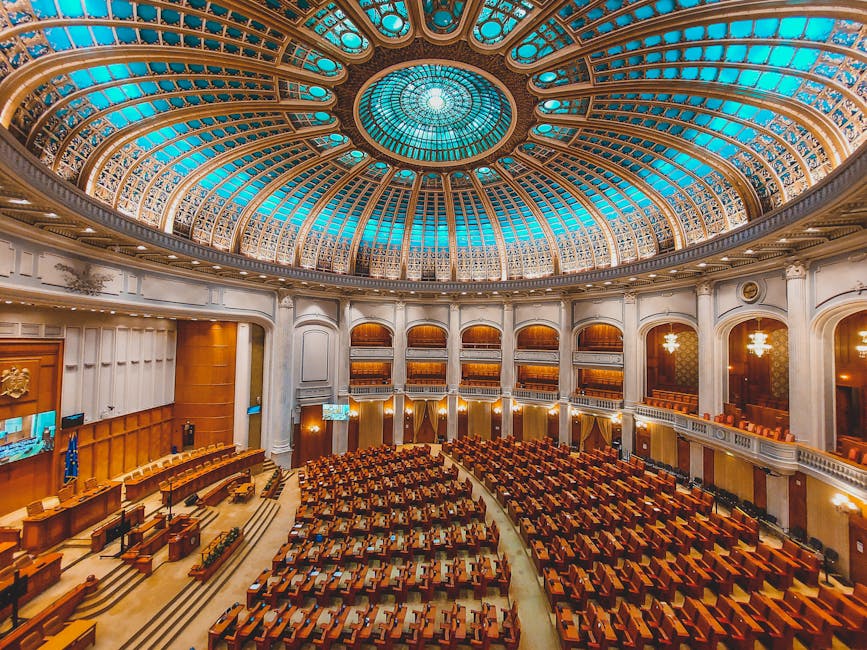
Vibrant interior of a parliament hall with a grand dome and intricate archi…, Mbanza-Ngungu, Democratic Republic of the Congo
- Historic Architecture: The iconic red-brick Matadi Railway Station, built in the 1890s as part of the monumental “Chemin de fer du Congo,” stands as a testament to the ambitious and often brutal colonial engineering that shaped the region.
- Cultural Scene: The annual commemoration of the Kongo Kingdom’s history, often centered around the Mbanza Ngungu Caves, features traditional storytelling, music, and dance that connect the present to a powerful pre-colonial past.
- Local Specialties: Don’t miss Liboke, a dish of fish or chicken steamed to perfection in a parcel of fragrant banana leaves with local herbs, peanuts, and spices—a culinary tradition with roots deep in Kongo culture.
Pro Tip: The absolute best time to visit is during the long dry season from June to September. The weather is pleasantly cool and sunny, making exploration of the caves and outdoor railway sites ideal, and the roads from Kinshasa are in their most reliable state.
Map of Mbanza-Ngungu, Democratic Republic of the Congo
Use these interactive maps to explore Mbanza-Ngungu, Democratic Republic of the Congo and plan your route:
📍 View Mbanza-Ngungu, Democratic Republic of the Congo on OpenStreetMap
🗺️ Open Mbanza-Ngungu, Democratic Republic of the Congo in Google Maps
Planning Your Trip: Practical Essentials
Getting There and Around
- By Air: You will fly into N’djili Airport (FIH) in Kinshasa. From there, the journey is by road. Book flights at Skyscanner for best deals.
- By Train: The historic Matadi-Kinshasa Railway line still runs, offering a scenic, if slow, journey. The trip from Kinshasa can take 6-8 hours. It’s an experience more than efficient transport. Reserve tickets directly at the station in Kinshasa (Gare de l’Est) as online booking is unreliable.
- By Car: The most common method is a private hire car or shared taxi from Kinshasa via the National Road 1. The 3-4 hour drive is scenic but requires a reliable vehicle and driver. Compare car rentals in Kinshasa at RentalCars.com, but hiring a local driver is highly recommended.
- Local Transport: Within Mbanza-Ngungu, moto-taxis (moto-kin) are the primary mode of transport for short trips, costing around 500-1000 CFC. For visiting sites outside the city center, negotiate a day rate with a taxi driver.
Best Time to Visit
Mbanza-Ngungu’s higher altitude gives it a more temperate climate than coastal Kinshasa. The key is to target the dry seasons for ease of travel and exploration.
| Season | Weather | Highlights |
|---|---|---|
| Long Dry Season (Jun–Aug) | Cool, sunny, 18-25°C (64-77°F). Almost no rain. | Perfect for caving and railway history tours. Peak travel conditions. Local festivals often occur. |
| Short Dry Season (Dec–Feb) | Warm, dry, 22-28°C (72-82°F). Pleasant but dustier. | Good for travel, though slightly hotter. A quieter time to visit with lush landscapes from prior rains. |
| Rainy Seasons (Mar–May/Sep–Nov) | Heavy rainfall, high humidity. Roads can become difficult. | Travel is challenging. The landscape is incredibly green, but cave visits may be restricted due to water levels. |
Budgeting for Mbanza-Ngungu, Democratic Republic of the Congo

American flag close-up with a person in a mask at an election event., Mbanza-Ngungu, Democratic Republic of the Congo
| Category | Budget | Mid-range | Luxury |
|---|---|---|---|
| Accommodation | $20-40/night (basic guesthouse) | $50-80/night (decent hotel with AC) | $100+/night (best available hotel in town) |
| Meals | $5-10 (street food, local eateries) | $10-20 (restaurant meal with drink) | $25+ (hotel restaurant dining) |
| Transport | $5-10/day (moto-taxis) | $30-50/day (private taxi for site-seeing) | $80+/day (private car & driver from Kinshasa) |
| Activities | $5-10 (cave entry, small guides) | $20-30 (guided historical tour) | $50+ (comprehensive private tour) |
| Daily Total | $35-65 | $110-180 | $255+ |
Top Attractions and Must-See Sights
| Attraction | Description | Hours | Entry Fee |
|---|---|---|---|
| Mbanza Ngungu Caves (Grotte de Mbanza Ngungu) | A vast network of limestone caves historically used for refuge and ceremonies by the Kongo Kingdom, featuring impressive stalactites. | Daylight hours; guide required | ~$5-10 + guide tip |
| Matadi Railway Station & Historic Locomotives | The beautifully aged station and surrounding area house abandoned steam locomotives from the late 19th century, silent monuments to colonial history. | Always viewable externally | Free (small tip for caretaker) |
| Christ-Roi Cathedral | The city’s central Catholic cathedral, a prominent landmark offering insight into the region’s missionary history and a quiet place for reflection. | Varies, generally daytime | Free |
| Local Market (Marché Central) | The bustling heart of daily life, where you can find everything from fresh produce and vibrant fabrics to local crafts and spices. | Early morning to late afternoon | Free (goods for purchase) |
3-Day Itinerary: Mbanza-Ngungu, Democratic Republic of the Congo’s Highlights & Hidden Gems
Day 1: Colonial Echoes & City Pulse
- Morning (7-9 AM): Start with a walk to **Christ-Roi Cathedral**. The morning light on its facade is beautiful, and you’ll see locals beginning their day. It’s a peaceful introduction to the city’s rhythm.
- Afternoon (12-3 PM): Hire a moto-taxi to the **Matadi Railway Station** area. Spend time photographing the hauntingly beautiful old steam engines. For lunch, head to **Restaurant Le Plateau** near the market for a hearty serving of *Poulet à la Moambé* (chicken in a rich palm nut sauce) with fufu for about $8.
- Evening (6-8 PM): Explore the **Marché Central** as the heat fades. Afterwards, enjoy dinner at **Chez Maman**, a local favorite known for its perfectly prepared *Liboke* (around $7).
Day 2: Depths of History & Culture
- Morning (8 AM): Arrange a guide (through your hotel or a local contact) for a visit to the **Mbanza Ngungu Caves**. The cost for a guide and basic entry is about $15-20. The descent into the cool, dark chambers, hearing stories of their use by the Kongo people, is unforgettable.
- Afternoon (1 PM): Return to town for a late lunch at **Snack Bar La Verdure**, trying the *Cossa Cossa* (sautéed caterpillars, a regional protein staple) if you’re adventurous, or stick with grilled fish. Budget $6-10.
- Evening (6 PM): A more relaxed evening. Enjoy a Primus beer at a local bar and simply observe daily life. For dinner, try **Hotel Mbanza Ngungu’s restaurant** for a reliable and comfortable meal.
Day 3: Scenic Vistas & Local Life
- Morning (9 AM): Hire a taxi for a half-day trip (approx. $30-40) to enjoy the **scenic viewpoints** on the Bateke Plateau. The rolling hills and cooler air are a stark contrast to the Congo basin.
- Afternoon (12 PM): Have a picnic lunch with supplies from the market or stop at a simple roadside eatery for *Beignets* (donuts) and brochettes.
- Evening (5 PM): Your final evening. Take a leisurely stroll through quieter residential streets. For a farewell dinner, return to **Restaurant Le Plateau** and order the grilled tilapia with plantains.
Cultural Insights & Etiquette
- Language: The official language is French, but Kikongo is widely spoken. Key phrases: “Mbote” (Hello in Kikongo), “Matondo” (Thank you), “Na zoba ve” (I don’t understand).
- Customs: Greetings are important. Always greet someone with a handshake and a polite “Bonjour” before asking questions or starting a transaction. Respect for elders is paramount.
- Tipping: Not universally expected but greatly appreciated. For guides, 10-15% is a good guideline. For small services (porters, moto-taxi helping with bags), 200-500 CFC is polite.
- Dress Code: Dress modestly. For both men and women, covering shoulders and knees is respectful, especially when visiting religious sites or rural areas. Smart-casual is fine for hotels.
- Business Hours: Shops generally open from 8 AM to 5 PM, often closing for a long lunch break (12-2:30 PM). Sunday is a day of rest, with most businesses closed.
Where to Eat: Mbanza-Ngungu, Democratic Republic of the Congo’s Best Bites
Dining here is about hearty, flavorful Congolese cuisine. You’ll find few international options, which is part of the charm. Meals are social, often centered around a shared main dish with side staples.
Must-Try Local Specialties
- Liboke: Fish, chicken, or prawns steamed with spices, onions, tomatoes, and sometimes peanuts in a banana leaf packet. The steaming process infuses incredible flavor. Best tried at **Chez Maman** or a family-run eatery.
- Poulet à la Moambé: Chicken simmered in a rich, red sauce made from moambé (palm nut pulp). It’s a national dish. **Restaurant Le Plateau** serves an excellent version.
- Fufu: A staple starch made from cassava flour, served as a doughy accompaniment to soak up sauces. You’ll find it with nearly every meal. The texture is an acquired delight.
Restaurant Recommendations by Budget
| Type | Restaurant | Specialty | Price Range |
|---|---|---|---|
| Budget | Snack Bar La Verdure (Market Area) | Grilled meats, Cossa Cossa, simple plates | $3-7 |
| Mid-range | Restaurant Le Plateau (Ave. de la Gare) | Poulet à la Moambé, grilled fish, full meals | $8-15 |
| Fine dining | Hotel Mbanza Ngungu Restaurant | The most formal setting in town, international/Congolese fusion | $15-25 |
Where to Stay
Accommodation in Mbanza-Ngungu is functional rather than luxurious. Your best bet is to focus on cleanliness, security, and reliable running water. Book well in advance, especially in the dry season. Compare prices and book at Booking.com or Airbnb for apartments, though local guesthouses may require direct contact.
Best Neighborhoods for Accommodation
- City Centre near Cathedral: The most convenient location for accessing restaurants, the market, and transport. You’ll find the main hotels here like Hotel Mbanza Ngungu. It’s lively and central.
- Quiet Residential Areas: Slightly outside the core, these areas offer more peace. You may find a family-run guesthouse here, but you’ll be more reliant on moto-taxis.

Young man in leather jacket posing outdoors near river and hills in Kinshasa., Mbanza-Ngungu, Democratic Republic of the Congo
FAQs: Your Mbanza-Ngungu, Democratic Republic of the Congo Questions Answered
1. Is Mbanza-Ngungu, Democratic Republic of the Congo safe at night?
General precautions are necessary. The city center is relatively calm. It’s advised to avoid walking alone at night; use a trusted moto-taxi or taxi even for short distances. Keep valuables discreet and stay in well-lit, populated areas. Always follow the advice of your hotel or local contacts.
2. What currency is used and are credit cards accepted?
The Congolese Franc (CFC) is the currency. US dollars are sometimes accepted for larger transactions (like hotel bills or tours) but must be in pristine, post-2006 bills. Credit cards are virtually useless in Mbanza-Ngungu. Your lifeline is cash. Bring enough USD to exchange locally, and use smaller denomination CFC for daily purchases.
3. How do I get from the airport to the city center?
You will fly into Kinshasa (FIH). From there, you need to arrange road transport to Mbanza-Ngungu. The most reliable method is to pre-arrange a private car and driver through a reputable tour operator or your hotel in Mbanza-Ngungu. The 3-4 hour journey costs approximately $80-150 one-way, depending on vehicle and negotiation. Book airport transfers at GetYourGuide for convenience, but confirm the operator specializes in DRC travel.
4. Do I need to speak the local language?
French is essential for basic communication. Very little English is spoken. Learning a few phrases in French and Kikongo (like greetings) will go a long way in showing respect and smoothing interactions. Having a local guide or fixer is highly beneficial for deeper exploration.
5. What’s the appropriate dress code?
Modest, practical, and breathable clothing is key. Pack light layers for the cool mornings and evenings. Sturdy, closed-toe shoes are
Explore More Destinations
- Jozani, Tanzania on a Budget: an Ancient Forest for $35/Day (2026)
- Nsumbu, Zambia on a Budget: Wild Africa for $40/Day (2026)
- Semporna, Malaysia on a Budget: Paradise for $35/Day (2026)
- Khuzestan, Iran on a Budget: Ancient Empires for $30/Day (2026)
- Ngerulmud, Palau on a Budget: Island Majesty for $45/Day (2026)
Ready to Visit Mbanza-Ngungu?
Start planning your trip today. Compare hotels, find the best tours, and get insider tips.
Your adventure in Mbanza-Ngungu starts here →
Related Guides
Explore more destinations similar to Mbanza-Ngungu:
- Nagpur, India’s Essential Oranges, Tigers & Ancient Temples (2026)
- Koh Trang, Thailand: Ultimate Pristine Reefs, Secluded Beaches & Authentic Island Life (2025)
- Ghardaïa, Algeria’s Best Ancient Architecture, Date Palms & Sahara Sunsets (2025)
- Cheboksary, Russia’s Hidden Chuvash Culture, Volga Views & Soviet-Era Splendor (2026)
{“@context”: “https://schema.org”, “@type”: “FAQPage”, “mainEntity”: [{“@type”: “Question”, “name”: “What is the best time to visit Mbanza-Ngungu?”, “acceptedAnswer”: {“@type”: “Answer”, “text”: “The best time to visit Mbanza-Ngungu depends on your preferences. Generally, the dry season offers the most pleasant weather for sightseeing and outdoor activities.”}}, {“@type”: “Question”, “name”: “How many days do I need in Mbanza-Ngungu?”, “acceptedAnswer”: {“@type”: “Answer”, “text”: “Most travelers spend 3-5 days in Mbanza-Ngungu to see the main attractions. A week allows for a more relaxed pace and day trips.”}}, {“@type”: “Question”, “name”: “Is Mbanza-Ngungu expensive to visit?”, “acceptedAnswer”: {“@type”: “Answer”, “text”: “Mbanza-Ngungu can be visited on various budgets. Accommodation ranges from hostels to luxury hotels, and local restaurants offer affordable dining.”}}]}

