
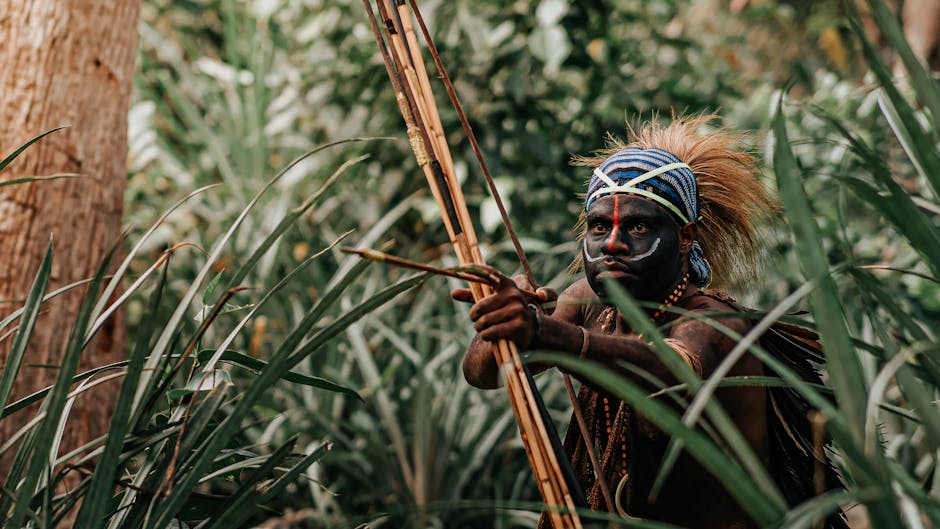
Rabaul, Papua New Guinea’s Best Volcanoes, WWII Relics & Island Culture (2025)
At dawn in Rabaul, the scent of damp volcanic ash mixes with frangipani as the twin peaks of Mount Tavurvur and Vulcan loom over Simpson Harbour. You hear the distant thrum of outboard motors as local banana boats head out, passing the rusting hulls of Japanese warships still visible in the bay. This is a town living in the shadow of immense natural power, where history is not in a museum but under your feet and all around you, a place where the earth itself is a restless, unforgettable character.
Why Rabaul, Papua New Guinea Stands Out

Tranquil coastal view featuring waves, lush greenery, and a vibrant sunset sky., Rabaul, Papua New Guinea
- Historic Architecture: The haunting, vine-covered remains of the Rabaul Hotel (built 1910), once the social hub of the South Pacific, stand as a monument to the town’s pre-war “Pearl of the Pacific” era.
- Cultural Scene: The annual Warwagira Festival in July, featuring the breathtaking Baining Fire Dance, where dancers perform in elaborate masks amidst blazing fires.
- Local Specialties: A steaming plate of *kokoda*, fresh local fish “cooked” in lime juice and coconut cream, best enjoyed with a view of the harbor.
Pro Tip: The dry season from May to October offers the best visibility for diving and clearest views of the volcanoes. For the most dramatic experience, visit the Rabaul Volcano Observatory early in the morning (around 7 AM) when the volcanic plumes are most visible against the rising sun and before any afternoon cloud cover rolls in.
Map of Rabaul, Papua New Guinea
Use these interactive maps to explore Rabaul, Papua New Guinea and plan your route:
📍 View Rabaul, Papua New Guinea on OpenStreetMap
🗺️ Open Rabaul, Papua New Guinea in Google Maps
Planning Your Trip: Practical Essentials
Getting There and Around
- By Air: Tokua Airport (RAB) is the main gateway, served by Air Niugini and PNG Air from Port Moresby. The airport is about a 45-minute drive from Rabaul town. Pre-arrange a transfer with your hotel or take a shared PMV (Public Motor Vehicle) for around 20 PGK. Book flights at Skyscanner for best deals.
- By Train: There are no passenger train services in Papua New Guinea. All long-distance travel is by air or sea.
- By Car: Renting a 4WD is highly recommended for exploring the area independently, given the road conditions. Expect to pay around 250-350 PGK per day. Local driving is on the left. Compare car rentals at RentalCars.com.
- Local Transport: The most common way to get around is via PMVs (shared minibuses) which follow set routes for about 2-3 PGK per trip. For more flexibility, hire a private taxi or a driver-guide for the day (approx. 200-300 PGK).
Best Time to Visit
Rabaul has a tropical climate, warm year-round with a distinct wet and dry season. The dry season (May to October) is universally considered the best time for exploration, hiking, and water activities.
| Season | Weather | Highlights |
|---|---|---|
| Dry Season (May–Oct) | 24-30°C (75-86°F), low humidity, minimal rain | Ideal for volcano viewing, diving, hiking, and festivals. Peak tourist season. |
| Wet Season (Nov–Apr) | 25-32°C (77-90°F), high humidity, daily heavy rainfall | Lush, green landscapes but travel can be disrupted. Fewer visitors. |
| Shoulder (Apr/Oct) | Transitional weather, occasional showers | A good balance of decent weather and slightly smaller crowds. |
Budgeting for Rabaul, Papua New Guinea

Portrait of a Papua tribesman wearing traditional costume under clear blue sky., Rabaul, Papua New Guinea
| Category | Budget | Mid-range | Luxury |
|---|---|---|---|
| Accommodation | Guesthouse: 100-180 PGK/night | Hotel: 250-500 PGK/night | Resort/Lodge: 600+ PGK/night |
| Meals | Market/Street Food: 15-30 PGK | Local Restaurant: 40-80 PGK | Hotel Restaurant: 100+ PGK |
| Transport | PMVs: 10-20 PGK/day | Taxi/Driver: 150-300 PGK/day | Private Car & Driver: 400+ PGK/day |
| Activities | Self-guided hikes, beaches | Volcano Tours: 150 PGK, Museum: 20 PGK | Private Boat/Dive Charters: 500+ PGK |
| Daily Total | 150-250 PGK | 500-800 PGK | 1200+ PGK |
Top Attractions and Must-See Sights
| Attraction | Description | Hours | Entry Fee |
|---|---|---|---|
| Mount Tavurvur Volcano | An active volcano you can hike (with a guide) for surreal views into its steaming crater and over the vast ash plains. | Guided tours at dawn or late afternoon | Guide Fee: ~150 PGK |
| Rabaul (Bita Paka) War Cemetery | A profoundly moving, impeccably maintained cemetery for over 1,100 Allied soldiers, telling the story of the fierce WWII campaign. | Daylight Hours | Free (Donations welcome) |
| Rabaul Volcano Observatory | The monitoring hub for the region’s volcanoes, with fascinating exhibits and the best vantage point to understand the caldera. | Mon-Fri, 8 AM – 4 PM | 20 PGK |
| Japanese Underground Tunnels (Tunnels of Raluana) | A labyrinth of tunnels and bunkers built by Japanese forces, some still containing wartime relics like rusting trucks. | Daylight Hours (Guide essential) | ~50 PGK with local guide |
3-Day Itinerary: Rabaul, Papua New Guinea’s Highlights & Hidden Gems
Day 1: Volcanoes & The Lost Town
- Morning (7-9 AM): Start at the Rabaul Volcano Observatory. Your best bet is to arrive early for clear views and a briefing on volcanic activity. Ask about the 1994 eruption that buried much of the town.
- Afternoon (12-3 PM): Explore the Japanese Tunnels at Raluana with a local guide (approx. 50 PGK). For lunch, head to Kaivuna Restaurant near the market for their superb grilled fish and rice (around 40 PGK).
- Evening (6-8 PM): Watch the sunset over Simpson Harbour from Namanula Hill. For dinner, try Hotel Rabaul‘s restaurant for a solid mix of local and international dishes in a historic setting.
Day 2: History, Diving & Ash Plains
- Morning (8 AM): A guided hike up Mount Tavurvur (150 PGK) – wear sturdy shoes and a mask for ash dust. The otherworldly landscape of the 1994 ash flow is unforgettable.
- Afternoon (1 PM): Visit the solemn Rabaul War Cemetery. Then, savvy travelers often head to Kokopo (a 30-minute drive) to visit the Kokopo War Museum (30 PGK), which houses an incredible collection of recovered WWII aircraft.
- Evening: Enjoy a relaxed dinner at a guesthouse like Rabaul Hotel, where you can share stories with other explorers.
Day 3: Island Culture & Coastal Relaxation
- Morning (8 AM): Take a banana boat (approx. 50 PGK per person) from Rabaul’s wharf to Duke of York Islands. The hour-long trip offers stunning caldera views.
- Afternoon: Explore the simple villages and pristine beaches of the islands. Arrange a simple lobster lunch with a local family (around 30-40 PGK). This is the slow-paced island life that defines the region.
- Evening: Your final night calls for a classic Rabaul sunset drink. The bar at the Gazelle International Hotel has the perfect deck. Don’t miss trying a local SP Lager.
Cultural Insights & Etiquette
- Language: Tok Pisin is the lingua franca. Key phrases: “Gude” (Hello), “Tenkyu” (Thank you), “Wanem nem bilong yu?” (What’s your name?). English is spoken in tourist areas but a few phrases go a long way.
- Customs: Always ask permission before taking photos of people. Respect “Tambu” (taboo) signs. When visiting villages, a small gift for the chief (like store-bought rice or sugar) is a appreciated gesture.
- Tipping: Not a traditional practice, but a small tip (5-10 PGK) for exceptional service or guides is gratefully received.
- Dress Code: Modesty is key, especially for women. Cover shoulders and knees when in towns and villages. Swimwear is only for the beach or resort pools.
- Business Hours: Shops generally open Mon-Fri 8 AM-5 PM, Sat 8 AM-1 PM. Most places are closed on Sunday. Be prepared for a relaxed “island time” pace.
Where to Eat: Rabaul, Papua New Guinea’s Best Bites
Dining in Rabaul is a lesson in fresh, simple ingredients. The volcanic soil and surrounding sea provide incredible produce and seafood. You’ll find most restaurants attached to hotels, with a few local gems in the market area.
Must-Try Local Specialties
- Kokoda: The national dish. Fresh reef fish “cooked” in lime juice and mixed with coconut cream, chili, and tomato. Find it at most hotel restaurants, especially Kaivuna.
- Mumu: A traditional feast where meat and vegetables are cooked in an underground oven with hot stones. You usually need to be invited to a village event to try it, but some tour operators can arrange a cultural experience.
- Sago Pancakes: A staple made from sago palm, often served for breakfast with tropical fruit. Try them at your guesthouse or the local market.
Restaurant Recommendations by Budget
| Type | Restaurant | Specialty | Price Range |
|---|---|---|---|
| Budget | Rabaul Market Stalls | Fresh fruit, fried fish & sweet potato | 5-20 PGK |
| Mid-range | Kaivuna Restaurant (Rabaul Town) | Grilled Barramundi, local curries | 35-70 PGK |
| Fine dining | The Restaurant at Gazelle International Hotel (Kokopo) | International cuisine with seafood focus, best wine list in the region | 80-150 PGK |
Where to Stay
Accommodation ranges from basic guesthouses in Rabaul town to more comfortable resorts in nearby Kokopo. Staying in Rabaul itself puts you in the heart of the history, while Kokopo offers more modern amenities and a coastal vibe. Compare prices and book at Booking.com or Airbnb for apartments.
Best Neighborhoods for Accommodation
- Rabaul Town Centre: The historic heart, walking distance to the market, tunnels, and harbor. Perfect for history buffs, but amenities are basic. Pros: Authentic, central. Cons: Limited upscale options.
- Kokopo: The modern provincial capital, a 30-minute drive from Rabaul. Offers the best resorts, restaurants, and is closer to good diving and beaches. Pros: More comfort and choice. Cons: You’ll need transport to Rabaul’s sights.
- Namanula Hill (Rabaul): The breezy ridge above town with stunning harbor views. Home to a few older guesthouses and the historic Bishop’s residence. Pros: Cool climate, epic views. Cons: Steep walks, fewer services.

Dancers in traditional Papuan attire performing under night lights in Jayapura, Rabaul, Papua New Guinea
FAQs: Your Rabaul, Papua New Guinea Questions Answered
1. Is Rabaul, Papua New Guinea safe at night?
Exercise common sense. Avoid walking alone at night, especially in dimly lit areas of Rabaul town. It’s best to take a taxi even for short distances after dark. Petty crime can occur. Your accommodation will give the best local advice. Kokopo is generally considered more relaxed in the evenings.
2. What currency is used and are credit cards accepted?
The currency is the Papua New Guinean Kina (PGK). Carry plenty of cash in small denominations, as credit cards are only accepted at larger hotels and a few restaurants in Kokopo. ATMs are available in Rabaul and Kokopo, but they can run out of cash or be offline, so don’t rely on them exclusively.
3. How do I get from the airport to the city center?
Tokua Airport is roughly 45 minutes from Rabaul and 20 minutes from Kokopo. There is no official taxi rank. Your best bet is to pre-arrange a transfer with your hotel (approx. 100-150 PGK). Alternatively, you can negotiate with a driver at the airport or take a shared PMV for about 20 PGK, though this can be confusing with luggage. Book airport transfers at GetYourGuide for convenience.
4. Do I need to speak the local language?
You can manage with English in hotels, tour operators, and main restaurants. However, learning a few phrases of Tok Pisin (like “Tenkyu” – Thank you) will delight locals and enrich your experience. In remote villages, a guide will be essential for translation.
5. What’s the appropriate dress code?
Dress modestly and for a hot, humid climate with potential for ash dust. Lightweight, loose-fitting clothing that covers shoulders and knees is ideal for general wear. Sturdy, closed-toe shoes are a must for volcano hiking. Don’t forget a hat, sunglasses, and a bandana or face mask for dusty conditions.
Final Thoughts: Rabaul, Papua New Guinea Awa
Explore More Destinations
- Jozani, Tanzania on a Budget: an Ancient Forest for $35/Day (2026)
- Nsumbu, Zambia on a Budget: Wild Africa for $40/Day (2026)
- Semporna, Malaysia on a Budget: Paradise for $35/Day (2026)
- Khuzestan, Iran on a Budget: Ancient Empires for $30/Day (2026)
- Ngerulmud, Palau on a Budget: Island Majesty for $45/Day (2026)
Ready to Visit Rabaul?
Start planning your trip today. Compare hotels, find the best tours, and get insider tips.
Your adventure in Rabaul starts here →
{“@context”: “https://schema.org”, “@type”: “FAQPage”, “mainEntity”: [{“@type”: “Question”, “name”: “What is the best time to visit Rabaul?”, “acceptedAnswer”: {“@type”: “Answer”, “text”: “The best time to visit Rabaul depends on your preferences. Generally, the dry season offers the most pleasant weather for sightseeing and outdoor activities.”}}, {“@type”: “Question”, “name”: “How many days do I need in Rabaul?”, “acceptedAnswer”: {“@type”: “Answer”, “text”: “Most travelers spend 3-5 days in Rabaul to see the main attractions. A week allows for a more relaxed pace and day trips.”}}, {“@type”: “Question”, “name”: “Is Rabaul expensive to visit?”, “acceptedAnswer”: {“@type”: “Answer”, “text”: “Rabaul can be visited on various budgets. Accommodation ranges from hostels to luxury hotels, and local restaurants offer affordable dining.”}}]}
Related Guides
Explore more destinations similar to Rabaul:

