
Lae, Papua New Guinea’s Incredible History, Highlands & Horticultural Riches (2025)
Ask locals about Lae, Papua New Guinea, and they’ll tell you about the vibrant, chaotic energy of the city’s main market, where over 800 different highland tribes converge to trade everything from giant marita fruit to hand-carved bilum bags. Most guidebooks miss this completely, focusing only on its industrial port. But here, you’ll find the true, beating heart of a nation, a crossroads of cultures where the scent of roasting sweet potato and the sound of a dozen different languages create an experience unlike any other in the South Pacific.
Why Lae, Papua New Guinea Stands Out

Tranquil coastal view featuring waves, lush greenery, and a vibrant sunset sky., Lae, Papua New Guinea
- Historic Architecture: The Lae War Cemetery, meticulously maintained by the Commonwealth War Graves Commission, is a profoundly moving testament to over 2,800 Allied soldiers who died in the New Guinea campaign during WWII.
- Cultural Scene: The annual Lae Agricultural Show in August transforms the city into a national celebration, with over 100 cultural groups performing traditional singsings and showcasing produce from across PNG’s diverse regions.
- Local Specialties: You must try a Mumu, a traditional feast where pork, sweet potato, and greens are slow-cooked with hot stones in an earth oven, creating uniquely smoky, tender flavors.
Pro Tip: Your best bet for a manageable and vibrant visit is during the drier months from May to October. Avoid the peak of the wet season (December to March), when heavy rains can disrupt road travel to the fascinating highland areas just outside the city. Plan your market visits for early morning (6-9 AM) when the air is cooler and the produce is freshest.
Map of Lae, Papua New Guinea
Use these interactive maps to explore Lae, Papua New Guinea and plan your route:
📍 View Lae, Papua New Guinea on OpenStreetMap
🗺️ Open Lae, Papua New Guinea in Google Maps
Planning Your Trip: Practical Essentials
Getting There and Around
- By Air: Lae is served by Nadzab Airport (LAE), located about 40km from the city center. Air Niugini and PNG Air operate regular flights from Port Moresby (50 mins) and other domestic hubs. Pre-book a hotel shuttle or a licensed taxi for the 45-minute drive into town (approx. PGK 100). Book flights at Skyscanner for best deals.
- By Train: Papua New Guinea has no passenger railway system. All long-distance travel is by air or road.
- By Car: The famous Highlands Highway begins in Lae, winding its way into the mountainous interior. Driving is on the left, but conditions can be challenging. Renting a car with a local driver is highly recommended. Compare car rentals at RentalCars.com.
- Local Transport: Public motor vehicles (PMVs – shared minibuses) are the main transport, following set routes for about PGK 2-5. Taxis are plentiful but always agree on a fare before getting in. There are no formal transport passes.
Best Time to Visit
Lae has a tropical rainforest climate—it’s warm and humid year-round, but rainfall varies dramatically. Savvy visitors target the drier season for easier exploration.
| Season | Weather | Highlights |
|---|---|---|
| Dry Season (May–Oct) | Warm, 24-32°C (75-90°F), lower humidity, less rain. | Best for road trips on the Highlands Highway, visiting the Botanical Gardens, and attending the Lae Show in August. Peak tourist season. |
| Wet Season (Dec–Mar) | Hot, 25-33°C (77-91°F), very high humidity, daily heavy downpours. | Lush, vibrant greenery. Fewer visitors, but travel disruptions are common. Some rural roads may become impassable. |
| Shoulder (Apr & Nov) | Transitional, with increasing or decreasing rainfall. | A good balance—you may experience some rain, but crowds are minimal and the landscape is beautifully green. |
Budgeting for Lae, Papua New Guinea

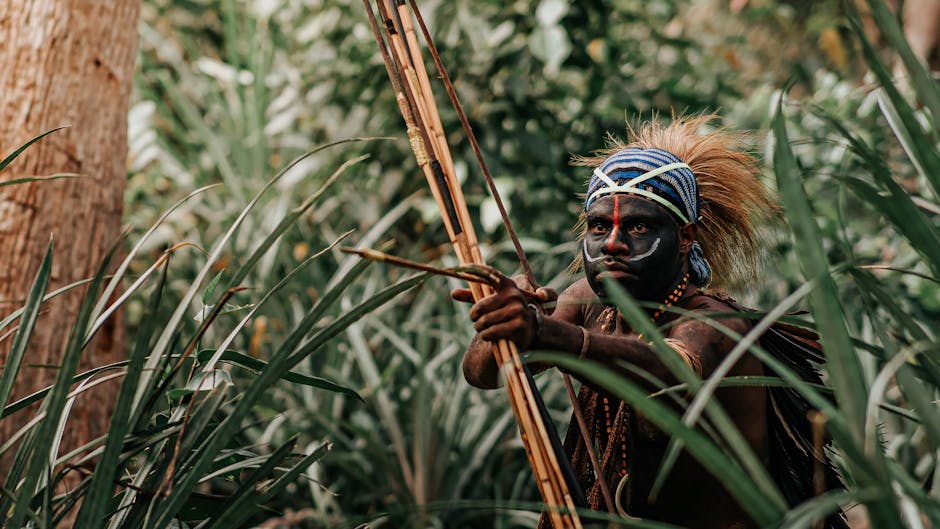
Portrait of a Papua tribesman wearing traditional costume under clear blue sky., Lae, Papua New Guinea
| Category | Budget | Mid-range | Luxury |
|---|---|---|---|
| Accommodation | PGK 150-250/night (basic guesthouse) | PGK 400-700/night (business hotel) | PGK 800+/night (top international hotel) |
| Meals | PGK 15-30 (market food, simple takeaway) | PGK 40-80 (restaurant meal with drink) | PGK 120+ (fine dining at hotel restaurant) |
| Transport | PGK 5-10/day (PMVs) | PGK 50-150/day (taxi for short trips) | PGK 300+/day (private car with driver) |
| Activities | Free (war cemetery, market browsing) | PGK 20-50 (museum entry, guided walk) | PGK 200+ (private cultural tour, flightseeing) |
| Daily Total | PGK 200-350 | PGK 550-1000 | PGK 1500+ |
Top Attractions and Must-See Sights
| Attraction | Description | Hours | Entry Fee |
|---|---|---|---|
| Lae War Cemetery | A serene and impeccably kept garden of remembrance for WWII Allied forces, offering profound historical perspective. | Dawn to Dusk | Free (donations welcome) |
| Lae Botanical Gardens | Explore 30+ hectares of tropical flora, including a stunning orchid collection and rainforest walks right in the city. | 8:00 AM – 4:00 PM, Mon-Sat | PGK 10 |
| Lae Main Market | The country’s largest produce market, a sensory overload of colors, smells, and cultures from every PNG province. | 6:00 AM – 5:00 PM, daily | Free |
| Morobe Showground & Museum | Home to the annual Agricultural Show; the small on-site museum details local history and the WWII Battle of Lae. | Museum: 9:00 AM – 3:00 PM (varies) | PGK 5 |
3-Day Itinerary: Lae, Papua New Guinea’s Highlights & Hidden Gems
Day 1: City Pulse & Historical Echoes
- Morning (7-9 AM): Dive straight into the heart of Lae at the **Main Market**. Go early to see the highland traders arrive and watch the day’s buzz begin. Your best bet is to try a simple breakfast of fresh tropical fruit like pawpaw or a sweet scone from a vendor.
- Afternoon (12-3 PM): Visit the solemn and beautiful **Lae War Cemetery**. Afterward, head to **Huon Gulf Museum** (check opening times) for context. For lunch, grab a table at **Lae International Hotel’s Cafe** for reliable local and international dishes like grilled barramundi (approx. PGK 55).
- Evening (6-8 PM): Enjoy a sundowner at a hotel overlooking the harbor, then have dinner at **The Melanesian Hotel’s restaurant**, known for its weekly seafood buffet (around PGK 120).
Day 2: Gardens, Culture & Local Flavors
- Morning (8 AM): Spend a few hours exploring the peaceful **Lae Botanical Gardens** (PGK 10). Don’t miss the orchid house and the marked trails through the secondary forest—a world away from the city bustle.
- Afternoon (1 PM): Visit the **Morobe Showground** to see if any cultural performances are scheduled. For lunch, seek out **Tasty Bite** near Top Town for fantastic, affordable Chinese-PNG fusion dishes like fried rice with chicken (PGK 25).
- Evening: Experience a traditional **Mumu feast** if one can be arranged through your hotel or a local tour operator—this requires advance booking. Alternatively, dine at **Raintree Restaurant** for a more upscale take on local ingredients.
Day 3: Highland Gateway & Artistic Finds
- Morning (7 AM): Hire a taxi or driver (approx. PGK 200-300 for half-day) for a short drive up the **Highlands Highway**. You’ll witness the dramatic landscape change and can stop at roadside stalls selling highland coffee and crafts. Visit **Buki Craft** for authentic, high-quality bilum bags and carvings.
- Afternoon: Return to Lae for a final lunch at **Lae Yacht Club**—a local institution with simple, hearty meals and views of the boats (burger & chips ~PGK 35).
- Evening: For your final night, enjoy a relaxed dinner and reflect on your journey. Pick up last-minute souvenirs of coffee or crafts from a reputable store like **Papua New Guinea Art** near the airport.
Cultural Insights & Etiquette
- Language: Tok Pisin is the lingua franca. English is widely spoken in business/tourism. Useful phrases: “Tenkyu” (Thank you), “Gude” (Hello), “Mi laik baiim dispela” (I would like to buy this).
- Customs: Always ask permission before taking photos of people. Respect is paramount. Avoid pointing with your finger; use your lips or chin to gesture. When giving or receiving, use your right hand.
- Tipping: Not a traditional practice, but a small gesture of appreciation (PGK 5-10) for exceptional service in hotels or on tours is warmly received.
- Dress Code: Modest dress is appreciated, especially for women. Avoid wearing shorts or revealing tops in villages or markets. “Business casual” is standard for nicer restaurants and hotels.
- Business Hours: Generally 8 AM to 4 PM for offices, 9 AM to 5 PM for shops. Many businesses close early on Friday afternoons. Sunday is a day of rest for most.
Where to Eat: Lae, Papua New Guinea’s Best Bites
Dining in Lae is an adventure in itself, from bustling market stalls to hotel restaurants catering to expats and business travelers. The local cuisine is a hearty mix of garden-grown vegetables (kaukau/sweet potato, taro, greens), fresh seafood from the Huon Gulf, and protein from chicken, pork, and fish. Don’t miss the chance to try food cooked in the traditional earth oven style.
Must-Try Local Specialties
- Mumu: The definitive PNG feast. Pork, sweet potato, pumpkin, and greens are layered with hot stones in a pit and covered with banana leaves to steam for hours. Best experienced at a cultural show or through a pre-arranged tour.
- Kokoda: PNG’s answer to ceviche. Fresh local fish (often Spanish mackerel) is “cooked” in lime juice and coconut cream, mixed with chili and onion. Find it at hotel buffets or the Lae Yacht Club.
- Roasted Market Fare: At the Main Market, look for vendors selling roasted kaukau (sweet potato) or corn. It’s cheap (PGK 2-5), delicious, and the ultimate local snack.
Restaurant Recommendations by Budget
| Type | Restaurant | Specialty | Price Range |
|---|---|---|---|
| Budget | Lae Main Market Stalls | Fresh fruit, roasted root vegetables, simple stir-fries. | PGK 5-15 |
| Mid-range | Lae Yacht Club | Relaxed pub-style meals, great kokoda and burgers with harbor views. | PGK 30-60 |
| Fine dining | The Melanesian Hotel – Signature Restaurant | Upscale international and PNG-inspired cuisine, extensive wine list. | PGK 80-150+ |
Where to Stay
Accommodation in Lae is primarily geared towards business travelers, so you’ll find a range of comfortable, functional hotels. The city center (Top Town) and the areas along the Markham Road are the most convenient. For a more local feel, some guesthouses offer basic but authentic stays. Compare prices and book at Booking.com or Airbnb for apartments.
Best Neighborhoods for Accommodation
- Top Town (City Centre): The commercial heart, close to banks, shops, and the main market. Convenient but can be noisy. Best for travelers who want to be in the middle of the action. (Hotels: Lae International Hotel).
- Along Markham Road: This main artery hosts several of the city’s major hotels in more spacious, compound-style settings. It offers a good balance of accessibility and relative tranquility. (Hotels: The Melanesian Hotel, Lae City Hotel).
- Voco Hotel Area (Formerly Lae Hotel): A bit further from the center but known for its lush gardens and resort-like atmosphere. Ideal for those seeking more relaxation and facilities like a pool.

Dancers in traditional Papuan attire performing under night lights in Jayapura, Lae, Papua New Guinea
FAQs: Your Lae, Papua New Guinea Questions Answered
1. Is Lae, Papua New Guinea safe at night?
Exercise a high degree of caution. Like many urban centers in PNG, Lae can have issues with crime. Your best bet is to avoid walking alone at night, especially in poorly lit areas. Use hotel-provided or pre-arranged taxis for evening transport, and do not display valuables. Stay within hotel compounds or well-known venues after dark.
2. What currency is used and are credit cards accepted?
The currency is the Papua New Guinea Kina (PGK). Credit cards (Visa/Mastercard) are widely accepted at major hotels, upscale restaurants, and larger stores. However, you must carry cash (smaller Kina notes) for markets, PMVs, taxis, and smaller vendors. ATMs are available in banks and shopping centers in Top Town.
3. How do I get from the airport to the city center?
Nadzab Airport (LAE) is 40km from Lae. The most reliable options are pre-booking a transfer through your hotel (approx. PGK 100-150) or taking a licensed taxi from the rank (agree on the fare first, expect PGK 80-120). There is no public bus service. The journey takes 45-60 minutes. Book airport transfers at GetYourGuide for convenience.
4. Do I need to speak the local language?
No. English is an official language and is spoken by anyone in the tourism, business, or government sectors
Related Guides
Explore more destinations similar to Lae:
- Jinja, Uganda (Source of the Nile): Essential Whitewater, Wildlife & Historic Wonders (2025)
- St. Petersburg, Russia’s Ultimate Palaces, Art & White Nights (2026)
- Turaif, Saudi Arabia: Hidden Ancient Rock Art, Desert Fortresses & Bedouin Heritage (2025)
- Kalibo, Philippines’s Best Festivals, Food & Gateway to Paradise (2026)
{“@context”: “https://schema.org”, “@type”: “FAQPage”, “mainEntity”: [{“@type”: “Question”, “name”: “What is the best time to visit Lae?”, “acceptedAnswer”: {“@type”: “Answer”, “text”: “The best time to visit Lae depends on your preferences. Generally, the dry season offers the most pleasant weather for sightseeing and outdoor activities.”}}, {“@type”: “Question”, “name”: “How many days do I need in Lae?”, “acceptedAnswer”: {“@type”: “Answer”, “text”: “Most travelers spend 3-5 days in Lae to see the main attractions. A week allows for a more relaxed pace and day trips.”}}, {“@type”: “Question”, “name”: “Is Lae expensive to visit?”, “acceptedAnswer”: {“@type”: “Answer”, “text”: “Lae can be visited on various budgets. Accommodation ranges from hostels to luxury hotels, and local restaurants offer affordable dining.”}}]}

