
Kerema, Papua New Guinea: Stunning Coastal Culture, Untamed Nature & Authentic Melanesian Life (2025)
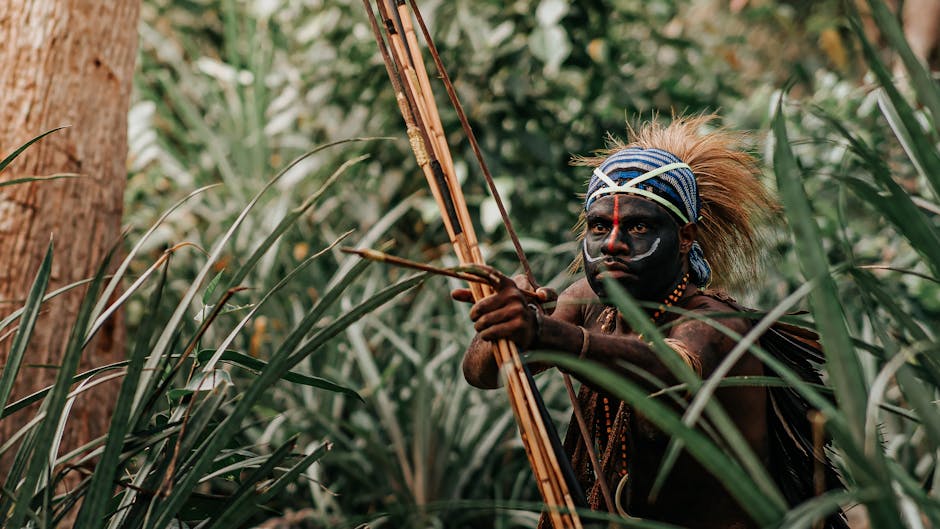
Ask locals about the Gulf Province, and they’ll tell you about Kerema’s legendary “singsing” performances, where over 500 dancers from 20 different clans gather in a spectacular, earth-shaking display of feathers, body paint, and ancestral song. Most guidebooks miss this completely, focusing instead on more accessible highlands destinations. Here, you’ll find a raw, unfiltered Papua New Guinea where the rhythms of village life sync with the tides of the Papuan Gulf.
Why Kerema, Papua New Guinea Stands Out

Tranquil coastal view featuring waves, lush greenery, and a vibrant sunset sky., Kerema, Papua New Guinea
- Historic Architecture: The Kerema District Administration Building, a classic example of pre-independence colonial architecture from the 1950s, stands as a quiet testament to the region’s administrative history.
- Cultural Scene: The annual Kerema Show, usually held in August, is a whirlwind of traditional “singsing” groups, canoe races, and vibrant bilum (string bag) markets that draws communities from across the province.
- Local Specialties: You must try “mumu,” a feast of pork, sweet potato, and greens slow-cooked in an underground oven with hot stones, often prepared for special community gatherings.
Pro Tip: Plan your visit for the dry season, roughly from May to October. The roads—what few paved ones exist—are more passable, and this period often coincides with major cultural festivals like the Kerema Show. Avoid the height of the wet season (December to March) when travel becomes exceptionally challenging.
Map of Kerema, Papua New Guinea
Use these interactive maps to explore Kerema, Papua New Guinea and plan your route:
📍 View Kerema, Papua New Guinea on OpenStreetMap
🗺️ Open Kerema, Papua New Guinea in Google Maps
Planning Your Trip: Practical Essentials
Getting There and Around
- By Air: Kerema is served by Kerema Airport (KMA), a small airstrip. Air Niugini and PNG Air operate flights primarily from Port Moresby (Jacksons International Airport), with the 45-minute flight offering stunning coastal views. Book flights at Skyscanner for best deals.
- By Train: Papua New Guinea has no passenger railway system. All long-distance travel is by air or road.
- By Car: The Hiritano Highway connects Kerema to Port Moresby, but this 200km journey is notoriously rough and can take 8+ hours; it’s only advisable in a robust 4WD during the dry season. Compare car rentals at RentalCars.com for Port Moresby pick-up.
- Local Transport: Within Kerema, travel is on foot or via PMVs (Public Motor Vehicles), which are shared minibuses or trucks. Fares are very cheap (PGK 2-5), but schedules are informal. For village visits, hiring a local boat is your best bet.
Best Time to Visit
Timing is everything in Kerema. The climate is tropical, with high humidity year-round. Savvy visitors target the drier, slightly cooler months for comfort and accessibility.
| Season | Weather | Highlights |
|---|---|---|
| Dry Season (May–Oct) | Warm, 25-30°C (77-86°F), lower humidity, less rainfall. | Ideal for festivals, village visits, and road travel; peak cultural activity period. |
| Wet Season (Dec–Mar) | Hot, 28-32°C (82-90°F), very high humidity, daily heavy rainfall. | Lush landscapes but travel disruptions are severe; many activities are inaccessible. |
| Shoulder (Apr & Nov) | Transitional, with building or tapering rains. | Potential for good weather with fewer visitors; a calculated risk that can pay off. |
Budgeting for Kerema, Papua New Guinea

Portrait of a Papua tribesman wearing traditional costume under clear blue sky., Kerema, Papua New Guinea
| Category | Budget | Mid-range | Luxury |
|---|---|---|---|
| Accommodation | PGK 80-150/night (basic guesthouse) | PGK 200-350/night (better local lodge) | PGK 400+/night (best available, often pre-arranged tours) |
| Meals | PGK 10-20 (market food, simple eateries) | PGK 25-50 (lodge restaurant meal) | PGK 70+ (arranged feasts or tour-inclusive dining) |
| Transport | PGK 5-10/day (PMVs) | PGK 100-200/day (private 4WD hire) | PGK 300+/day (private boat + vehicle charter) |
| Activities | Free (village walks, market visits) | PGK 50-100 (guided village tour, cultural show fee) | PGK 150+ (custom multi-day guided expeditions) |
| Daily Total | PGK 100-180 | PGK 375-700 | PGK 900+ |
Top Attractions and Must-See Sights
| Attraction | Description | Hours | Entry Fee |
|---|---|---|---|
| Kerema Market | The bustling heart of town, perfect for seeing fresh local produce, betel nut, and beautifully hand-woven bilums. | Daily, dawn to early afternoon | Free |
| Kerema Wharf & Coastal Walk | Watch dugout canoes and fishing boats come and go, with views across the Gulf; a great spot for sunset. | Always accessible | Free |
| Village Visit (e.g., Toare) | Arrange a guided visit to a nearby village to see stilt houses over the water and experience daily life. | By arrangement | PGK 20-50 (guide & gift) |
| Local Church Services | A profound cultural experience where vibrant Melanesian harmonies fill the air during Sunday worship. | Sunday mornings | Free (donation appreciated) |
3-Day Itinerary: Kerema, Papua New Guinea’s Highlights & Hidden Gems
Day 1: Immersion in Town Life
- Morning (7-9 AM): Start at the **Kerema Market** as it comes to life. Your best bet is to try some fresh tropical fruit like pawpaw and chat with the vendors. Bring small kina notes for purchases.
- Afternoon (12-3 PM): Walk to the **Kerema Wharf**. Watch the fishing activity, then have a simple lunch of fried fish and rice at one of the small stalls nearby. Afterwards, visit the **District Administration Building** to see its historic facade.
- Evening (6-8 PM): Enjoy the spectacular Papuan Gulf sunset from the wharf. For dinner, head to your lodge’s restaurant for a plate of local stewed meat and kaukau (sweet potato).
Day 2: Culture & Community
- Morning (8 AM): If it’s a Sunday, attend a **local church service**—the singing is unforgettable. Otherwise, arrange a **guided visit to Toare village** (approx. PGK 40 for guide + PGK 20 for a community gift). See the traditional stilt houses.
- Afternoon: Share a simple lunch in the village, perhaps taro and greens. Return to Kerema and visit a local **betel nut market** to understand this important social custom.
- Evening: If you’re lucky and a cultural performance is arranged, you might witness an impromptu **singsing**. Dinner at a local eatery like **Mama’s Kitchen** for a hearty plate of rice and chicken.
Day 3: The Natural Gulf
- Morning: Charter a local boat for a **trip along the coast** (approx. PGK 300 for half-day, negotiable). Your destination is a secluded **mangrove-lined creek** to spot birds and perhaps see traditional fishing methods.
- Afternoon: Have a picnic lunch on a quiet beach. On the return trip, your boatman might demonstrate how to throw a traditional fishing net.
- Evening: Your final night calls for a **mumu feast** if one can be arranged through your lodge (requires advance notice and PGK 80-120 per person). It’s a celebratory and delicious farewell.
Cultural Insights & Etiquette
- Language: Tok Pisin is the lingua franca. Key phrases: “Gude” (Hello), “Tenkyu” (Thank you), “Mi laik baim dispela” (I would like to buy this). English is understood in government and business settings.
- Customs: Always ask permission before taking photos of people. Respect is paramount; avoid pointing with your finger. When visiting villages, a small gift for the community leader (like store-bought rice or sugar) is a meaningful gesture.
- Tipping: Not a standard practice, but a sincere “Tenkyu tru” (Thank you very much) is appreciated. For exceptional guides, a small additional gift or payment is generous.
- Dress Code: Modest dress is crucial, especially outside town. Women should avoid shorts and sleeveless tops; men should also avoid going shirtless. A sarong is incredibly versatile.
- Business Hours: Government offices: 7:45 AM – 4 PM. Shops and markets operate from early morning until mid-afternoon. Sunday is a day of rest and church.
Where to Eat: Kerema, Papua New Guinea’s Best Bites
Dining in Kerema is about local, straightforward sustenance. You won’t find fine dining, but you will find hearty, fresh meals centered on fish, pork, root vegetables like kaukau and taro, and greens. Most eating happens at market stalls, simple cookhouses, or your lodge.
Must-Try Local Specialties
- Mumu: The ultimate celebratory dish. Pork, chicken, or fish is layered with sweet potatoes, greens, and bananas, wrapped in banana leaves, and cooked for hours with hot stones in a pit. Best experienced at a village feast.
- Fried Fish with Sago: Fresh catch from the Gulf, lightly fried, served with sago dumplings or pancakes. Find it at the wharf stalls in the late morning.
- Bully Beef & Rice: A ubiquitous and comforting staple, often served at lodges and cookhouses. It’s canned corned beef cooked into a savory stew.
Restaurant Recommendations by Budget
| Type | Restaurant | Specialty | Price Range |
|---|---|---|---|
| Budget | Market Stalls (Kerema Market) | Fresh fruit, fried fish, simple rice plates | PGK 5-15 |
| Mid-range | Kerema Guesthouse Restaurant | Set meals of protein, rice, and local vegetables | PGK 25-40 |
| Fine dining | Arranged Village Mumu | Full traditional underground oven feast (requires planning) | PGK 80-120+ |
Where to Stay
Accommodation is basic but functional. Options are limited, so booking ahead is essential, especially during festival times. Most places offer a room, shared facilities, and meals. Compare prices and book at Booking.com (for limited listings) or contact lodges directly via phone.
Best Areas for Accommodation
- Central Kerema (Town): Puts you within walking distance of the market, wharf, and PMV stops. This is your most practical base. Pros: convenience. Cons: can be noisy. Suits independent budget travelers.
- Lodges on Town Outskirts: Slightly quieter, often with more garden space. You’ll need to arrange transport or walk 10-15 minutes into town. Pros: more peaceful. Cons: less immediate access to amenities. Suits those seeking a little more tranquility.

Dancers in traditional Papuan attire performing under night lights in Jayapura, Kerema, Papua New Guinea
FAQs: Your Kerema, Papua New Guinea Questions Answered
1. Is Kerema, Papua New Guinea safe at night?
Exercise significant caution after dark. Violent crime, including robbery and assault, can occur. Your best bet is to stay within your lodge compound at night, avoid walking alone, and never display valuables. Always seek local advice from your accommodation host about current conditions.
2. What currency is used and are credit cards accepted?
The currency is the Papua New Guinean Kina (PGK). Carry ample cash in small denominations, as credit cards are virtually never accepted in Kerema. There are limited ATM services, and they are unreliable. Bring all the cash you think you’ll need from Port Moresby.
3. How do I get from the airport to the town center?
Kerema Airport is very close to town. Upon arrival, you can walk (10-15 minutes) or take one of the waiting PMV trucks for a few kina. Most lodges will arrange a pickup if contacted in advance. For seamless arrivals, pre-arrange your entire trip with a local tour operator.
4. Do I need to speak the local language?
You can manage with English in official settings, but knowing a few phrases of Tok Pisin will transform your experience. Locals are genuinely delighted when visitors make an effort. A simple “Gude” (Hello) and “Tenkyu” (Thank you) go a very long way in building rapport.
5. What’s the appropriate dress code?
Modest, cool, and casual. For men: knee-length shorts or lightweight trousers and t-shirts. For women: loose skirts or dresses below the knee, or trousers, with tops that cover the shoulders. This is respectful for village visits and town. Pack a hat, sunscreen, and sturdy sandals or shoes that can get muddy.
Final Thoughts: Kerema, Papua New Guinea Awaits
Kerema is not a destination of curated tourist trails or luxury comforts. It is a journey into the resilient, rhythmic heart of coastal Papua New Guinea. Here, you trade convenience for connection, and predictability for the profound authenticity of Melanesian community life. Travelers who venture here discover a place where every handshake, shared meal, and burst of song from a church carries weight and meaning. Your best bet is to come with patience, respect, and an open mind. Pack your sense of adventure more than anything else, and be prepared to experience a version of Papua New Guinea that few outsiders ever see—a place where the true wealth is found in its culture and people.

