
Lorengau, Papua New Guinea: Ultimate WWII History, Island Culture & Untouched Reefs (2025)
While crowds flock to Rabaul for its volcano, Lorengau on Manus Island delivers a profound, personal connection to WWII history amidst a living Melanesian culture. Here, you won’t find curated museums but rusting tanks reclaimed by jungle, and stories passed down by elders whose parents witnessed the Battle of Manus. For about $50 USD a day, you can explore poignant war relics, snorkel pristine coral gardens, and experience the slow, rhythmic pace of provincial capital life, a world away from the well-trodden paths of the South Pacific.
Why Lorengau, Papua New Guinea Stands Out

Tranquil coastal view featuring waves, lush greenery, and a vibrant sunset sky., Lorengau, Papua New Guinea
- Historic Architecture: The Lorengau WWII Memorial, centered on a restored 1944 Quonset hut, serves as a solemn gateway to understanding the island’s pivotal role in the Admiralty Islands campaign.
- Cultural Scene: The annual Manus Festival, usually held in August, is a vibrant explosion of *sing-sing* groups, traditional *kundu* drumming, and spectacular *bilas* (body adornment) that transforms the town.
- Local Specialties: You must try *mumu*, a feast of pork, sweet potato, and greens slow-cooked with hot stones in an earth oven, offering a uniquely smoky, communal dining experience.
Pro Tip: The absolute best time to visit is during the dry season, from May to October. Specifically, aim for late July or August to potentially coincide with the Manus Festival. Travelers often discover that the seas are calmest in September, making boat trips to outer islands like Lou for snorkeling exceptionally smooth.
Map of Lorengau, Papua New Guinea
Use these interactive maps to explore Lorengau, Papua New Guinea and plan your route:
📍 View Lorengau, Papua New Guinea on OpenStreetMap
🗺️ Open Lorengau, Papua New Guinea in Google Maps
Planning Your Trip: Practical Essentials
Getting There and Around
- By Air: Manus Island is served by Momote Airport (MAS), a 45-minute drive from Lorengau. Air Niugini operates flights from Port Moresby (POM). A pre-arranged transfer or PMV (Public Motor Vehicle) is essential for the airport transfer. Book flights at Skyscanner for best deals.
- By Train: There are no train services on Manus Island or connecting to it.
- By Car: Renting a car is not a common tourist practice. Your best bet is to hire a local driver/guide with a 4WD vehicle for day trips, as roads can be rough. Compare car rentals at RentalCars.com for options in Port Moresby if starting there.
- Local Transport: PMVs (open-backed trucks with benches) are the primary public transport. Fares within town are very low (2-5 PGK). For specific sightseeing, negotiate a price with a taxi driver for half or full-day hire.
Best Time to Visit
Lorengau has a tropical rainforest climate. The key distinction is between the wet and dry seasons, with the latter offering vastly more reliable conditions for exploration and transport.
| Season | Weather | Highlights |
|---|---|---|
| Dry Season (May–Oct) | Warm, 28-32°C (82-90°F), lower humidity, minimal rainfall. | Ideal for all outdoor activities, WWII site visits, and boat trips. Peak season for cultural festivals. Crowds are relative but this is busiest. |
| Wet Season (Dec–Mar) | Hot, 30-34°C (86-93°F), very high humidity, daily heavy downpours. | Lush, green scenery. Fewer visitors. However, roads can become impassable, boat trips are risky, and humidity is intense. Not recommended for first-time visitors. |
| Shoulder (Apr & Nov) | Transitional; warm with increasing or decreasing showers. | A good balance if you don’t mind some rain. You’ll find lower prices and have the sites largely to yourself, but festival timing is unlikely. |
Budgeting for Lorengau, Papua New Guinea

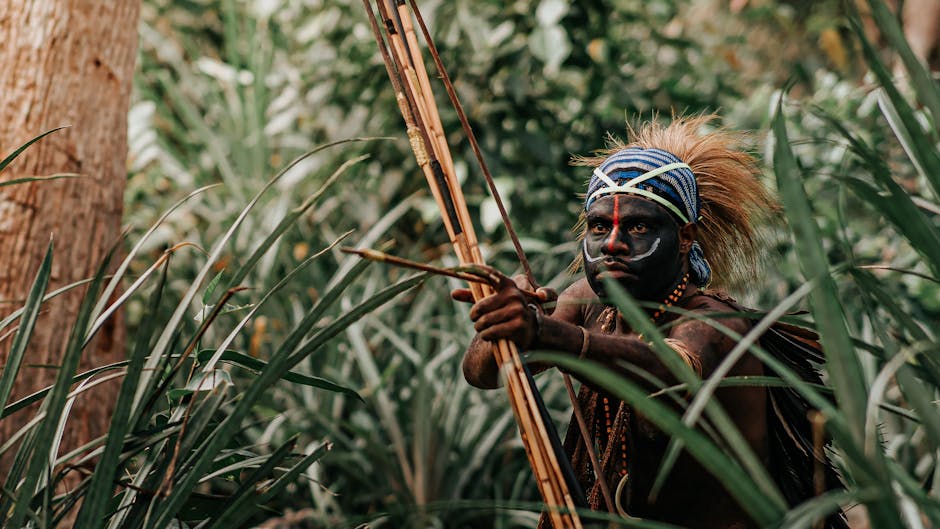
Portrait of a Papua tribesman wearing traditional costume under clear blue sky., Lorengau, Papua New Guinea
| Category | Budget | Mid-range | Luxury |
|---|---|---|---|
| Accommodation | Guesthouse: 80-150 PGK/night | Local Hotel/Lodge: 250-400 PGK/night | Limited true luxury; best lodge: 500+ PGK/night |
| Meals | Market food/street stall: 10-25 PGK | Local restaurant meal: 30-60 PGK | Hotel restaurant: 70-120 PGK |
| Transport | PMV rides: 2-5 PGK | Full-day taxi hire: 200-350 PGK | Private car & boat charter: 500+ PGK/day |
| Activities | War relics (free), town walk | Snorkel trip: 100-150 PGK, Guide for sites: 50-100 PGK | Custom multi-island boat tour |
| Daily Total | 150-250 PGK ($40-65 USD) | 400-700 PGK ($105-185 USD) | 1000+ PGK ($265+ USD) |
Top Attractions and Must-See Sights
| Attraction | Description | Hours | Entry Fee |
|---|---|---|---|
| Lorengau WWII Memorial & Museum | The central hub for history, featuring artifacts, photos, and a restored Quonset hut that sets the stage for exploration. | Mon-Fri 8am-4pm (check locally) | 10 PGK donation |
| American Tank & Japanese Guns | An M4 Sherman tank and Japanese coastal artillery pieces, left exactly where the fighting stopped, now eerily enveloped by jungle. | Daylight hours | Free |
| Lou Island Snorkeling | A boat ride away lies some of Manus’s most vibrant coral reefs, with clear waters teeming with tropical fish. | Day trips, weather dependent | Boat charter: 100-150 PGK pp |
| Lorengau Market | The bustling heart of daily life, where you can see fresh seafood, betel nut, local produce, and beautifully woven bilums (bags). | Early morning until mid-afternoon | Free |
3-Day Itinerary: Lorengau, Papua New Guinea’s Highlights & Hidden Gems
Day 1: History Immersed in Jungle
- Morning (7-9 AM): Start at the Lorengau Market for the freshest betel nut and tuna. Watch the town come to life. Grab a simple breakfast of sweet buns and local coffee from a stall.
- Afternoon (12-3 PM): Visit the Lorengau WWII Memorial (10 PGK). Then, hire a taxi (approx. 50 PGK one-way) to the American Tank site. Spend time reflecting at this powerful, overgrown relic. For lunch, head to J.J. Amusement & Restaurant near the market for a hearty plate of fried rice with local fish (around 25 PGK).
- Evening (6-8 PM): Enjoy a sunset stroll along the main wharf, watching the fishing boats return. Dine at your hotel or guesthouse, where a typical set meal of chicken, rice, and *aibika* (greens) will cost 40-60 PGK.
Day 2: Island Culture & Coastline
- Morning (7 AM): Arrange a boat trip to Lou Island the day before. A shared boat costs 100-150 PGK per person for the return trip. The 45-minute journey offers stunning views of the coast. Your best bet is to pack water and snacks.
- Afternoon (12-3 PM): Snorkel directly from the white sand beaches. The coral gardens here are pristine. After working up an appetite, if arranged, locals may prepare a simple beachside BBQ of fresh fish for an additional 30-50 PGK.
- Evening (6-8 PM): Back in Lorengau, savor your catch or try the Manus Seafood Restaurant for a more upscale seafood platter (around 70 PGK). Listen for the sound of *kundu* drums—sometimes there’s informal evening practice.
Day 3: Local Life & Hidden Relics
- Morning (8 AM): Hire a taxi for a half-day (200 PGK) to explore further afield. Visit the Japanese guns on the coast east of town, a less-visited site. Then, drive to a local village (always ask permission first via your driver) to see traditional stilt houses over the water.
- Afternoon (12-3 PM): Enjoy lunch at a small *kai* bar in town, like Lina’s Kitchen, for a authentic plate of chicken and kaukau (sweet potato) (20 PGK). Afterwards, visit the Provincial Government headquarters to see modern Manus architecture and its waterfront views.
- Evening (6-8 PM): For your final evening, head to the Sports Club if it’s open—a social hub where you can have a SP Lager (8 PGK) with locals. Enjoy a farewell dinner, perhaps trying the *mumu* if a group order is available at your lodge.
Cultural Insights & Etiquette
- Language: Tok Pisin is the lingua franca. Key phrases: “*Gude*” (Hello), “*Tenkyu*” (Thank you), “*Mi laik baim…*” (I would like to buy…). English is understood in government and business settings.
- Customs: Always ask permission before taking photos of people. Respect the concept of *tambu* (taboo)—if an area or object is marked or you’re told it’s off-limits, obey without question. Practice patience; things operate on “island time.”
- Tipping: Not a common practice, but a small gesture of thanks for exceptional service (10-20 PGK) is appreciated. For guides, rounding up the agreed fee is a good practice.
- Dress Code: Modesty is key. Women should avoid short shorts and revealing tops. Men should also dress respectfully. Swimwear is for the beach/boat only.
- Business Hours: Government offices: 7:45 AM–4 PM. Shops and markets open early (6-7 AM) and close by 5 PM. Many things are closed on Sunday.
Where to Eat: Lorengau, Papua New Guinea’s Best Bites
Dining in Lorengau is about hearty, simple sustenance. You’ll find a focus on fresh seafood, root vegetables like kaukau and taro, and greens. Most eateries are small, family-run *kai* bars or hotel restaurants. The experience is as much about the fresh ingredients as it is about the communal, relaxed setting.
Must-Try Local Specialties
- Mumu: The definitive feast. Pork, chicken, or fish is layered with vegetables in a pit with hot stones, covered with banana leaves and earth, and slow-cooked for hours. The result is incredibly tender, smoky meat. Best experienced at a village celebration or by special arrangement at a lodge.
- Fried Barramundi with Rice: A staple. The barramundi, a local fish, is often caught daily. It’s simply fried and served with a mound of rice and greens. You’ll find excellent versions at the Manus Seafood Restaurant and most hotel kitchens.
- Saksak: A traditional dessert or side made from sago palm starch. It has a gelatinous, pudding-like texture and is often steamed in banana leaves. Try it at the market or during a cultural show.
Restaurant Recommendations by Budget
| Type | Restaurant | Specialty | Price Range |
|---|---|---|---|
| Budget | Lorengau Market Stalls | Fresh fruit, fried snacks, simple rice plates | 5-20 PGK |
| Mid-range | J.J. Amusement & Restaurant (Town Center) | Chinese-PNG fusion, reliable fried noodles and seafood | 25-50 PGK |
| Fine dining | Manus Seafood Restaurant (Waterfront) | Grilled and fried local catch, better ambiance | 50-100 PGK |
Where to Stay
Accommodation in Lorengau is functional rather than luxurious. Your choices are primarily guesthouses and a few established lodges. The “town center” near the market and wharf is most convenient, while places on the outskirts offer more tranquility. Compare prices and book at Booking.com or Airbnb for apartments (very limited).
Best Neighborhoods for Accommodation
- Town Center (near Market & Wharf): The heart of the action. You’ll be within walking distance of markets, basic restaurants, and the main wharf. It can be noisy and busy during the day. Best for travelers who want maximum convenience and to immerse in daily rhythms.
- Hillside/Outskirts (e.g., towards the Airport Road): Offers quieter, often breezier locations with views. Requires transport (taxi/PMV) to get to town. This area suits visitors who prefer peace after a day of exploring and don’t mind arranging rides.
- Coastal Lodges (outside immediate town): A couple of lodges are situated on the coast a short drive away. These offer direct water access, better snorkeling, and a resort-like feel, though amenities are still basic by international standards. Ideal for those prioritizing relaxation and marine activities.

Dancers in traditional Papuan attire performing under night lights in Jayapura, Lorengau, Papua New Guinea
FAQs: Your Lorengau, Papua New Guinea Questions Answered
1. Is Lorengau, Papua New Guinea safe at night?
Lorengau is generally a quiet town. Basic precautions are essential: avoid walking alone in unlit areas at night, don’t display valuables, and stay in well-known parts of town after dark. Most crime is opportunistic. Your lodge or hotel can give the best local advice. Travelers often discover that being respectful and low-key is the best safety strategy.
2. What currency is used and are credit cards accepted?
The currency is the Papua New Guinea Kina (PGK). Cash is king in Lorengau. Very few places accept credit cards (only possibly the top hotel). You must withdraw enough cash in Port Moresby before flying to Manus, as ATMs in Lorengau are unreliable and may not accept foreign cards. Bring small denominations for market purchases.
3. How do I get from the airport to the city center?
Momote Airport (MAS) is on Los Negros Island, connected by a bridge to Manus Island proper
Related Guides
Explore more destinations similar to Lorengau:
- Stonehenge, UK: Essential Ancient Mysteries, Solstice Celebrations & Salisbury Plains (2025)
- Lake Victoria, Tanzania’s Hidden Fishing, Islands & Ancient Cultures (2025)
- St. George’s, Grenada: Best Caribbean Colors, Spice Markets & Historic Harbors (2025)
- Stunning Krakow Secrets’s Amazing 7 Best Places to Visit (2025)


Pingback: Tamuning, Guam Travel Guide: Best Things to Do & See (2026) - tangyOcean