
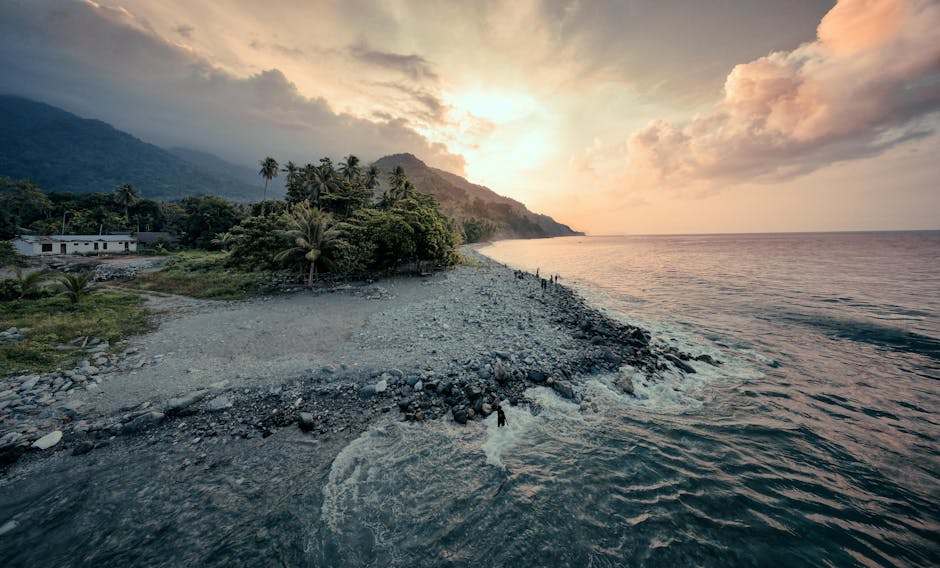
Manus Island, Papua New Guinea: Essential WWII Relics, Rainforests & Rare Coral Atolls (2025)
While crowds flock to the highlands of Papua New Guinea for cultural shows, Manus Island delivers a profound, untouched historical immersion without the tour buses. Here, you can stand on the silent, overgrown runways of a WWII airbase that once launched 800 planes a day, now reclaimed by jungle. The chatter is from hornbills, not guides, and the only queues are lines of hermit crabs crossing pristine white sand. This is the Pacific as it was, layered with stories few ever hear.
Why Manus Island, Papua New Guinea Stands Out
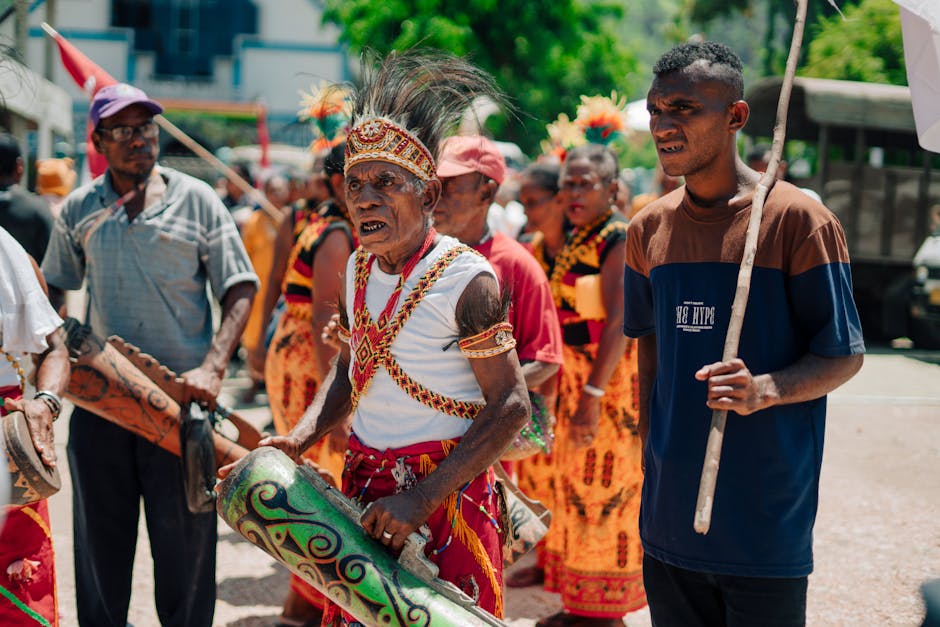
Vibrant cultural parade featuring traditional Papua costumes and instruments., Manus Island, Papua New Guinea
- Historic Architecture: The haunting, vine-draped ruins of the Lorengau WWII Japanese Hospital, built in 1942, stand as a silent monument to the island’s pivotal role in the Pacific War.
- Cultural Scene: Witness the vibrant energy of the annual Manus Province Show, where over 20 different island groups gather for traditional singsing performances, canoe races, and basket weaving competitions.
- Local Specialties: You must try Mumu, a celebratory feast where chicken, pork, and root vegetables are slow-cooked with aromatic greens in an underground oven lined with hot stones.
Pro Tip: The absolute best time to visit is during the dry season, from May to October. For the calmest seas essential for boat trips to outer atolls like Ponam, aim for the window between July and September. Avoid November through April, as heavy northwest monsoon rains can ground flights and make inter-island travel hazardous.
Map of Manus Island, Papua New Guinea
Use these interactive maps to explore Manus Island, Papua New Guinea and plan your route:
📍 View Manus Island, Papua New Guinea on OpenStreetMap
🗺️ Open Manus Island, Papua New Guinea in Google Maps
Planning Your Trip: Practical Essentials
Getting There and Around
- By Air: Momote Airport (MAS) on Los Negros Island is the main gateway, connected to Port Moresby (PMD) by Air Niugini. The flight takes about 90 minutes. A short vehicle transfer across the causeway brings you to Lorengau, the main town. Book flights at Skyscanner for best deals.
- By Train: There are no train services on Manus Island or connecting it to mainland PNG.
- By Car: Renting a car is not a common tourist option. Travel is primarily arranged through guesthouses via 4WD vehicles for specific land tours. For exploring independently in PNG’s capital first, compare car rentals at RentalCars.com.
- Local Transport: Transport is informal. Your accommodation will arrange boat hire for island trips (expect K300-K800/day depending on distance and boat size) and PMVs (public motor vehicles) for land travel. There are no formal schedules; everything operates on “island time.”
Best Time to Visit
Manus has a classic equatorial climate: consistently warm (26-32°C) but defined by rainfall patterns. Timing your visit with the dry season is crucial for accessing the island’s greatest treasures—its outer reefs and atolls.
| Season | Weather | Highlights |
|---|---|---|
| Dry Season (May–Oct) | Sunny, lower humidity, calm seas. Ideal for boating. | Best for diving, snorkeling, and visiting outer islands. Cultural shows often scheduled. Peak travel period. |
| Wet Season (Nov–Apr) | Heavy rainfall, high humidity, rough seas and strong NW winds. | Lush greenery, fewer visitors. Many boat trips are unsafe or cancelled. Travel can be disrupted. |
| Shoulder (May/Jun & Oct) | Transitional weather, generally good with occasional showers. | Good value, decent conditions. A smart choice to avoid the busier mid-dry season crowds. |
Budgeting for Manus Island, Papua New Guinea

Portrait of a Papua tribesman wearing traditional costume under clear blue sky., Manus Island, Papua New Guinea
| Category | Budget | Mid-range | Luxury |
|---|---|---|---|
| Accommodation | K150-250/night (basic guesthouse) | K350-600/night (comfortable lodge) | K800+/night (full-service dive resort) |
| Meals | K30-50 (market food, simple guesthouse meals) | K60-120 (restaurant meal with protein) | K150+ (resort dining, included packages) |
| Transport | PMV rides K5-10, walking | Chartered boat trips (split cost), arranged 4WD | Private boat & driver for full days |
| Activities | Beach visits, WWII ruin exploration (free) | Guided historical tour (K100), snorkeling trip (K150) | Multi-day liveaboard dive trips (K2000+/day) |
| Daily Total | K200-350/day | K600-1000/day | K2000+/day |
* K = Papua New Guinea Kina (PGK). Approx. 1 USD = 3.8 PGK.
Top Attractions and Must-See Sights
| Attraction | Description | Hours | Entry Fee |
|---|---|---|---|
| Lorengau WWII Historical Trail | A self-guided walk past Japanese gun emplacements, the old hospital, and Allied airstrips, all shrouded in jungle. | Daylight hours | Free |
| Ponam Island | A stunning coral atoll with a traditional stilt village, legendary for its master canoe builders and crystal-clear lagoon. | Access by boat (2-3hr trip) | Boat charter K500-800 |
| Baluan Island | Home to the active Mt. Baluan volcano and unique pottery traditions using special local clay. | Daylight hours | Free, but guide recommended |
| Manus Provincial Museum | A small but insightful collection of traditional shell money (Tambu), artifacts, and WWII relics found locally. | Mon-Fri 8am-4pm | K10 |
3-Day Itinerary: Manus Island, Papua New Guinea’s Highlights & Hidden Gems
Day 1: History & Lorengau
- Morning (7-9 AM): Start early with a walk along the Lorengau WWII Historical Trail. The cool morning light filters through the canopy onto the massive 140mm Japanese coastal gun near the hospital ruins. Bring insect repellent.
- Afternoon (12-3 PM): Visit the Manus Provincial Museum to contextualize the morning’s sights. For lunch, head to a local *kai* bar for a plate of fresh fried fish and rice (K25). Afterwards, stroll Lorengau Market to see baskets of betel nut, fresh tuna, and local produce.
- Evening (6-8 PM): Enjoy sunset views over Seeadler Harbour from the town wharf. Dine at your lodge or a simple restaurant like Liamo Reef Guesthouse, trying the grilled barramundi with kaukau (sweet potato).
Day 2: Island Escape to Ponam
- Morning (7 AM): Depart by chartered banana boat from Lorengau wharf (K600 for boat, split between 4-6 people). The 2.5-hour journey across open sea passes through brilliant blue water.
- Afternoon (12-3 PM): Arrive at Ponam Island. Snorkel directly from the dazzling white sand beach over vibrant coral gardens. A local family may prepare a fresh coconut crab lunch for your group (arrange in advance, ~K80 per person). Visit the stilt village and see the famed Ponam racing canoes.
- Evening (6 PM): Return to Lorengau by boat. For dinner, seek out a local Mumu if one is being prepared, or enjoy a simple meal at your accommodation, recounting the day’s adventures.
Day 3: Culture & Crafts
- Morning (8 AM): Take a PMV (K10) or arranged vehicle to the village of Mbuke Island (on the main island). Here, you can observe and purchase exquisite hand-woven baskets and bags made from pandanus.
- Afternoon (1 PM): Return to Lorengau for a late lunch. Then, take a short boat trip (K150) to nearby Los Negros Island to see the massive, crumbling remains of the WWII American-built “Lorengau Road” causeway and more dispersed wartime relics.
- Evening (6 PM): Your final evening calls for a sunset drink overlooking the harbour. If it’s a weekend, ask if there’s a local string band playing at a community hall—a perfect, authentic farewell to Manus.
Cultural Insights & Etiquette
- Language: Tok Pisin is the lingua franca. Key phrases: “Gude” (Hello), “Tenkyu” (Thank you), “Mi laik baim dispela” (I would like to buy this). English is understood in government and tourist areas.
- Customs: Always ask permission before taking photos of people or their homes. Respect “Tambu” areas (restricted or sacred sites). It’s polite to engage in small talk before getting straight to business.
- Tipping: Not a standard practice, but a small, discreet gift or extra payment for exceptional service (like a guided village walk) is greatly appreciated.
- Dress Code: Modesty is key. Wear knee-length shorts or skirts and cover shoulders, especially in villages. Swimwear is only for beaches/boats, not in towns.
- Business Hours: Shops and government offices typically operate Mon-Fri 8am-4pm, with a closure for lunch. Markets are busiest in the early morning. Everything slows on Saturday afternoon and Sunday.
Where to Eat: Manus Island, Papua New Guinea’s Best Bites
Dining on Manus is a lesson in simplicity and freshness. You won’t find fine-dining restaurants, but you will find incredibly fresh seafood, organic tropical fruits, and the rich, smoky flavors of earth-oven cooking. Most eating happens at guesthouse kitchens, local *kai* bars (simple food stalls), or from market vendors.
Must-Try Local Specialties
- Mumu: The ultimate feast. Pork, chicken, greens, and root veggies like taro and yam are layered with banana leaves in a pit with hot stones. The resulting meal is tender and infused with a unique smoky aroma. Best experienced at a village celebration arranged through your lodge.
- Fresh Tuna Sashimi: Incredibly fresh yellowfin tuna is often sliced and served raw with a squeeze of local lime and a touch of soy, a testament to the island’s Japanese history. Ask at the Lorengau Market or your boat captain.
- Saksak: A traditional pudding made from sago palm starch, often mixed with coconut milk and baked in banana leaves. It has a gelatinous, comforting texture and is a true staple food.
Restaurant Recommendations by Budget
| Type | Restaurant | Specialty | Price Range |
|---|---|---|---|
| Budget | Lorengau Market Stalls | Fried fish & chips, roast kaukau, fresh fruit. | K15-30 |
| Mid-range | Liamo Reef Guesthouse Restaurant (Lorengau) | Grilled local fish, chicken curry, and standard Western meals. | K40-80 |
| Fine dining | Jais Aben Resort Restaurant (near Momote) | The closest to upscale dining on the island, with a focus on seafood platters and steak. | K90-150 |
Where to Stay
Accommodation ranges from very basic guesthouses to a couple of comfortable lodges and one dedicated dive resort. Most are family-run, so advance booking is essential. Compare prices and book at Booking.com for some options, or contact lodges directly via email or phone as online listings can be sparse.
Best Neighborhoods for Accommodation
- Lorengau Town: The administrative center. You’ll find the most options for guesthouses (like Liamo Reef, Kimbe), easy access to the market, and PMV stops. It’s practical but not scenic. Best for independent travelers on a budget.
- Los Negros Island (near Momote Airport): Home to Jais Aben Resort, offering more comfort and a pool. It’s closer to some WWII sites and the airport but further from town, requiring transport for supplies or other activities.
- Outer Island Lodges: For a true escape, consider staying on a smaller island like Mbuke or Ponam in a basic village guesthouse. This offers deep cultural immersion and incredible access to reefs, but requires planning and flexibility.

Dancers in traditional Papuan attire performing under night lights in Jayapura, Manus Island, Papua New Guinea
FAQs: Your Manus Island, Papua New Guinea Questions Answered
1. Is Manus Island, Papua New Guinea safe at night?
Lorengau town is generally quiet after dark. As in any unfamiliar place, it’s wise not to walk alone at night, especially in unlit areas. Petty crime can occur. Your best bet is to stay within your lodge compound after dinner and use a torch if walking. Always secure your belongings. In villages, safety is less of a concern, but always respect local customs and curfews.
2. What currency is used and are credit cards accepted?
The currency is the Papua New Guinea Kina (PGK). Carry ample cash in small denominations. Credit cards are rarely accepted outside of Jais Aben Resort. There are ATMs in Lorengau (Bank South Pacific), but they can be unreliable or out of cash. Travel with enough kina from Port Moresby to cover your entire stay.
3. How do I get from the airport to the city center?
Momote Airport (MAS) is on Los Negros Island. Your pre-booked accommodation will almost always arrange a pickup (K50-K100). If not, you can negotiate with drivers at the airport for the 15-minute drive across the causeway to Lorengau. There is no formal taxi service or public bus. Book airport transfers at GetYourGuide for convenience if your lodge doesn’t offer.
4. Do I need to speak the local language?
You can manage with English in Lorengau, at lodges, and with tour operators. However, learning a few phrases in Tok Pisin (like “Gude” – Hello, “Tenkyu” – Thank you) will earn you huge smiles and open doors in villages. It shows respect and greatly enriches your interactions.
5. What’s the appropriate dress code?
Modest, casual, and practical. Pack lightweight, loose-fitting clothing that covers shoulders and knees for village
{“@context”: “https://schema.org”, “@type”: “FAQPage”, “mainEntity”: [{“@type”: “Question”, “name”: “What is the best time to visit Manus Island?”, “acceptedAnswer”: {“@type”: “Answer”, “text”: “The best time to visit Manus Island depends on your preferences. Generally, the dry season offers the most pleasant weather for sightseeing and outdoor activities.”}}, {“@type”: “Question”, “name”: “How many days do I need in Manus Island?”, “acceptedAnswer”: {“@type”: “Answer”, “text”: “Most travelers spend 3-5 days in Manus Island to see the main attractions. A week allows for a more relaxed pace and day trips.”}}, {“@type”: “Question”, “name”: “Is Manus Island expensive to visit?”, “acceptedAnswer”: {“@type”: “Answer”, “text”: “Manus Island can be visited on various budgets. Accommodation ranges from hostels to luxury hotels, and local restaurants offer affordable dining.”}}]}
Related Guides
Explore more destinations similar to Manus Island:

