
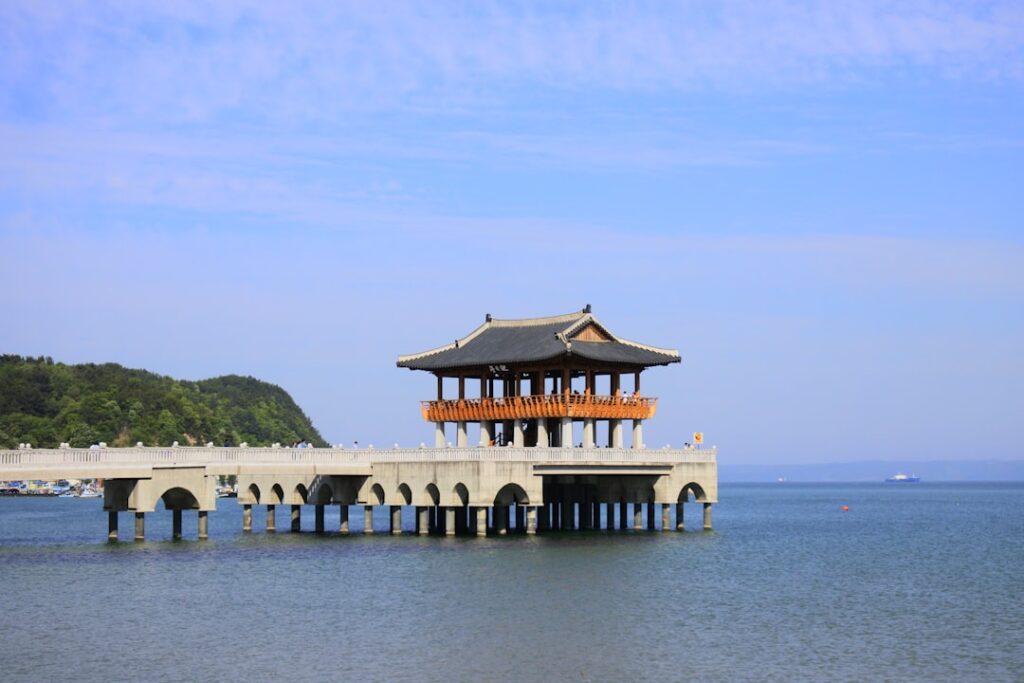
Pohang, South Korea’s Incredible Steel, Sea & Sunrise Spectacles (2025)
While crowds flock to Busan for its beaches, Pohang, South Korea delivers raw, industrial-meets-coastal majesty without the tourist throngs. Here, the world’s largest steel mill, POSCO, casts an otherworldly glow over the night sea, while just kilometers away, you can stand at the continent’s first sunrise point. This is a city where powerful machinery and peaceful temples coexist, offering a uniquely Korean narrative of resilience and beauty that savvy travelers are just beginning to discover.
Why Pohang, South Korea Stands Out

Green tree under blue sky during daytime, Pohang, South Korea
- Historic Architecture: The 9th-century Bogyeongsa Temple, nestled in the folds of Mt. Naeyeonsan, is a serene complex of halls and a stunning three-tier pagoda, famous for its 12 waterfalls.
- Cultural Scene: The Pohang International Fireworks Festival in July transforms Guryongpo Beach into a canvas of light, synchronized to music over the East Sea.
- Local Specialties: You must try *Guryongpo Gwamegi* (half-dried Pacific herring), a pungent, flavorful specialty cured in sea wind, best eaten with *makgeolli* (rice wine).
Pro Tip: For the iconic Homigot Sunrise, arrive at Homigot Cape by 5:30 AM (check sunrise times) at least 90 minutes early on New Year’s Day to secure a spot among thousands. For a crowd-free experience, visit any other weekday in October or November for equally stunning views.
Map of Pohang, South Korea
Use these interactive maps to explore Pohang, South Korea and plan your route:
📍 View Pohang, South Korea on OpenStreetMap
🗺️ Open Pohang, South Korea in Google Maps
Planning Your Trip: Practical Essentials
Getting There and Around
- By Air: Pohang Airport (KPO) has limited domestic flights from Seoul Gimpo. Your best bet is flying into Daegu or Busan and taking a bus/train. Book flights at Skyscanner for best deals.
- By Train: KTX high-speed trains from Seoul Station to Pohang Station take about 2 hours. Regular *Mugunghwa* trains are slower but cheaper. Reserve tickets at Trainline or the national railway website.
- By Car: Driving from Busan takes about 1.5 hours via Expressway 65. Rental is ideal for visiting coastal sites like Homigot. Compare car rentals at RentalCars.com.
- Local Transport: City buses (₩1,300 per ride) cover most areas, but intervals can be long. Taxis are affordable; a cross-town trip costs ₩10,000-15,000. For efficiency, use KakaoMap or Naver Map apps.
Best Time to Visit
Pohang shines brightest in the crisp, clear shoulder seasons. Summers are vibrant but humid, while winters are cold and windy, offering a dramatic, solitary coastal experience.
| Season | Weather | Highlights |
|---|---|---|
| Summer (Jun–Aug) | 22°C – 30°C (72°F – 86°F), humid with monsoon rains in July | Beach season, International Fireworks Festival (July), bustling night markets. Crowded. |
| Winter (Dec–Feb) | -2°C – 7°C (28°F – 45°F), cold & windy, rare snow | Spectacular, uncrowded New Year’s sunrise at Homigot, hearty seafood stews. Bundle up. |
| Shoulder (Apr–May/Sep–Oct) | 12°C – 24°C (54°F – 75°F), mild and sunny | Perfect hiking weather at Bogyeongsa, pleasant coastal walks, ideal photography conditions. |
Budgeting for Pohang, South Korea
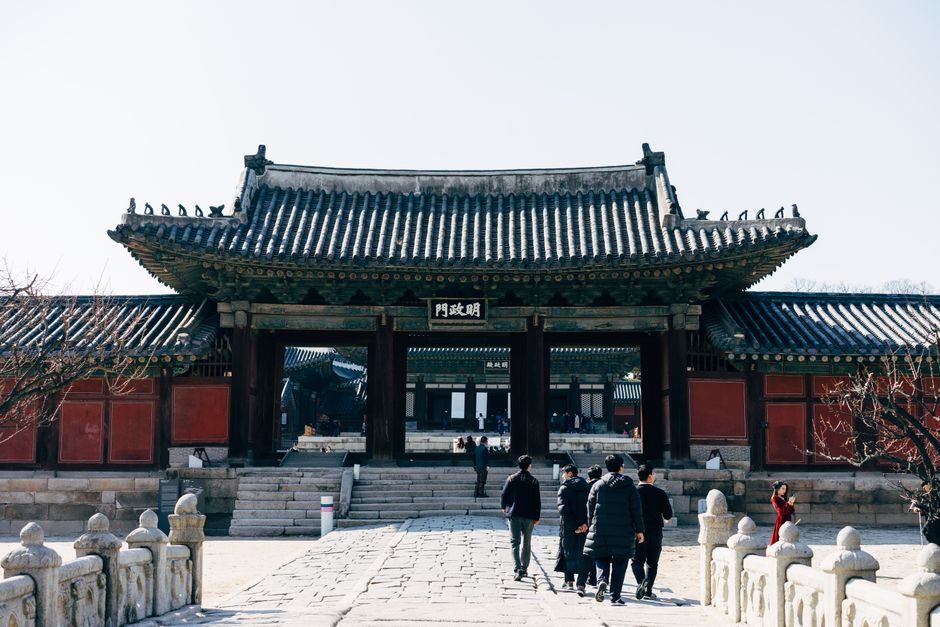
Visitors exploring the ancient Gyeongbokgung Palace in Seoul’s cultural heart., Pohang, South Korea
| Category | Budget | Mid-range | Luxury |
|---|---|---|---|
| Accommodation | ₩40,000-₩70,000 (hostel/guesthouse) | ₩80,000-₩150,000 (3-4* business hotel) | ₩200,000+ (beachfront resort/spa) |
| Meals | ₩6,000-₩10,000 (street food, kimbap) | ₩15,000-₩30,000 (restaurant meal with *gwamegi*) | ₩50,000+ (fine-dining hanwoo beef) |
| Transport | ₩5,000 (daily bus pass) | ₩30,000 (day of taxi trips) | ₩80,000+ (private car rental with driver) |
| Activities | Free (temples, beaches, sunrise) | ₩10,000 (museum entry, cable car) | ₩50,000 (private temple stay program) |
| Daily Total | ₩50,000-₩85,000 (~$40-65) | ₩135,000-₩220,000 (~$100-170) | ₩380,000+ (~$290+) |
Top Attractions and Must-See Sights
| Attraction | Description | Hours | Entry Fee |
|---|---|---|---|
| Homigot Cape | Home to the iconic “Hands of Harmony” sculpture and Korea’s first New Year’s sunrise. | Open 24/7 | Free |
| Bogyeongsa Temple | A historic Buddhist temple complex famous for its serene valley and 12 waterfall hike. | Sunrise – Sunset | ₩3,000 |
| POSCO Steelworks (Night View) | The glowing, labyrinthine industrial complex offers a breathtaking, surreal nightscape. | Best after dark | Free (view from Yeongildae Beach) |
| Pohang Space Walk | A massive, 727-meter-long steel sculpture on a hillside offering panoramic city views. | Open 24/7, lit at night | Free |
3-Day Itinerary: Pohang, South Korea’s Highlights & Hidden Gems
Day 1: Coastal Icons & Industrial Wonders
- Morning (5:30 AM): Sunrise at **Homigot Cape**. Stand between the sea and the giant hand sculptures. Grab a warming *hotteok* (sweet pancake) from a vendor.
- Afternoon (12:00 PM): Explore **Jukdo Market**, Pohang’s largest fish market. For lunch, head to **Guryongpo Gwamegi Street** and try a *gwamegi* set menu at **Samsinho** for about ₩20,000.
- Evening (7:00 PM): Witness the breathtaking **POSCO Steelworks night view** from Yeongildae Beach. Then, enjoy fresh seafood barbecue at **Yeongilman Sujebi** near the pier.
Day 2: Temple Serenity & Urban Art
- Morning (9:00 AM): Take a bus (₩1,800, 40 mins) to **Bogyeongsa Temple** (₩3,000 entry). Hike the trail past the waterfalls; the hike to the highest one takes about 2.5 hours round-trip.
- Afternoon (1:30 PM): Lunch on temple cuisine at the onsite restaurant. Return to the city and visit the **Pohang Museum of Steel Art** to understand the city’s heart (Free, closed Mondays).
- Evening (6:30 PM): Walk the illuminated **Pohang Space Walk** for a stunning cityscape. Descend to the **Jukdo Market night street** for *ssiat hotteok* (seed pancakes) and *tteokbokki*.
Day 3: Island Escape & Local Flavors
- Morning (9:00 AM): Take a taxi to **Janggi Port** (₩15,000) and catch a 10-minute ferry to **Odo Island** (₩3,000 round-trip). Rent a bike (₩5,000) to explore its coastal roads and tiny villages.
- Afternoon (12:30 PM): Feast on island-caught raw fish (*hoe*) at a portside restaurant like **Odo Hoe Center**. Return to the mainland and visit the tranquil **Guryongpo Modern History Street**.
- Evening (7:00 PM): For your final dinner, savor Pohang’s famous **Daewang Kalguksu** (knife-cut noodle soup) at the legendary **Pohang Kalguksu Alley**. End with a stroll along the revitalized **Youngilman Port**.
Cultural Insights & Etiquette
- Language: Learn *Annyeonghaseyo* (Hello), *Gamsahamnida* (Thank you), and *Juseyo* (Please give). In markets, point and ask *Eolmayeyo?* (How much?).
- Customs: Receive items with two hands. Avoid writing names in red ink. When visiting temples, dress modestly and bow slightly to monks.
- Tipping: Not expected or practiced in taxis, restaurants, or hotels. A simple thank you is perfect.
- Dress Code: Casual but neat. Have a light jacket for breezy coasts and comfortable shoes for temple hikes.
- Business Hours: Most shops open 10 AM-8 PM. Major attractions open 9 AM-6 PM. Many restaurants close between 3-5 PM. Banks and offices close on weekends.
Where to Eat: Pohang, South Korea’s Best Bites
Pohang’s cuisine is dominated by the East Sea. Dining is hearty, communal, and centered around ultra-fresh seafood. Don’t be shy to point at what you want in the market halls.
Must-Try Local Specialties
- Guryongpo Gwamegi: This half-dried herring is an acquired taste, best paired with sliced radish, garlic, and *makgeolli*. Find it on Guryongpo Gwamegi Street.
- Pohang Daewang Kalguksu: Thick, chewy knife-cut noodles in a rich, savory anchovy or chicken broth, often served with seafood. The dedicated alley downtown is the place to go.
- Mulhoe: A refreshing, spicy cold soup with raw fish, vegetables, and *naengmyeon* noodles, perfect for a summer lunch. Try it at Jukdo Market.
Restaurant Recommendations by Budget
| Type | Restaurant | Specialty | Price Range |
|---|---|---|---|
| Budget | Jukdo Market Food Stalls | Fresh *hoe* (sashimi) plates, *tteokbokki*, *hotteok* | ₩5,000 – ₩15,000 |
| Mid-range | Samsinho (Guryongpo) | Authentic *Gwamegi* set menus with all the fixings | ₩20,000 – ₩35,000 per person |
| Fine dining | Ilsung Jungwon | Elegant Korean course meals (*hanjeongsik*) with local ingredients | ₩50,000+ per person |
Where to Stay
Accommodation in Pohang is functional rather than luxurious, with a focus on business hotels. For atmosphere, look near the port or beaches. Compare prices and book at Booking.com or Airbnb for apartments.
Best Neighborhoods for Accommodation
- Pohang Station Area: Convenient for train arrivals, packed with business hotels (like Lotte City Hotel Pohang) and eateries. Best for transport links but less scenic.
- Yeongilman Port/Jukdo Market Area: The historic heart. You’ll find older hotels and lively markets outside your door. Ideal for foodies and a local vibe.
- Homigot/Yeongildae Beach Area: For sunrise chasers and beach lovers. Options range from resorts to pensions (family-run B&Bs). Requires a car or taxi for city exploration.
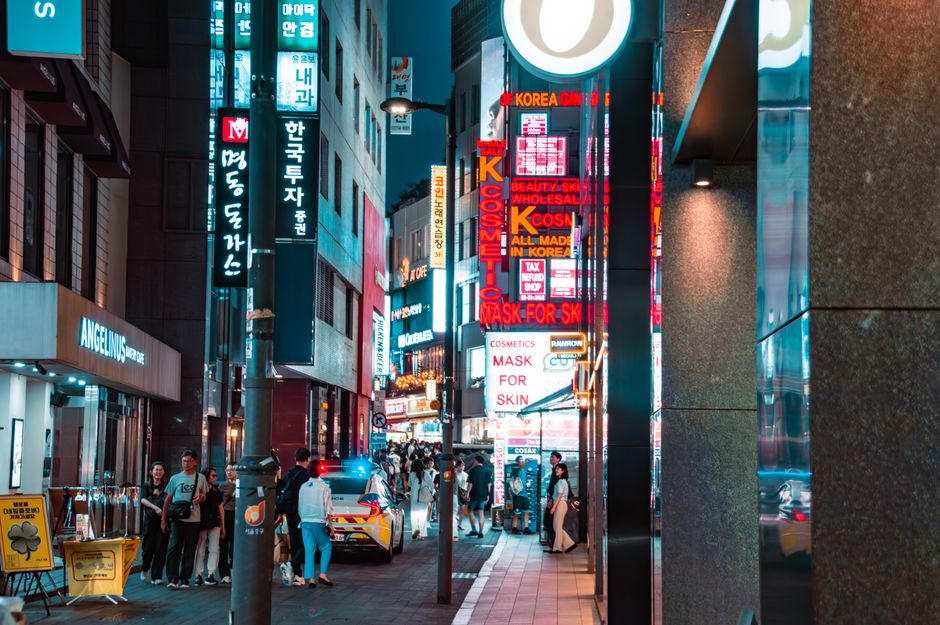
A bustling night scene in Myeongdong, Pohang, South Korea
FAQs: Your Pohang, South Korea Questions Answered
1. Is Pohang, South Korea safe at night?
Yes, Pohang is generally very safe. Standard precautions apply: be aware in quieter areas and near the port at night. The city center and market areas are lively and safe until late.
2. What currency is used and are credit cards accepted?
The South Korean Won (₩) is used. Credit cards (Visa/Mastercard) are widely accepted in hotels, restaurants, and larger shops. However, carry cash (₩20,000-₩50,000) for markets, street food, and smaller bus fares.
3. How do I get from the airport to the city center?
Pohang Airport is small; a taxi to downtown costs about ₩10,000 and takes 15 mins. If arriving via Daegu/Cheongju Airport, take the airport limousine bus to Daegu’s Seobu Terminal, then an intercity bus to Pohang (total ~2 hours, ₩15,000). Book airport transfers at GetYourGuide for convenience.
4. Do I need to speak the local language?
Not essential, but helpful. In tourist areas and with younger people, basic English is understood. Use translation apps (Papago works better than Google Translate for Korean) and learn a few key phrases. Locals appreciate the effort.
5. What’s the appropriate dress code?
Casual and comfortable. For temple visits, cover shoulders and knees. The coast is always windier than you expect, so a light jacket or scarf is wise year-round. In summer, bring a sun hat and sunscreen.
Final Thoughts: Pohang, South Korea Awaits
Pohang offers a compelling, authentic slice of Korea that exists beyond the well-trodden paths of Seoul and Busan. It’s a place where you can feel the pulse of modern industry under a sky painted with sunrise hues, and taste the salt of the sea in every bite. Travelers often discover that its true magic lies in this stark, beautiful contrast. Your best bet is to embrace both sides: witness the fiery spectacle of the steelworks at dusk, then wake in the dark for the quiet, hopeful dawn at Homigot. In
Related Guides
Explore more destinations similar to Pohang:
- Tianeti, Georgia’s Best Mountain Air, Ancient Churches & Rustic Charm (2026)
- Thursday Island, Australia’s Epic Pearls, History & Island Culture (2025)
- Moncton, Canada’s Ultimate Tides, Trails & Maritime Charm (2026)
- Huancavelica, Peru: Essential Colonial Splendor, Thermal Springs & Andean Authenticity (2026)

