
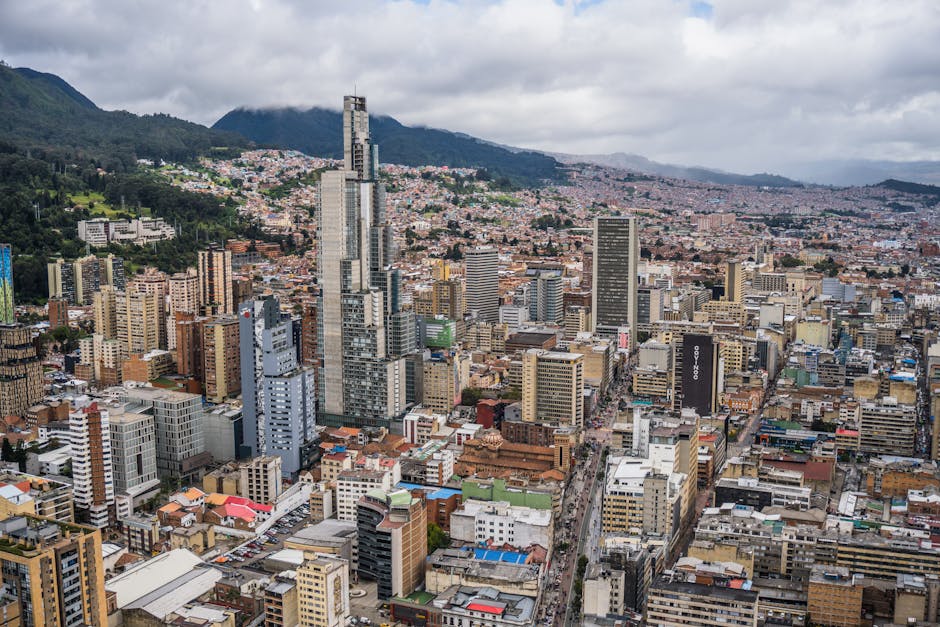
Tumaco, Colombia: Incredible Pacific Coastlines, Afro-Colombian Rhythms & Seafood Feasts (2025)
Sunrise over the Pacific in Tumaco reveals a world of stilted houses stretching into the mangrove-fringed water, the air thick with salt and the rhythmic sound of fishermen preparing their *pangas*. While most travelers head to Cartagena’s Caribbean, Tumaco offers a raw, authentic slice of Colombia’s other coast—the Pacific—where over 300,000 residents live a life intimately tied to the ocean and the rich Afro-Colombian culture that defines this unique port.
Why Tumaco, Colombia Stands Out

Explore vibrant facades in a Colombian town showcasing colorful architectur…, Tumaco, Colombia
- Historic Architecture: The San Andrés de Tumaco Cathedral, with its striking modern design built on stilts over the water, is a symbol of the city’s resilience and unique relationship with the sea.
- Cultural Scene: The Festival de la Con f raternidad del Pacífico, held in December, is a vibrant explosion of *currulao* music, marimba rhythms, and dance celebrating the region’s deep African heritage.
- Local Specialties: You must try *Encocado de Pescado*—fresh fish simmered in a rich, aromatic coconut sauce, a signature of Pacific Colombian cuisine.
Pro Tip: The absolute best time to visit is during the drier window from December to March. For the cultural experience, target late December for the festival, but book accommodations months in advance. Avoid the peak rainy season from April to July when travel to the surrounding islands can be difficult.
Map of Tumaco, Colombia
Use these interactive maps to explore Tumaco, Colombia and plan your route:
📍 View Tumaco, Colombia on OpenStreetMap
🗺️ Open Tumaco, Colombia in Google Maps
Planning Your Trip: Practical Essentials
Getting There and Around
- By Air: La Florida Airport (TCO) connects Tumaco to Cali and Pasto via airlines like Satena. It’s a short 5-minute taxi ride (approx. 10,000 COP) to the city center. Book flights at Skyscanner for best deals.
- By Train: There are no passenger train services to Tumaco. The primary overland route is by road.
- By Car: Driving is an adventure; the route from Pasto (approx. 5-6 hours) is scenic but winding. Parking is limited in the city center. Compare car rentals at RentalCars.com if arriving from Cali.
- Local Transport: Motorcycle taxis (*mototaxis*) are the lifeblood of the city, costing 2,000-4,000 COP per short trip. For boats to islands like El Morro, head to the municipal pier and negotiate with local boatmen.
Best Time to Visit
Tumaco has a tropical rainforest climate—it’s warm and humid year-round, but precipitation defines the seasons. Savvy visitors target the drier months for island hopping and beach time.
| Season | Weather | Highlights |
|---|---|---|
| Drier Season (Dec–Mar) | Warm, 26-32°C (79-90°F), less frequent rain | Ideal for visiting Bocagrande beaches and island tours; peak festival season in Dec; more reliable boat transport. |
| Rainy Season (Apr–Jul, Sep–Nov) | Hot, 25-30°C (77-86°F), heavy daily rainfall | Lush, green landscapes; fewer tourists; lower prices; but sea travel can be rough and activities weather-dependent. |
| Shoulder (Aug) | Variable, brief dry period possible | A good compromise with decent weather and smaller crowds before the second rainy period begins. |
Budgeting for Tumaco, Colombia

Vibrant, traditional Bogotán street scene in Candelaria district, Colombia., Tumaco, Colombia
| Category | Budget | Mid-range | Luxury |
|---|---|---|---|
| Accommodation | 60,000 – 100,000 COP/night (basic hostel/guesthouse) | 150,000 – 250,000 COP/night (comfortable hotel with AC) | 300,000+ COP/night (best available waterfront hotel) |
| Meals | 15,000 COP (street food, *empanadas*) | 25,000 – 40,000 COP (restaurant meal with drink) | 60,000+ COP (seafood feast at top spot) |
| Transport | 10,000 COP/day (mototaxis) | 30,000 COP/day (multiple taxis/short boat trip) | 150,000+ COP/day (private boat charter) |
| Activities | Free (beaches, city walks) | 50,000 COP (guided island tour) | 200,000 COP (private cultural tour) |
| Daily Total | 85,000 – 120,000 COP | 255,000 – 360,000 COP | 710,000+ COP |
Top Attractions and Must-See Sights
| Attraction | Description | Hours | Entry Fee |
|---|---|---|---|
| El Morro (El Morrito) | A picturesque island community of colorful stilt houses over the water, accessible only by boat. | Daylight hours | Free (Boat: ~20,000 COP round-trip) |
| Bocagrande Beaches | Long, sweeping gray-sand beaches on a narrow peninsula, perfect for walking and local beach life. | 24/7 | Free |
| San Andrés de Tumaco Cathedral | The city’s iconic modern cathedral built on pilings, offering a unique architectural and spiritual landmark. | Varies for services | Free |
| Malecón (Waterfront) | The bustling main waterfront promenade, ideal for people-watching, trying street food, and feeling the city’s pulse. | Always active | Free |
3-Day Itinerary: Tumaco, Colombia’s Highlights & Hidden Gems
Day 1: Immersion in Island Life & City Rhythms
- Morning (7-9 AM): Head to the Municipal Pier early to catch a *panga* to **El Morro** (20,000 COP). Watch the stilted community come to life, with kids heading to school by boat and fishermen returning with their catch.
- Afternoon (12-3 PM): Return to town for a legendary seafood lunch at **Restaurante Donde Laurita** near the market. Order the *Encocado de Camarón* (shrimp in coconut sauce, ~28,000 COP).
- Evening (6-8 PM): Stroll the **Malecón** as the sun sets. For dinner, grab a table at a simple spot like **Marisquería El Muelle** for fresh ceviche and a cold beer, listening to the sounds of *champeta* music from nearby bars.
Day 2: Beaches, Culture & Flavors of the Pacific
- Morning (8 AM): Take a mototaxi to **Bocagrande** (8,000 COP). Walk the vast, dramatic beach. If you’re lucky, you might see local horsemen riding along the surf.
- Afternoon (1 PM): Enjoy a beachfront lunch at **Rancho de la Playa Bocagrande** for whole fried fish with *patacones* (fried plantains, ~35,000 COP). Then, visit the **Casa de la Cultura** to learn about Tumaco’s Afro-Colombian history and marimba tradition.
- Evening (7 PM): Experience local nightlife. Ask about any live *currulao* performances. For a quieter evening, find a juice bar for a refreshing *jugo de borojó*, a famed local fruit.
Day 3: Mangroves & Market Browsing
- Morning (8 AM): Negotiate with a boatman at the pier for a **mangrove tour** (approx. 50,000 COP per person for 2 hours). Glide through serene channels, spotting birds and learning about this vital ecosystem.
- Afternoon (12 PM): Explore the bustling **Mercado Público**. It’s a sensory overload of fresh fish, tropical fruits, and local crafts. Have a quick, authentic lunch at a market stall.
- Evening (6 PM): For your final meal, seek out **Asadero Los Delfines** for superb grilled meats and seafood. Reflect on your trip with a final walk along the water, where the lights of El Morro twinkle in the distance.
Cultural Insights & Etiquette
- Language: Spanish is essential; English is rarely spoken. Learn key phrases: “*Buenas*” (hello), “*¿Cuánto vale?*” (How much?), “*La cuenta, por favor*” (The check, please). The local dialect has distinct Afro-Colombian influences.
- Customs: The community is warm but reserved initially. Always greet people politely. Respect is paramount. When visiting El Morro, be mindful that you are in people’s homes—ask before taking photos of residents.
- Tipping: Not universally expected but appreciated. Round up taxi fares. In sit-down restaurants, a 10% tip is customary if service isn’t already included.
- Dress Code: Casual, light, breathable clothing due to heat and humidity. Swimwear is for the beach only. When visiting the cathedral or more formal settings, modest attire is respectful.
- Business Hours: Shops generally open 8 AM-6 PM, often closing for a midday break. Many businesses close on Sundays. Government hours are typically 8 AM-12 PM and 2 PM-6 PM.
Where to Eat: Tumaco, Colombia’s Best Bites
Dining in Tumaco is a celebration of the Pacific Ocean. You’ll eat incredibly fresh seafood, often prepared with coconut, cilantro, and regional spices. Meals are hearty, flavorful, and best enjoyed in casual, family-run *marisquerías* (seafood restaurants) or at simple market stalls.
Must-Try Local Specialties
- Encocado de Pescado/ Camarón: The iconic dish—fish or shrimp stewed in a creamy, fragrant coconut sauce with peppers and herbs. Try it at **Donde Laurita**.
- Ceviche Tumaqueño: A tangy, citrus-marinated fish or shrimp ceviche, often served with crispy *patacones*. **Marisquería El Muelle** on the waterfront does a classic version.
- Tapao de Pescado: A hearty, savory fish soup/stew with green plantains, yuca, and other vegetables, slow-cooked to perfection. Find it at local lunch spots like **Comedor La 15**.
Restaurant Recommendations by Budget
| Type | Restaurant | Specialty | Price Range |
|---|---|---|---|
| Budget | Comedor La 15 (City Center) | Daily *menú ejecutivo* with soup, main, and drink | 12,000 – 18,000 COP |
| Mid-range | Restaurante Donde Laurita (Near Market) | Fresh *encocados* and whole fried fish | 25,000 – 45,000 COP |
| Fine dining | Club de Pesca Tumaco (Waterfront) | Upscale seafood platters and a more formal setting | 50,000 – 80,000 COP+ |
Where to Stay
Accommodation in Tumaco ranges from basic to comfortable; true luxury is limited. The key is location—staying near the Malecón or city center provides easiest access to transport and food. Compare prices and book at Booking.com or Airbnb for apartments.
Best Neighborhoods for Accommodation
- Centro (City Center) / Near Malecón: The most convenient area. You’ll be walking distance to the pier, main restaurants, and markets. Best for first-time visitors who want to be in the heart of the action.
- Bocagrande: For a beachfront stay. This is quieter and more spread out, requiring mototaxis to get to the city center. Ideal for travelers prioritizing beach time and ocean views.
- Barrio El Morro: Not for conventional hotels, but adventurous travelers can sometimes find homestays. This offers a completely unique, immersive experience living over the water with a local family.

A stunning aerial shot of a coastal town with historic architecture and vib…, Tumaco, Colombia
FAQs: Your Tumaco, Colombia Questions Answered
1. Is Tumaco, Colombia safe at night?
Exercise increased caution, as you would in many port cities. Stick to well-lit, populated areas like the main Malecón in the early evening. Avoid walking alone at night; use registered mototaxis for even short distances. Do not display expensive jewelry or electronics. Always follow the advice of your accommodation hosts.
2. What currency is used and are credit cards accepted?
The Colombian Peso (COP) is the currency. Carry ample cash, especially in smaller denominations. While some hotels and nicer restaurants may accept credit cards, the vast majority of transactions—especially for transport, market purchases, and local eateries—are cash-only. ATMs are available in the city center.
3. How do I get from the airport to the city center?
La Florida Airport (TCO) is very close to town. Your best bet is to take an official airport taxi, which should cost around 10,000 COP for the 5-minute ride. There is no public bus. You can pre-book a transfer at GetYourGuide for convenience, though it’s often simpler to arrange one upon arrival.
4. Do I need to speak the local language?
Yes, basic Spanish is highly recommended and will vastly improve your experience. Very little English is spoken by service providers, boatmen, or in markets. Learning key phrases for directions, ordering food, and negotiating prices is essential. Locals appreciate the effort immensely.
5. What’s the appropriate dress code?
Lightweight, quick-dry clothing is essential due to the heat and humidity. Pack a rain jacket or umbrella regardless of the season. For beach days, swimwear is fine, but cover up when leaving the sand. For general city wear, modest, casual attire (t-shirts, shorts, sundresses) is perfectly acceptable.
Final Thoughts: Tumaco, Colombia Awaits
Tumaco is not a polished tourist destination, and that is its greatest strength. It offers an unfiltered, profound connection to Colombia’s Pacific soul—a place of powerful ocean vistas, resilient stilt-house communities, and rhythms born from a deep African heritage. Travelers who venture here are rewarded with incredible seafood, genuine warmth, and stories far
Related Guides
Explore more destinations similar to Tumaco:

