
Paracas, Peru’s Epic Wildlife, Ancient Mysteries & Coastal Majesty (2025)
Sunrise over the Paracas National Reserve paints the desert cliffs in fiery gold, a stark contrast to the deep turquoise of the Pacific below. The only sounds are the wind whistling through the “Cathedral” rock arch and the distant bark of sea lions. This is not just a beach town; it’s the gateway to the “Galapagos of Peru,” where the desert meets an ocean teeming with life and pre-Inca history whispers from the sands. For under $50 a day, you can cruise to islands swarming with penguins, explore a 2,500-year-old necropolis, and feast on ceviche so fresh it was swimming hours before.
Why Paracas, Peru Stands Out

Pelican on blue textile during daytime, Paracas, Peru
- Historic Architecture: The Julio C. Tello Site Museum, built in 1964, houses the stunning Paracas textiles—considered some of the finest pre-Columbian fabrics in the world, preserved for over 2,000 years in the dry desert sands.
- Cultural Scene: The annual Festival de la Vendimia (Wine Harvest Festival) in nearby Ica each March spills over into Paracas, celebrating Peru’s burgeoning wine and pisco production with parades, tastings, and traditional dances.
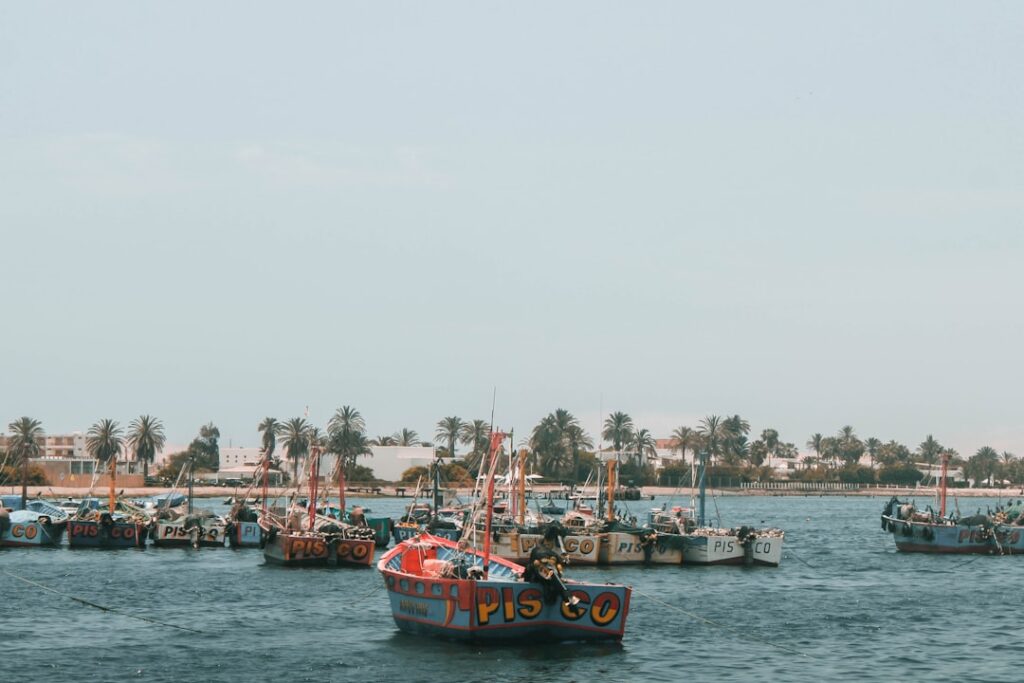
- Local Specialties: You must try *Ceviche de Conchas Negras* (ceviche made with black scallops), a regional specialty believed to be an aphrodisiac, best enjoyed at a waterfront *cevichería* with a view of the fishing boats.
Pro Tip: The absolute best time to visit is during the shoulder seasons of April-May or September-October. You’ll avoid the dense coastal fog (*garúa*) of winter and the peak summer crowds, securing better prices on tours and hotels while enjoying clear, sunny days perfect for the Ballestas Islands tour.
Map of Paracas, Peru
Use these interactive maps to explore Paracas, Peru and plan your route:
📍 View Paracas, Peru on OpenStreetMap
🗺️ Open Paracas, Peru in Google Maps
Planning Your Trip: Practical Essentials
Getting There and Around
- By Air: Fly into Capitán FAP Renán Elías Olivera Airport in Pisco (PIO), a 20-minute drive from Paracas. LATAM and Sky Airline offer flights from Lima. A taxi to Paracas costs about 30-40 PEN ($8-$10). Book flights at Skyscanner for best deals.
- By Train: There are no direct passenger train services to Paracas. The primary overland route is by road from Lima.
- By Car: The Pan-American Highway South connects Lima to Paracas in a scenic 3.5-hour drive (260 km). Rental cars are available in Lima or at Pisco airport. Driving is straightforward, but avoid night driving. Compare car rentals at RentalCars.com.
- Local Transport: *Colectivos* (shared vans) run between Paracas, Pisco, and Ica frequently and cheaply (5-10 PEN). In town, most places are walkable, but *mototaxis* are everywhere for short trips (3-5 PEN). For tours, booking through a reputable agency with transport included is your best bet.
Best Time to Visit
Paracas enjoys a mild desert climate year-round, but the experience varies dramatically by season. Savvy travelers target the shoulder months for the ideal balance of weather, wildlife, and value.
| Season | Weather | Highlights |
|---|---|---|
| Summer (Dec–Mar) | Sunny & hot, 75-85°F (24-30°C), clear skies. | Peak season for beach days, vibrant atmosphere, and festivals. Higher prices and more crowds. |
| Winter (Jun–Sep) | Cool, 60-70°F (15-21°C), with persistent morning fog (*garúa*). | Best for wildlife viewing (migratory birds, active sea lions), fewer tourists. Ocean can be choppy for tours. |
| Shoulder (Apr–May/Oct–Nov) | Pleasant, 65-75°F (18-24°C), minimal fog, sunny days. | The sweet spot. Ideal conditions for all activities, manageable crowds, and better accommodation rates. |
Budgeting for Paracas, Peru

A view of the ocean from a cliff, Paracas, Peru
| Category | Budget | Mid-range | Luxury |
|---|---|---|---|
| Accommodation | Hostel dorm: 40-60 PEN ($10-$15) | 3-star hotel: 180-300 PEN ($45-$75) | 5-star resort: 600+ PEN ($150+) |
| Meals | Menu del día/street food: 15-25 PEN ($4-$6) | Restaurant meal: 40-80 PEN ($10-$20) | Fine dining: 120+ PEN ($30+) |
| Transport | Colectivos/walking: 10 PEN ($2.50) | Mototaxis/tour transfers: 30 PEN ($8) | Private driver: 150+ PEN ($38+) |
| Activities | Beach/Reserve entry: 11 PEN ($3) | Ballestas Tour: 50 PEN ($13) | Private yacht tour: 400+ PEN ($100+) |
| Daily Total | 80-120 PEN ($20-$30) | 300-450 PEN ($75-$110) | 1200+ PEN ($300+) |
Top Attractions and Must-See Sights
| Attraction | Description | Hours | Entry Fee |
|---|---|---|---|
| Ballestas Islands | A 2-hour boat tour past the enigmatic Candelabra geoglyph to islands teeming with sea lions, penguins, and thousands of birds. | Tours depart 8:00 AM, 10:00 AM | ~50 PEN ($13) for tour + 11 PEN ($3) port tax |
| Paracas National Reserve | A vast desert-meets-ocean protected area with red sand beaches, dramatic cliffs, and the iconic La Catedral rock formation (collapsed in 2007). | Reserve: 6:00 AM – 6:00 PM; Museum: 9:00 AM – 5:00 PM | Reserve: 11 PEN ($3); Museum: 10 PEN ($2.50) |
| Julio C. Tello Site Museum | Houses the famous mummy bundles and exquisite textiles from the Paracas culture, excavated from the nearby necropolis of Wari Kayan. | Tuesday-Sunday, 9:00 AM – 5:00 PM | 10 PEN ($2.50) |
| Lagunillas Fishing Village | A picturesque cove within the Reserve where you can enjoy fresh seafood at rustic restaurants right on the pier overlooking fishing boats. | Restaurants: 10:00 AM – 5:00 PM | Free to enter; pay for meals. |
3-Day Itinerary: Paracas, Peru’s Highlights & Hidden Gems
Day 1: Islands, Glyphs & Ocean Breezes
- Morning (7:30 AM): Arrive at the Embarcadero for your Ballestas Islands tour. Your best bet is to book the 8:00 AM slot for calmer seas. The boat will pause before the islands to view the 595-foot-long Candelabra geoglyph, a mystery etched into a hillside.
- Afternoon (12:30 PM): Lunch at Restaurant Fiesta in Paracas Bay for a legendary *Ceviche Fiesta* (45 PEN). Then, rent a bicycle (15 PEN/hour) and cycle the easy coastal path to Playa Yumaque for a quiet afternoon swim.
- Evening (6:30 PM): Watch the sunset from the Paracas Peninsula lookout. For dinner, head to Chalana for their *Arroz con Mariscos* (seafood rice) in a lively, local atmosphere.
Day 2: Desert Landscapes & Ancient History
- Morning (9:00 AM): Hire a taxi or join a tour (70-100 PEN) for a 4-hour circuit of the Paracas National Reserve. Must-stops include Playa Roja (Red Beach), the Mirador de los Lobos for sea lion views, and the dramatic cliffs at Supay Bay.
- Afternoon (1:30 PM): Lunch at a palapa-style restaurant in Lagunillas—try the *Choritos a la Chalaca* (mussels with corn salsa). Then, visit the Julio C. Tello Museum to see the astonishingly preserved Paracas textiles.
- Evening (7:00 PM): Enjoy a relaxed dinner at El Coral on the malecón. Afterwards, savor a pisco sour at a bayfront bar while the fishing boats’ lights twinkle on the water.
Day 3: Local Life & Farewell Feasts
- Morning (8:00 AM): Take a *colectivo* to Pisco (5 PEN, 20 mins). Visit the Plaza de Armas and the imposing San Clemente Church. Then, tour a local pisco distillery like Bodega El Catador for a tasting (20 PEN).
- Afternoon (12:30 PM): Return to Paracas for a final seafood feast at the no-frills, locally-loved Cevichería Sonia. Order the *Tiradito de Pescado* (thinly sliced fish in a spicy sauce).
- Evening (4:00 PM): If time allows before your departure, take a late afternoon kayak tour (80 PEN) in the tranquil bay, or simply relax on Playa El Chaco with a final view of the majestic, wildlife-rich coast.
Cultural Insights & Etiquette
- Language: Spanish is key. Learn basics: “Hola” (Hello), “Gracias” (Thank you), “La cuenta, por favor” (The bill, please). In tourist areas, some English is spoken, but a phrasebook goes a long way.
- Customs: Greetings are important. A simple “Buenos días/tardes” when entering a shop or starting a conversation is polite. Be respectful when discussing the ancient Paracas culture; it’s a source of great national pride.
- Tipping: A 10% tip is customary in sit-down restaurants if service isn’t included. For tour guides, 10-20 PEN is appreciated. Round up taxi fares.
- Dress Code: Casual and comfortable for the day. Evenings can be smart-casual. Bring layers for windy boat tours and desert excursions. Swimwear is for the beach/pool only.
- Business Hours: Shops: 9:00 AM – 7:00 PM, often with a midday break. Restaurants serve lunch from 1:00 PM and dinner from 7:00 PM. Major holidays like Fiestas Patrias (July 28-29) can mean closures.
Where to Eat: Paracas, Peru’s Best Bites
Paracas is a seafood lover’s paradise, where the day’s catch dictates the menu. Dining is a relaxed, sun-soaked affair, often on terraces overlooking the bay. Don’t just eat; experience the *cevichería* culture where the fish is practically still flipping.
Must-Try Local Specialties
- Ceviche de Conchas Negras: The iconic black scallop ceviche, marinated in lime with red onion and rocoto pepper. For the authentic version, head to the smaller *cevicherías* along the malecón like El Delfín.
- Chupe de Camarones: A hearty, creamy shrimp chowder made with milk, potatoes, peas, and rice. It’s a meal in itself, perfect after a windy boat tour. Best tried at traditional lunch spots like those in Lagunillas.
- Pisco Sour: Peru’s national cocktail, made with pisco brandy, lime juice, simple syrup, egg white, and bitters. Enjoy one at sunset at Hotel Paracas, a Luxury Collection Resort‘s bar for a classic experience.
Restaurant Recommendations by Budget
| Type | Restaurant | Specialty | Price Range |
|---|---|---|---|
| Budget | Cevichería Sonia (Malecón) | Incredibly fresh, no-fuss ceviche and tiraditos | 15-35 PEN ($4-$9) |
| Mid-range | Chalana (Av. Paracas) | Hearty seafood plates and a vibrant local vibe | 35-70 PEN ($9-$18) |
| Fine dining | Ballestas Restaurant (Hotel Paracas) | Elegant, innovative tasting menus with ocean views | 120+ PEN ($30+) |
Where to Stay
Accommodation in Paracas ranges from backpacker hostels to world-class luxury resorts. Most hotels are clustered around the bay in the El Chaco area, offering easy access to tours, restaurants, and the waterfront. For a quieter stay, look at properties just outside the main drag. Compare prices and book at Booking.com or Airbnb for apartments.
Best Neighborhoods for Accommodation
- El Chaco (Bayfront): The heart of tourist activity. You’re steps from tour operators, restaurants, and the marina. Perfect for first-time visitors who want convenience, but can be noisy in the evenings.
- Paracas Town (Inland): A few blocks back from the bay. Offers more local flavor, cheaper guesthouses (*hospedajes*), and a quieter atmosphere. A short walk or *mototaxi* ride to the action.
- Reserve Perimeter: A few high-end resorts and lodges sit on the edges of the National Reserve. Offers stunning, isolated landscapes and direct access to nature, but requires transport for everything else.

Black seal on brown rock near body of water during daytime, Paracas, Peru
FAQs: Your Paracas, Peru Questions Answered
1. Is Paracas, Peru safe at night?
Paracas is generally very safe for tourists. The El Chaco waterfront area is well-lit and populated in the evenings. As always, exercise standard precautions: don’t flash valuables, stick to main areas at night, and use registered taxis or *mototaxis* from known stands. Petty theft is the main concern, so keep an eye on your belongings, especially on crowded beaches.
2. What currency is used and are credit cards accepted?
The Peruvian Sol (PEN) is the currency. While most hotels, nicer restaurants, and tour agencies in Paracas accept major credit cards (Visa/Mastercard), cash is king for smaller restaurants
{“@context”: “https://schema.org”, “@type”: “FAQPage”, “mainEntity”: [{“@type”: “Question”, “name”: “What is the best time to visit Paracas?”, “acceptedAnswer”: {“@type”: “Answer”, “text”: “The best time to visit Paracas depends on your preferences. Generally, the dry season offers the most pleasant weather for sightseeing and outdoor activities.”}}, {“@type”: “Question”, “name”: “How many days do I need in Paracas?”, “acceptedAnswer”: {“@type”: “Answer”, “text”: “Most travelers spend 3-5 days in Paracas to see the main attractions. A week allows for a more relaxed pace and day trips.”}}, {“@type”: “Question”, “name”: “Is Paracas expensive to visit?”, “acceptedAnswer”: {“@type”: “Answer”, “text”: “Paracas can be visited on various budgets. Accommodation ranges from hostels to luxury hotels, and local restaurants offer affordable dining.”}}]}
Related Guides
Explore more destinations similar to Paracas:
- Sakhalin Island, Russia: Essential Wild Nature, Soviet History & Seafood Feasts (2026)
- Stunning troyes Secrets’s Stunning Best Places to Visit (2025)
- Nosy Boraha, Madagascar: Essential Pirate Lore, White-Sand Solitude & Lemur Encounters (2025)
- Las Piñas, Philippines’s Hidden Bamboo Organs, Salt Beds & Suburban Soul (2026)

