
Kalahari Desert, Botswana’s Epic Silence, Stars & Ancient Sands (2025)
What if a desert wasn’t just sand? The Kalahari, covering 900,000 square kilometers across Botswana, Namibia, and South Africa, is a semi-arid savanna where ancient acacia trees silhouette against crimson sunsets and the world’s oldest continuous culture, the San people, have thrived for over 20,000 years. This isn’t a barren wasteland; it’s a living, breathing ecosystem where you can hear the silence and see the Milky Way with a clarity lost to most of the modern world.
Why Kalahari Desert, Botswana Stands Out

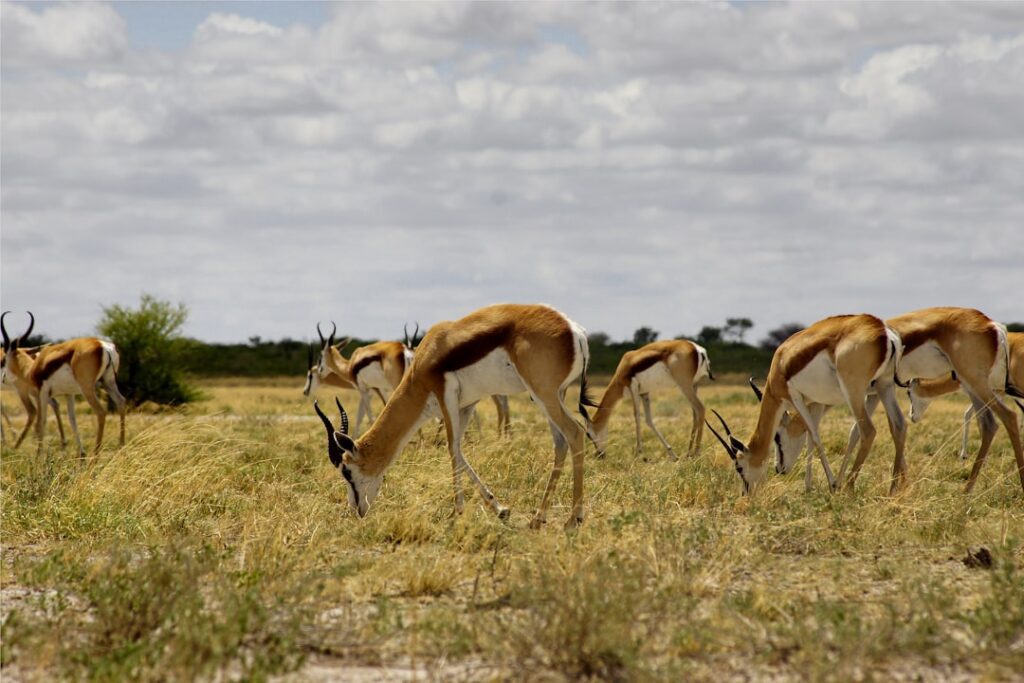
Brown and white animal on brown field during daytime, Kalahari Desert, Botswana
- Historic Architecture: The ancient, fossilized river valleys of the Okavango Delta, a UNESCO World Heritage site, form Earth’s most intricate natural “waterway architecture,” a system over 60,000 years in the making.
- Cultural Scene: The trance-inducing healing dances of the San (Bushmen), involving hours of rhythmic clapping and chanting around a fire, offer a profound, millennia-old spiritual experience.
- Local Specialties: Don’t miss tasting traditional Seswaa, a slow-cooked shredded beef or goat meat, often served with pap (maize porridge) at a community braai (barbecue).
Pro Tip: Your best bet for wildlife and manageable heat is the dry winter season from May to October. For the surreal green season when the desert briefly blooms, aim for late January to April, but be prepared for challenging, muddy tracks requiring a 4×4.
Map of Kalahari Desert, Botswana
Use these interactive maps to explore Kalahari Desert, Botswana and plan your route:
📍 View Kalahari Desert, Botswana on OpenStreetMap
🗺️ Open Kalahari Desert, Botswana in Google Maps
Planning Your Trip: Practical Essentials
Getting There and Around
- By Air: Most travelers fly into Sir Seretse Khama International Airport (GBE) in Gaborone or Maun International Airport (MUB). From there, you’ll need a charter flight on a small aircraft (like with Safari Air or Mack Air) to remote desert airstrips. Book flights at Skyscanner for best deals to major hubs.
- By Train: Botswana has no passenger rail network for tourism; travel is exclusively by road or air.
- By Car: A 4×4 vehicle is non-negotiable. The “trans-Kalahari highway” is paved, but accessing reserves like the Central Kalahari Game Reserve (CKGR) requires serious off-road driving on deep sand tracks. You’ll need a fully equipped vehicle with extra fuel, water, and two spare tires. Compare car rentals at RentalCars.com for options in Maun or Gaborone.
- Local Transport: There is no public transport within the desert reserves. All travel is via pre-arranged guided safari vehicles or your own 4×4.
Best Time to Visit
The Kalahari experience changes dramatically with the seasons. The dry winter offers prime game viewing at waterholes, while the green summer transforms the landscape and brings migratory birds, but also intense heat and rain.
| Season | Weather | Highlights |
|---|---|---|
| Dry Winter (May–Oct) | Sunny days (20-30°C), cold nights (can drop to 0°C). No rain. | Exceptional wildlife viewing, especially at Deception Valley. Clear skies for stargazing. Peak season with more tourists. |
| Green Summer (Nov–Apr) | Hot (30-40°C+) with afternoon thunderstorms. High humidity. | Lush, green landscapes, newborn animals, incredible birdlife. Dramatic skies. Fewer crowds but challenging driving conditions. |
| Shoulder (Apr/Oct–Nov) | Transitional; warm days, variable rain. Unpredictable. | A good mix of decent weather and thinner crowds. A bit of both seasonal worlds. |
Budgeting for Kalahari Desert, Botswana

A giraffe walking across a dry grass field, Kalahari Desert, Botswana
| Category | Budget | Mid-range | Luxury |
|---|---|---|---|
| Accommodation | Camping in public sites (~$30-50 pp/night) | Comfortable safari lodge tent (~$400-700 pp/night) | All-inclusive luxury camp (~$1,200+ pp/night) |
| Meals | Self-catered camp meals | Lodge-included meals | Gourmet, chef-prepared lodge meals |
| Transport | 4×4 rental & fuel (~$150-200/day) | Guided safari vehicle (included in tour) | Private guided vehicle & charter flights |
| Activities | Self-drive game viewing | Included guided game drives & walks | Private guides, San cultural experiences, sleep-outs |
| Daily Total | $200-300 per person | $500-800 per person | $1,500+ per person |
Top Attractions and Must-See Sights
| Attraction | Description | Hours | Entry Fee |
|---|---|---|---|
| Central Kalahari Game Reserve (CKGR) | Vast, remote wilderness famous for black-maned lions and the stunning Deception Valley. | Gate hours: 6:00 AM – 7:00 PM (varies seasonally) | ~$50 per person per day + vehicle fee |
| Deception Valley | A fossil riverbed where you can witness epic predator-prey dramas, especially in the dry season. | Accessible during park hours | Included in CKGR fees |
| San (Bushmen) Cultural Experience | Learn ancient survival skills like tracking, identifying plants, and starting fire from the original inhabitants. | Arranged through lodges, typically morning or afternoon | $50-100 per person (via lodge) |
| Kgalagadi Transfrontier Park | Shared with South Africa, known for incredible raptors and classic red sand dunes. | Gate hours: 5:30/6:00 AM – 7:00 PM | ~$30 per person per day |
3-Day Itinerary: Kalahari Desert, Botswana’s Highlights & Hidden Gems
Day 1: Arrival & Acclimation to the Vastness
- Morning (7-9 AM): After a charter flight from Maun, arrive at your airstrip in the CKGR. Your guide will transfer you to camp. Your first activity is a safety briefing and a slow, mindful game drive to attune your eyes to spotting wildlife in the golden grass.
- Afternoon (12-3 PM): Enjoy a siesta after lunch at camp (like Kalahari Plains Camp). Later, visit a waterhole hide for silent, stationary viewing—you might see gemsbok, springbok, and perhaps a lurking jackal.
- Evening (6-8 PM): A sunset game drive followed by a “sundowner” drink on a dune. Dinner back at camp under a blanket of stars so thick it feels tangible.
Day 2: Desert Life & Ancient Cultures
- Morning (5:30 AM): An early guided bush walk (~$80) with an armed guide. You’ll learn to read animal tracks, identify medicinal plants, and feel the texture of the Kalahari sand underfoot.
- Afternoon: Visit a nearby San community. Participate in a gathering session where women share foraging knowledge, and men demonstrate crafting hunting tools. It’s a respectful, eye-opening cultural exchange.
- Evening: Enjoy a traditional braai at camp featuring Seswaa. Afterwards, your guide will give a telescope-assisted tour of the southern hemisphere night sky, pointing out the Southern Cross and Magellanic Clouds.
Day 3: Exploration of Deception Valley
- Morning: Pack a picnic and embark on a full-morning expedition to Deception Valley (a 1-2 hour drive from central camps). Spend hours watching the expansive landscape, looking for the iconic black-maned Kalahari lions.
- Afternoon: Enjoy your picnic lunch under a camelthorn tree. On the drive back, stop at Passarge Valley for a different perspective. Keep an eye out for meerkats standing sentinel.
- Evening: Your final night calls for a “sleep-out.” Many luxury camps offer a raised platform bed in the middle of the reserve (from $250 pp). Falling asleep to the whoop of hyenas and waking to a desert sunrise is an unforgettable finale.
Cultural Insights & Etiquette
- Language: The official language is English, but Setswana is widely spoken. A simple “Dumela” (hello) or “Ke a leboga” (thank you) is appreciated.
- Customs: Always greet people before launching into questions or requests. When visiting villages, it’s polite to ask the chief or elder for permission. Never take photos of people without explicit consent.
- Tipping: For guides, $10-15 per guest per day is standard. For camp staff, a collective tip of $5-10 per guest per day left in the communal tip box is customary.
- Dress Code: Neutral, earth-toned clothing (khaki, green, brown) is best for game viewing. Evenings can be cold, so pack layers. Dress modestly when visiting local communities.
- Business Hours: In cities, typical hours are 7:30 AM-5:30 PM weekdays, shorter on Saturdays. In the desert, you operate on safari time—early mornings and late afternoons for activities.
Where to Eat: Kalahari Desert, Botswana’s Best Bites
Dining in the Kalahari is almost exclusively tied to your lodge or camp, which provides all meals. The experience is about hearty, well-prepared food in incredible settings, from bush breakfasts to candlelit dinners.
Must-Try Local Specialties
- Seswaa: This national dish of slow-cooked, salted shredded meat is a must. Your camp chef will likely prepare a version over the coals.
- Braai (Barbecue): More than a meal, it’s a social event. Expect expertly grilled meats like boerewors (sausage), steak, and chicken.
- Mopane Worms: A protein-rich seasonal delicacy, these large caterpillars are dried or fried. Adventurous eaters should try them when offered—they taste earthy and nutty.
Restaurant Recommendations by Budget
| Type | Restaurant | Specialty | Price Range |
|---|---|---|---|
| Budget | Your Campfire (Self-catered) | Grilled meats and simple stews prepared yourself. | $10-15 per meal |
| Mid-range | Lodge Dining (e.g., Camp Kalahari) | Multi-course plated dinners with international and local influences. | Included in stay |
| Fine dining | Sanctuary Baines’ Camp (Okavango) or Jack’s Camp | Gourmet bush cuisine with white linen, often in a stunning remote location. | Included in luxury stay |
Where to Stay
Accommodation defines your Kalahari experience, ranging from basic campsites to ultra-luxurious fly-in camps. Location is key: the CKGR for remoteness, the Kgalagadi for dunes, or private concessions for exclusivity. Compare prices and book at Booking.com for city hotels, but book desert camps directly or through a specialized safari tour operator.
Best Neighborhoods for Accommodation
- Central Kalahari Game Reserve (CKGR): For the ultimate remote wilderness feel. Pros: incredible scenery, good lion sightings. Cons: very basic public campsites, requires total self-sufficiency. Suits experienced self-drive adventurers.
- Private Concessions (e.g., near Deception Valley): Exclusive access, fewer vehicles, and luxury camps like Tau Pan or Kalahari Plains Camp. Pros: guided activities, comfort, wildlife. Cons: high cost. Suits travelers seeking comfort in the deep desert.
- Kgalagadi Transfrontier Park (Botswana side): For iconic red dunes and raptor photography. Pros: stunning scenery, great for self-drive. Cons: can be busy near rest camps. Suits photographers and those combining with a South Africa trip.

Charming close-up of three meerkats perched together, Kalahari Desert, Botswana
FAQs: Your Kalahari Desert, Botswana Questions Answered
1. Is Kalahari Desert, Botswana safe at night?
In the wilderness camps, you are in wild animal territory. It is safe within your tent or lodge, but you must never walk around camp alone at night. Always wait for a guide to escort you. Listen to all safety briefings. Crime is not an issue in these remote areas, but wildlife is.
2. What currency is used and are credit cards accepted?
The Botswanan Pula (BWP) is the currency. In remote desert camps, everything is pre-paid or added to your bill, settled by credit card (Visa/Mastercard) at checkout. You will need very little cash, perhaps just for tips or curios. Bring some USD or Euros to exchange in Maun or Gaborone for emergency cash.
3. How do I get from the airport to the city center?
For the Kalahari, you don’t go to a city center. From Maun Airport (MUB), you’ll take a charter flight directly to your camp’s airstrip. Transfers are arranged by your safari operator. If you’re self-driving, you’ll pick up your 4×4 in Maun. Book airport transfers at GetYourGuide for Maun city hotels, but not for desert camps.
4. Do I need to speak the local language?
No. English is the official language of business and tourism. All guides and camp staff speak excellent English. Learning a few Setswana greetings, however, will earn you warm smiles and is a sign of respect.
5. What’s the appropriate dress code?
Practical and neutral-colored safari wear is the dress code. Think lightweight long sleeves and pants for sun and bug protection, a wide-brimmed hat, sturdy closed-toe shoes, and a warm fleece or jacket for cold morning game drives. There’s no need for formal attire; even at luxury camps, smart-casual is fine for dinner.
Final Thoughts: Kalahari Desert, Botswana Awaits
The Kalahari is not a destination you simply see; it’s one you feel. It recalibrates your senses—the profound silence that allows you to hear your own heartbeat, the scent of rain on dry earth, the awe of a sky ablaze with stars unseen in light-polluted worlds. It teaches patience and perspective. Savvy travelers know that while the Okavango Delta gets
Related Guides
Explore more destinations similar to Kalahari Desert:
- Colca Canyon, Peru’s Ultimate Condors, Canyons & Ancient Culture (2025)
- Touggourt, Algeria: Amazing Saharan Sunsets, Ancient Oases & Date Palm Majesty (2025)
- Sédhiou, Senegal’s Ultimate River Life, Colonial History & Mandinka Culture (2026)
- Kruja, Albania’s Essential Castles, Crafts & National Pride (2025)

