
Jiuzhaigou Valley, China: Amazing Turquoise Lakes, Tibetan Culture & Alpine Serenity (2025)
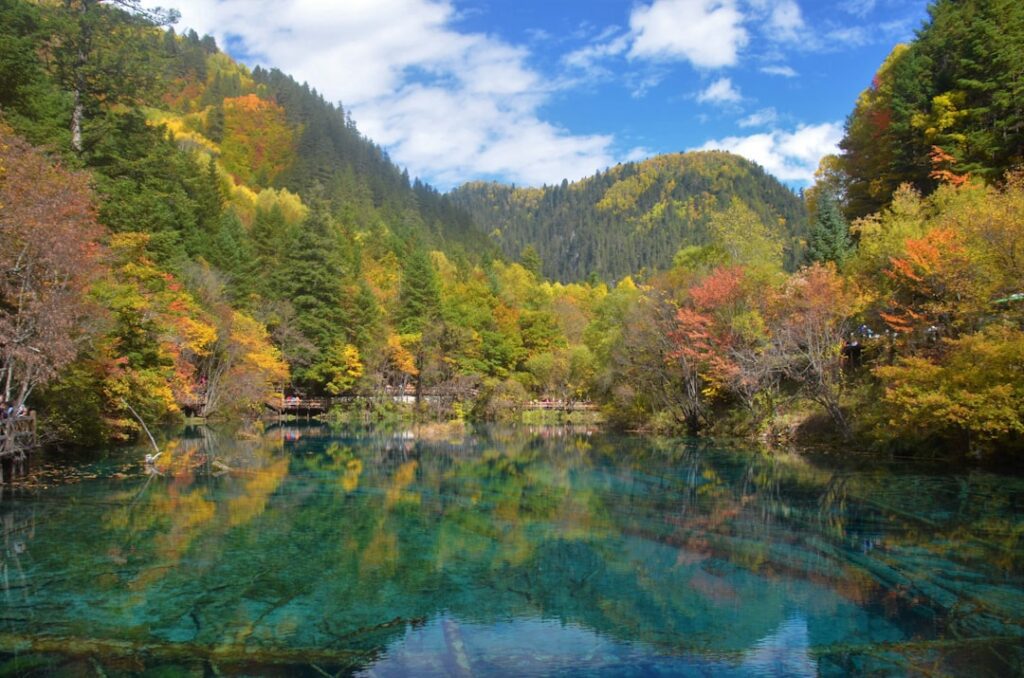
Just after dawn, the first light hits the surface of Five Flower Lake, revealing a submerged forest of ancient, calcified tree trunks resting 30 feet below in water so clear and vibrantly turquoise it seems digitally enhanced. The air carries the crisp scent of pine and the distant sound of waterfalls—over 100 of them cascade through this valley. This is Jiuzhaigou, a UNESCO World Heritage site in Sichuan province, where 72,000 hectares of protected wilderness hold a palette of colors so intense, travelers often question if they’re real.
Why Jiuzhaigou Valley, China Stands Out

Cascading waterfalls flow into a vibrant turquoise lake., Jiuzhaigou Valley, China
- Historic Architecture: The Zharu Monastery, dating back to the 8th century, is a key spiritual site for local Tibetan Buddhists, offering a profound cultural counterpoint to the natural scenery.
- Cultural Scene: The annual Zharu Horse Festival in spring features traditional Tibetan horsemanship, singing, and religious ceremonies, providing a vibrant glimpse into local life.
- Local Specialties: You must try a warming bowl of yak meat stew with potatoes, a hearty and flavorful staple that fuels locals against the high-altitude chill.
Pro Tip: Your best bet for perfect weather and manageable crowds is the shoulder season, specifically late September to mid-October. This is when the autumn foliage transforms the valley into a fiery masterpiece of reds and golds, but before the peak domestic holiday crowds arrive in early October. Aim to enter the park right at the 7:00 AM opening time.
Map of Jiuzhaigou Valley, China
Use these interactive maps to explore Jiuzhaigou Valley, China and plan your route:
📍 View Jiuzhaigou Valley, China on OpenStreetMap
🗺️ Open Jiuzhaigou Valley, China in Google Maps
Planning Your Trip: Practical Essentials
Getting There and Around
- By Air: Jiuzhai Huanglong Airport (JZH) is 88km from the park. Major airlines like Air China and Sichuan Airlines operate flights from Chengdu (1 hour). From the airport, take a pre-booked shuttle (¥50-80) or taxi (¥200). Book flights at Skyscanner for best deals.
- By Train: There is no direct train to Jiuzhaigou. The nearest major rail hub is in Chengdu. From Chengdu East Station, you can take a 8-10 hour bus. Reserve tickets at Trainline or the national railway website for the Chengdu leg.
- By Car: Driving from Chengdu takes 8+ hours via the G213 and G247 highways—a scenic but demanding journey through mountainous terrain. Private car hires with a driver are a popular and safer option. Compare car rentals at RentalCars.com for Chengdu pick-up.
- Local Transport: Inside the park, you must use the eco-friendly shuttle bus system (included in your ticket). It operates on a hop-on, hop-off basis along three main valleys: Shuzheng, Rize, and Zechawa.
Best Time to Visit
Jiuzhaigou’s beauty shifts dramatically with the seasons, each offering a distinct spectacle. The key is balancing weather, scenery, and visitor numbers.
| Season | Weather | Highlights |
|---|---|---|
| Summer (Jun–Aug) | 10°C to 20°C (50°F to 68°F), rainy season, lush greenery. | Waterfalls are at their most powerful and dramatic; vibrant green landscapes. Expect the largest crowds, especially July-August. |
| Winter (Dec–Feb) | -5°C to 5°C (23°F to 41°F), cold with possible snow. | A serene, frozen wonderland with ice-clad waterfalls and few tourists. Some areas may be closed, and shuttle access can be limited. |
| Shoulder (Apr–May/Sep–Oct) | 7°C to 18°C (45°F to 64°F), mild and generally dry. | April-May sees blooming flowers; September-October offers the legendary autumn colors. The ideal balance of good weather and manageable crowds. |
Budgeting for Jiuzhaigou Valley, China

A stunning aerial view of blue lakes in Jiuzhaigou Valley surrounded by lus…, Jiuzhaigou Valley, China
| Category | Budget | Mid-range | Luxury |
|---|---|---|---|
| Accommodation | Hostel/Guesthouse: ¥150-300/night | 3-4 Star Hotel in Zhangzha Town: ¥500-900/night | 5-Star Resort (e.g., Intercontinental, Sheraton): ¥1,200+/night |
| Meals | Street food/Simple noodle shops: ¥20-50/meal | Local restaurant set meal: ¥60-120/meal | Hotel fine dining: ¥200+/meal |
| Transport | Park shuttle (included), public bus from Chengdu: ¥150 | Private car from airport: ¥200, taxis in town | Private car & driver for multi-day tour |
| Activities | Park entry only: ¥169 (off-peak) – ¥259 (peak) | Park entry + shuttle, Zharu Monastery visit | Private guided park tour, cultural performance tickets |
| Daily Total | ¥400-600/day | ¥800-1,500/day | ¥2,000+/day |
Top Attractions and Must-See Sights
| Attraction | Description | Hours | Entry Fee |
|---|---|---|---|
| Five Flower Lake (Wuhua Hai) | A shallow, multi-hued lake with stunning visibility to its sunken forest and travertine beds. | Park Hours: 7:00-18:00 (Apr-Nov), 8:00-17:00 (Dec-Mar) | Included in Park Ticket |
| Nuorilang Waterfall | The widest highland waterfall in China, spanning 270 meters and plunging 24.5 meters in a thunderous curtain. | Park Hours | Included in Park Ticket |
| Long Lake (Chang Hai) | The highest, largest, and deepest lake in Jiuzhaigou, often frozen and surrounded by snow-capped peaks. | Park Hours | Included in Park Ticket |
| Zharu Monastery | An active Tibetan Buddhist monastery offering spiritual depth and panoramic valley views. | 9:00-17:00 | Small donation appreciated |
3-Day Itinerary: Jiuzhaigou Valley, China’s Highlights & Hidden Gems
Day 1: The Classic Valley Highlights
- Morning (7:00 AM): Enter the park at opening, take the shuttle directly to the **Rize Valley** terminus at Primeval Forest. Work your way down via shuttle stops, prioritizing **Swan Lake**, **Arrow Bamboo Lake**, and **Panda Lake**. The morning light here is sublime.
- Afternoon (12:30 PM): Have a packed lunch at a scenic spot. Visit the mighty **Nuorilang Waterfall**. Then explore the **Shuzheng Valley**, walking the boardwalk from **Nuorilang** past **Shuzheng Lakes** and **Rhinoceros Lake** to truly absorb the details.
- Evening (6:30 PM): Exit the park and head to **Songzhou Cheng** in Zhangzha Town for a hearty Sichuan-Tibetan dinner. Try their braised yak ribs.
Day 2: Deep Exploration & Cultural Touch
- Morning (8:00 AM): Re-enter the park and shuttle to the **Zechawa Valley** to see the majestic **Long Lake**. Then, take the shuttle to **Five Flower Lake**—savvy visitors know to walk the 1km boardwalk *upstream* from **Pearl Shoal** to avoid the main crowds arriving from above.
- Afternoon (1:00 PM): Lunch at the **Nuorilang Tourist Center** (simple noodle/cafeteria options, ¥40-60). Spend the afternoon on the less-crowded walking paths between **Shuzheng Village** and **Sparkling Lake**, where you’ll find quieter beauty.
- Evening (5:30 PM): Attend the **”Legend of Jiuzhaigou”** Tibetan cultural song and dance show (¥150-280) for an immersive experience, or enjoy a quiet dinner at **XiangBala Tibetan Restaurant** for authentic butter tea and *tsampa* (roasted barley flour).
Day 3: Local Villages & Scenic Overlook
- Morning (9:00 AM): Hire a local taxi (¥100 round trip) for the 30-minute drive to **Zharu Valley** and **Zharu Monastery**. This is the only valley in the area open for horse trekking (¥200-400/hour), offering a unique, ground-level perspective.
- Afternoon (12:30 PM): Return to Zhangzha Town for lunch at **TianXia LiuShui** restaurant, famous for its clear-potato stew. Afterwards, visit the **Jiuzhaigou Village** outside the park gates to see traditional Tibetan homes.
- Evening (5:00 PM): For a final breathtaking view, ask your driver to take you to the **Jiuzhaigou Observatory Platform** on the road to the airport for a panoramic sunset vista over the entire valley range.
Cultural Insights & Etiquette
- Language: Mandarin is official; local Tibetans speak Amdo Tibetan. Learn a few phrases: “Tashi Delek” (Hello in Tibetan), “Xiexie” (Thank you in Mandarin).
- Customs: Always walk clockwise around mani stone piles, stupas, and prayer wheels. It’s respectful to ask permission before photographing local people, especially monks.
- Tipping: Not customary in China, but appreciated for exceptional service. For private drivers or guides, 5-10% is a generous gesture.
- Dress Code: Dress in layers for changeable mountain weather. Modest attire is recommended when visiting monasteries (cover shoulders and knees).
- Business Hours: Park hours are strict. Town shops open around 9:00 AM and close by 9:00 or 10:00 PM.
Where to Eat: Jiuzhaigou Valley, China’s Best Bites
Dining here is a blend of fiery Sichuan flavors and hearty, warming Tibetan cuisine. Don’t expect gourmet city fare; instead, embrace robust, locally-sourced dishes designed for the climate.
Must-Try Local Specialties
- Yak Meat Hot Pot: Thinly sliced yak meat cooked in a simmering, spicy broth with vegetables. Best tried at **Xiao Long Kan Hot Pot** in Zhangzha Town.
- Tsampa: Roasted barley flour mixed with butter tea into a dough-like paste. A Tibetan staple for energy. Sample it at any authentic Tibetan teahouse.
- Braised Tibetan Pork with Potatoes: A rich, savory stew where the pork is incredibly flavorful. **Songzhou Cheng** restaurant does an excellent version.
Restaurant Recommendations by Budget
| Type | Restaurant | Specialty | Price Range |
|---|---|---|---|
| Budget | Lanzhou Lamian Noodles (street stalls in town) | Hand-pulled beef noodle soup | ¥15-30 |
| Mid-range | XiangBala Tibetan Restaurant (Zhangzha Town) | Full Tibetan meals with butter tea and yak yogurt | ¥50-100 per person |
| Fine dining | Sheraton Jiuzhaigou Resort Chinese Restaurant | Elevated interpretations of local cuisine in a refined setting | ¥150+ per person |
Where to Stay
Accommodation clusters in **Zhangzha Town** (the main gateway, 10 mins from the park) and **Pengfeng Village** (closer to the park’s secondary entrance). Booking in advance is crucial, especially during peak seasons. Compare prices and book at Booking.com or Airbnb for apartments.
Best Neighborhoods for Accommodation
- Zhangzha Town Center: The most convenient area with the widest range of restaurants, shops, and hotels from budget to luxury. It’s bustling but practical. Perfect for first-time visitors.
- Pengfeng Village: Closer to the park’s main entrance, offering a slightly quieter atmosphere with many newer, mid-range hotels. A good compromise between access and tranquility.
- Resort Corridor (along the road to the airport): Home to international luxury chains like Intercontinental and Sheraton. Offers stunning mountain views and top-tier amenities, but requires a taxi ride (10-20 mins) to the park or town.
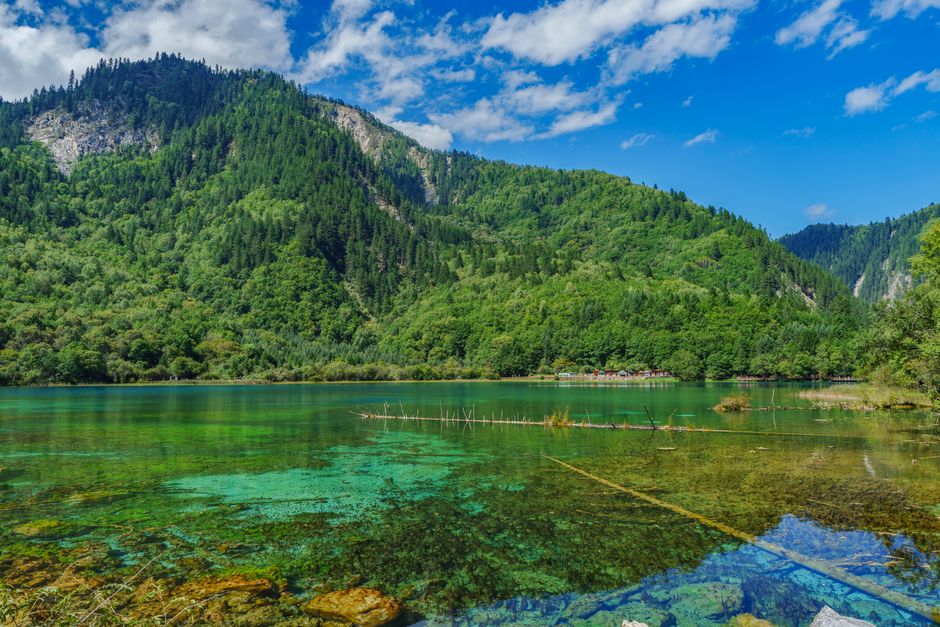
Breathtaking view of Jiuzhaigou Valley’s lush mountains and crystal-clear lake., Jiuzhaigou Valley, China
FAQs: Your Jiuzhaigou Valley, China Questions Answered
1. Is Jiuzhaigou Valley, China safe at night?
Yes, the park itself closes at dusk, but Zhangzha Town is generally very safe for tourists at night. As always, exercise standard precautions with your belongings. The main concern after dark is the high altitude and cold temperatures, so dress warmly.
2. What currency is used and are credit cards accepted?
The Chinese Yuan (CNY/RMB) is the currency. While major hotels and some upscale restaurants in town accept credit cards (Visa/Mastercard), cash is king for smaller restaurants, shops, taxis, and local purchases. Ensure you have enough Yuan withdrawn in Chengdu before arriving.
3. How do I get from the airport to the city center?
Jiuzhai Huanglong Airport is about 1.5 hours from Zhangzha Town. Options include: official airport shuttle buses (¥50-80, schedule matches flights), pre-booked private transfers from your hotel (¥150-250), or taxis (¥200-300). Book airport transfers at GetYourGuide for convenience.
4. Do I need to speak the local language?
Not necessarily, but it helps. In hotels and park ticket offices, you’ll find basic English. In local restaurants and with drivers, communication can be challenging. Have your hotel name/destination written in Chinese characters, and use a translation app like Pleco or Google Translate for menus.
5. What’s the appropriate dress code?
Think practical and layered. Wear comfortable, waterproof walking shoes. Days can be sunny, but temperatures drop quickly. Bring a warm jacket, hat, and sunscreen. For monastery visits, ensure your
Related Guides
Explore more destinations similar to Jiuzhaigou Valley:
- Louisiade Archipelago, Papua New Guinea: Best Seclusion, Sailing & Unspoiled Coral Kingdoms (2026)
- Changwon, South Korea’s Hidden Industry, Art & Coastal Serenity (2026)
- Crozierville, Liberia: Hidden History, River Life & Authentic Americo-Liberian Culture (2025)
- Dogbo, Benin’s Hidden Voodoo Roots, Royal Palaces & Rural Tranquility (2026)
{“@context”: “https://schema.org”, “@type”: “FAQPage”, “mainEntity”: [{“@type”: “Question”, “name”: “What is the best time to visit Jiuzhaigou Valley?”, “acceptedAnswer”: {“@type”: “Answer”, “text”: “The best time to visit Jiuzhaigou Valley depends on your preferences. Generally, the dry season offers the most pleasant weather for sightseeing and outdoor activities.”}}, {“@type”: “Question”, “name”: “How many days do I need in Jiuzhaigou Valley?”, “acceptedAnswer”: {“@type”: “Answer”, “text”: “Most travelers spend 3-5 days in Jiuzhaigou Valley to see the main attractions. A week allows for a more relaxed pace and day trips.”}}, {“@type”: “Question”, “name”: “Is Jiuzhaigou Valley expensive to visit?”, “acceptedAnswer”: {“@type”: “Answer”, “text”: “Jiuzhaigou Valley can be visited on various budgets. Accommodation ranges from hostels to luxury hotels, and local restaurants offer affordable dining.”}}]}

