

Kaili, China (Guizhou Province): Hidden Miao Culture, Ancient Villages & Fiery Flavors (2025)
While crowds flock to Guilin’s karst peaks, Kaili delivers an unfiltered immersion into China’s most vibrant ethnic mosaic without the souvenir stalls and staged shows. As the cultural heart of the Qiandongnan Miao and Dong Autonomous Prefecture, Kaili is your gateway to over 1,200 Miao and Dong villages, where over 30 distinct ethnic groups maintain traditions that date back millennia. Here, the journey is through living culture, not just scenery.
Why Kaili, China (Guizhou Province) Stands Out
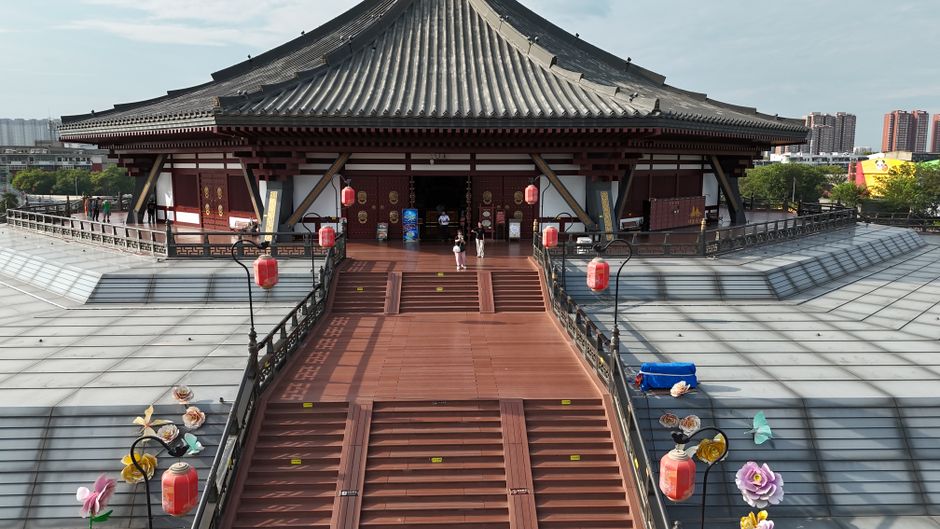
Explore a traditional Chinese temple adorned with red lanterns and intricat…, Kaili, China (Guizhou Province)
- Historic Architecture: The 500-year-old Xijiang Thousand Household Miao Village, the largest Miao settlement in the world, showcases stunning stilted wooden dwellings cascading down misty mountainsides.
- Cultural Scene: The Lusheng Festival, where hundreds perform on the traditional reed-pipe instrument in a mesmerizing symphony of sound, dance, and elaborate silver headdresses.
- Local Specialties: Sour Fish Hotpot (Suan Tang Yu), a uniquely Miao dish where fish is fermented in rice wine and cooked in a fiery, sour broth that locals believe wards off the damp.
Pro Tip: Plan your visit around major festival dates (like the Miao New Year in October/November or the Lusheng Festival in spring), but stay in Kaili as a base. Day-trip to the villages on non-festival days to avoid the biggest crowds and experience more authentic daily life. March-May and September-November offer the best weather for these excursions.
Map of Kaili, China (Guizhou Province)
Use these interactive maps to explore Kaili, China (Guizhou Province) and plan your route:
📍 View Kaili, China (Guizhou Province) on OpenStreetMap
🗺️ Open Kaili, China (Guizhou Province) in Google Maps
Planning Your Trip: Practical Essentials
Getting There and Around
- By Air: Kaili Huangping Airport (KJH) is about 40 minutes drive from downtown, with limited flights from major hubs like Guangzhou and Guiyang. Your best bet is often to fly into Guiyang Longdongbao Airport (KWE) and take a high-speed train. Book flights at Skyscanner for best deals.
- By Train: Kaili South Station (KIZ) is on the high-speed rail network. The journey from Guiyang takes just 30-40 minutes, and from Chongqing about 3 hours. Regular (slower) trains also serve Kaili Station. Reserve tickets at Trainline or the national railway website.
- By Car: Driving offers flexibility for village hopping. The G60 Shanghai-Kunming Expressway connects Kaili to Guiyang (2-hour drive). Rental cars with drivers are a popular and sensible option for navigating rural roads. Compare car rentals at RentalCars.com.
- Local Transport: In the city, taxis are cheap (¥7 starting fare). For villages, your options are tourist buses from Kaili Coach Station to specific spots like Xijiang, or hiring a private car/driver for a day (¥400-600). Public buses serve local routes but are challenging without Mandarin.
Best Time to Visit
Kaili has a humid subtropical climate. The key to your visit is balancing pleasant weather with cultural calendar events. Shoulder seasons are ideal, offering mild temperatures and vibrant agricultural landscapes.
| Season | Weather | Highlights |
|---|---|---|
| Summer (Jun–Aug) | Warm & rainy, 68-86°F (20-30°C), high humidity. | Lush green scenery, but frequent afternoon showers. Major festivals are rare; better for avoiding domestic tourist peaks. |
| Winter (Dec–Feb) | Chilly & damp, 37-50°F (3-10°C), occasional light snow. | Quietest time with few tourists. You might witness smaller, intimate village celebrations. Pack warm, waterproof layers. |
| Shoulder (Apr–May/Sep–Oct) | Most pleasant, 59-77°F (15-25°C), less rainfall. | Prime time. April-May has blooming flowers; Sep-Oct has golden harvests and the spectacular Miao New Year festivities. Book accommodation well in advance. |
Budgeting for Kaili, China (Guizhou Province)

Beautiful view of Guangzhou’s skyline at sunset with a tranquil riverfront., Kaili, China (Guizhou Province)
| Category | Budget | Mid-range | Luxury |
|---|---|---|---|
| Accommodation | ¥100-200/night (hostel/guesthouse) | ¥300-500/night (3-4 star business hotel) | ¥800+/night (boutique resort in Xijiang) |
| Meals | ¥50/day (street food, noodle shops) | ¥100-150/day (local restaurants) | ¥250+/day (fine dining & banquet meals) |
| Transport | ¥50/day (public bus to 1 village) | ¥150/day (taxis & shared car hire) | ¥600/day (private car & driver) |
| Activities | Free (village wandering, some festivals) | ¥50-100 (museum entry, village tickets) | ¥200+ (private guide, craft workshops) |
| Daily Total | ¥200-300 | ¥600-900 | ¥1800+ |
Top Attractions and Must-See Sights
| Attraction | Description | Hours | Entry Fee |
|---|---|---|---|
| Xijiang Thousand Household Miao Village | The world’s largest Miao village, a breathtaking hillside tapestry of wooden architecture, song, and craft. | 24/7, performances at scheduled times | ¥110 (includes shuttle bus in village) |
| Kaili Minority Museum | Essential pre-visit primer with exquisite exhibits on Miao, Dong, and other groups’ textiles, silverwork, and history. | 9:00-17:00 (Closed Mondays) | Free (ID required) |
| Langde Shang Village | A more intimate, well-preserved Miao village famous for its welcoming “Block-the-Way” wine ceremony and dance performances. | Open all day | ¥60 (includes performance) |
| Zhenyuan Ancient Town | A scenic 90-min drive from Kaili, where Qing dynasty architecture lines the Wuyang River, best seen from a boat ride. | Open all day | Free (boat ride ¥80) |
3-Day Itinerary: Kaili, China (Guizhou Province)’s Highlights & Hidden Gems
Day 1: Immersion in Miao Heartland
- Morning (7-9 AM): Take an early high-speed train from Guiyang (arrive by 8:30 AM). Store bags at your hotel and head straight to the Kaili Minority Museum to build cultural context before seeing the real thing.
- Afternoon (12-3 PM): Hire a taxi (approx. ¥150 round-trip) to Langde Shang Village. Walk the flagstone paths, admire the “Horned” architecture, and join the 2:30 PM traditional dance performance. For lunch, try the local chicken hotpot at a family-run eatery near the village square.
- Evening (6-8 PM): Return to Kaili. For dinner, brave the fiery flavors at Lao Kai Li Suan Tang Yu (Old Kaili Sour Soup Fish) on Beijing East Road. Their signature sour fish hotpot is a rite of passage.
Day 2: The Grand Spectacle of Xijiang
- Morning (Early Activity): Catch the 8:30 AM tourist bus from Kaili Coach Station to Xijiang Qianhu Miao Village (¥25, 1-hour journey). Arrive as the morning mist lifts off the wooden houses. Walk up to the observation deck for the iconic panoramic view.
- Afternoon (Main Attraction): Explore the labyrinth of streets, visit the Miao Museum within the village, and watch silversmiths at work. For lunch, find a stall selling zhua fan (sticky rice cooked in bamboo tubes). The free outdoor folk performance at the main square (1:30 PM) is spectacular.
- Evening (Recommendation): Stay for the stunning night view when thousands of lights illuminate the village. Dine at a restaurant overlooking the river before catching the last bus back to Kaili (around 8:00 PM).
Day 3: Crafts, Flavors & Departure
- Morning (Transport): Visit Shidong Village (market days: every 12 days, check schedule) famed for its extraordinary embroidery and silver market. A private car is needed (¥400 round-trip, 1.5 hrs each way). Witness the intricate “Flower Embroidery” technique passed down for centuries.
- Afternoon (Cultural Activity): Return to Kaili for a final lunch at Qianxiangren restaurant, specializing in Dong cuisine—try the niu bie (fermented bamboo shoot dish). Visit the local market on Jianshe Road for last-minute souvenirs like chili paste or handmade jewelry.
- Evening (Final Recommendation): Depending on your schedule, enjoy a relaxed dinner near your hotel before heading to Kaili South Station for your onward high-speed train. Savvy travelers often book a late departure to maximize the day.
Cultural Insights & Etiquette
- Language: Mandarin is essential. Learn a few phrases: “Xie xie” (Thank you), “Ni hao” (Hello). In villages, many elders speak only their ethnic language. A translation app is very useful.
- Customs: Always accept the “Block-the-Way” wine ceremony in villages with both hands as a sign of respect—it’s impolite to refuse. Ask permission before taking close-up portraits of people, especially elders.
- Tipping: Not customary in China. However, for an exceptional private guide or driver, a small tip (¥50-100/day) is a generous and appreciated gesture.
- Dress Code: Modest, comfortable clothing is best. For village visits, wear sturdy walking shoes. During festivals, you may be invited to wear traditional clothing—accept happily!
- Business Hours: Government sites/museums often close Mondays. Shops open 9am-9pm. Village life starts early; the best light and most active times are morning and late afternoon.
Where to Eat: Kaili, China (Guizhou Province)’s Best Bites
Guizhou cuisine is defined by “sour and spicy” (suan la). Kaili is the epicenter of Miao and Dong culinary traditions, where fermentation is an art form and every meal is a bold adventure. Don’t expect subtlety; expect unforgettable, palate-awakening flavors.
Must-Try Local Specialties
- Sour Fish Hotpot (Suan Tang Yu): The regional signature. Fresh fish is pickled in fermented rice, tomatoes, and chili, creating a complex, tangy, and spicy broth. Best tried at dedicated hotpot restaurants like Lao Kai Li Suan Tang Yu.
- Silken Tofu Fish (Dou Hua Yu): A slightly milder but no less delicious alternative, where tender fish fillets and silken tofu swim in a peppery broth. Find it at local canteens and family restaurants.
- Sticky Rice Dishes (Nuo Mi): A staple, often steamed in bamboo tubes (zhu tong fan) or dyed five colors with plant juices. Perfect portable food from market stalls.
Restaurant Recommendations by Budget
| Type | Restaurant | Specialty | Price Range |
|---|---|---|---|
| Budget | Night Market on Beijing East Road | Barbecue skewers, grilled fish, zhua fan | ¥20-40 per person |
| Mid-range | Qianxiangren (near Zhongbo Plaza) | Authentic Dong minority dishes & banquet-style meals | ¥60-100 per person |
| Fine dining | Xijiang Village View Restaurant (in Xijiang) | Miao banquet with performance and panoramic views | ¥150+ per person |
Where to Stay
Accommodation in Kaili city is mostly functional business hotels, while the real charm lies in guesthouses within the villages. For first-time visitors, staying in Kaili as a base offers more dining and transport flexibility. For deep immersion, a night in Xijiang is magical. Compare prices and book at Booking.com or Airbnb for apartments.
Best Neighborhoods for Accommodation
- City Center (Yanhe/National Plaza area): The most convenient location with the widest choice of hotels, restaurants, and the main coach station. It’s practical but lacks local character. Ideal for short stays and day trips.
- Xijiang Qianhu Miao Village: Staying overnight here allows you to experience the village after the day-trippers leave. Choose a guesthouse with a balcony overlooking the valley. Be prepared for basic amenities and the sound of frogs and cicadas.
- Near Kaili South Railway Station: A good option for a very early departure or late arrival. The area is modern and developing, with several new chain hotels, but it’s a taxi ride away from the city center.

Majestic view of Chongsheng Temple surrounded by lush greenery and mountain…, Kaili, China (Guizhou Province)
FAQs: Your Kaili, China (Guizhou Province) Questions Answered
1. Is Kaili, China (Guizhou Province) safe at night?
Kaili is generally very safe. Violent crime against tourists is extremely rare. Standard precautions apply: be aware of your belongings in crowded markets, use registered taxis, and avoid poorly lit, deserted areas late at night. In villages, community ties are strong, creating a secure environment.
2. What currency is used and are credit cards accepted?
The Chinese Yuan (CNY/RMB) is the currency. Cash is KING, especially in villages, small restaurants, and for transport. While hotels and some larger city restaurants may accept WeChat Pay, Alipay, or rarely credit cards, you must have a Chinese bank account for the mobile apps. Always carry sufficient cash.
3. How do I get from the airport to the city center?
{“@context”: “https://schema.org”, “@type”: “FAQPage”, “mainEntity”: [{“@type”: “Question”, “name”: “What is the best time to visit Kaili?”, “acceptedAnswer”: {“@type”: “Answer”, “text”: “The best time to visit Kaili depends on your preferences. Generally, the dry season offers the most pleasant weather for sightseeing and outdoor activities.”}}, {“@type”: “Question”, “name”: “How many days do I need in Kaili?”, “acceptedAnswer”: {“@type”: “Answer”, “text”: “Most travelers spend 3-5 days in Kaili to see the main attractions. A week allows for a more relaxed pace and day trips.”}}, {“@type”: “Question”, “name”: “Is Kaili expensive to visit?”, “acceptedAnswer”: {“@type”: “Answer”, “text”: “Kaili can be visited on various budgets. Accommodation ranges from hostels to luxury hotels, and local restaurants offer affordable dining.”}}]}
Related Guides
Explore more destinations similar to Kaili:

